
 PREVIOUS : ANXIOUSLY Attached Partners, #1
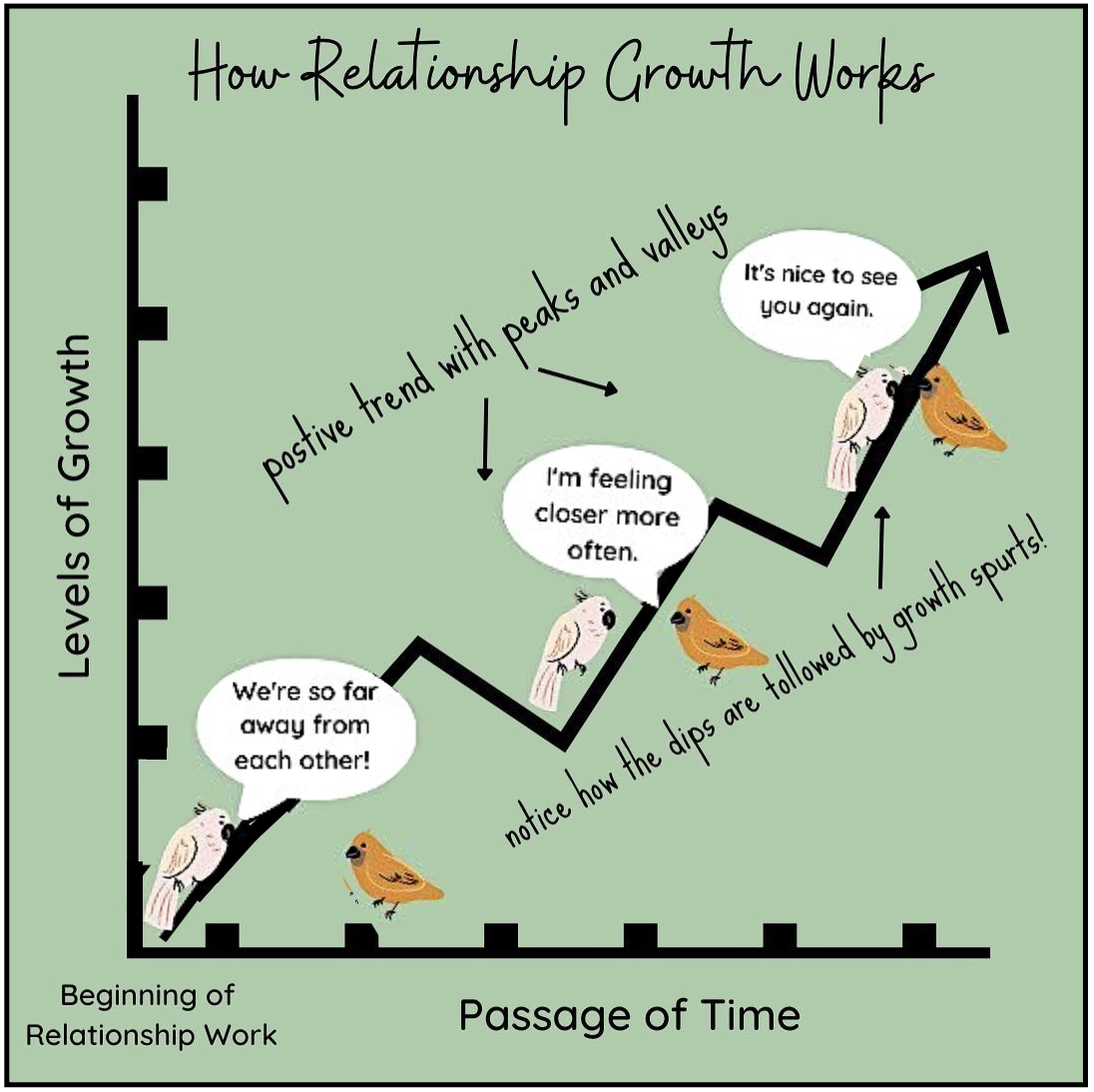
POSTS: ANXIETY & T.E.A. // “Relationship STAGES”
«
«
«
«
«
«
«
«
NEXT : Attachments & Friends
PREVIOUS : ANXIOUSLY Attached Partners, #1
POSTS: ANXIETY & T.E.A. // “Relationship STAGES”
«
«
«
«
«
«
«
«
NEXT : Attachments & Friends
 PREVIOUS : Attachment & Relationships #2
POSTs : ACoA LAUNDRY LIST
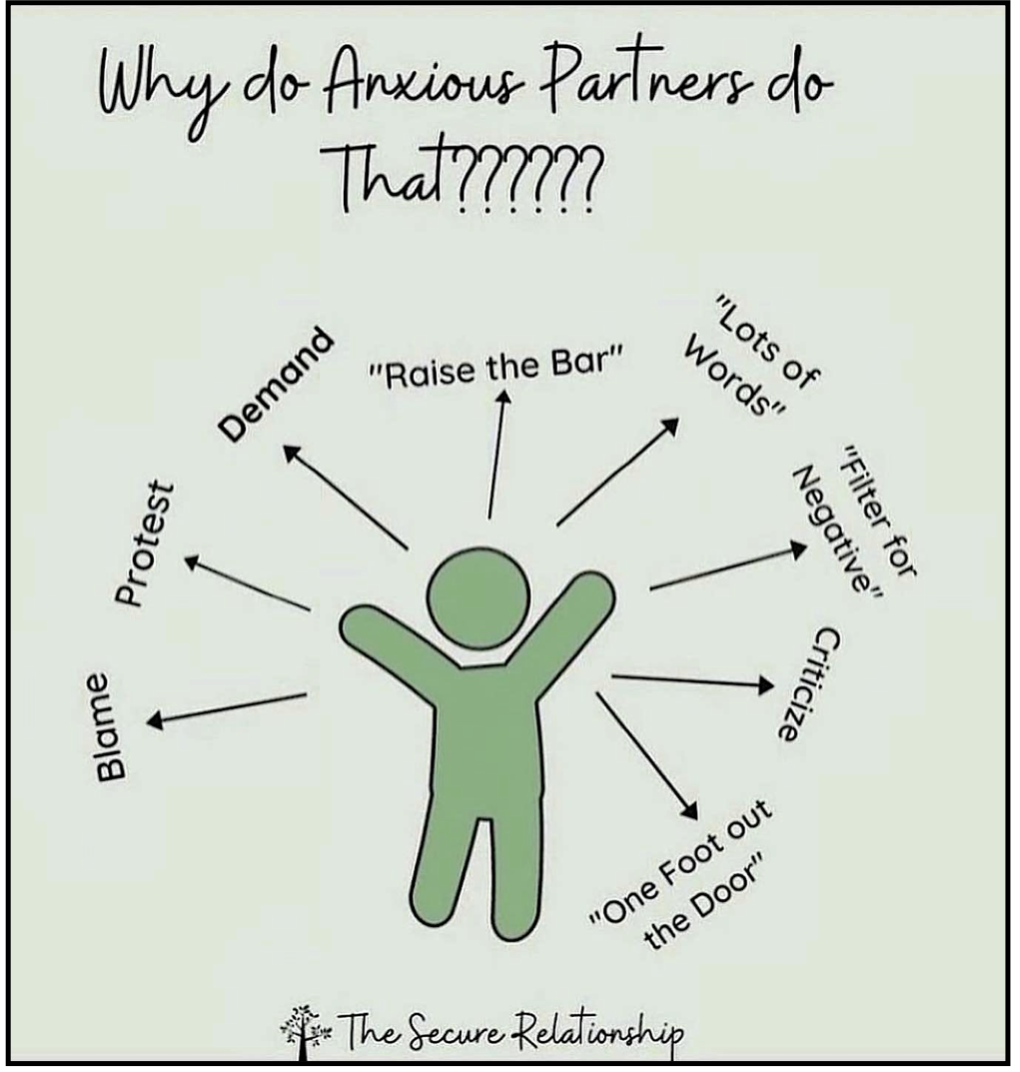
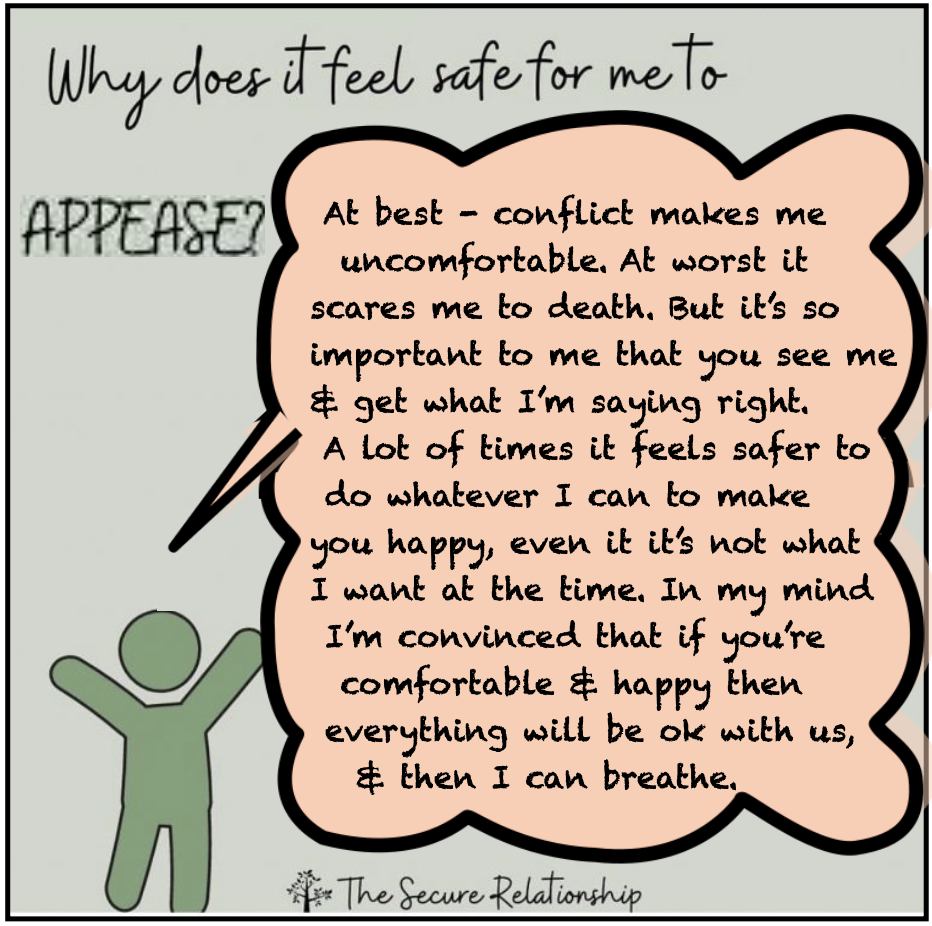
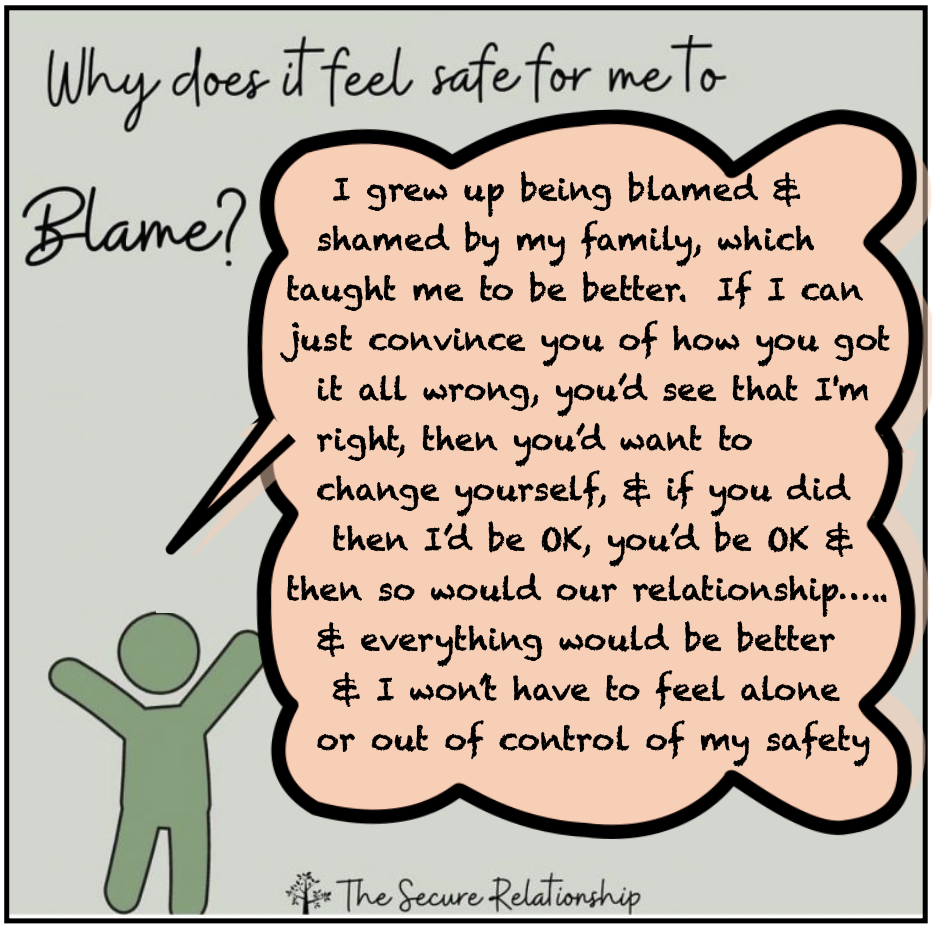
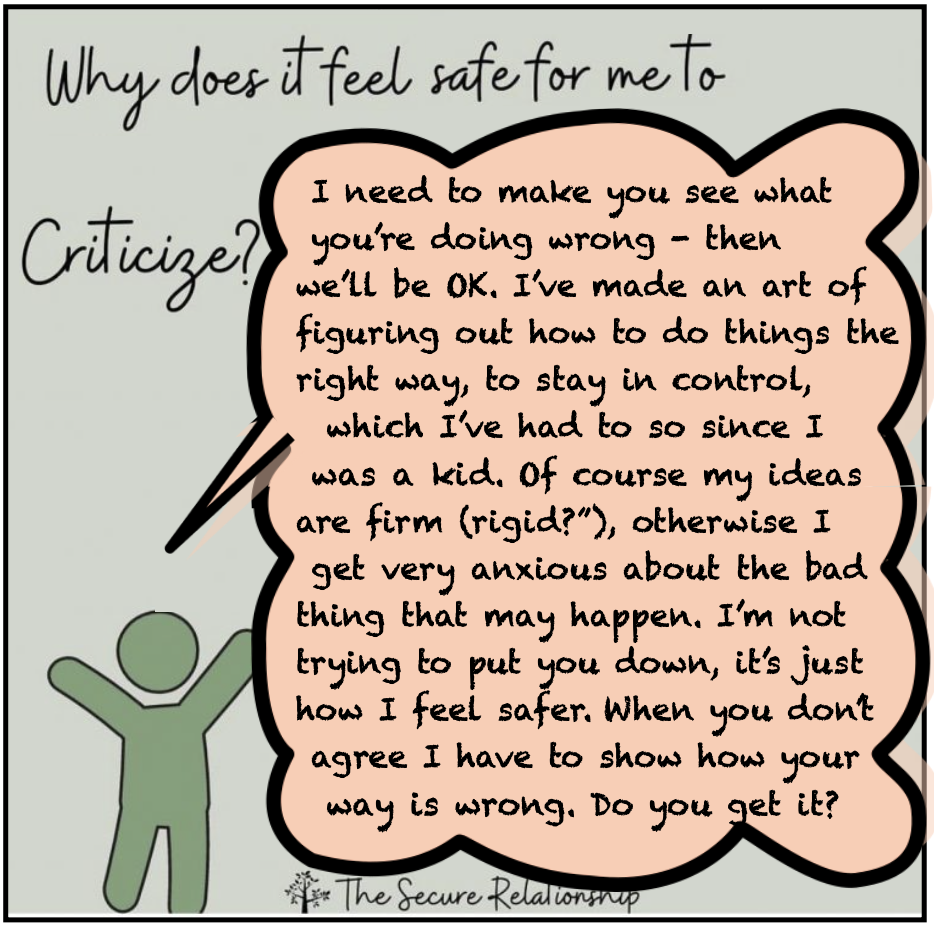
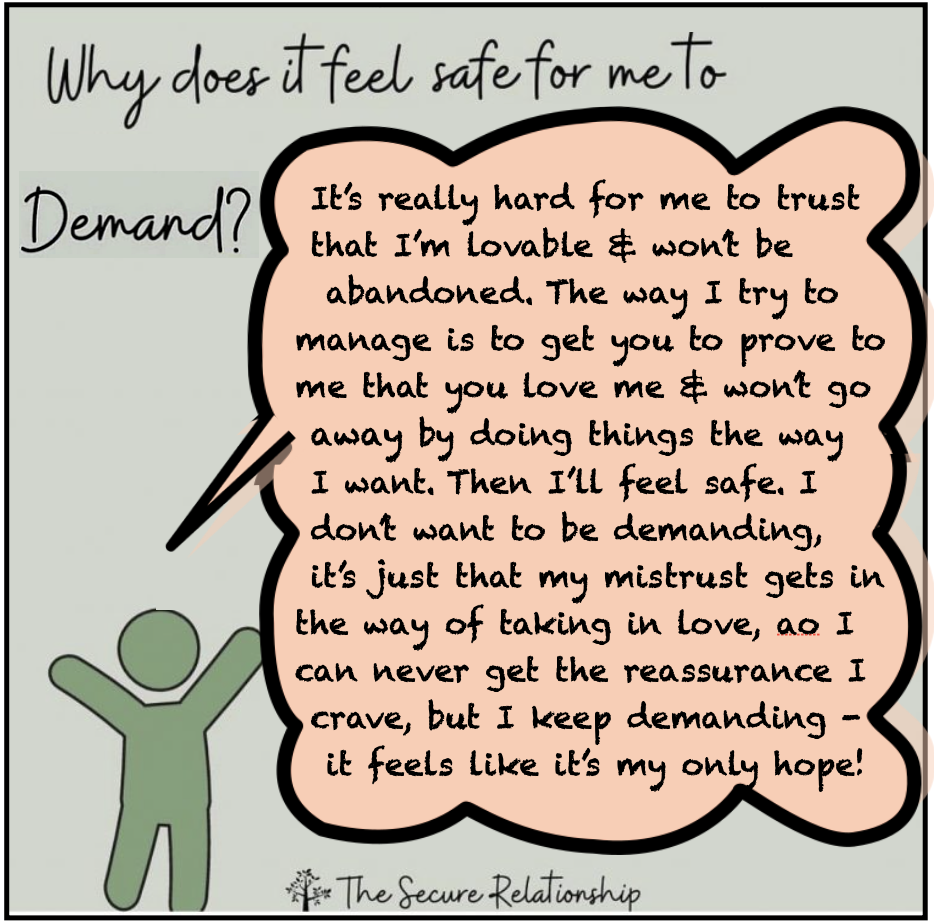
↘️ All ‘explanations’ in Part 1 & 2 are from the “Secure Relationships” site
«
« 
« 
« 
«
«
«
NEXT : “Explained” Part 2
 PREVIOUS : RELATIONSHIPS (#2)
SITEs: ☸︎ “Why attachment Styles are more important than Love Languages”
☸︎ “Attached: The New Science of Adult Attachment & How It Can Help You Find -and Keep – Love.” ∼ Dr. Amir Levine (AUDIO)
AUDIOBOOK : “Attachment in Relationships”
1. SECURE
2. INSECURE
a. Anxious // b. Avoidant // Disorganized
“Don’t confuse Attachment styles with Love. Insecure attachment is about fear & dependency, more to do with a narcissistic focus on self rather than on another”
😍 IF adult romantic pairings are attachment relationships, THEN :
— whether an adult has a Secure or Insecure bond with a mate, it will at least partially be a reflection of all the experiences with their primary caregivers, since they tend to ‘work’ the way infant-mother relationship worked originally.
«

«
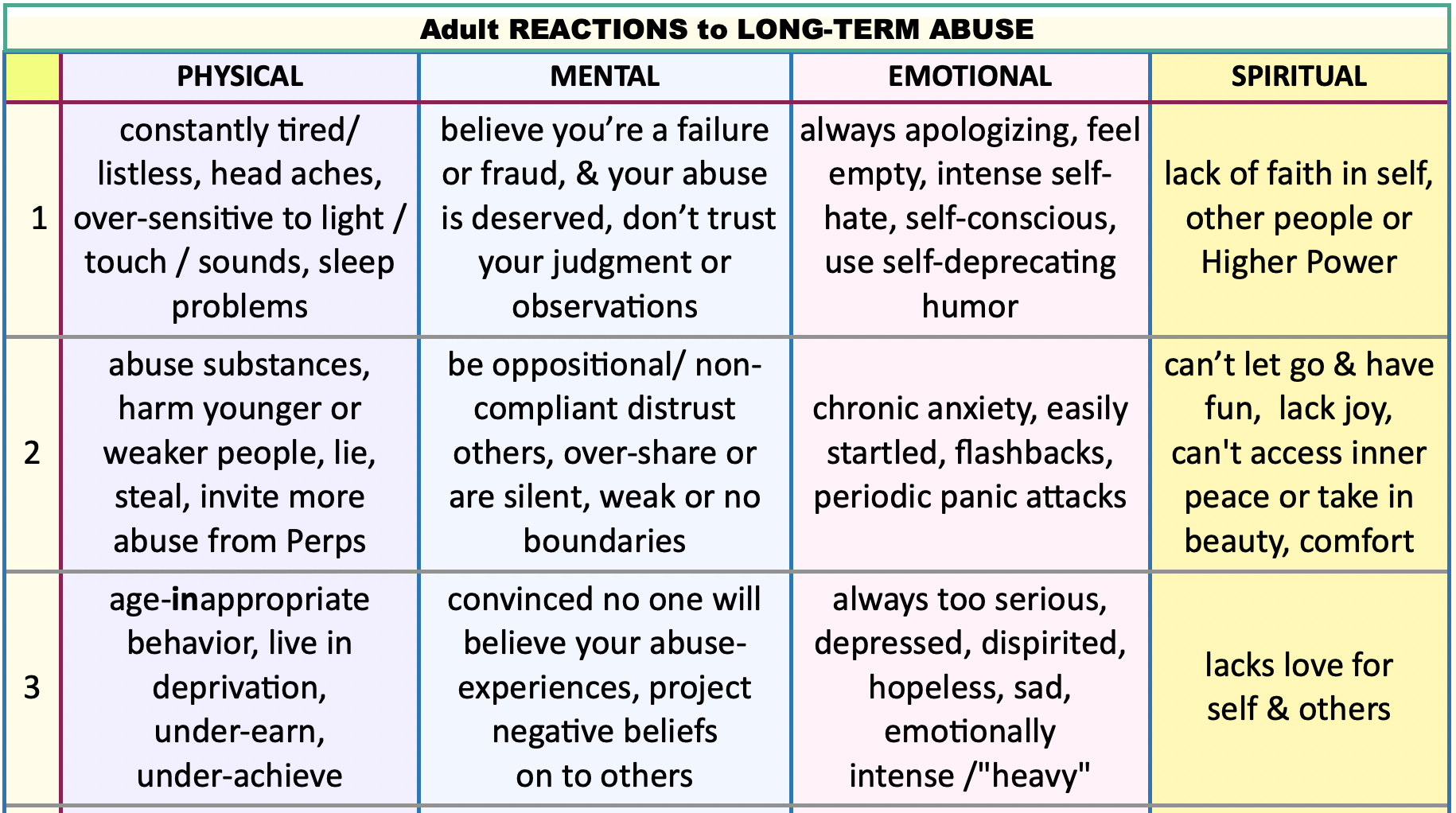
Insecure relationships are often so stressful that they wreak havoc in our life, continuing toxic push-pull interactions.Recognizing how our attachment style meshes with our unmet needs – will show in what areas our Inner Child needs attention & love. This will extend to understanding our partner’s needs, based in their Attachment type.
To whatever degree possible, we can try building current partnerships on a solid base of mutual respect, empathy & kindness. While we can’t rewrite history, we can be responsible for ourself by using adult power to choose the way the rest of our story turns out. Putting positive attention on our relationships, we’ll see how the attitudes, expectations & actions we choose affect our interactions. The way we deal with people either encourages or hinders how they experience us & to some extent how they treat us.
«
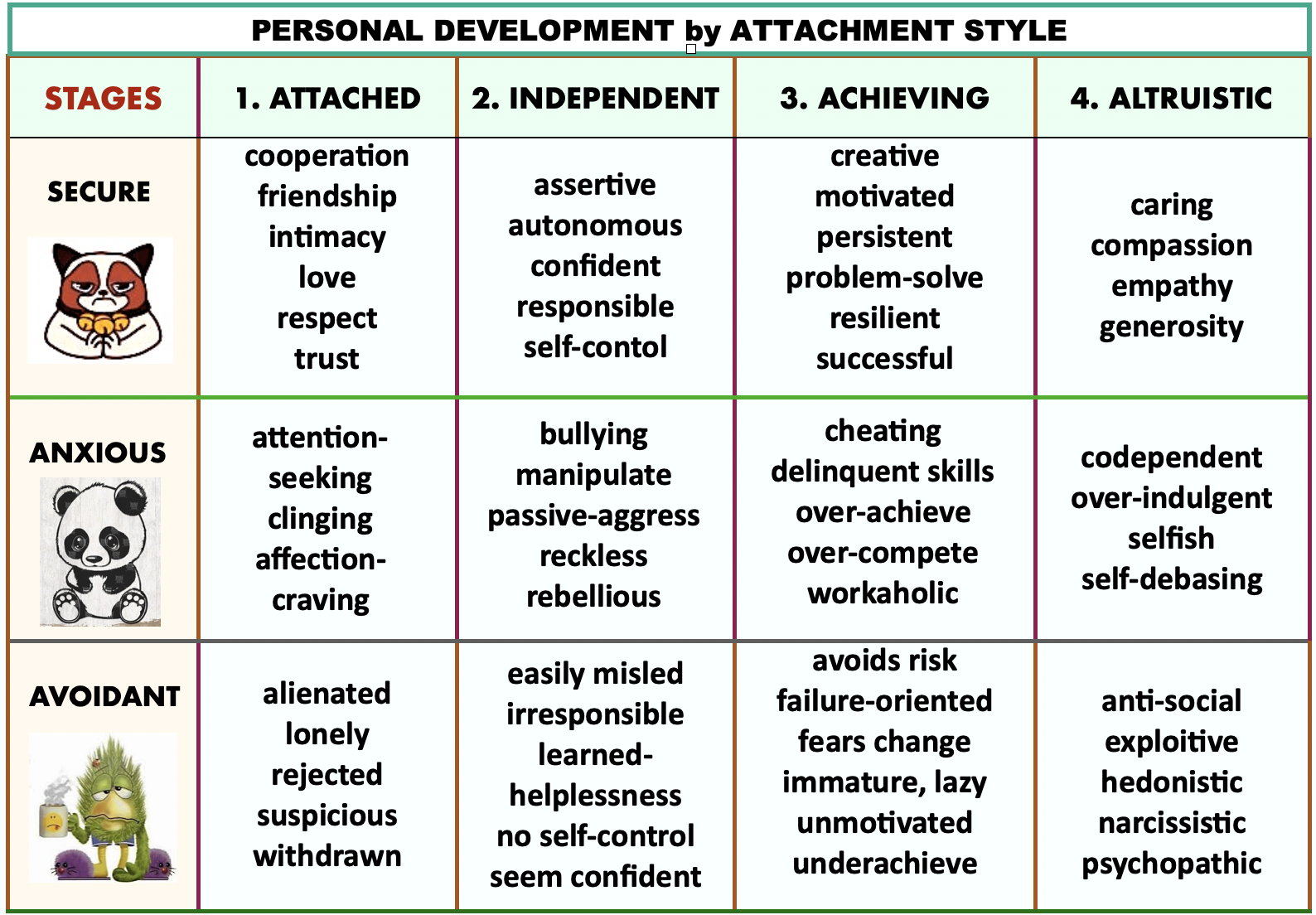
STAGES
When we successfully move through Erikson’s 8 developmental rungs, he believed we develop a healthy personality with human virtues. Failure to provide the needs of any level – makes it hard to move into a fulfilling future, which harms our sense of self, & perhaps stunts growth, feeling inadequate & ‘stuck’.
»
«
TRIGGERs for the Insecurely Attached
‘Attachment triggers’ are unhealed reactions from old emotional wounds, that inevitably show up in intimate relationships. EXP:
a. you sense a change in verbal communication & texting style ↵
b. you interpret this behavior, assigning it a negative meaning (rejection, judgement, cheating, they’re leaving …) ↵
c. anxiety grips you insides (chest, stomach, lower back…) ↵
d. you obsessively try to figure out what’s going on : over-think, review what was last said & done, re-read texts, troll social media….) to create a false sense of control, to figure out if you were right to wrong in some way – TO ease the anxiety.
INSTEAD : 🔺 Identify how your style shows up. Have you chosen someone who is also Insecurely attached? Do you ignore red flags OR do you take you partner’s reactions too personally?
«
«
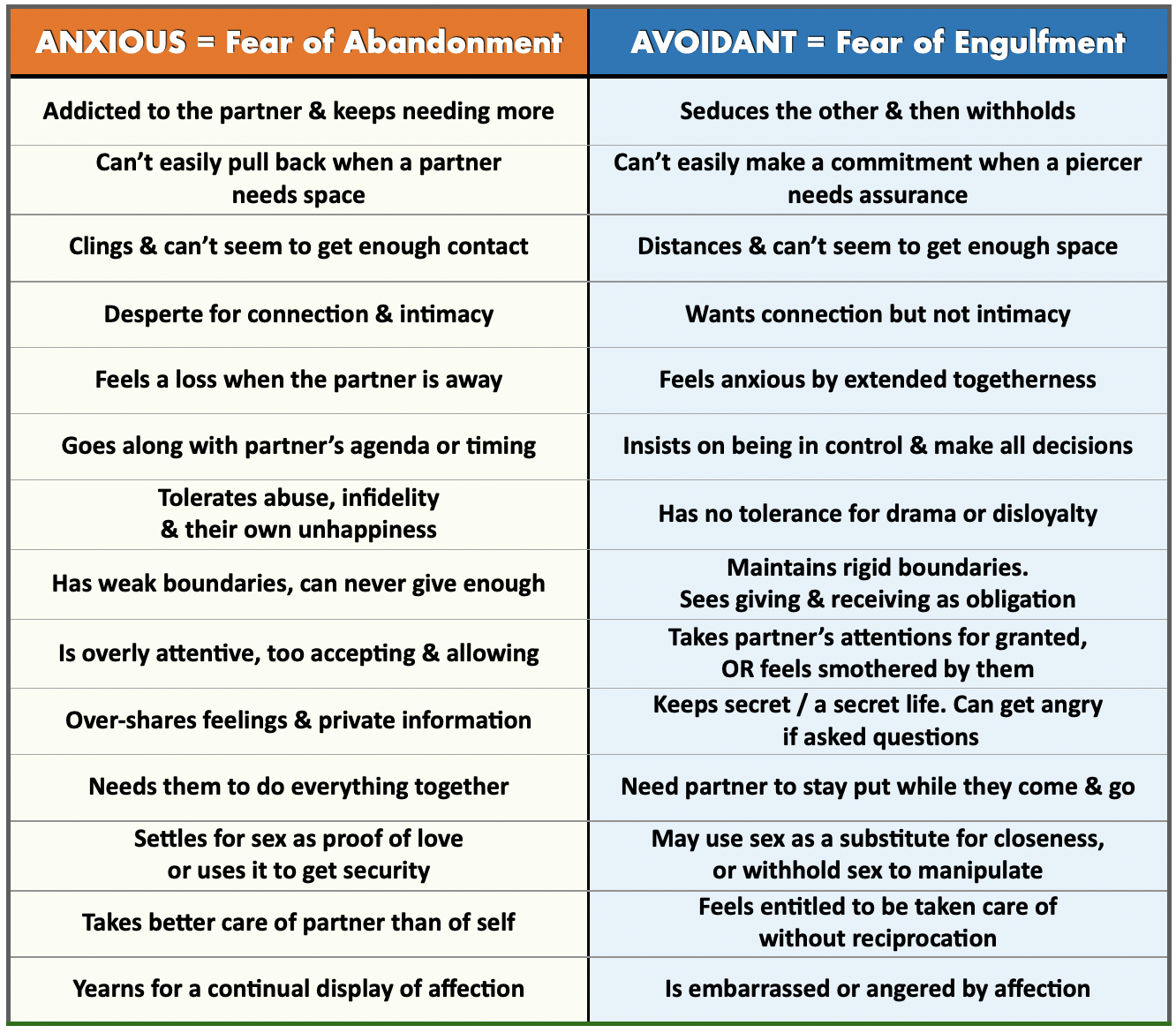
2 CONTRASTING Attachment Styles
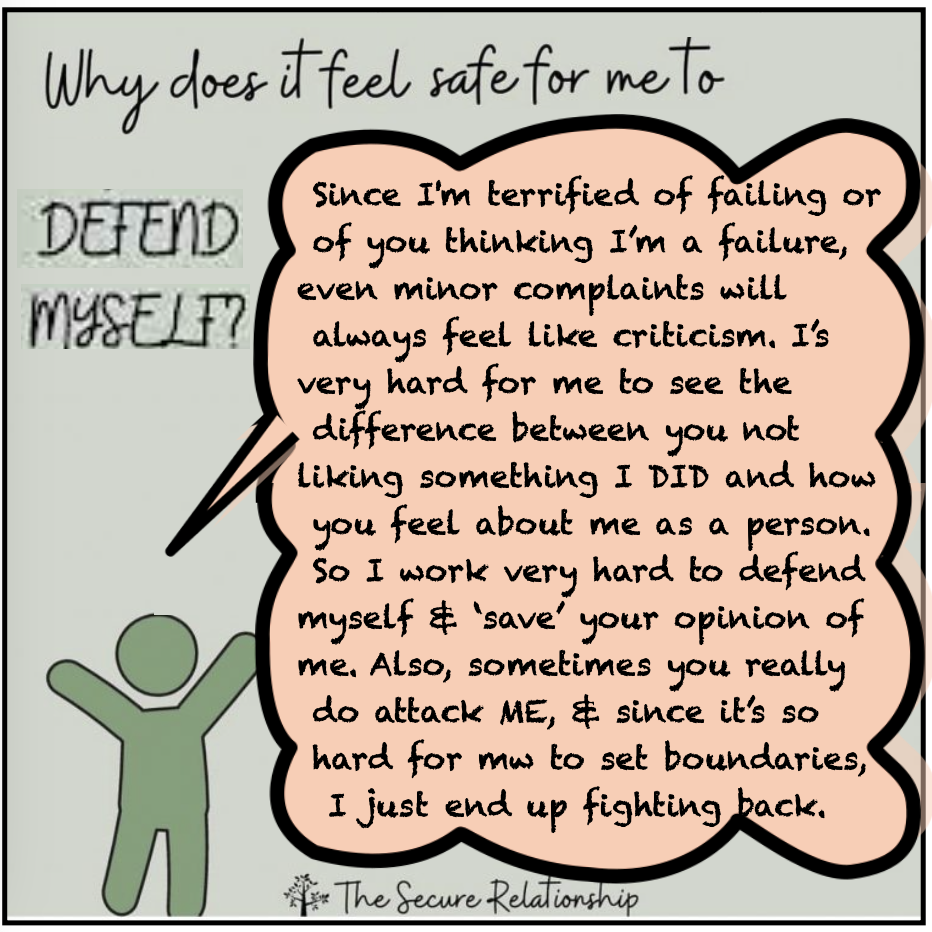
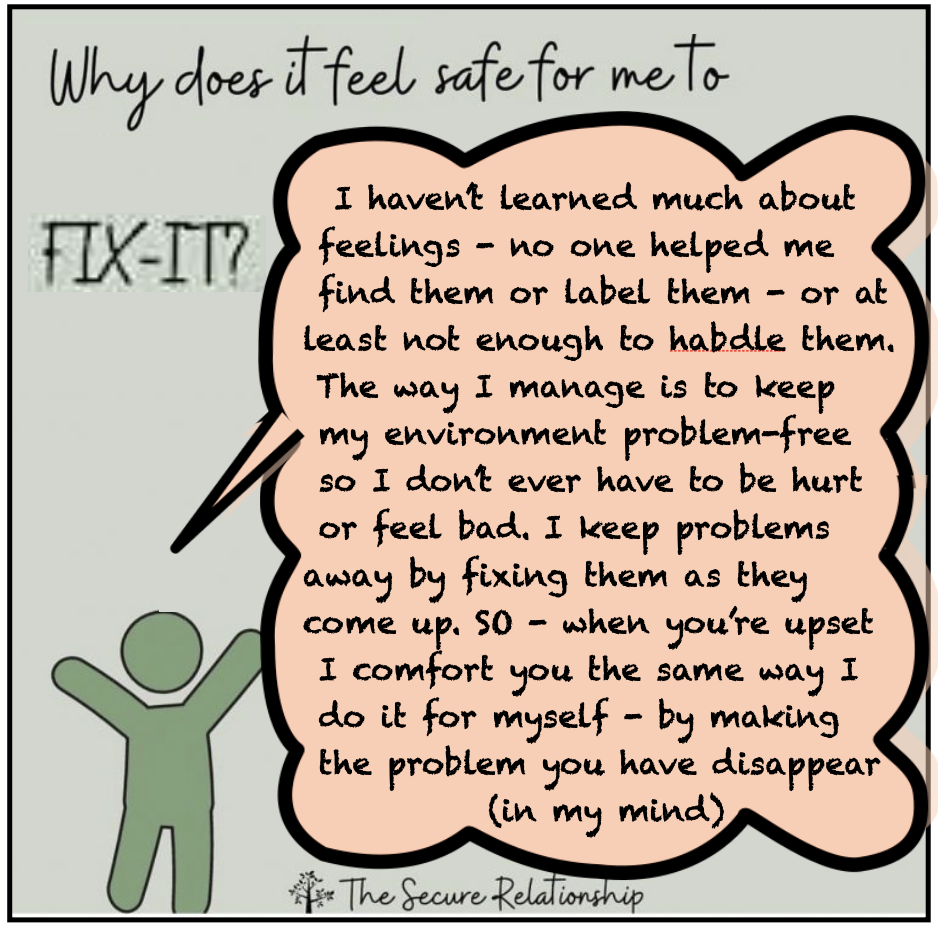
Anxious & Avoidants frequently end up together more often than with their own type. That may seem counter-intuitive, but there’s method behind the madness. Avoidants are so good at putting others off that maybe it’s only the Anxious ones who are willing to stick around & put in the extra effort to get them to open up & connect.
Most fearfully-avoidant adults are poorly adjusted despite their defensive nature, while the dismissing-avoidants are able to use defensive strategies to their benefit.
EXP: In a study by Fraley & Shaver (1997), adult participants were asked to discuss losing their partner. Dismissives, who tested high on attachment-related Avoidance but low on Anxiety, showed just as much physical distress as others – assessed by skin conductance measures.
But when asked to suppress thoughts & feelings, Dismissives were able to do so effectively – deactivating physiological arousal to some degree, & minimize attention to attachment-related painful thoughts.
On the other hand, Fearful-Avoidants were not as successful in suppressing their emotions.
«
«
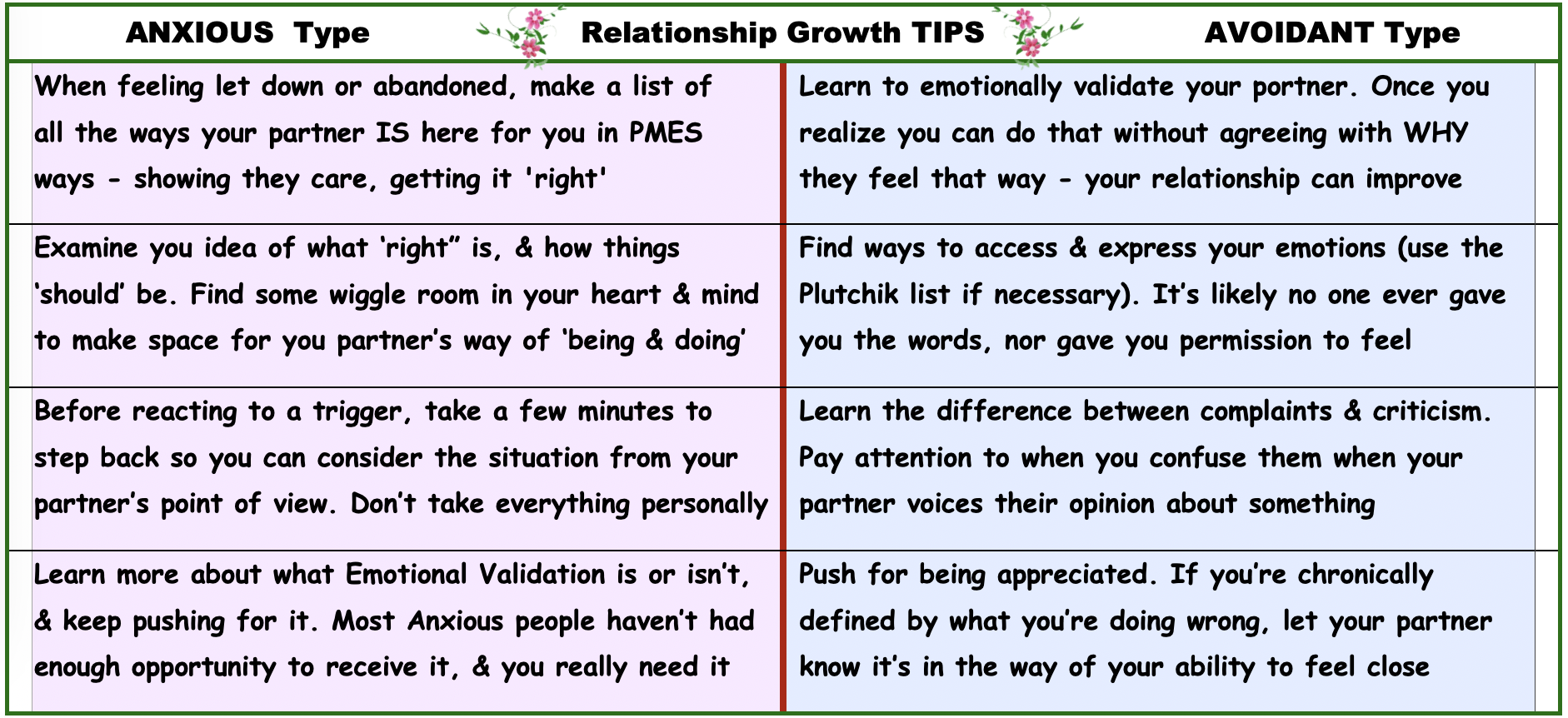
GROWTH Suggestions
1. Become aware of your Attachment style (Quiz)
2. Don’t be Hard On Yourself – change takes a lot of time
3. Build Secure relationships (see Part 1)
🕴🏻 Speak up for your needs, without blame or assumptions
🕴🏻Expect & ask to be treated well (Post:”Expectations“- scroll down)
🕴🏻 Notice your partner’s emotional needs as well
🕴🏻 Talk about your emotions & negative beliefs (be vulnerable but with healthy boundaries), especially if Avoidant,
«
«
NEXT : Attachment & HEALTH
 PREVIOUS: RELATIONSHIPS (#1)
1. SECURE (Part 1)
2. INSECURE
Our partner should be a complement to us, not used to complete us, & vice versa. (Good Men Project)
↘️ ARTWORK : “Show me the love… or Not“ = People Can Be Happy With Their Emotional Opposites (2012)
«
«
a. ANXIOUS type – about 20% of the population
1. ‘Protest behavior’ may be used to get the other’s attention, then later regret it
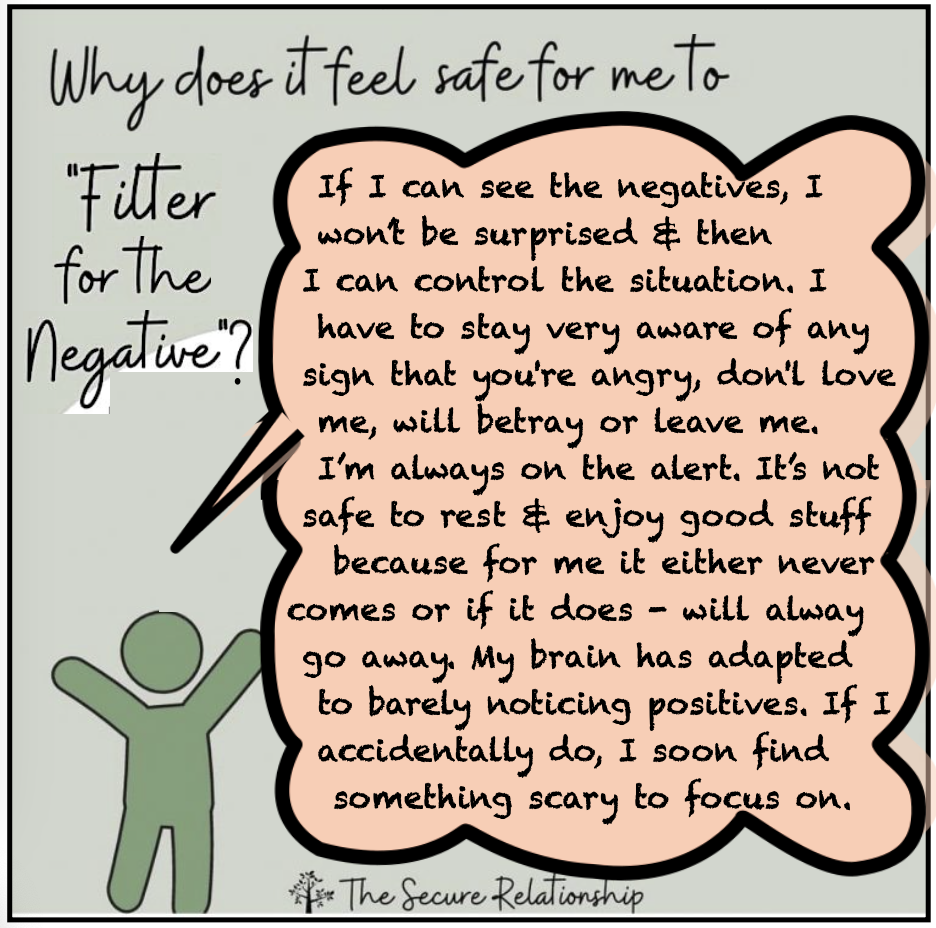
2. You’re always on the lookout for rejection – even when there is none
3. You’re always worried about losing the relationship. But if your partner is an Avoidant, there may be a reason – they’re more likely to cheat at some point
4. A partner who isn’t great at communicating their feelings directly may hope you’ll be quick to notice.
ANXIOUS Needs
These are the “pull” types – the co-dependent people-pleasers.. Even with very poor self-esteem they’re desperate to feel safe, which means always being connected to someone.
i. Being Heard
Many have gone ‘silenced’ into their adult life, with no voice or are too scared to use it to stand up for themself. They need continual help to validate their inner experiences & external reality.
You don’t have to agree with their opinions or attitudes, but if you love them – then just listen, giving them the time & space to reflect, without judgment & without conditions.
ii. Trust
This is a big one for Insecures because their original family couldn’t be trusted, or hypocrisy was disguised as trust, leaving them deeply confused.
Giving an Insecure partner time to trust us starts with admitting they don’t & not taking it personally. Getting through their carefully constructed self-protection armor is hard work for both – a long road, but do-able, with patience & the right information.
Both have to work at finding healthy ways to build reliability, such as paying attention to what we say & do, & that what’s being promised is what’s being done.
«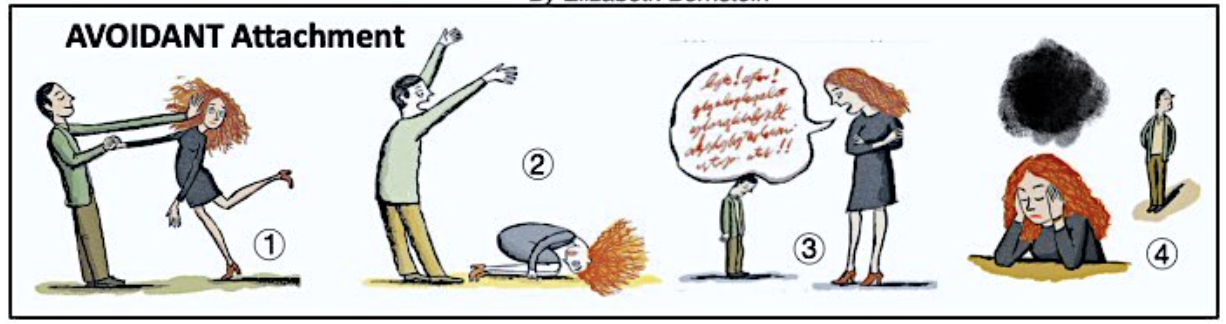
b. AVOIDANT – about 25%
1. They’re irritated or unnerved by too much closeness
2. They feel overwhelmed when bombarded with too much emotions
3. They focus on your faults & make unfavorable comparisons with past partners
4. They don’t deal well with intimacy, so are stand-off-ish
SITE :“5 Dismissive-Avoidant Breakup Stages” «
AVOIDANT Needs
These are the “push” away types. Most of their tactics are either indirect (long work hrs….), or dishonest, used to hide, cheat or punish.
i. Space
This is a ‘must’, to keep their sense of independence. To make this possible in positive ways the Avoidant has to be honest with their partner about that they need – consistently trustworthy, & clear about the legitimate ‘alone time’ activities that work best for them. (jogging alone, private time in their home office, quietly reading….). That way they can become more available without fear of suffocating.
ii. Privacy
This is the other big need, which can trigger the Anxious partner’s fears, although a Secure will not feel threatened. The Avoidant’s need for privacy & space is not necessarily a sign of being secretive or uninterested. Here too honest communication is crucial – to build trust & keep it there has to be integrity. They also have to be willing to some compromise, mutually figuring out when & how the Avoidant can meet their partner half way.
«
«
c. DISORGANIZED
** These types respond normally to casual friends or strangers and only react in disorganized ways in intimate relationships, since they too believe they’re unlovable.
1. Difficulty “opening up” // 2. Demanding
3. Acting out // 4. Trouble regulating emotions
DISORGANIZED Needs
They are both “push” & “pull” – a combination of needs, their deepest anxiety is both of being abandoned and of being engulfed.
i. Stability
Their biggest need is to feel protected, for the relationship to be a safe haven. Because they grew up in chaos, they have a lot of fear (EXP: physical abuse one day, & emotional neglect the next…. ). Stability offers emotional consistency, predictability & physical protection so they can grow to trust themself & others
ii. Patience
This is another critical need, because their reaction to triggers will be fight, flight, freeze or fawn – depending on which old button gets pushed, & how extreme the fear is. This complexity has to be understood & accepted, & the partner’s patience used with a great deal of compassion – so the Disorganized can feel heard, as well as given the space to feel secure.
«
NEXT : Attachment & RELATIONSHIPS (#3)
 PREVIOUS : Ambivalent Style
SITE : The Love Compass (Junk Sex/ Junk Relationships….)
QUOTE : “If a person loves only one other person & is indifferent to all others, his love is not love but a symbiotic attachment, or an enlarged egotism.” — psychoanalyst Erich Fromm, author of “The Art of Loving“(1956)
To show love and be loved are the best feeling ever. But, for some searching for love can be quite daunting & worse for people who’ve been in traumatic relationships. We have always wanted our romantic relationships to be perfect & trouble-free, but that is never the case.
To meet each other’s needs starts with both people being able & willing to be responsible for their own part, dropping a long-held superficial personas (social masks), letting themself be vulnerable with each another. They both have to be all-in, or nothing improves. “The power of Vulnerability“
1. SECURE Attachment means:
“I’m okay with letting myself be transparent in my relationships, & I consistently use effective communication, including ways to solve conflicts when they surface.”
♥️ Successful couples tell each other what they need, & are specific. EXP: “I know it’s uncomfortable for you to be affectionate in front of my friends, but at home I really need a hug every day.”
Displays of love don’t have to be 50-50, as long as both people show something. “Each partner will need to make some slight movements in the opposite direction from which they are most comfortable”
«

Dating
They don’t play games with you to gauge a potential mate their level of interest – no lies, tricks, or drama. They don’t pretend to be someone they’re not in order to win someone, nor play it hard to get. With Secures things are always clear — they don’t expect others to read their minds. If they’re interested, they’ll say so. If they don’t, they’ll do the same. There will be no mosting, stashing, benching, or any other kind of manipulative tactic.
Partner Selection
Cross-cultural studies suggest that mothers everywhere considered childhood Secure attachment the most desirable pattern. Adults looking for long-term relationships consider potential partners as most attractive who have ‘responsive caregiving qualities’ such as warmth, attentiveness & sensitivity. However, not all adults are paired with such partners. Research suggests that people end up in relationships with someone who confirm their existing beliefs about love relationships.
«
«
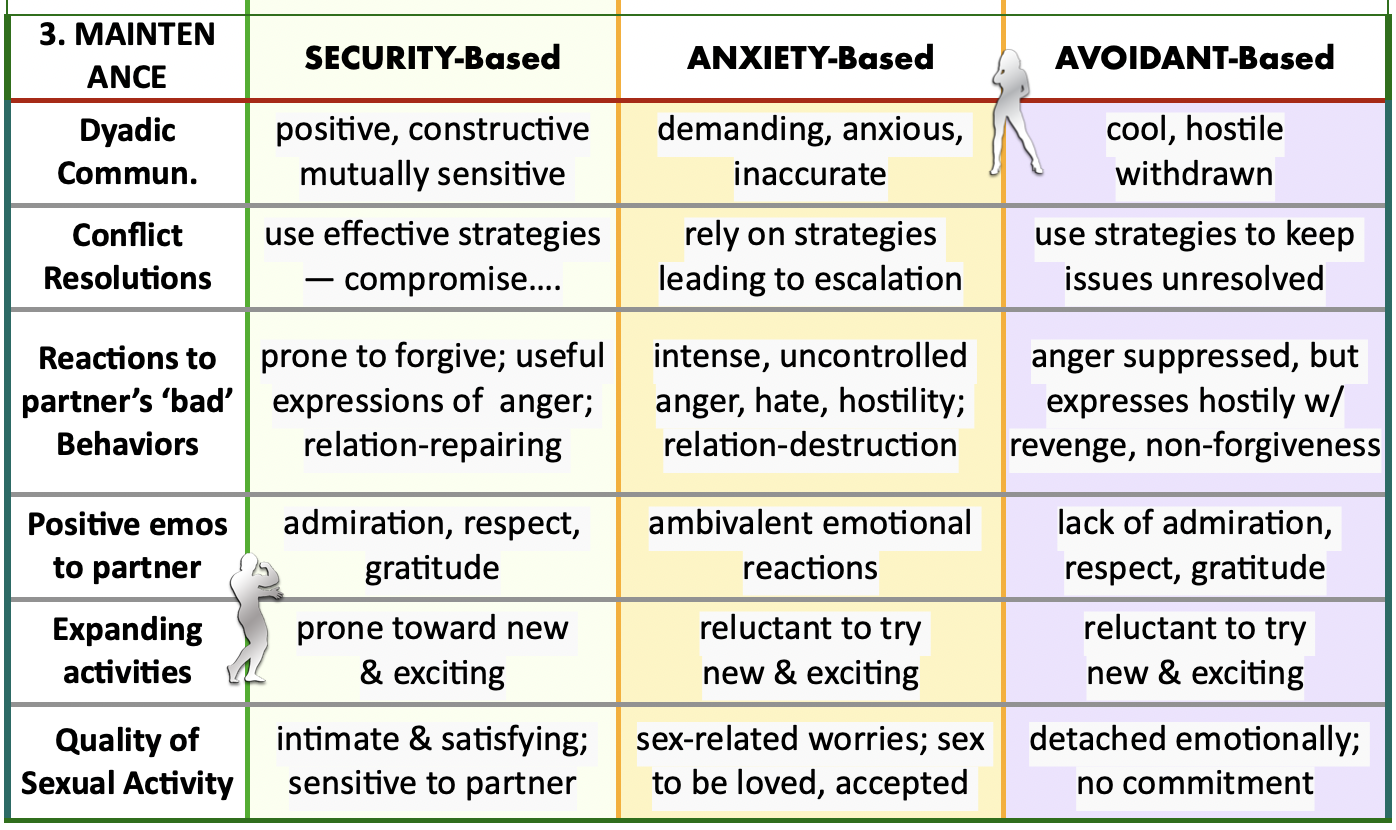
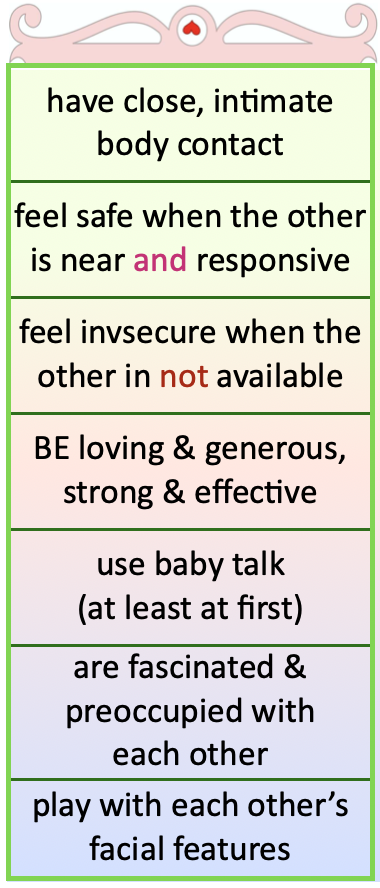 Romantic relationships are a component of the “attachment behavioral & motivational systems“, that form caregiving & sexuality.
It’s the emotional bond that develops partly as the result of how well it copies the same set of interactions the partners had with their parents – between infant & earliest caregiver – which becomes the relationship between adult love-partners. The mother-child connection & what lovers share have the same features. THEY : ↗️
Attachment SEX
Sex educator Emily Nagoski delves into attachment theory & its impact on sexuality in Come As You Are, She writes that “Secure attachers have more frequent sex, better communication about it, higher levels of arousal & orgasm, & more positive emotions during sex.”
Sexual activity releases oxytocin, which increases trust & a feeling of security. And outside the bedroom – when we feel that our partner will show up to be with us, accept us & have our back, the easier it is to be comfortable in the relationship. Security & safety are reinforced in a positive cycle when considering sex as part of a healthy attachment.
 In her “Love Sense” book, Dr. Johnson identifies the more Secure style as “synchrony sex.” It’s where love & connection are combined heartily with sexual interaction – the couple feels safe to say what they need, safe to ask for what they want, & safe to enjoy just being sexual with each other without the need for constant reassurance.
It’s fulfilling, where novelty is not needed nor demanded in order to feel satisfied, because it’s not about acrobatic positions. Even so, having the safety & security of knowing the partner is accessible, responsive & engaged, the freer we are to play & enjoy the experience.
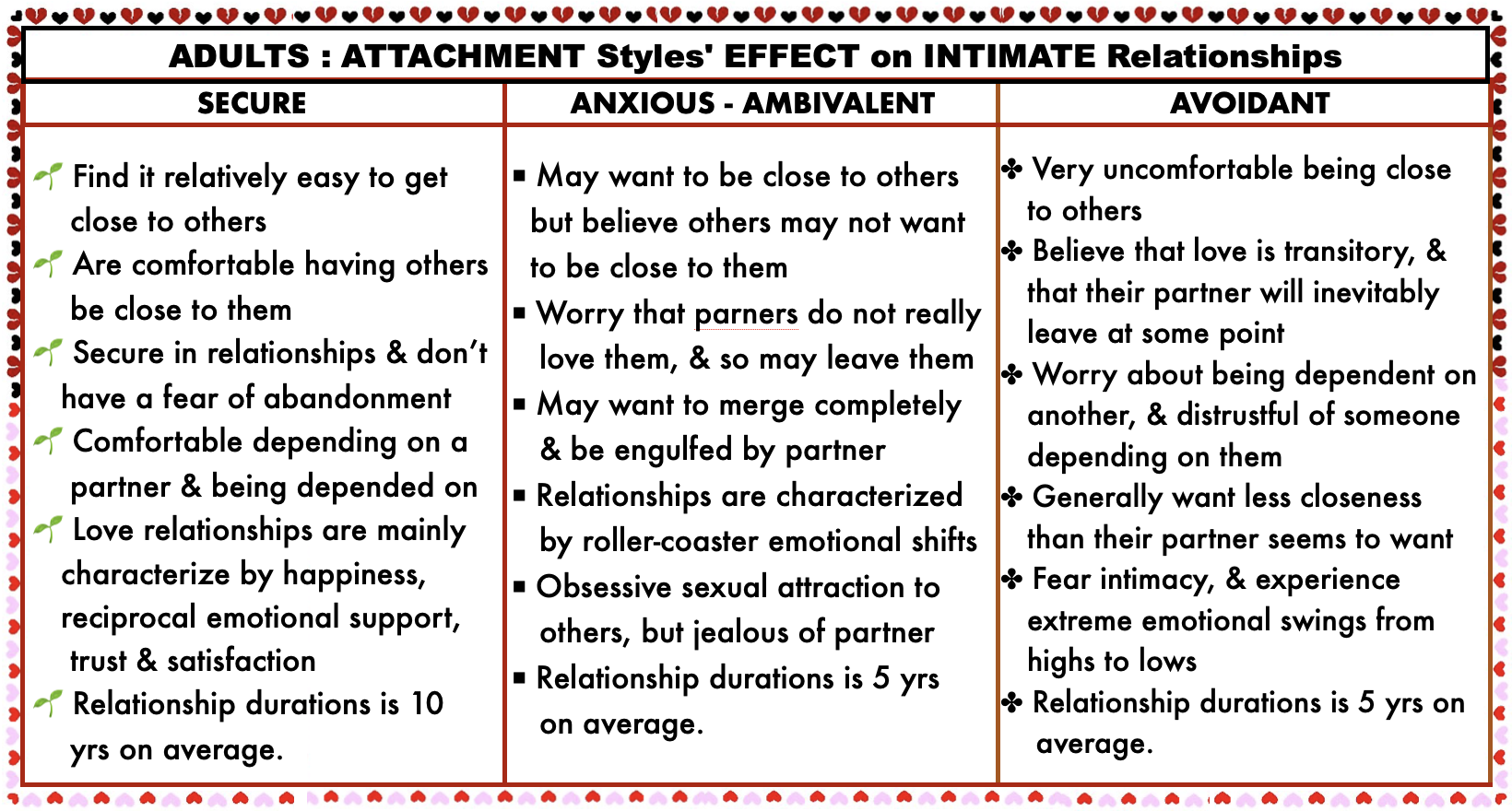
«
«
NEXT : Attachment & Relationships #2
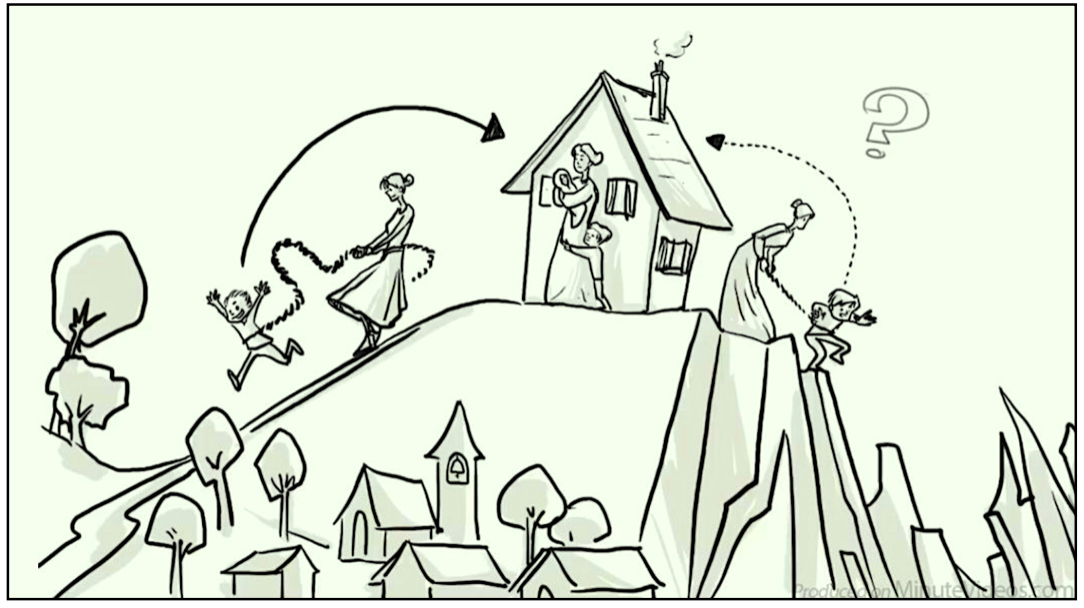 PREVIOUS : Disorganized Attachment, #2
BOOK : ” Family Ties That Bind: A self-help guide to change through Family of Origin therapy”
ME : no / YOU : yes, sort of 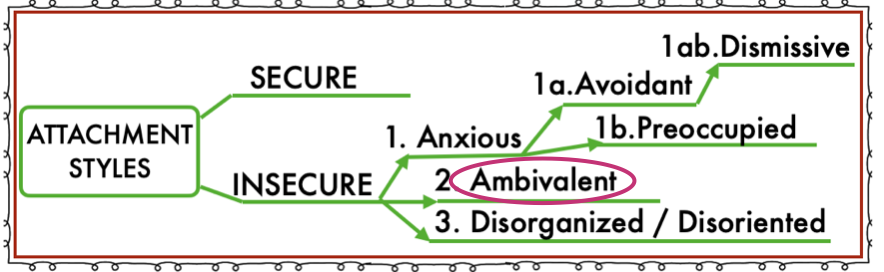
1. Ambivalent CHILD
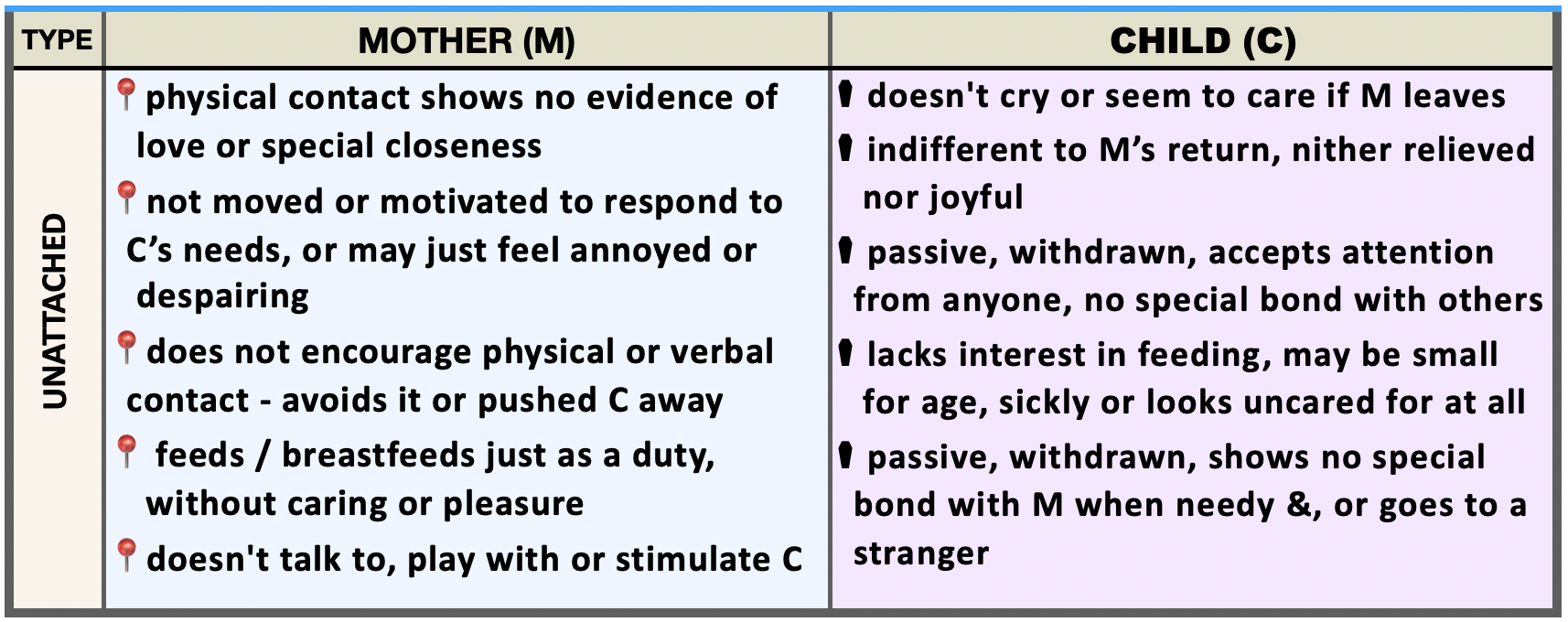
Some researchers consider the Ambivalent style the most disturbing because the child has no consistent attachment strategy, & therefore no real way for it to cope with given conditions.
Research suggest suggest that this style is relatively uncommon in the US (only 7-15 % of infants), consistently linked to low maternal availability – the least responsive & least interactive. These are anxious parents preoccupied with their own needs & thoughts. As a result the child’s emotional anxiety is expressed as anger – with behavioral strategies that focus on attracting & keeping the mother’s attention : ‘If I cling or cry enough maybe I can get her to respond this time’
«
«
A variation is the Ambivalent/ Distracted Attachment.
It develops from mom (& later dad) continually imposing her emotional & mental state on her child, never synchronized to its needs, only her own.
EXP: Mother sees her child distracted, busily playing with toys (attachment light off) but she’s lonely & insecure, wanting someone to bond with (her light is on). She interrupts the child’s focus, joyfully picking it up – it’s her turn to play, as if the child is a doll. The interaction looks good, but when she’s had enough, she’s on to something else. The effect on the child is damaging.
A distorted existence develops in the child as mom continually pushes her own agenda, disrupting the child’s attachment center, causing it mental confusion & emotional pain. The child never knows when its own needs are allowed or if its own signals to connect will be met. So its light is on & will stay on, just in case the parent responds.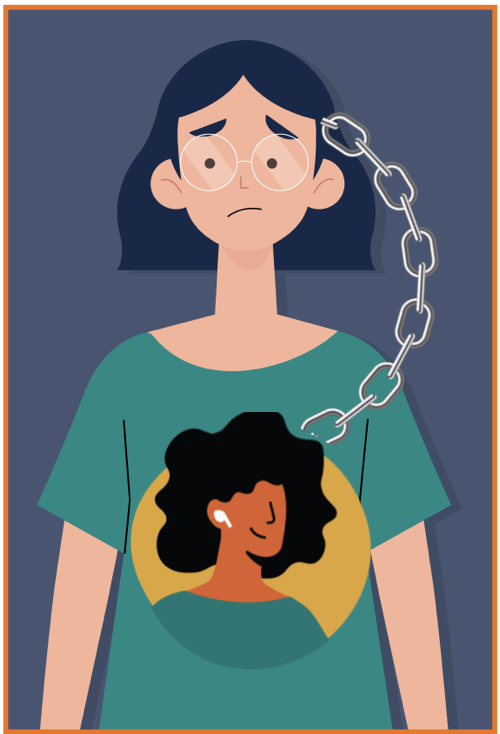 Totally lost, the child has to guess when mom or dad will be ready to bond. Not wanting to miss out, hopefully, on something good (“crumbs?”) —> becomes this highly sensitive, hyper-vigilant child’s main motivation.
Instead – Ambivalent children take care of parents’ feelings & needs rather than parents taking care of children. They feel responsible for the adults, so must always be available & on guard for mom & dad, developing the unhealthy dynamic of the “parentified child”, who can never rest.
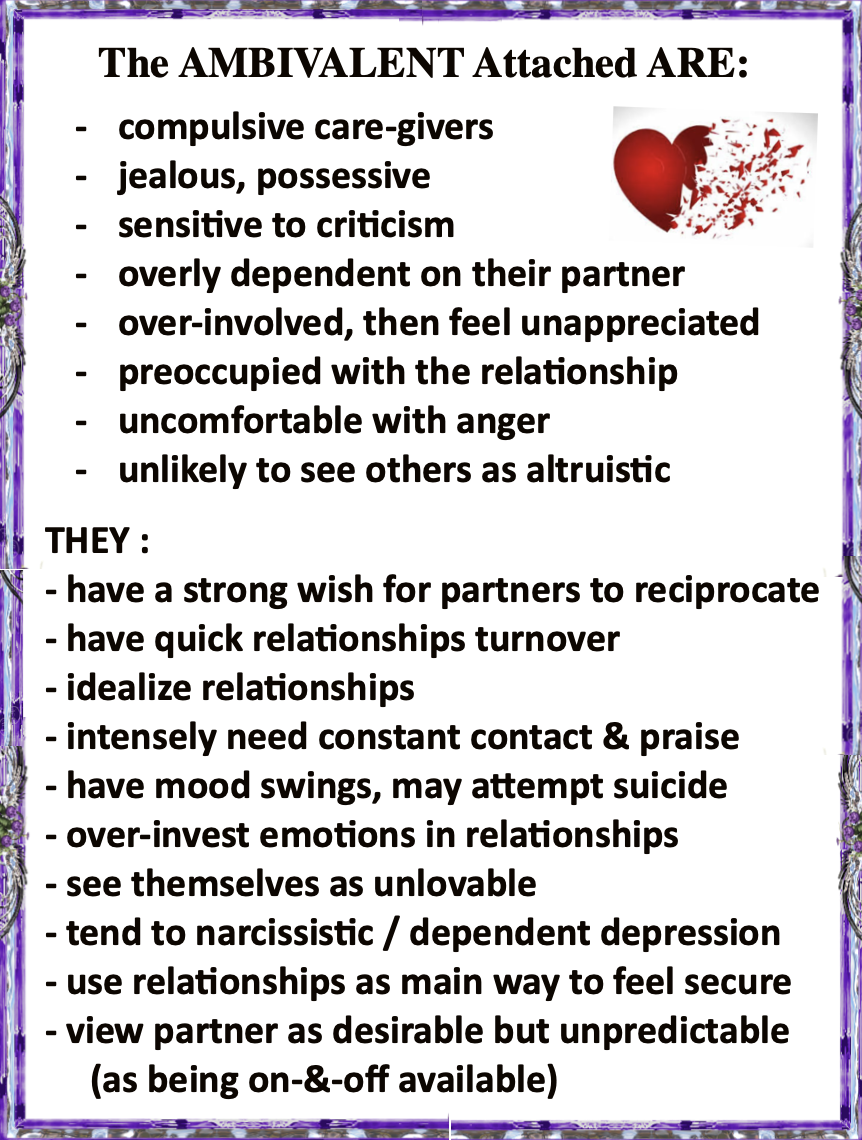
2. Ambivalent ADULTS
These adults are reluctant to get close to others, & when they do they assume their partner won’t reciprocate their feelings. This leads to frequent breakups, often because the relationship feels cold & distant. Feeling over-connected, Ambivalents are especially distraught at the end of a relationship, experiencing high anxiety.
A pathological pattern in Ambivalents is clinging to young children as a source of security (emotional invest). Also, they can develop emotional problems like depression , anger issues. & more prone to developing PTSD symptoms, from childhood trauma.
⬇️ EXP : The CYRANO – effect, the ‘hunger’ for a particular relationship, even though it’s hopeless. (“Cyrano de Bergerac”). 
Ambivalents want to grow closer to their romantic partner than the other would wants or needs, & are still hyper-vigilant = now highly aware of their partner’s every move.
They often use emotional manipulation & guilt to make their partner stay, which can backfire, actually increasing their distress. Being so needy, they can become the pursuer, & look for outside sources to help them manage their painful emotions.
Ambivalents tend to be both anxious & hostile, with a more negative, untrusting view of humanity as a whole. However, because of a pervasive fear of abandonment, they need constant reassurance that they’re loved.
They don’t understand personal space, having weak or no boundaries, so their obsession to be with the romantic partners can become too stifling, which will frighten the other person away.
Ambivalents are in a catch 22 – with a deep need for closeness but can’t trust their partner to be emotionally available. The effect can be disastrous. When a partner doesn’t feel trusted, it erodes the very foundation of a good relationship.
Initially, they might think, “Oh, they just need more of my attention.” Since they’re into you, they’ll go along with it – for a while – until the constant need for reassurance goes over-the-top, then is annoying, then old. The end is close. And when they’ve recovered from the loss, the Ambivalent will try this all again with someone new.
«
«
NEXT :
 PREVIOUS : Disorganized Style, #1
Disorganized Attachment (DA)
BODY : The pervasive state of fear found in people with DA has been seen in trauma & memory research. As adults, they have trouble consciously recalling & verbalizing traumatic childhood experiences, caused by prolonged stress on the brain’s memory systems, particularly the hippocampus & amygdala.
Adding a meaningful attachment relationship (therapist, friend, lover…..) is needed to develop the capacity to mentalize & so to reflect on & resolve a traumatic, abusive experiences.
NOTE: Mentalizing capacity forms within early attachment relationships as a parent helps the young child develop a representation of its own mind, which in turn will help it to communicate with other minds.
MOTHER : Primary caretakes are a psychological & practical mirror, so when a child looks at its parent & what it keeps seesing makes little or no sense – the child has no way of understanding itself or its own behavior.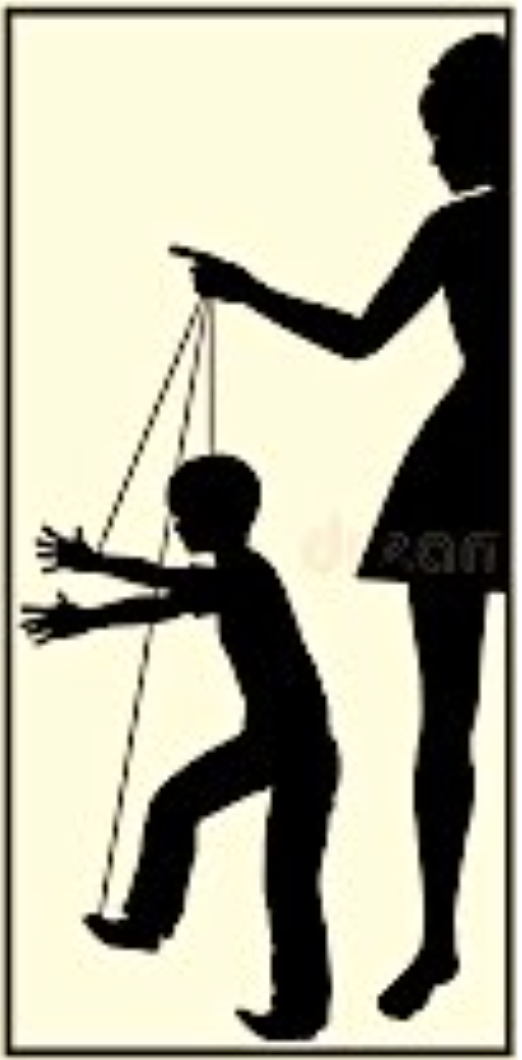
Panksepp (2001) emphasizes that the frontal lobes of the brain integrate basic emotional processes with the ability for cognitive reflection (thinking about oneself). But developmental traumas during infancy leave a child unable to regulate their emotions.
In addition to the come-here-go-away pattern, another cause of DA is the mother’s inability / unwillingness to help the child separate & psychological differentiate from herself (S & I) .
This results in the child’s self-alienation (be the ‘good one’ by disowning their wounded part) & identity diffusion (“Who am I? What do I think, feel, want?”), particularly when the father is weak, powerless or absent.
This relational dynamic has been linked to a form of adult psychopathology in which dissociated hatred of & rage toward the controlling mother are acted out in sexually perverse ways.
FATHER : The need for the father to help the child separate from a disturbed dyadic relationship with the mother is a vital part of the child’s relational experience. His point of view as a third ‘object’ may provide the child with a second chance to form a secure psychological self.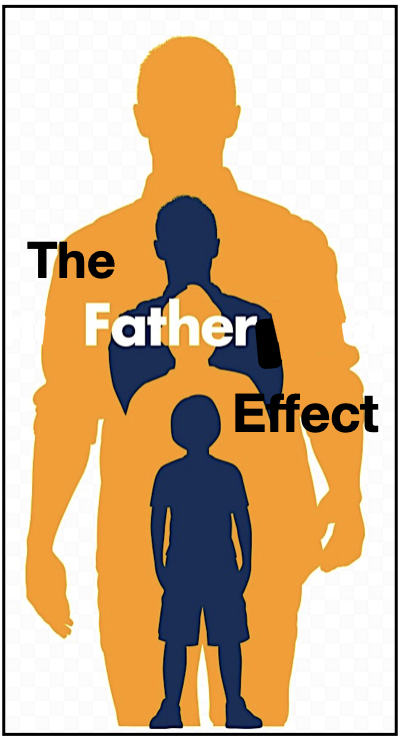
He is the one who can promote the gradual emergence of the child’s capacity for self-regulation & self-restraint, the ability to communicate effectively & share emotional experiences.
Despite the importance of a father to the child’s overall development, all too often they’re actively alcoholic, physically & verbally abusive, emotionally unavailable, &/or totally absent. This lack includes the long hours worked by many men, & the high rate of separation or divorce in modern-day Western society.
When the child’s attachment to both parents is severely disturbed, serious psychopathology is the likely outcome, unless a safe person in its environment is available to buffer or protect it & validate its experiences. The child subjected to persistent parental maltreatment may be diverted from successful personality development, possibly ending in borderline PD or other psychopathology.
↘️ Go to site to see the black dot bounce around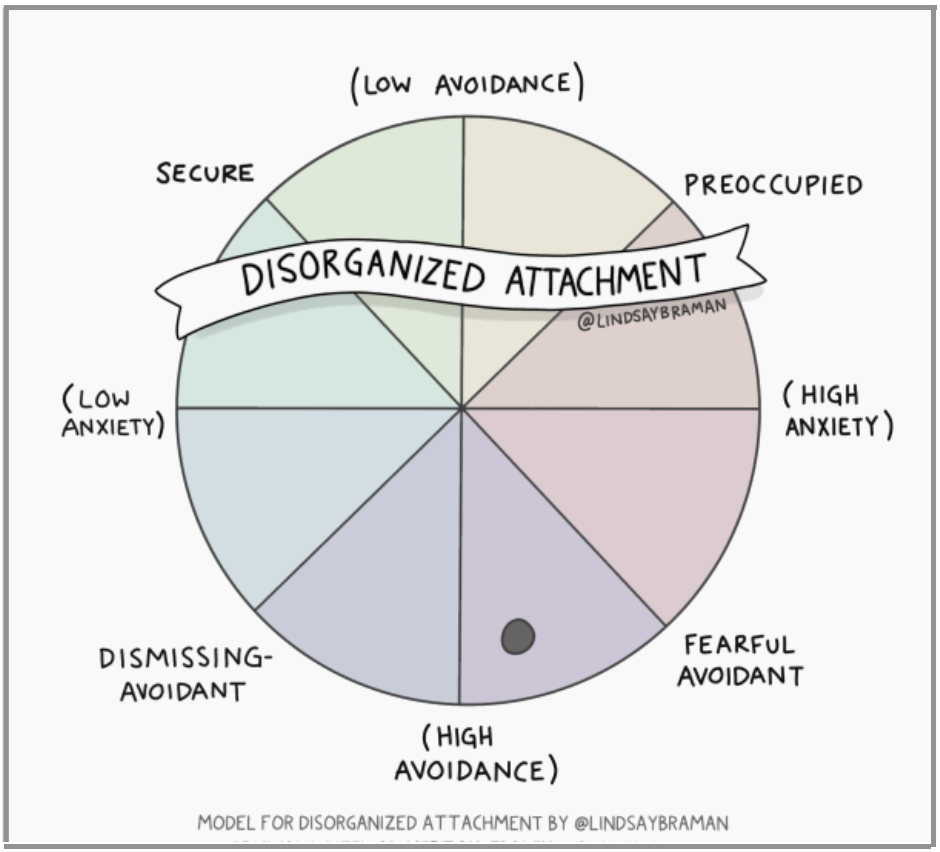
Panksepp (2001) also suggests that all children need the social-physical experience of rough & tumble games, a vigorous form of playful interaction typical of healthy child-father relationships.
Children deprived of this opportunity may experience slower neuronal maturation of the frontal lobes, a developmental delay associated with emotional & behavioral problems, particularly ADD & ADHD
BIOLOGY of Disorganized Attachment (DA)
Infants respond to stress by activating a wide range of behaviors & body responses called the Adrenal Stress Response (ASR).
This not only activates the adrenals, but also the pituitary & hypothalamus glands. Attachment research shows that in emotionally neglected infants & young children with Disorganized-A —> the activity of this pituitary-hypothalamic-adrenocortical (HPA) axis – produced a large increase in the hormone Cortisol , as a reaction to reunion with an absent mother, more so than in other Insecures. (see Part 1)
 Attachment research by Ashman et.al. showed that a mother’s depression during the first 2 years of the child’s life is the best predictor of cortisol elevations at age 7. And a study by Essex et.al of 282 4,5-year-olds showed that maternal depression during her child’s infancy was the strongest predictor of high cortisol levels at the tested age.
In contrast, research by Spangler & Schieche on infant adreno-cortical function – after being separated from a parent – indicated that Securely attached infants did not show elevated cortisol, and that the initial level decreased from 0 to 30 minutes after the end of the test. (
NEXT: Ambivalent Attachent
 PREVIOUS : Avoidant-Dismissive – Growth
SITEs :SITE : ✐ eBooks…. https://janinafisher.com/
✐ “How Disorganized Attachment Became the Most Misunderstood Attachment Style”
DISORGANIZED ATTACHMENT STYLE (DAS)
ME- no / YOU -no
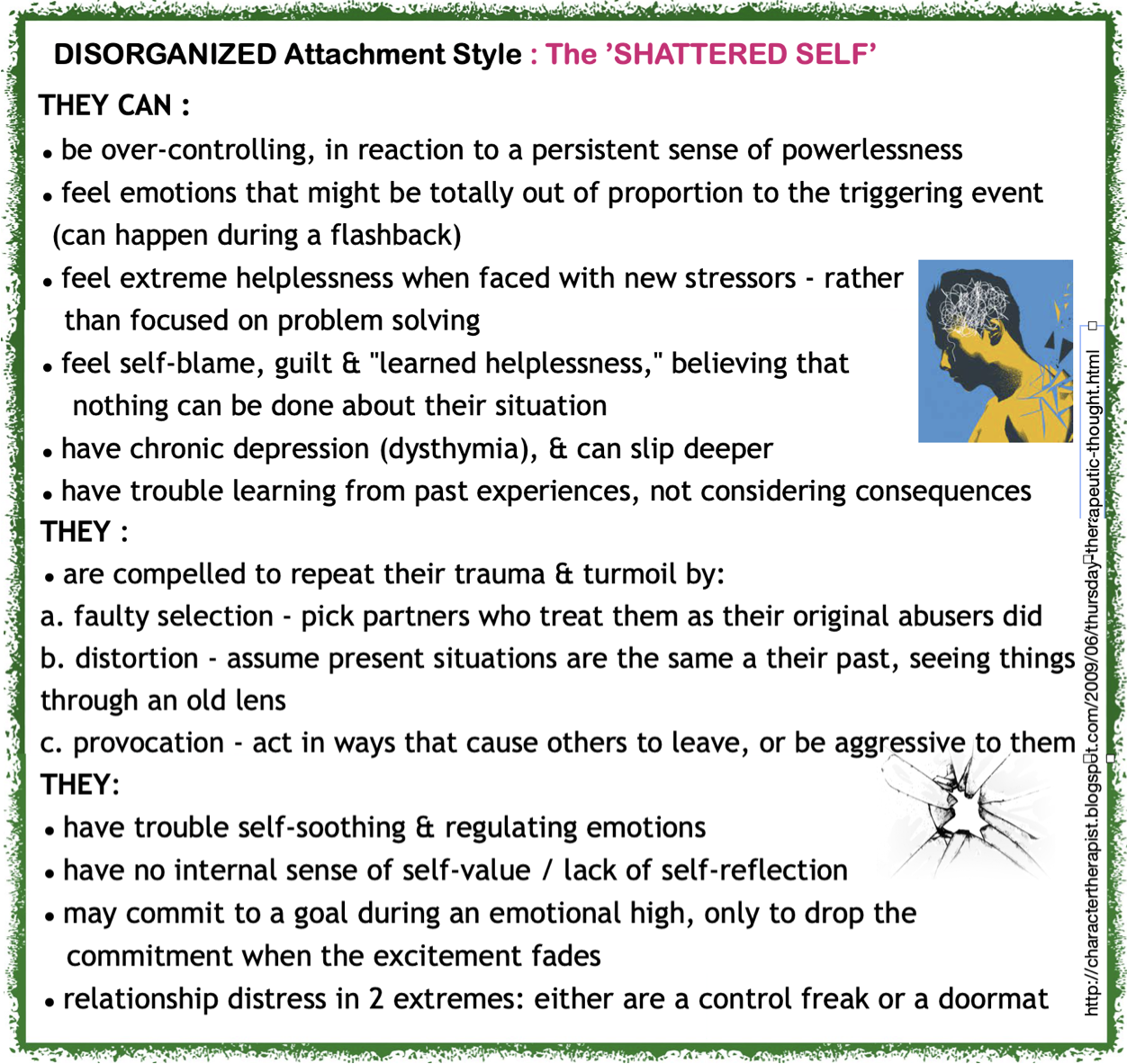
People with Disorganized Attachment experience persistent & pervasive anxiety in life, & are considered to have a “shattered self,” with both a negative self-concept & a negative attitude toward everyone else.
Similar to Avoidants, they don’t believe they’re worthy of love, nor able to get the love they need without being angry or clingy. But unlike them, the Disorganized want relationships, they’re just too terrified.
Also, D-As they don’t believe that others are trustworthy, reliable or able to meet their needs. They expect & are waiting for rejection, disappointment & hurt that will inevitable come.
❗️However, in addition to the internal conviction that everyone else is always going to be abusive, Dismissives believe they deserve the abuse they receive.
BTW – the DAS is not considered a “disorder”, but the unhealthy forms of acting it out are, such as substance abuse, depression, delinquent/ aggressive behavior, abuse of their own children ….
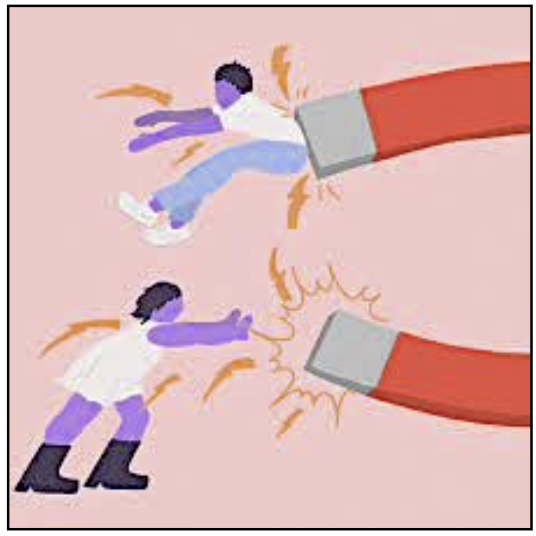 Naturally, many DAS sufferers came from abusive, alcoholic & neglectful homes. But the main thing is that the parent(s) gave mixed signals : one minute pushing the child away, the next minute pulling them close – only to push them away again, a source of both fear & reassurance.
The child felt comforted and frightened by the caretaker, causing deep mental & emotional confusion.
As teens & adults, they will repeat this parental cycle of trying to draw close, panicking, fleeing, then trying to draw near again, in dramatic & inconsistent ways.
Background : This parent / caretaker is herself disorganized, feeling trapped in her own chaotic world, She will have quick, unpredictable emotional reactions, impulsive behaviors & muddled treatment of the child. The sudden shifts (attack, withdrawn, punish, ignore….) ——> leave anyone close to her confused, frustrated & terrified.
EXP : Mother frightened, passive, intrusive…. In reaction, her extreme & erratic behavior makes it hard for the child to form a consistent, meaningful coping strategy. When near her, two conflicting mental signals cause the child’s brain to short circuit – so it psychologically fragments & dissociates.
«
The first brain signal comes from fear-based experiences with the unsafe mother’s scary facial expressions or behaviors that make her feel dangerous. The infant’s brain stem automatically activates a protective reaction for a quick retreat.
The second brain signal comes from the mammalian that wires ant child to attach to an adult figure for protection & safety, & fires unconsciously. When children fear their attachment figure, they’re faced with an unresolvable paradox : the mother becomes both the source of protection & the source of alarm.
Disorganized infants in Ainsworth’s “Strange Experiment” were more often found in ‘high risk’ environments (extreme poverty, with alcoholic, narcissistic &/or mentally ill parents….). These children acted anxious, confused, dazed, & depressed toward the returning parent, & some rocked back & forth. 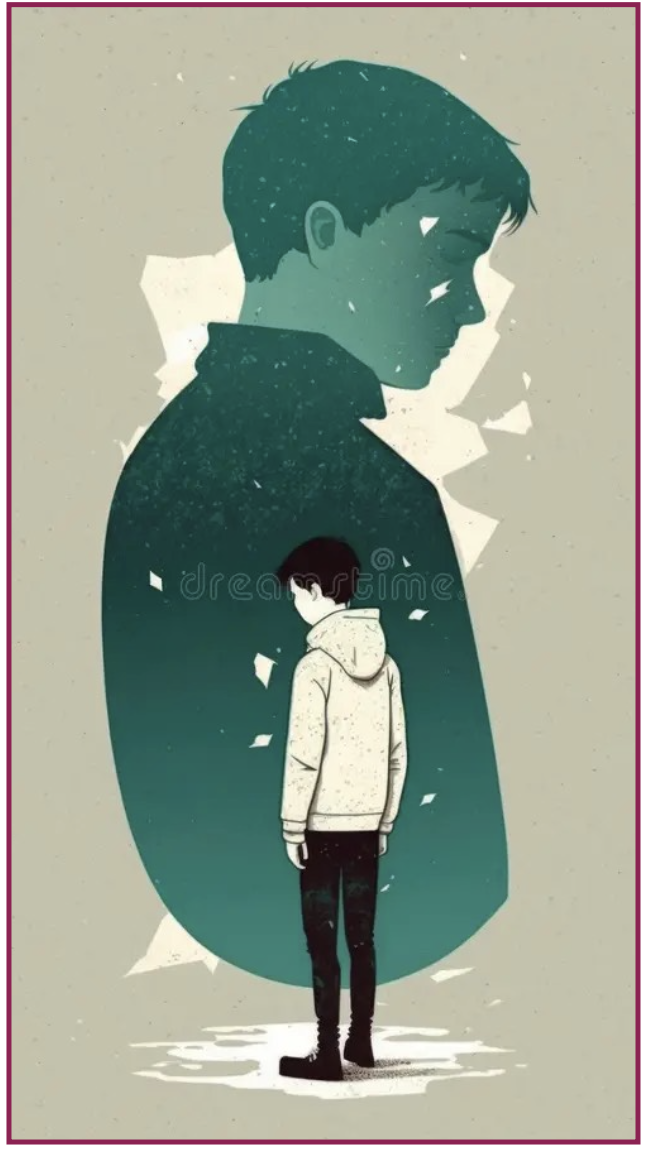
❣️ Some ACoAs still act that way as adults, especially around authority figures. (terrified, dissociated?) See “Laundry List“, point #1.
SEXUAL Responsiveness
Disorganized people tend to swing between anxiety- & avoidance-driven behaviors, creating generally unstable & unpredictable social interactions. This tendency can also apply to their sex life.
EXP : They can express extreme passion & love for someone – one minute – then shut down their ‘attachment system’ during lovemaking, from fear of intimacy, becoming mechanical, emotionally withdrawn & insensitive.
Even more than the Anxious group, Disorganizeds are deeply insecure, but some can cover it with an “I’m too cool to care” attitude, motivated by a “why bother, why risk” avoidance of intimacy. Because they have trouble trusting & depending on their lovers, they’re more likely to choose emotion-free casual sex, which is linked to a higher likelihood of sex addiction. They’re the type who can’t wait to leave after ‘the act’, not wanting to cuddle & definitely not stay overnight.
However, if they do enter a relationship, they often end up with a dominant, assertive partner who will not let the Disorganized ‘get away’. Being chosen by a stronger personality may unconsciously satisfy their need for connection, so they’re willing to be bullied, controlled & manipulated – as a sign of ‘being wanted or loved’.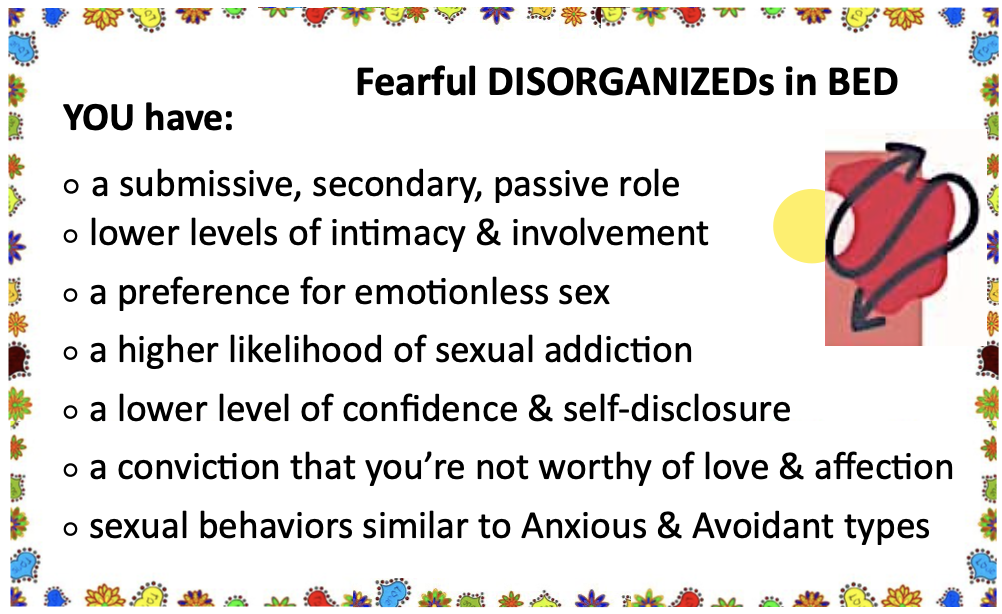
NEXT : Disorganized Style, #2

PREVIOUS:
Multiple Intelligences – Spiritual, Part 6
Dear Readers,
Thank you for your interest in this blog & your continued support.
From time to time I have received objections to my use of acronyms & abbrev.
I would like to offer some thoughts about it:
✤ In the past 10+ years I have written & published over 1,350 posts! I have also written many more that are in the pipeline
✤ Each series of posts (by topic) takes many, many hours, & often weeks, to put together. With my readers always in mind, I go over each one 5-10 times to insure they are clear, logical & the best I can do. It’s inevitable that occasionally I’ll miss something, but Perfection is never a goal!
✤ For each individual post much time is spent researching relevant articles, (listed near the top of the page & throughout), as added-value to the topic. This includes noting references to info from other sources
✤ I also take hours & hours to comb thru images to add flavor & clarity to each post. In many cases, when I can’t find what I want, I take yet more time to combine up to 6 images into the scene that fits the text
✤ I have rewritten many old posts correcting or revising when necessary, & breaking up the earliest ones that were originally too long
✤ I recently revised all the ‘sitemap‘ lists by year (2010-2016) to group topics together that were written at very different times, which also means going thru over 500 of the posts to re-set all their pub dates, as well as all the relevant links to other posts!
✤ Sitting at the computer for hours & hours & hours to do this work is my great love, but I’m a senior (now 77) w/ Fibromyalgia & other physical issues, making the task quite tiring. So I try to find ways to make my life a little easier, which includes a few shortcuts
NOTE: This is not the only place you’ll find such shortcuts, used mainly with phrases that are often repeated, as in my posts.
You may have seen scientific, medical & other type of articles which use acronyms, as well as in AL-Anon (ODAT, ACA, HP….), & psychology (PTSD, MBTI, NLP, MMPI….), medicine (MRI, EKG, CAT scan…..), in everyday life (BLT, FYI, ASAP, VIP….)
MY REQUEST:
Since I have put so much effort & care into this work, would you be willing to put a little extra effort in as well – to learn the acronyms?
Of course, it’s fine if this doesn’t work for you.
Thank you,
Donna Marie
 PREVIOUS : Don’ts – 2e
SITEs : Defend Your Boundaries to Take Back Control
1. Emotional Don’ts – 3 posts in Feb 2018
2. MENTAL Don’ts for Successful
(MHP) Mentally Healthy People (cont)
🔺MHP Don’t – take everything soooo seriously
Being focused doesn’t mean you can’t ever be chill. Almost everything in your life could be taken a little less seriously. By all means, handle things that need to be handled, and treat significant issues with the appropriate level of concern—but you can also find ways to sprinkle in a little humor and perspective, even in the most serious moments. 
There’s a time and place for serious conversations, but the truth is that in business, we choose to work with people who are not only proficient—they connect with us on an emotional level.”
🔺MHP Don’t – think about failure
They make peace with the past & don’t project disaster, using past failures to anticipate potential future disappointments. Since no one
can change past mistakes of the past, they prepared for success. If they do fail, they know they gave it their best shot, & continue working to succeed. They process past experiences to learn from it, but don’t obsess about it. They refuse to live in regret, & can let go of grudges
🔺MHP Don’t – trust data without verification
They know they have to make sure to have their facts right. Impulsive decisions are based on emotions. The best one are based on verified, well-researched facts, use multiple credible sources.
🔺MHP Don’t – try to change another person
As adults, they realize they can’t force others to be the kind of person the MHP would like them to be. They take time to see each person for who they are, & either accept (& enjoy) them as is, minimize contact or stay away. 
In biz, by not bullying someone into doing something they’re asked to, the MHP gives the other freedom to choose, so they experience positive or negative consequences. This frees the MPH from unnecessary responsibility & stress.
🔺MHP Don’t – use “busy” as a measure of success
They know in order to come up with world-changing ideas and businesses, they must create time and space to think. Successful people aren’t necessarily wealthy … but they’re usually happy. Happiness defines their success more than money.
🔺MHP Don’t – underwhelm (limit possibilities)
They not only set a high bar for themselves, they consistently work to reach it & then move it incrementally higher. A good motto to live by is : “Don’t over-promise & then have to under-deliver, and don’t under-promise because of fear. Instead, realistically promise the best & deliver the best.”
🔺MHP Don’t – waste time on unproductive thoughts
They expend their mental energy wisely. No one can be, or should be, productive 100% of the time, or else they wouldn’t have time to rest, process & evaluate their actions & experiences.
Thousands of thoughts go through our mind every day, so it’s impossible to prevent negative thoughts from sneaking in. But mentally strong people are not consumed by them. They think productively, replacing harmful, self-defeating ideas with useful, realistic ones
 Ironically, negative does not always = unproductive. In fact, “dark” thoughts often breed creativity. Some of the most moving pieces of art have been created in “negative” spaces. Letting negative thoughts consume you is different than thinking them and using them to produce something powerful
🔺MHP Don’t – wait for the Perfect time
They go by the motto “Start before you feel ready”. When a major opportunity arrives, they’re going to feel overwhelming & daunting – that’s what makes it major! They don’t let self-doubt keep them from trying.
MHP power through the sense that they don’t have enough experience & can’t meet the challenge. No one ever does! but they use the talents & drive they already have to pursue their dreams. The rest they trust they can learn, & they do!
When they actually get started, excitement turns into energy, energy into action, action into something meaningful – & momentum steps in to lend a hand.
NEXT :
Modified FROM : “8 Things Successful People Never Waste Time Doing”
NEXT:
 HEAL & GROW for ACoAs