SPIRITUALLY-Based Depression (Part 2)

PREVIOUS : Spiritually-Based Depression (#1)

SITE : What is Spiritual Depression?“- in more detail

♥️ re. sad psalms of David 


1. Psychological depression

2. SPIRITUAL depression

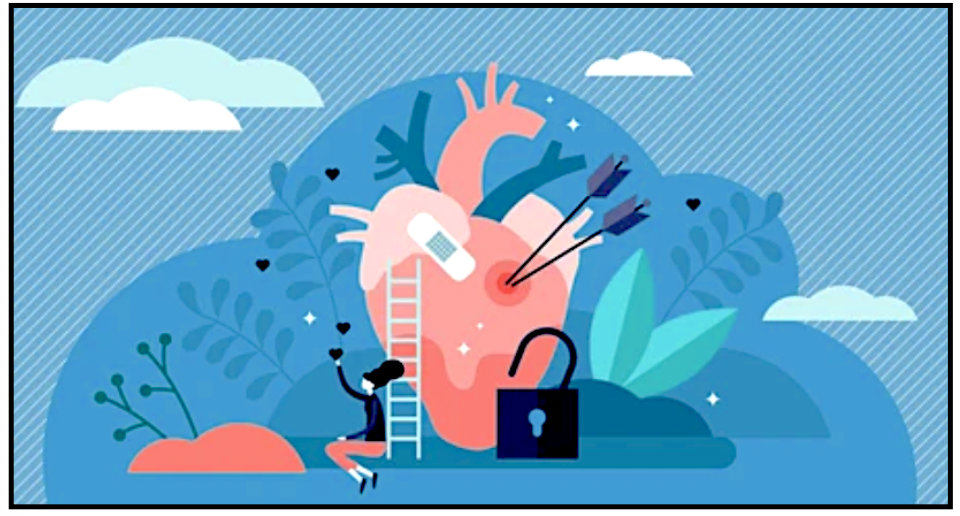
Definition: Spiritual depression refers to a state of emotional & spiritual distress or disconnection from one’s beliefs or sense of purpose. It’s feeling distant from Higher Power, & can be triggered by guilt, trauma, or existential questioning.

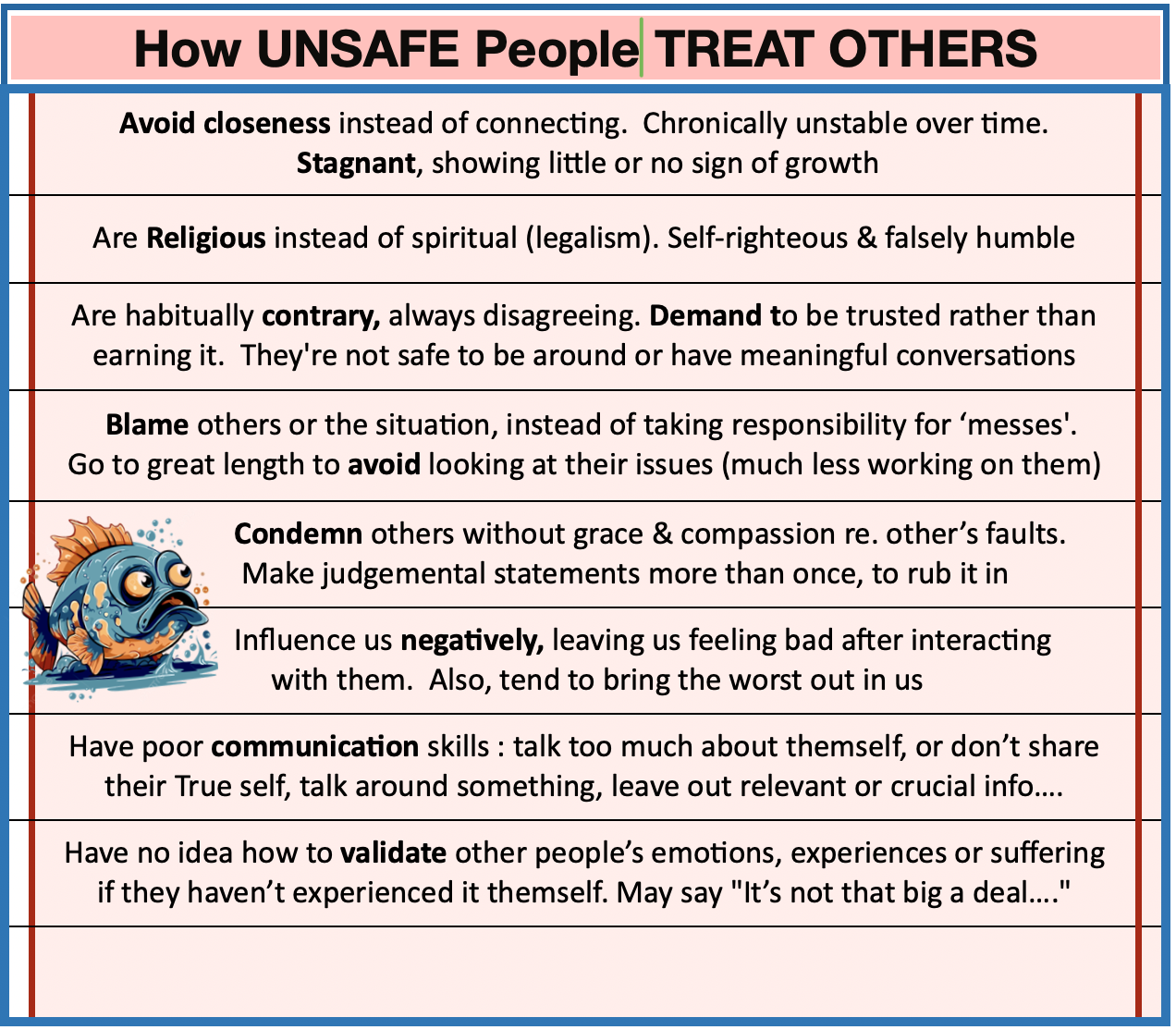
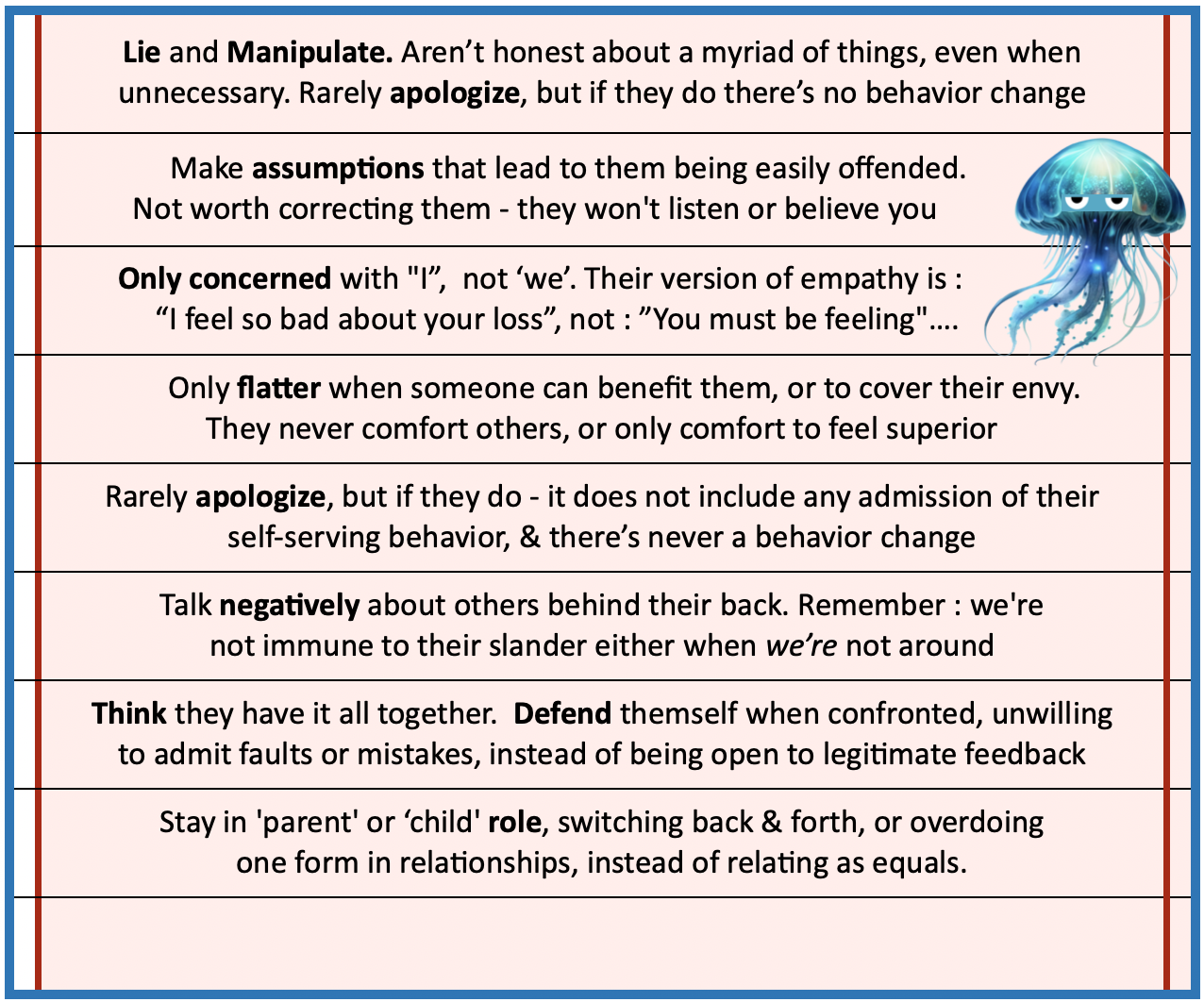
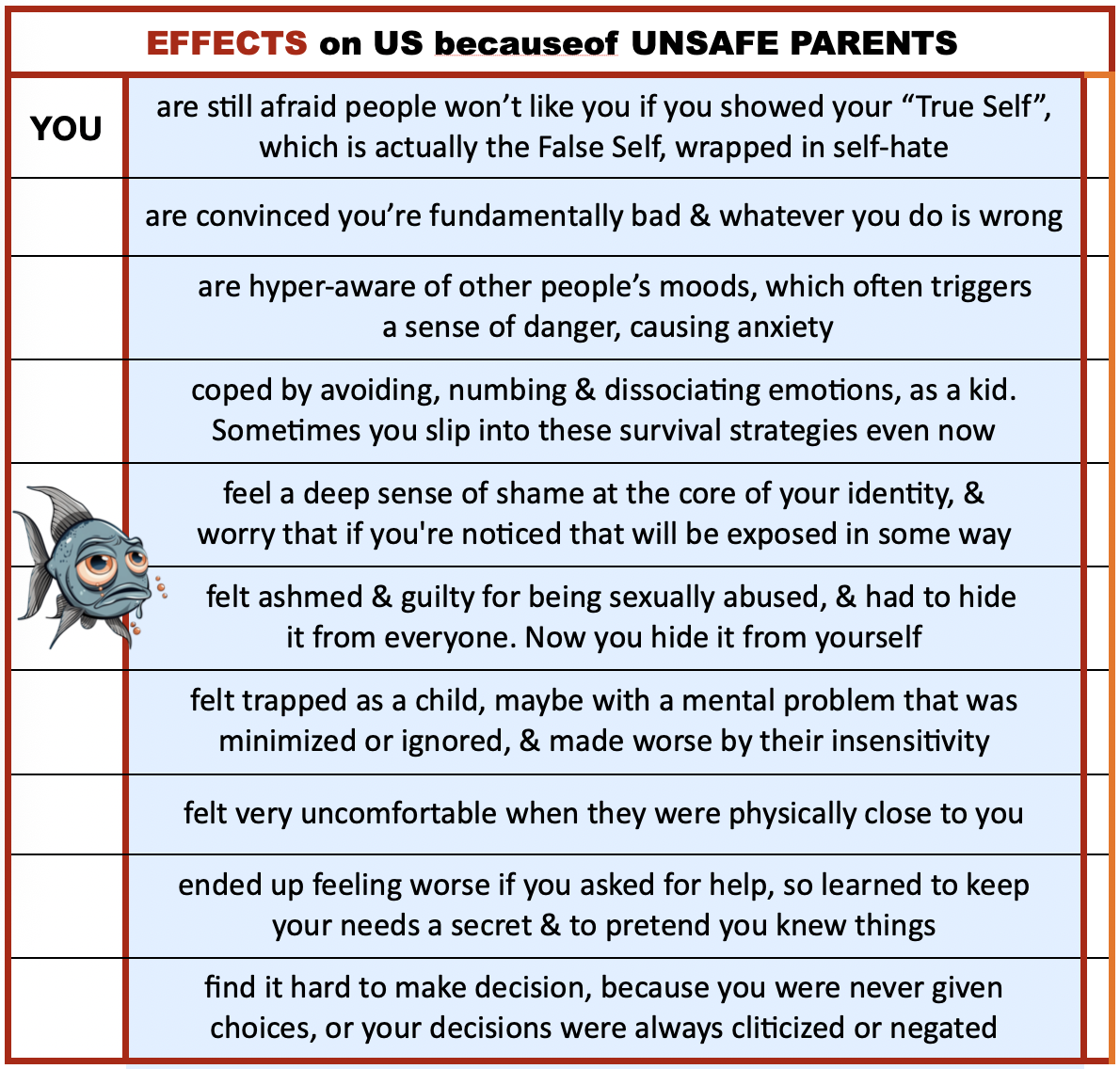
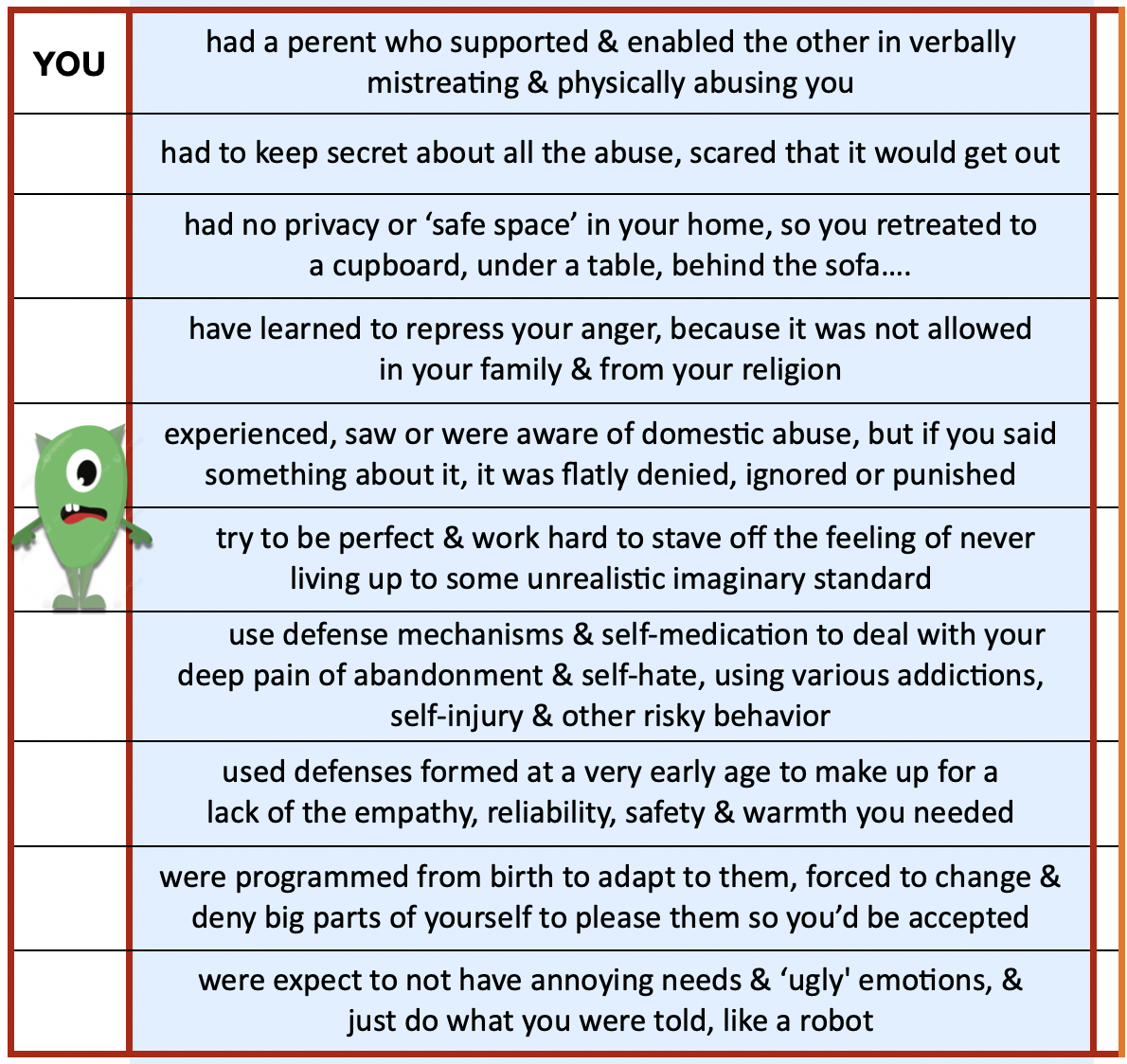
It may be a reaction to coming from a religious background, such as rebelling against rigid family & community rules, projecting abusive parents onto the Higher Power (“parentilizing” ones Deity). Also, ones own unrealistic or unmet spiritual expectations (perfectionism) & an ignorance or misunderstanding about who God actually is.

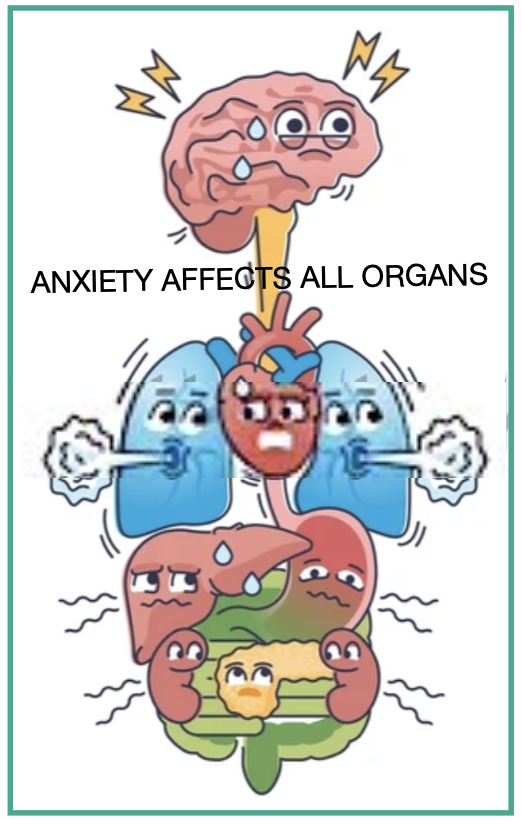
People struggling with spiritual depression have trouble, or an inability, to connect with others around them. Overcome by painful emotions, such as anger, anxiety, despair, guilt, self-doubt…. they tend to withdraw from society. Various physical symptoms often start showing up, like insomnia or general exhaustion, digestive problems & colitis…..

From Protestant minister D. M. Lloyd-Jones’s book “Spiritual Depression: Its Causes and Cures”: Spiritual depression dates far back in human history, into Bible times.

EXP : ❤️‍🩹 In Psalm 42, the writer asks, “Why are thou cast down, O my soul? And why art thou disquieted in me? (ANS”) Hope thou in God.”

In Ps 6:6-7, David moans: 💔 “I am worn out from my groaning.  All night long I flood my bed with weeping & drench my couch with tears….. My God, why are you so far from my cries of anguish?  BUT finally concludes :  “The Lord is a refuge for the oppressed, a stronghold in times of trouble.”

Spiritual depression is more common than we may think. Studies show that up to 50% of practicing Christians will experience a depressive episode related to their spirituality at some point.
A more general US study found that found that 15% of the general population have been struggling with spiritual depression, which may include mental health issues. It left such individuals feeling separate from the rest of the population, even though they are not actually suffering alone.

While recovery may require time & professional support, we can reconnect with God through prayer & reading God’s word about Himself.
Also by developing connections with ourself, others & nature, since these contribute significantly to revitalizing our spiritual life. (See Part 3)

ALSO
🧎🏽‍♂️‍➡️excessive rumination (obsession), repetitive dark, hopeless or negative thoughts (self-hate)
🧎🏽‍♂️‍➡️ trouble moving on from childhood trauma (abuse, neglect)
🧎🏽‍♂️‍➡️ preexisting mental issues (anxiety, autism, severe ADD, neuro-diverse )
🧎🏽‍♂️‍➡️ unable to forgive oneself for past wrongdoings or “sins” (idealism)

NOTE: Sin is one of the leading causes of spiritual depression – going against one’s God-given conscience, & disobeying any of the 10 commandments.
Everyone develops coping strategies for depression, but those who deliberately, continually disregard spiritual rules make matters worse for themself. It brings on more emotional pain, as the guilt of those unhealthy actions & thoughts pulls one further away from our God.
«

«
General Depressive symptoms
√ emotional numbness (dissociation)
√ constant emotional pain —  frustrated, irritable, hopeless, deeply lonely, powerless, sad, worthless….
√ lack of desire to do things once enjoyed, suicidal thoughts or attempts
√ physical problems – little energy, tired all the time, headaches, trouble sleeping and eating, with stomach aches, unplanned weight changes

NEXT : Spiritual depression HEALING  (Part 3)

SPIRITUALLY-Based Depression (Part 1)

PREVIOUS : P.M.E.S. & Self-Care (S-C)

SITE :


STUDIES show that spirituality has many positive influences on our life. One such identifies spirituality by 5 factors :
🔆 Becoming = the progress that one makes throughout life
🔆 Connection = with oneself, other people, & a supreme or higher power such as God or the Universe
🔆 Meaning = what one gives importance & significance to
🔆 Transcendence = experiences that go beyond what seem “normal”
🔆 Value = what one gives value to

☺︎ “Meaning” refers to the significance or interpretation of something – what it basically represents or signifies. it’s a way to identify the inherent good something possesses, & that matters if it can be satisfying all by itself. (Research in the Journal of Personality & Social Psychology)

A UK study led by Vlad Costin defined meaning as : “providing us with the sense that our lives matter, that they make sense & are more than the sum of our seconds, days & years. ….. It is the web of connections, understanding & interpretations that help us comprehend our experience, & formulate plans directing our energies to the achievement of our desired future.”

☺︎ “Values ” are the fundamental beliefs & personal qualities that guide or motivate our attitudes & actions. Values bring meaning to our life, the things we care deeply about & the basis for the choices we make. They indicate the way we treat ourself & others, & our interaction with the world around us. They are not things we achieve or possess, but more like directions we take in order to be a good person & have a worthwhile existence.  (More….).

However, in relation to these 5 factors, there is no universally accepted definition. So when a person experiences a loss of faith or connection to God or a Higher Power, it can look different for each person. Also, clinical depression can morph into spiritual depression, overlapping, which results in a loss of joy about one’s life. This combination can suggest mental health issues, such as having debilitating depressive disorder (lasting 2 weeks or more, occurring nearly every day).

1. Psychological depression is a mood disorder that causes a persistent feeling of sadness & loss of interest – trouble doing normal day-to-day activities, & sometimes feeling that life isn’t worth living. But it’s not just a bout of the blues, not a weakness & one can’t simply “snap out” of it.

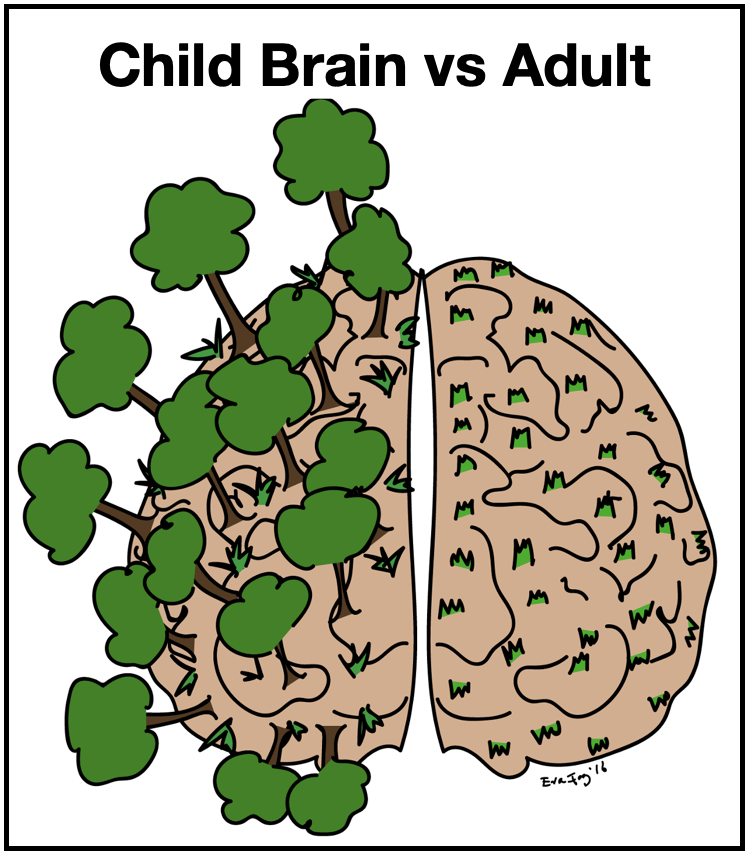
⬇️  CHART shows association between environmental & genetic risk factors –  for the onset of depression in adolescence – cause by the brain-derived neurotrophic factor (BDNF) .  Relative BDNF levels peak in early adolescence & gradually decrease with age.
Abnormal BDNF expression due to genetic & environmental factors during adolescence may trigger onset of depression,  leading to chronic & severe symptoms, with a risk of having a smaller prefrontal cortex & hippocampus, which can cause susceptibility to mood disorders.
Symptoms may include sadness, irritability, feeling worthless, negative thoughts, anger, poor performance or poor attendance at school, feeling misunderstood & extremely sensitive, using recreational drugs or alcohol, eating or sleeping too much, self-harm, loss of interest in normal activities, and avoidance of social interaction.

Depression in Seniors : It’s not a normal part of aging, so should never be taken lightly. Unfortunately, it often goes undiagnosed & untreated, since many can be reluctant to seek help. Symptoms are similar to those at any age, but can also include:
♦︎ Memory difficulties or personality changes
♦︎ More overall physical aches, pain or fatigue
♦︎ Sleep problems &/or loss of interest in sex
♦︎ Wanting to stay at home, rather than to socialize or do new things
♦︎ Suicidal thinking or feeling, especially in older men

CAUSES
♥︎ Biological differences. People with depression appear to have physical changes in their brains structures
♥︎ Brain chemistry. Neurotransmitters are naturally occurring chemicals that likely play a role in depression. Research indicates that changes in their function & effect — how they interact with neuro-circuits involved in maintaining mood stability — play a significant role in causing depression & its treatment

♥︎ Hormones. Changes in the body’s balance of hormones may be involved in causing or triggering depression. This can happen with pregnancy & the weeks or months after delivery (postpartum). Or from menopause, physical health problems such as thyroid disease ….

♥︎ Inherited traits – genetics. Depression is more common in people whose blood relatives also have this condition. (MORE info….)
♥︎ Life factors, including major loss, constant stress, trauma, painful

NEXT : 2. SPIRITUAL Depression, Part 2

POSITIVE 4th Step : “I KNOW WHO I AM”

PREVIOUS :  PMES & SELF-CARE 

SITE :  10 Best Personality Assessments & Inventories


REVIEW

🔆 The TRUE SELF is your ‘native’ personality, unique to YOU (even if you’re a twin), also called the ‘Natural, Free or Unadapted‘ part of the Inner Child.
💚 At its healthiest, it develops into the Adult, which becomes our Executive part. Reminder – for the Adult to be truly functional, it must be relatively free of Cognitive Distortions. BTW – 3 most common unhealed ACA distortions are : B & W thinking, Self-Hate & Mind-reading which leads to Confusion.

The Adapted Child is a core part of us that molds itself to our environment – from the young’s legitimate need to fit in, to learn what’s expected of them, for acceptance & for safety.
** In a reasonably healthy family, this normal Child ego state manages to adapt itself to whatever their culture is, but still retains its natural preferences, which gradually gets express as the child matures – without guilt or separation anxiety !

💔 Sadly, for anyone growing up in an alcoholic & narcissistic family, as our Adapted part absorbs the surrounding dysfunction, it becomes The Wounded Inner Child (WIC), also called the False Self.
(↗️ Post includes ‘True Self’. Review the 2 aspects as Ego States. Also in this chart). (LIST ↘️)
«

«
PERSONAL ASSESSMENT
To do this exercise well, the focus needs to be on the qualities & characteristics of our True Self.  These can be gathered by having thoroughly done several personal inventories, combining the part of each which best apply to you. It’s normal to find contradictory characteristics, which need to get accepted & interwoven by the UNIT to make a WHOLE unique you.

🩶 Remember : the truest parts of us are the ones our Pig Parent don’t want the WIC to own & acknowledge, who believes its trauma training – making it terrified to accept our natural qualities. So stay awake & don’t let it bully you into denying them! Keep saying : “I don’t Agree” with demeaning comments.

CHARTS : Use each bubble as a guide to identify what you know about yourself so far – writing a separate inventory for each.  BASE it on your years of Recovery / therapy, and use your MBTI & Enneagram designations, Numerology, Astrology, O.C.E.A.N. characteristic…. Add all the valid, positive observations / comments / opinions from others about you that you’ve also noticed & agree with.

BUBBLES : IGNORE any issues in each category that don’t apply & add any left out. Don’t try to do them all at once. Start easy – taking one bubble at a time, & one category at a time. As you continue to Heal & Grow, you’ll be able to add more facts about who God made you.
If it helps, list what you know about yourself (skills, natural talents & tendencies….) into PMES  ↗️ or T.E.A. categories.

NO self-hate or recriminations allowed. Be honest and KIND!
«

«
NEXT : Spiritually-based Depression – #1

PMES+ for SELF-CARE

PREVIOUS : Money Madness & Spirituality

SITE: “A Balancing Act….” ⬆️
▪️”Climbing Wheel of Life” AND “Wheel of Life Self-Assessment Tool
💓 “How to be Kinder to Yourself”

Why Is Self-Care (S-C) Important?
The World Health Organization (WHO) indicates that S-C has been linked to various benefits, such as : preventing disease, helping people cope better with illness, & encouraging longer life. ALSO encourages to :
◽️ Find a sense of purpose in life
◽️Improve energy, resilience & happiness
◽️Improve sleep & encourage exercise
◽️Reduce anxiety & depression
◽️Reduce stress & burnout
◽️Strengthen interpersonal relationships

PHYSICAL
To think & feel better we need to take care of our body, since there’s a strong connection between it & the mind. Physical  S-C is about :
☀︎ what we eat, how much sleep we get, how much physical activity we do….
☀︎ keeping healthcare appointments, taking medication as prescribed… To keep the body running as efficiently as possible, identify areas that need attention, & list the actions needed to make improvements.

MENTAL
Our beliefs & the things we keep filling our mind with – greatly influence our psychological well-being.
Mental  S-C includes doing things that fuel our mind & keep it sharp, like puzzles, learning about a subject that fascinates you, figuring out a new hobby …. Best results come from constantly disagreeing with the Bad-Parent Introject, and by comforting the Inner Child.

EMOTIONAL
It’s crucial to develop good coping skills to deal with uncomfortable emotions (anger, anxiety, sadness….). Emotional s-c includes the internal ability to gently comfort oneself, along with identifying & coping with past triggers & present stressors.

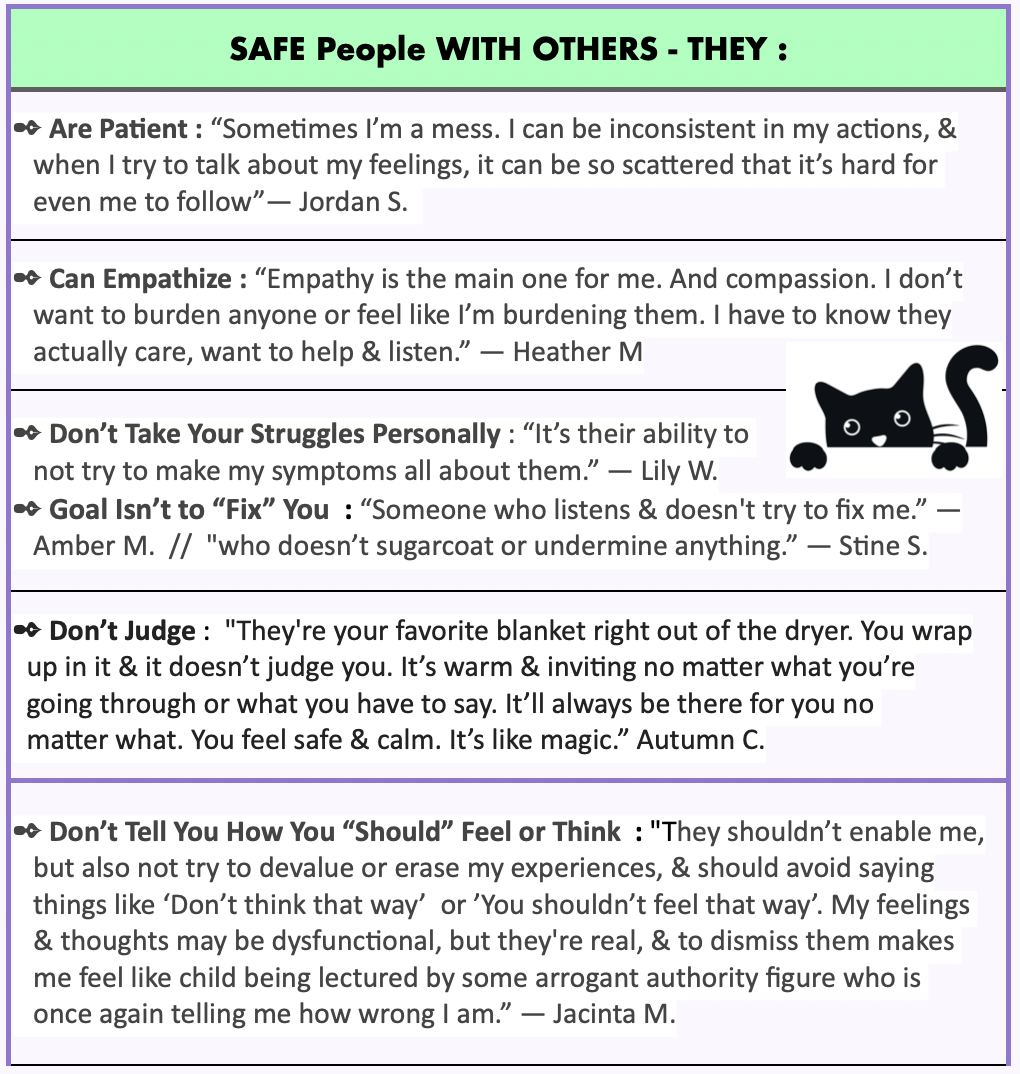
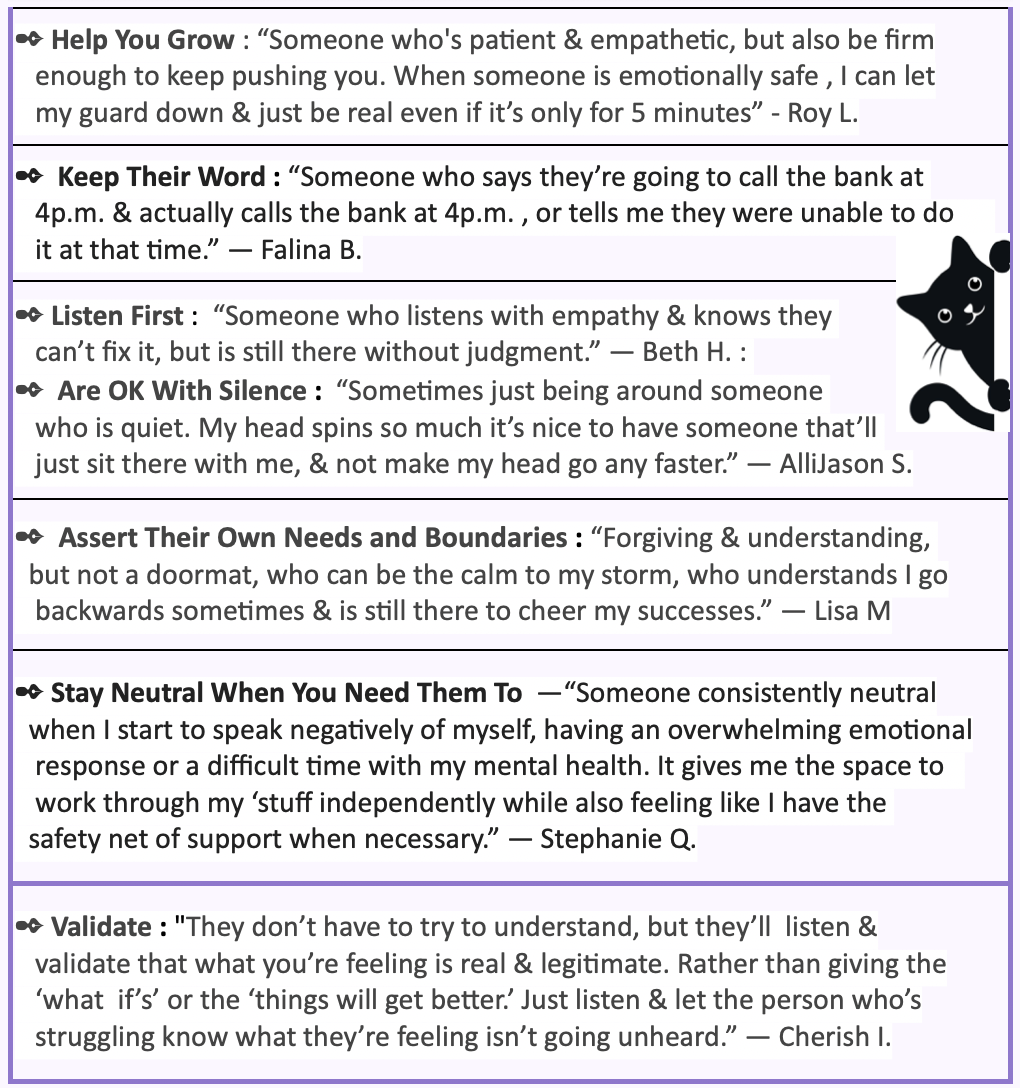
A variety of activities are needed to help us acknowledge & regularly express emotion – in appropriate ways. S-C includes having safe people to unburden ourself to who are empathetic without trying to fix us. Another ‘tool’ can be to make time for leisure activities that allow us to relax & process our emotions.

SPIRITUAL
Research shows that a lifestyle including religion or spirituality is generally a healthier one. Nurturing our spirit will involve a daily spiritual practice, such as attending services, prayer & Bible reading. It can be anything that helps us develop a deeper sense of meaning, understanding, or connection with our place in the universe & what our life’s purpose is.
SOCIAL
Socialization is an important part of S-C, but it can be hard to make time for friends – beyond family & work obligations – so it’s easy to neglect other relationships when life gets busy. A few close connections are important for well-being, so we need to consciously pay attention to develop & maintain them by putting time & energy into the effort.

Everyone has different social needs. The key is to figure out what our personality & lifestyle can handle, building enough time in our schedule to create an optimal social life. EXP: Introverts need more alone time, while Extroverts crave more activities.

DEVELP a Self-Care PLAN
An effective plan needs to be tailored to your specific needs & life-style – created by you, for you. Customizing your own plan can prevent getting overwhelmed, & burned out.
Identify which categories of your life need some more attention & plan accordingly. Reassess your life often, because as situations changes, your S-C needs are likely to shift too.

Assess your Needs for the different parts of your life, & the list the main activities of your every-day (work, study, family, friends, fun, food, rest…) (POST : 3 categories of NEEDS )

Consider the Stressors in each of these areas, & list ways you’ve tried to deal with them – so far – that have not worked, & come up with new & better ways to minimize them
Research & implement S-C activities that will help you feel better in each category of needs.
EXP : Choose healthier friends, develop boundaries, cut out the narcissists…. that will build healthy social connections.

Become mindful of areas of life you’ve previous ignored, & consider what you’ll need tp do fill in those blanks

Take small steps you can handle right away- emotionally & practically. Change is usually slow, so don’t try to tackle everything at once. What matters is perseverance

Schedule ME-time. even when you’re convinced there’s no time to squeeze in one more thing. Make self-care a priority. As each part of yourself is attended to, you’ll be more effective & content. (VeryWellMind)

SITE: “Normalizing self-care for men

NEXT: Spiritual depression

ACoA – LIVING in Personal GROWTH

PREVIOUS : Resentment Recovery

SITE : “Drop the Rock – Removing Character defects

POST: ACA 12 Steps


SELF-AWARENESS Qs
This list can be used as Inventory or as prompts for Journaling.
✦ Take ONE at a time – think bout it, before you write.
✦ You can jump around – pick the ones you want to answer first.  Some will be harder, & some won’t apply to you. MAKE it FUN.

✦ If you’re ambitious & curious to see what comes up — you can do 5 (brief) responses to any one of these Qs, from = the healthy Adult, the natural Kid, the wounded Kid, the healthy Parent & the Toxic Parent! You may be surprised what they each have to say! (Read summary of the 5 “Ego states“, then the expanded versions – 21 posts, Apr – May, in 2013. )
«

«
Validating our RECOVERY
Growth lets us slowly uncover & appreciate our True Self (see “Positive 4th Step“) – the person we were born to be, & are responsible for developing. 

«

«
Maya Angelou stated, “Do the best you can. Then, when you know better, do better.”
«

«
Self-regulation is the ability to control behavior, by managing your thoughts & emotions in appropriate ways. Regulation-actions are ‘coping skills, used to influence a person or group, have a desirable or socially acceptable outcome to a goal, or get a beneficial, self-determined response to a stressful situation. (2024 includes 29 posts on this topic)
«

«
💠  Personal Accountability : “The price of innocence is impotence”. ~from Conscious Business, by Fred Kofman

The Bystander is : a Blame-thrower, focuses energy on things beyond their control, sees Self as victim of circumstances. Uses 3rd person language
A Player is : Response-ABLE, focuses on their own area of control or influence.  When things go wrong, looks for explanations that include themself.  Uses “I” language
«


«
NEXT
: PMES + for SELF-CARE

RESENTMENT- RECOVERY

PREVIOUS : Resentment – and FEAR inventory

SITE : “Quenching the Flames of Resentment” 


PPT = People, Places, Things

IRONY : “We have to get healthy enough to know how wounded we’ve been”. As we recover, instead of being totally immersed in our damage, the contrast becomes glaring, sometimes painful, but very rewarding & empowering.

Resentment is about not getting enough of our human needs met from our original family, & maybe from a society we were stuck in. So now – we’re waiting  / expecting / demanding that others provide all of them. That presents several problems. WE….
❤️‍🩹 ….. have to start by figuring out what we actually need, but have been brain-washed to not know what they are, & to deny any that show up from time to time – oh horror!
☁︎ …… compulsively  pick people who absolutely can not provide even our basic legitimate ones, then insist they have to! No matter how they disappoint, we keep chasing the impossible. (Post “Serenity Prayer backwards“)
🧰 ….. have not yet learned to grow a Loving Parent voice that would help heal the WICs (Wounded Inner Children), to comfort & guide them out of their Self Hate & Abandonment wound.

SO, to work on letting go of resentments – no matter how justified –  we must consistently meeting the needs we can every day, and actively search for & stay with PPT that can help provide those we can’t or don’t yet know how to.

When we’re ready to work on outgrowing our resentments – slowly, the WIC needs to know that we can be angry & hurt  without blaming ourself or attacking others. AND that our main reliance must be on our Adult voice, from our True Self, and Higher Power,  as in Steps 1,2,3.

LETTING GO of Resentments
1. Start by identifying the root causes – a journey of self-discovery, peeling back the layers. It allows you to stop the cycle of resentment, to find accurate resolutions. You’ll be able to find your voice to communicate what you truly want, instead of silencing your needs.

2. Make separate inventories of what’s important to you, & what you need to support your healthy boundaries.  What would it take for you to “settle the score”? Are you looking for an apology, &/or an explanation? Or are you looking to make amends.

3. Keys to handling any unresolved conflict include :
√ acknowledging where you stand on the issue that upset you
√ saying what you need in order to heal 
√ identifying your expectations of yourself & other(s)

STRATEGIES to Overcome Resentment
🕹️ Cultivate Empathy : Stepping into the shoes of others to understand their perspective helps develop Empathy, which is a great way to start shifting out of the resentment-trap. You may realize that most people don’t intentionally set out to hurt others (me)

🕹️ Express Emotions Constructively : First – give yourself permission to recognize & own all your emotions. They won’t lill you – they’re just feelings & they pass if you don’t obsess. Instead of sitting on them learn to express them in a healthy, non-confrontational ways.
Allow yourself to feel them, express them and move onto a safe space where you can heal

🕹️ Lean into self-compassion : Find ways to practice self-love & compassion – it will set you up for success now & in the future. Also, it will help you recognize that when you’re resentment-spiraling, you can be your own best friend.   But it’s OK to ask for support, because shifting out of resentment alone is not easy.

🕹️ Practice Forgiveness : This is maybe the hardest step, but also the most rewarding. Forgiveness does not mean forgetting or excusing harmful behavior, but rather freeing yourself from the burden of anger.

🕹️ Practice Gratitude : Putting this into action can take years of practice. When folded by doubt & negative thinking, consider the PPT that bring you peace & positivity. Try keeping a gratitude journal to keep track of all the things that make you happy & improve your health & wellness

🕹️ Practice Mindfulness : Being regularly, gently aware of my thoughts & emotions lets me catch a resentful attitude before it spirals out of control

🕹️ Use Professional Help ++ : The roots of resentment run deep,
🌱 so the right kind of professional guidance can be crucial in unpacking complex emotions & beliefs.
🌱 Because we are Spirit Beings, participating in a religious community which encourages our connection to Higher Power can relieve resentments by teaching spiritual principles, & providing both comfort & support.
🌱  Also, for many people, various 12 Step Programs have proven a life saver !

NEXT :  ——–, Part —

RESENTMENT- FEAR Inventory & Recovery

PREVIOUS : Resentment – Inventory Chart

POSTs  : ☀︎Controlling & Abandonment
☀︎ACoAs Abandoning Others  (#1a)


ALL ROADS lead to…… 
Although we’re most familiar with resentment being fueled by anger, if we dig far enough into our inner world, it actually stems from ACAs’ most basic & overwhelming fear of abandonment (FoA) we still carry in our body & soul. This core anxiety is an accumulation from all the years we experienced abuse & neglect growing up, in all 4 PMES levels = Physical, Mental, Emotional, Spiritual

Connections Between Resentment & Fear
📌 Cycle of Emotion: The interplay between fear & resentment creates a vicious cycle, the first slowly leading to the second, which in turn can worsen the fear, especially in close relationships

📌 Defense Mechanism of resentment – developed against deep feelings of vulnerability or inadequacy (S-H). It lets you project your fears on to others rather than confronting them directly

📌 Fear of Loss: Resentment can be formed by the anxiety of potentially losing something valuable, such as a special relationship, status, or opportunity. When you think of or actually notice that few of your needs are not being met – or not at all – you can feel resentful toward those you believe – or definitely know – are responsible

📌 Fear of Rejection: Resentment may develop when you’re  afraid or potential rejection & isolation. This can make you react in ineffective or self-defeating ways in reaction to slights or injustices

📌 Fear of Vulnerability: you may become resentful when you feel a threat to your physical  or emotional safety, or self-esteem. This fear can lead to being defensive & judgmental to others .
«

«
ACAs ADDRESSING Fear  : All the 12 Steps help us deal with fear, even when we aren’t sure what we’re afraid of. But Step 4 is essential to understanding that emotion. It  encourages us to confront & accept our specific fears rather than avoiding them. This is required to break the cycle of any addiction, & build a foundation for long-term recovery

☀︎ Naming the Fear: A crucial goal of Step 4 is to identify & admit specific fears. That way we can understand their origins & how they influence behavior

☀︎ Seeing the Impact: Honestly identify how fear has shaped our  decisions which have affected our life, helps us see the broader impact on ourself & others, seeing the patterns of behavior that we’d like to change

☀︎ Building Courage: Taking a moral inventory requires courage. Sharing these fears with a sponsor or trusted member – of whichever Program you regularly participant in – can provide support & validation, helping to soothe our fear of judgment & abandonment.

Using the 12 Steps to deal with Fears
They provide a structured approach to recovery, emphasizing the importance of honesty, self-reflection, & spiritual growth. (AA Fear Inventory Example & Worksheet )
🔅 Admitting Powerlessness: Step 1 involves admitting we are powerless over any addiction & that life has become unmanageable – because of it/them. This often means being able to face our anxiety about loss of control. Then in steps 2 & 3, we ask for the Power greater than ourself to help manage our life

🔅 Taking a Moral Inventory: Steps 4, 5, 6 & 7 tell us to courageously make a list about ourself, then admitting any wrongs to God & another person, & become entirely ready to have them removed. We rely on Higher Power to strengthen us to uncover & address all our deep-seated fears  (ACA 12 steps Version)

🔅 Making Amends : Steps 8 & 9 focus on making amends to those harmed by our fear-based actions, which require facing others’ possible angry reactions or rejection

🔅 Seeking Spiritual Growth: Steps 10, 11 & 12 emphasize continuous inner reflection & spiritual growth, which helps build resilience when facing our fears. (REVISED – updated – AA Version)

NEXT : Resentment RECOVERY (Part1)

RESENTMENT – Inventory Chart

PREVIOUS : Effects, #b


AA’s Step Four : Listing our resentments

From pg.64 in the Big Book
“In dealing with resentments, we set them on paper…  Aside from confusion, the second obstacle some of us have encountered at Step Four has been in the short-sighted belief we had no resentments. Even if this is the case for you – just proceed by making a list of “people, institutions or principles” who you are still or have ever been angry with.

If you’re having trouble making the list, just think of the “complaints” you’ve had over the years (& might still have) against other people & situations that said or did things that bothered or aggravated you ( and some not directly done to yourself).  Don’t worry about how few or many names you think of at first. Just start a list of “justified grudges” you can remember having against others….

Remember, this is not about your character defects – that’s a separate list.
🥸 Value of doing this exercise is TO :
♦︎  clarify emotions & identify patterns in relationships or situations that trigger resentment, promoting better connections
♦︎ encourage self-awareness & promote emotional healing, leading to personal development
♦︎ get emotionally & spiritually honest, which builds integrity & can highlight your values
TO:
♦︎ identify your specific needs & goals, by seeing what hurts or blocks you from others
♦︎ minimize ‘vagueness’ & denial – common mental states for ACAs – by getting clear about what’s going on in you head
♦︎ potentially resolve ongoing conflicts with others (if possible & if they matter to you), by correcting miscommunications
♦︎ eventually use as a list for Steps 8 & 9 – whenever making amends is appropriate.

⬇️ Suggested situations & people who may have or still do upset you.
«

«
⬇️  As guidance to filling in these columns, use the EXTENSIVE explanations of the 6 categories at “RecoveredOnPurpose” site, covering many areas, ++ worksheets, guides, support…..
ALSO : Info for Resentment & Fear Inventories

Combine these 2 forms – extending them as far down as needed. Below them is a suggested list you can apply to #3, & the narrow column identifies needs, interests & goals for #4. (see many Variations of this CHART). FYI – I added the 6th column.
«

«

«


«
NEXT :

RESENTMENT- Effects ( Part 3b)

PREVIOUS : Resentment – Effects (#3a)

SITE:  Impact of Resentment on Different Areas of Life” – (extensive info)


The Downside of Resentment
While resentment may have been helpful at first, what started as a way to avoid painful emotions gradually creates a cycle of bitterness & isolation. As a persistent attitude, its protective qualities become self-destructive, increasing the risk of mental health struggles.

❤️‍🔥 The negativity it carries often turns inward, eroding self-worth & well-being.  In trying to avoid feeling powerless, it ends up creating a psychological straitjacket, eating up huge amounts of mental energy used to keep ranting about actual physical abuse, & real or assumed emotional injuries.

Resentment’s quiet suppression of trauma can turn into a rigid & tense mental pattern stuck on a hamster wheel. The brain is hoarding unresolved emotions & thoughts hoping for the chance to be heard someday. So, while holding onto resentment is draining, it keeps a small spark of hope alive, preserving the possibility of future resolution.
In extreme cases, resentment can drive a person to lose touch with their own values & sense of self, longing for revenge. If the hunger for retaliation stays unfulfilled, the person feels defeated, a hopelessness that leads to depression. These limitations make it harder to break free.

Emotions live in our body as well as in the mind. A 2018 study in “Health Psychology” found that adults who held onto anger & hostility more than a decade experienced greater cognitive decline than those more apt to forgive.

While completing a physical test, participants in another study were asked to think of a conflict when they did not forgive someone. Those who said they were able to forgive —> felt they had a lighter physical burden, able to jump higher & perceived hills to be less steep – compared to the grudge-holders who were unforgiving & perhaps more pessimistic .

NEGATIVE EFFECTS of ⚡️ Resentment & Bitterness ….
🩺 Accelerated Aging
….can lead to premature aging of the skin, making you look older than your actual age.  Possibly one of the most surprising physical dangers is its potential to accelerate the aging process. Stress-induced inflammation has been linked to cellular deterioration & shortened telomeres (the protective caps on our DNA strands), associated with a higher risk of age-related diseases like cancer & dementia

🩺 Digestive Issues
…..can disrupt the delicate balance of the digestive system. The gut has been called our “second brain” because of its close connection to emotional well-being. Stress-induced changes in gut function can lead to acid reflux, irritable bowel syndrome (IBS), indigestion….. Also, emotional distress can leading to over-eating or under-eating

🩺 Elevated Blood Pressure
….. can raise blood pressure, a very real risk factor for heart disease & stroke. When in emotional turmoil, the body goes into fight-or-flight mode, causing the heart to pump harder & faster than usual. Over time, this extra strain on the cardio-vascular system can contribute to hypertension, which can also cause chronic kidney disease or failure. At the extreme it more than doubles the risk of mortality
                            ⚡️   Resentment & Bitterness ….
🩺 Increased Stress Levels
…. can lead to a host of physical issues.  The body’s stress response is continually activated, leading to anxiety, fatigue & irritability, because it reduces the brain’s production of oxytocin & raises cortisol levels. Stress leads to chronic anger, anxiety, & depression, along with spiraling negative thoughts, making it hard to experience positive emotions

🩺 Insomnia and Sleep Disorders
….can wreak havoc on sleep patterns. When consumed by negative feelings, the mind races, making it hard to relax & fall asleep. Even when we do manage to drift off, we’re more likely to experience disrupted sleep, waking up throughout the night. Chronic sleep deprivation is associated with a multitude of health problems, including diabetes, cognitive impairment & obesity

🩺 Muscle Tension and Pain
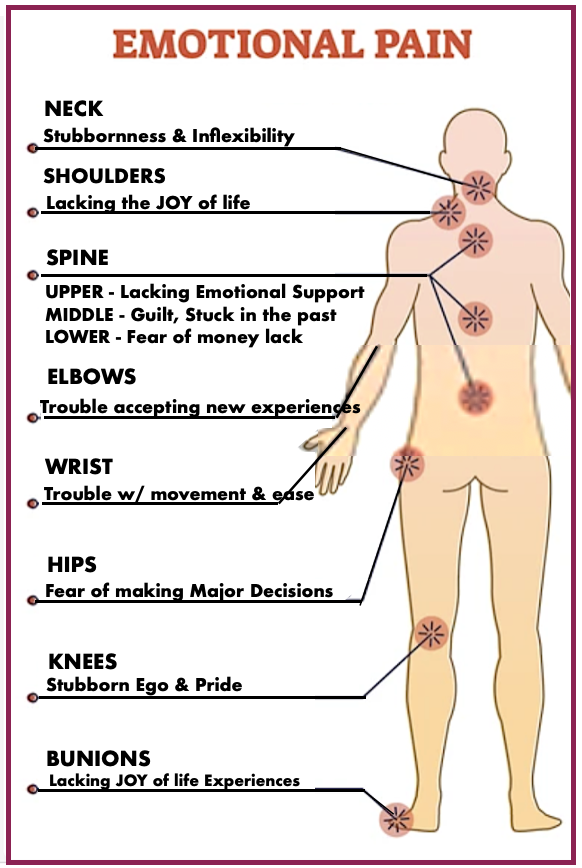
…. can manifest physically in the form of muscle stiffness, by unconsciously tense muscles, particularly in the neck, shoulders & back. Chronic tightness can lead to headaches & other chronic pain conditions, & eventually can severely limit mobility. It can also create a heightened state of alertness, so relaxation is almost impossible. All these problems will harm the overall quality of life

🩺 Weakened Immune System
… can become more susceptible to infections, & it takes longer for the body to recover when we do get sick.
The link between emotions & the immune system is well-known. Research has shown that chronic resentment persistently releases  stress hormones which suppresses immune functioning. One exp. is Chronic fatigue Syndrome.

NEXT : INVENTORY Chart

RESENTMENT- Effects ( Part 3a)

PREVIOUS : SIGNS – being a Target,  #A

SITE : “Embracing Bitterness: The Benefits of Resentment


CHARACTERISTICS
Resentment may prevent PTSD but also propels alienation & aggression.
The term originates from the Latin “ressentire,” meaning “to feel again,” which clearly describes the rehashing of past grievances that fuel resentments any time they surface.
Unlike anger, which wants to be expressed immediately, resentment is often hidden – a passive form of defiance bubbling underneath, unexpressed yet intense.
It’s the brain’s own personal theater of misery, where the same painful scene plays on repeat. This can lead to a distorted view of reality, where we see slights & injustices lurking around every corner.
➡️ Some emotional effects of resentment – each carrying its own weight.

Of the various feelings available,  resentment is especially intriguing because of its secretive quality, its connection to violent acts & trauma, & its large role in interpersonal relationships.  Unlike emotions that show on our face & with body positions, resentment doesn’t have a universal signature expression, making it harder to detect, & therefore more dangerous, especially when it motivates overt abuse & revenge.

As adults, this silence comes from a belief that expressing needs & feelings is unacceptable. Sometimes this is true, but if dealing with healthier people, the fear is a projection of our own judgments (S-H and FoA) and from still believing the toxic rules of the dysfunctional family.

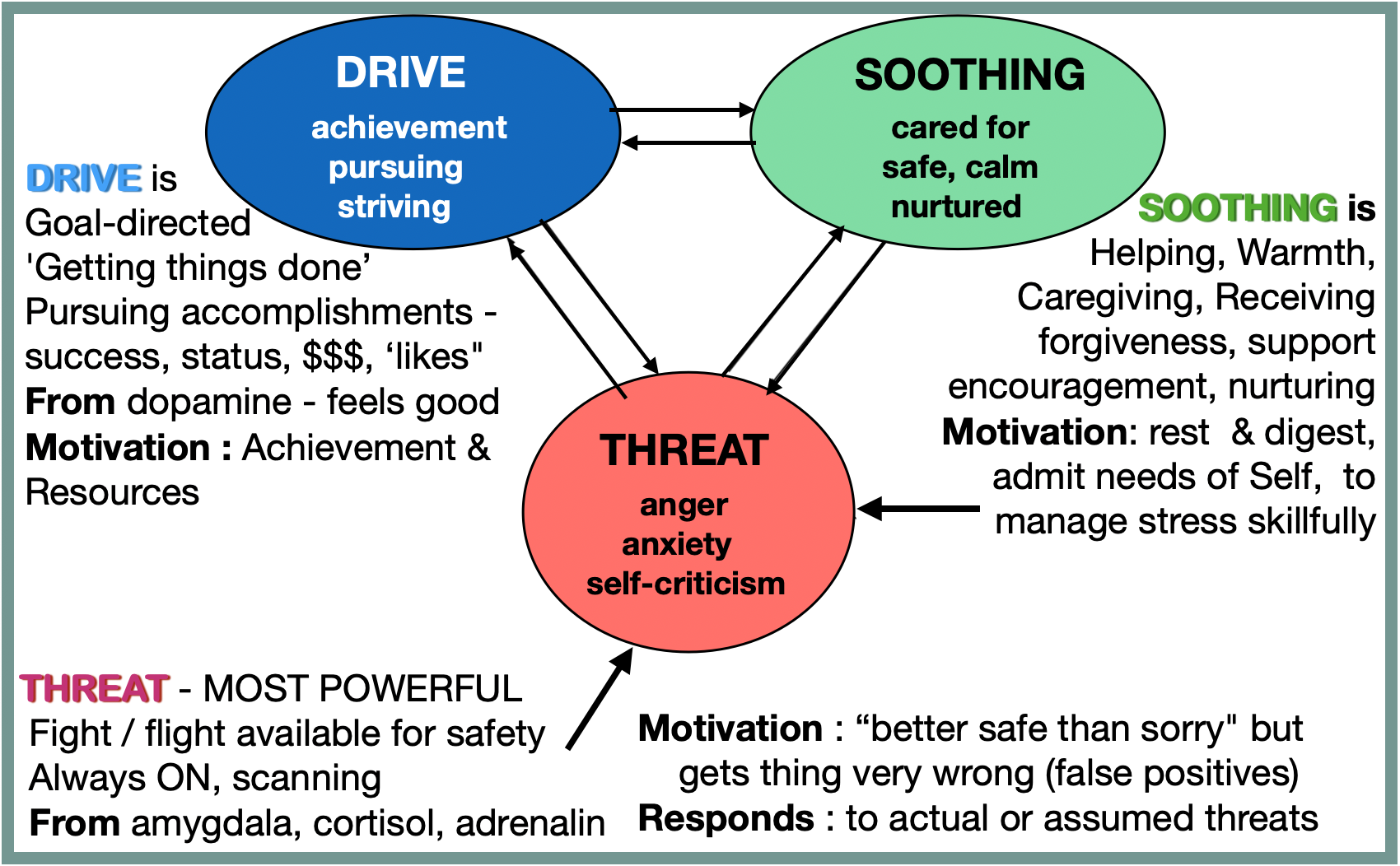
Neurobiology has been instrumental in uncovering the roots of traumatization, its resolution, & its prevention. Resentment involves complex neurological processes linked to emotional regulation, memory, social cognition, & a potent cocktail of emotions that include frustration, envy, even a perverse sense of satisfaction in our own suffering.
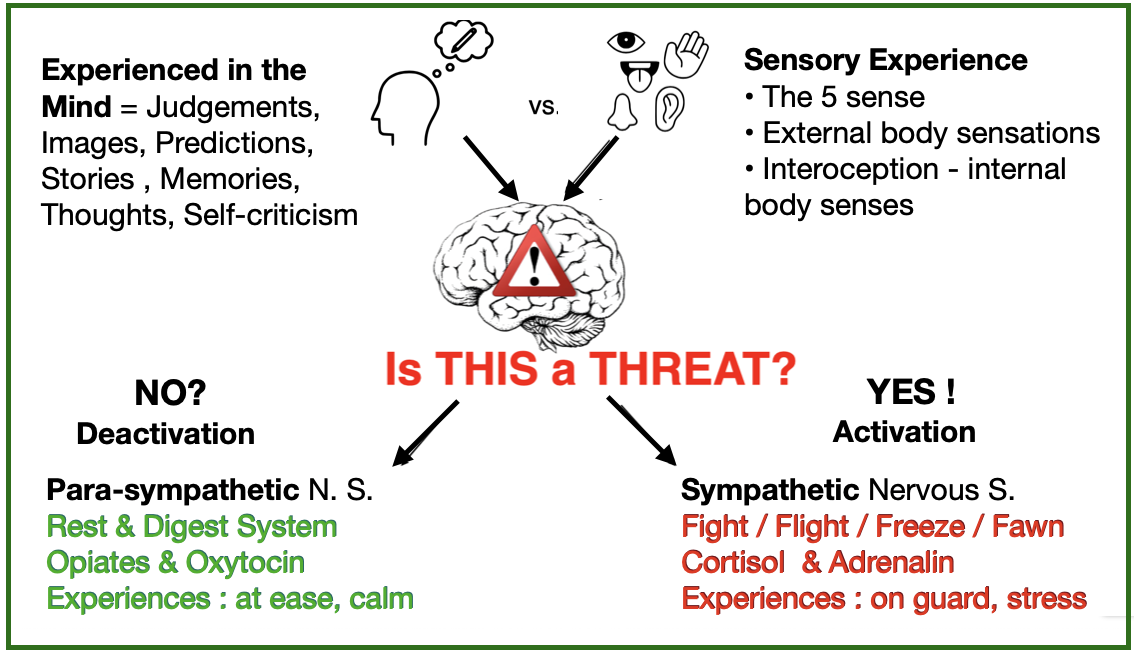
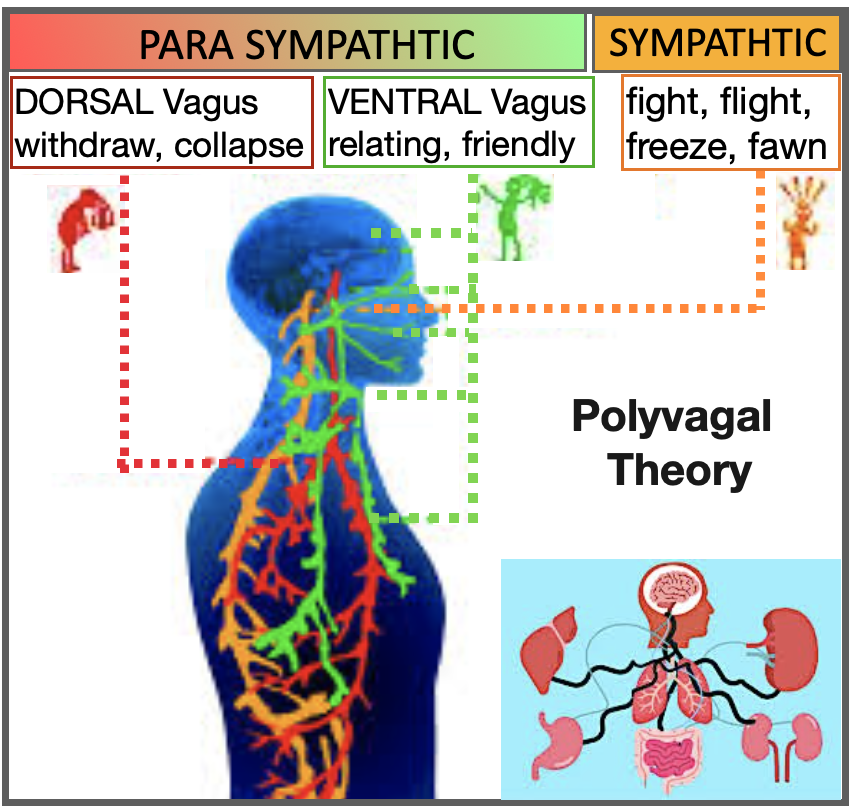
It’s a reaction of our nervous system to being stressed for a long time – as Fight, Flight, Freeze or Fawn. If we don’t know how to access Rest & Digest– we end up exhausted & burnt out.

Brain Regions involved in Resentment
🌱 Amygdala:  Plays a key role in processing emotions, particularly fear & anger
🌱  Prefrontal Cortex: Involved in decision-making & impulse control. Helps to regulate emotional responses which can lighten resentment
🌱 Hippocampus: Important for memory formation – contributing to remembering old grievances, since we’re wired to remember negative experiences more vividly than positive ones.

ADAPTIVE use for Resentment
Surprisingly, resentment seems to play a crucial part in helping the brain avoid the depths of despair that can lead to PTSD.  It acts as a psychological safeguard offering a useful perspective on trauma recovery – since the ability to feel resentful is deeply embedded in our psyche, linked to many stressful experiences of helplessness, injustice, oppression, & unfairness.

Resentment is an intricate emotion, hiding under the surface. Unlike the more direct forms – joy, fear, or anger.…- resentment tends to be subtle, quietly affecting our attitude.
🫲🏼🫱🏼 It intertwines strong inner emotions with an outer expression of calmness (unemotional), creating a unique mix of tension & restraint, as the Sympathetic  (SNS) & Para-sympathetic systems (PSNS) are activated simultaneously.

This combination acts as a protective pause, allowing the upset person to hold back rather than react impulsively.   If we stop holding onto a grudge  used as protection against ‘flooding’- without a resolution –  our nervous system may trigger dissociation, eventually leading to PTSD symptoms.
And unlike trauma responses that overwhelm, pushing our survival instincts into overdrive ——> resentment modifies that intensity, allowing us to stay awake & vigilant without losing control or dissociating (numbing emotions).  

From an adaptive perspective, resentment can act as a mental shield, especially when directly confronting (old or current) abuse feels too risky or simply isn’t possible. While being traumatized can lead to psychological collapse by feeling defeated, resentment offers a buffer, temporarily holding helplessness at bay. This keeps a flicker of our fighting spirit alive.

OVERVIEW of Resentment Benefits :
✒︎ Coping Mechanismto manage feeling powerless.  Provides a sense of control by focusing on external sources of frustrations
✒︎ Emotional Response – indicates mistreatment or injustice, and can signal violation of personal boundaries
✒︎ Motivation –  to address grievances. Can lead to making needed changes or desirable reparations
✒︎ Social Function warn others about their unacceptable behavior. Strengthens group identity by uniting members against a common perceived wrong.

NEXT : Effects, #3b