
 PREVIOUS : GRIEF – Existential Aspects
SITEs :
❖ Ashes into Diamonds
★ Deceased clothes into ‘memorial’ items
We often refer to life in terms of colors :
 ♦︎ Holy days are purple
♦︎ Lonely days seem gray
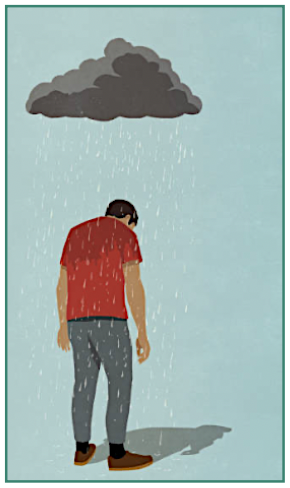
♦︎ Rainy or sad days seem blue & darker
♦︎ Sunny days are yellow or golden
“I see red” when feeling angry
“I feel blue” when feeling sad
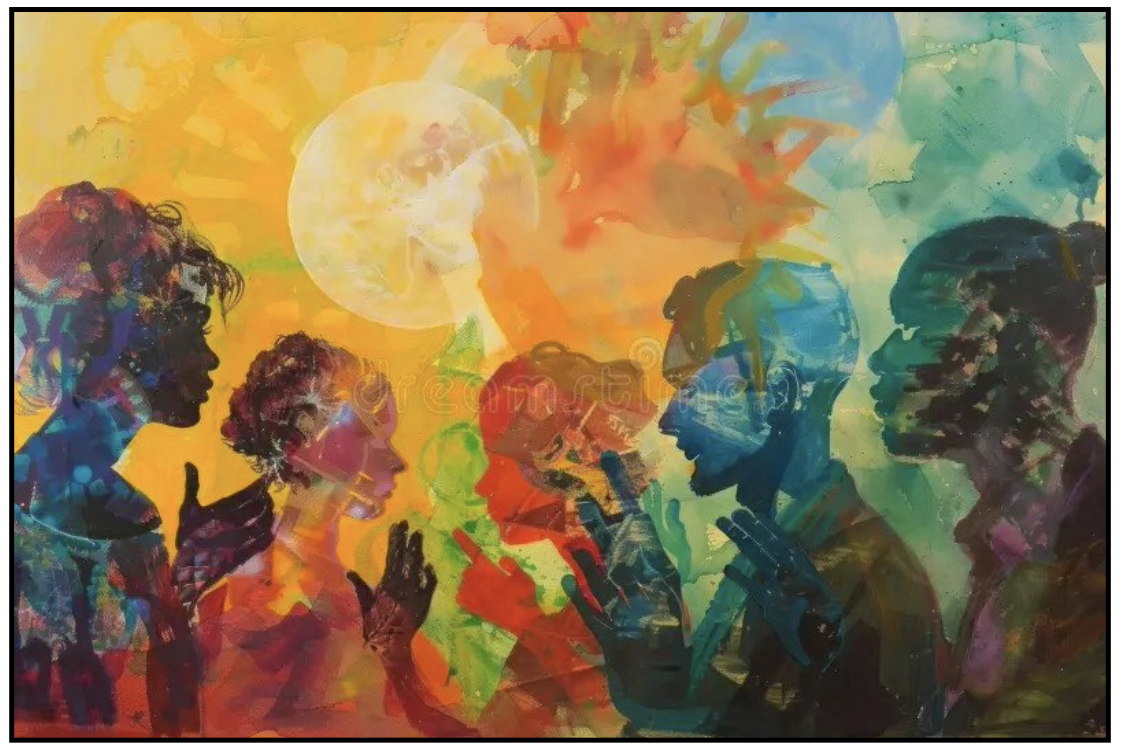
While there’s an entire spectrum of color to life — that all changes when a loved one dies.
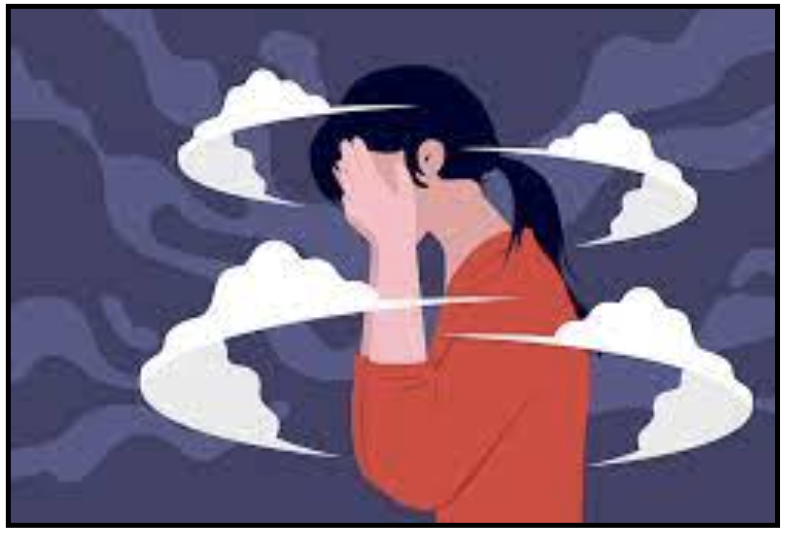
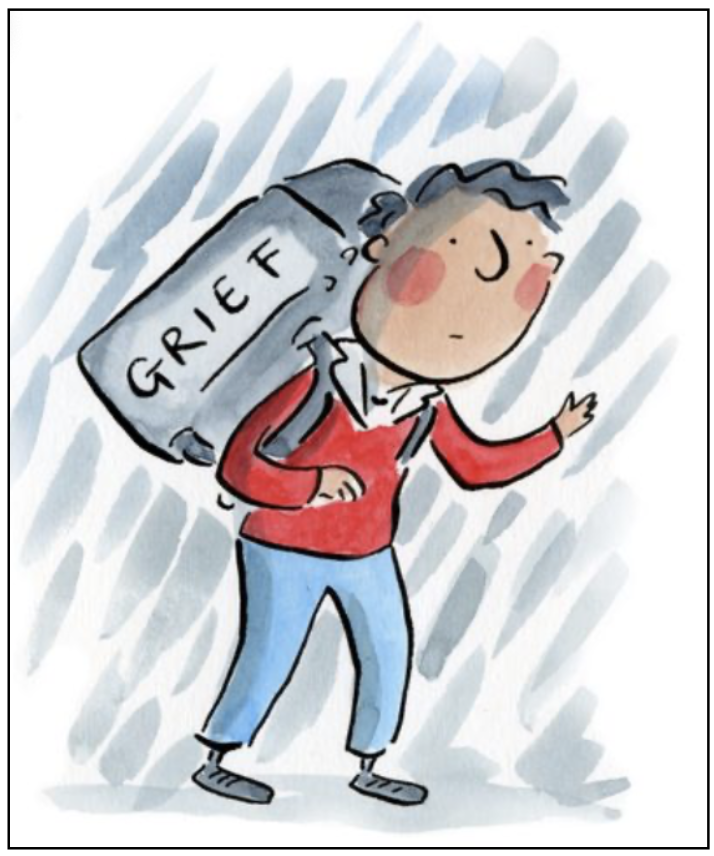
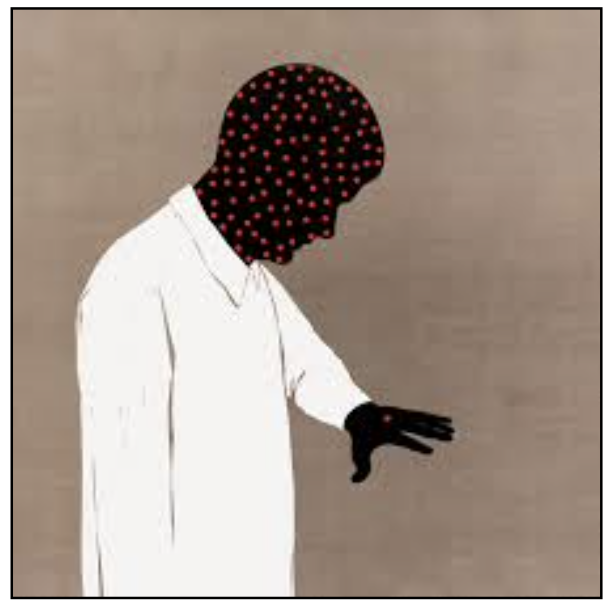
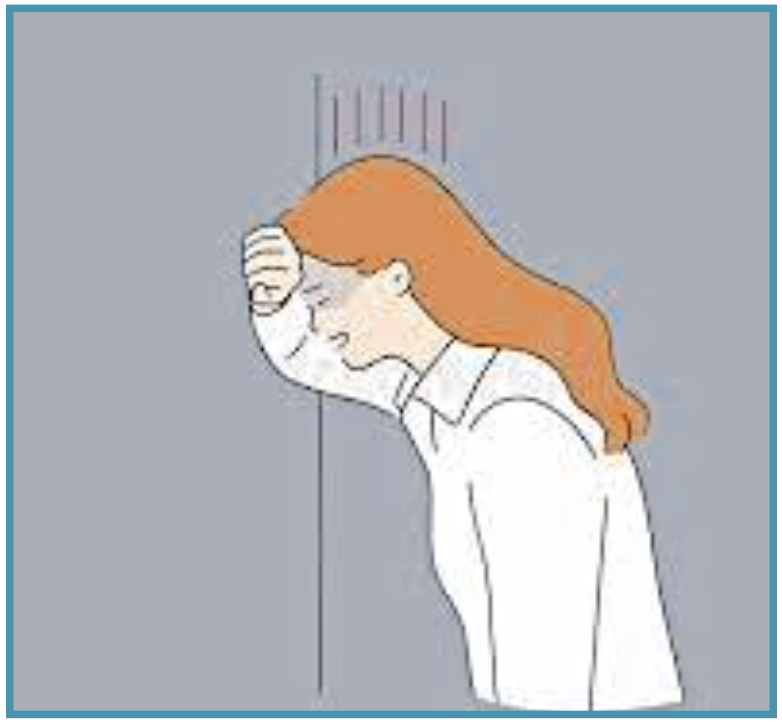
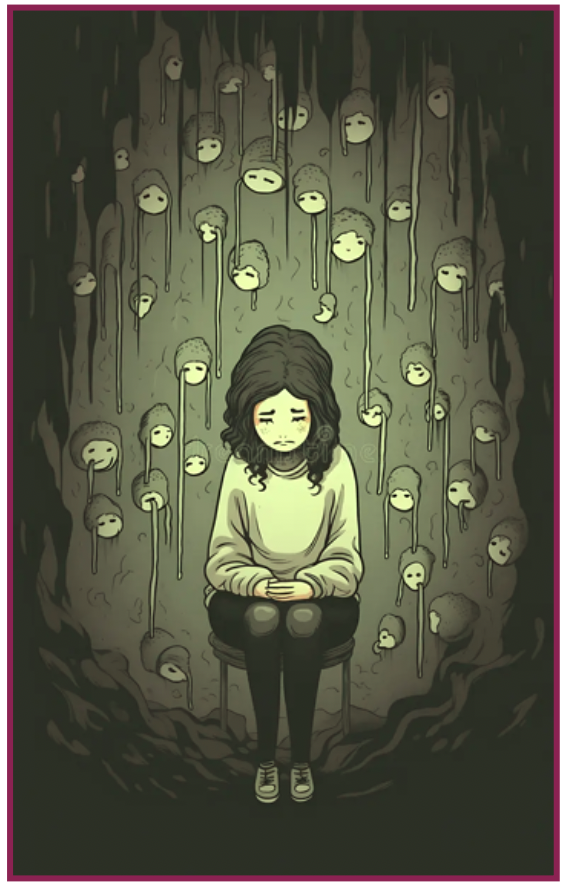
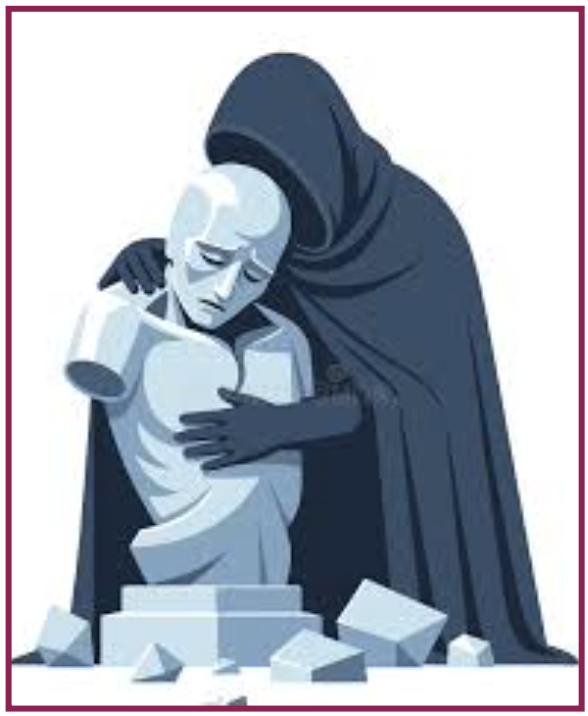
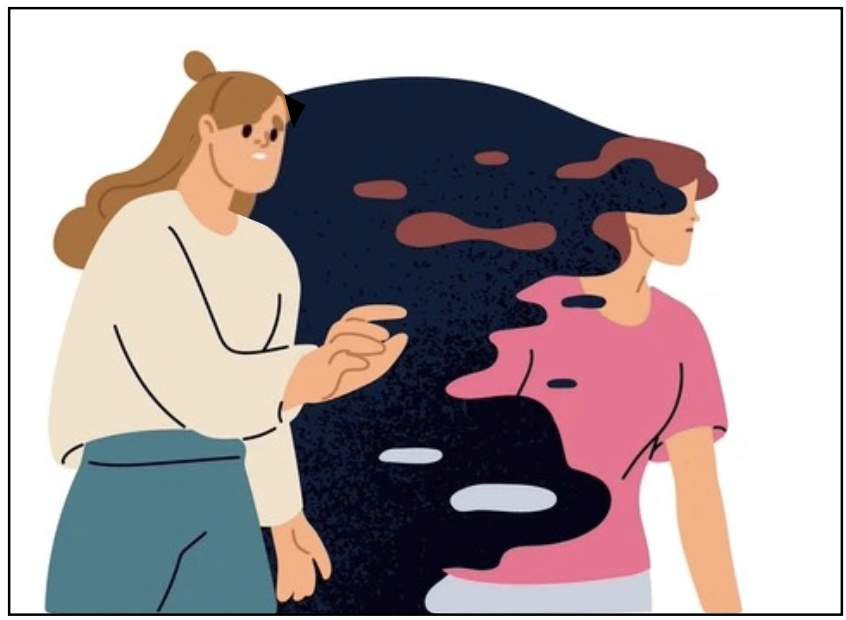
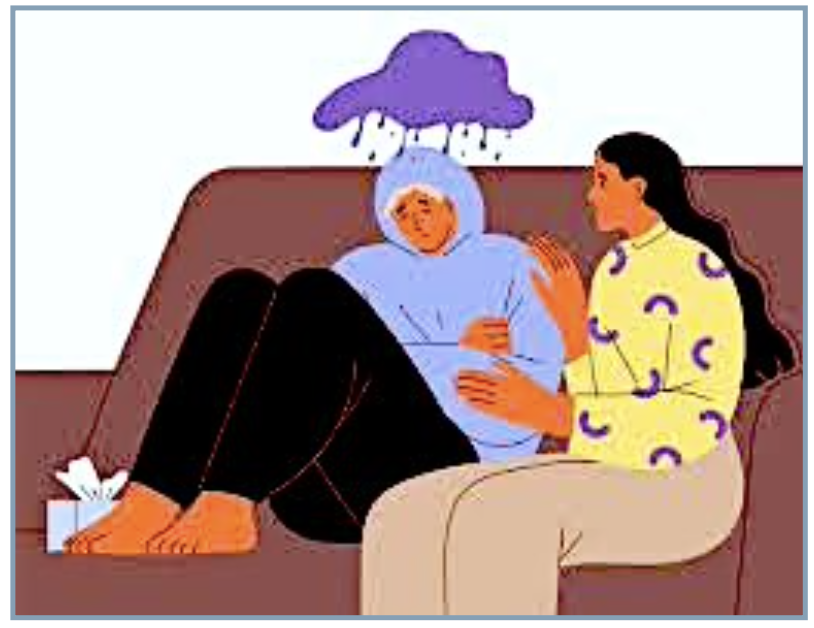
🩶 Grief seems like a long gray Winter. Life is drained of color, transitioned from the❤️🔥 harsh & glaring trauma of loss – to the bleakness of feeling lonely, sad & despairing. It’s like being in a long dark tunnel with no available light anywhere.
The Pinnacle of Emotion is Grief (not Love).
On the color wheel, the 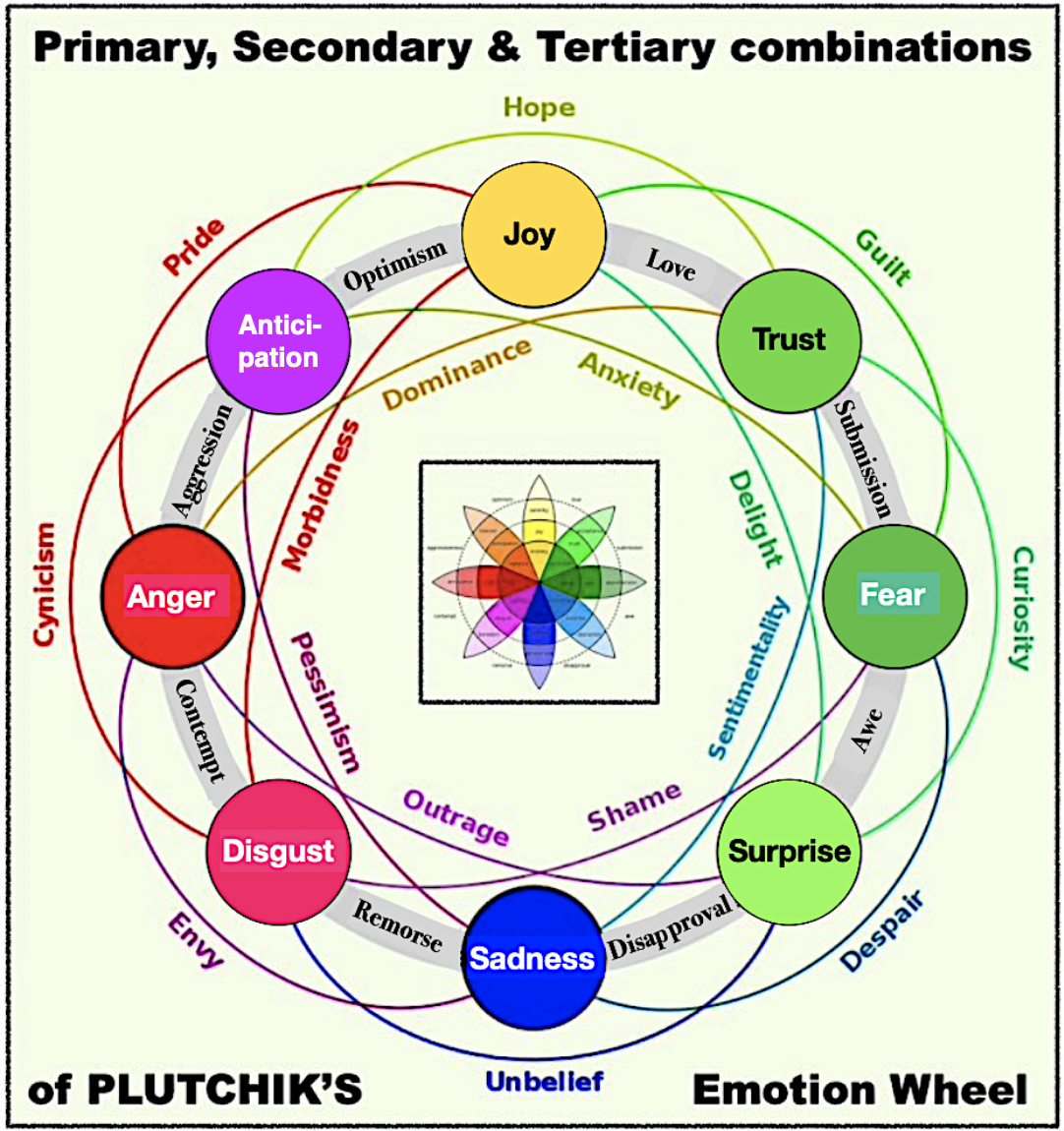 3 primaries are red, yellow, blue. All others are combinations. Amazingly, this matches the way our emotions are structured.
★ If we combine anger & guilt / empathy, we feel grief. And under that – survivor’s guilt.
☆ If we combine joy & shame / guilt, we get fear (of loss, of harm, or death). The negative version is terror with freezing.
Fear also has a positive side – endorphins generate thrill, which both humans & animals adore. (More….)
GRIEF COLORS
BLACK
Black is the external color of mourning expressing darkness & emptiness, showing the depth of sorrow & pain. Ironically, Black also represents anger (‘black rage’), also part of grief. It may be the anger at the injustice of loss, at being left behind, abandoned.
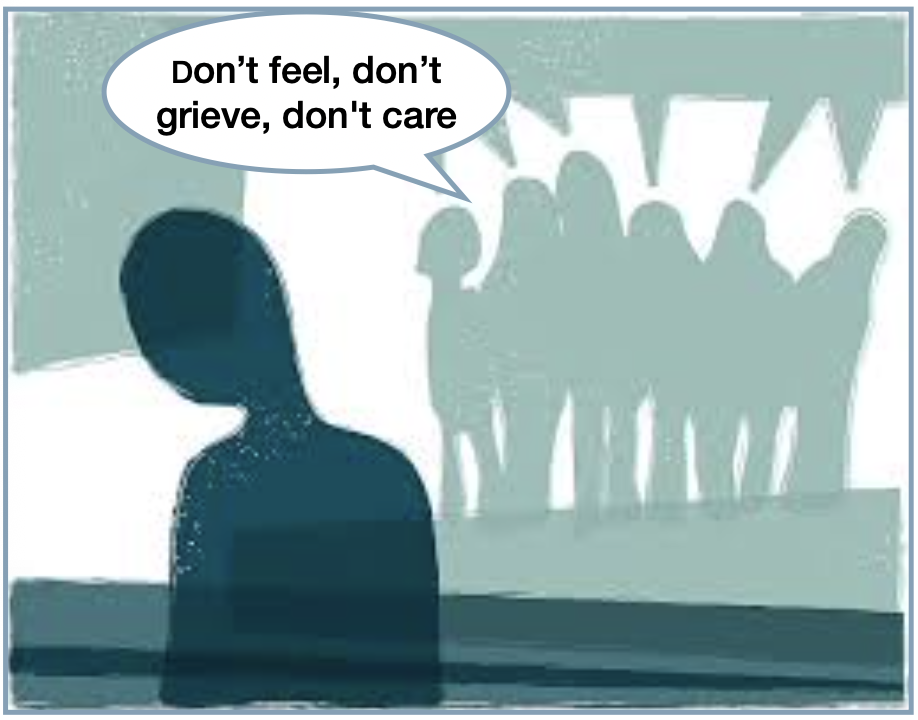
Suppressed anger can fester & deaden grief. The boldness of black is to openly acknowledge this anger, which also hints at what is going to be reborn. Out of the bleakness – like soil nurturing a seed – new growth can slowly emerge. So black ultimately gives way to light & life again.
GREY
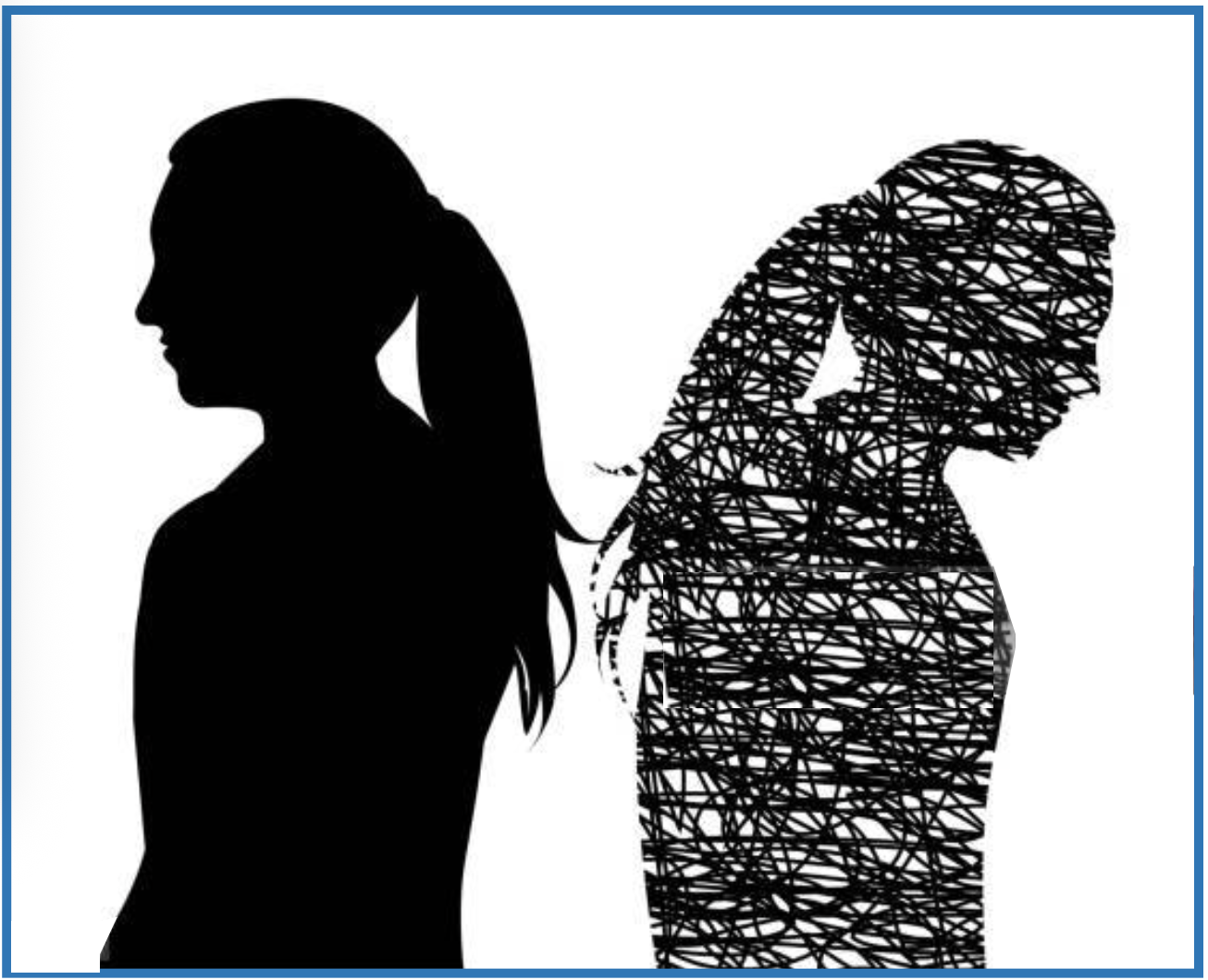
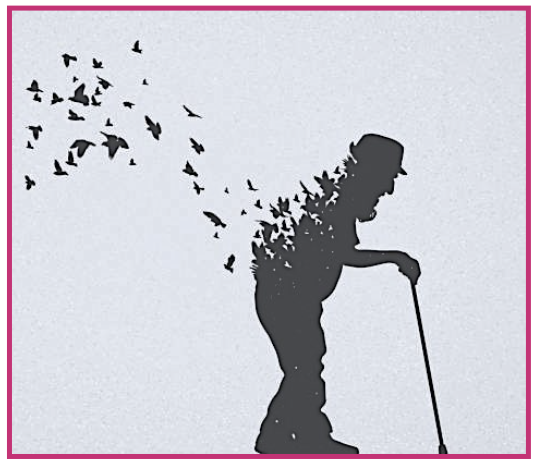
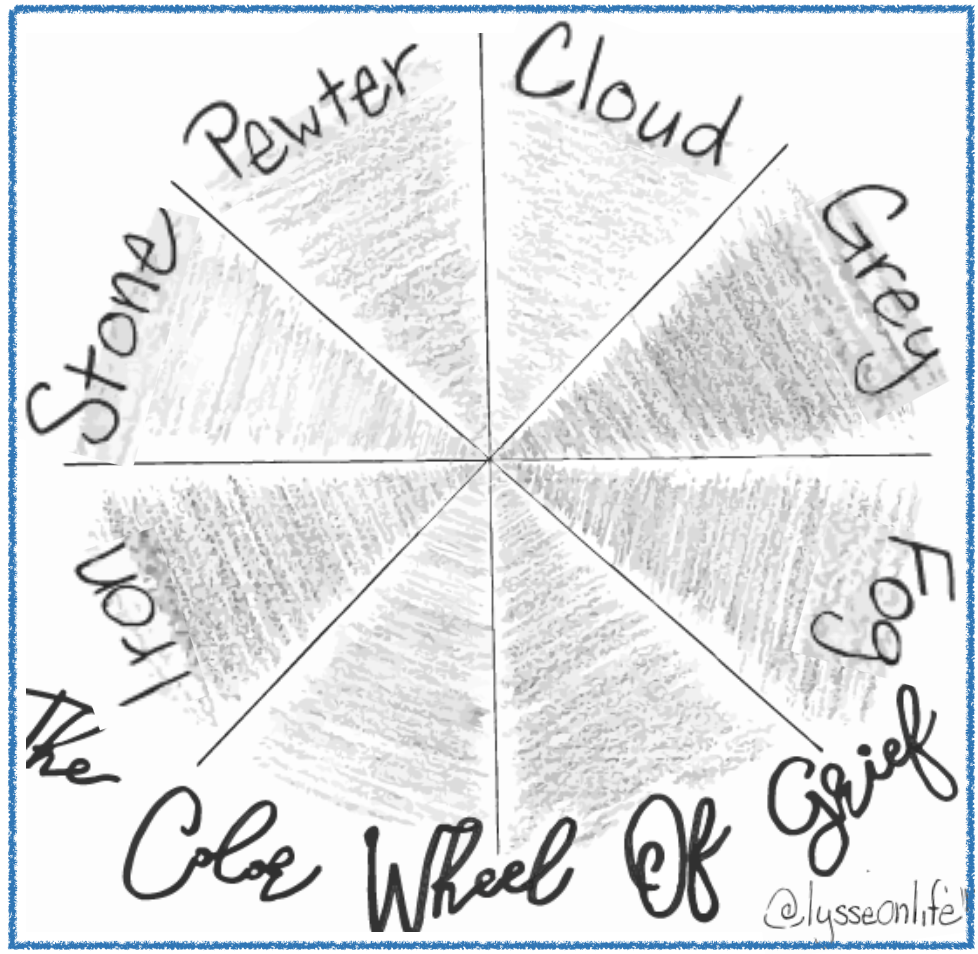 Gray is the internal color most associated with grief, as in ashes, monuments, stormy skies, & tombstones. It’s about gloom, detachment, emptiness, & isolation – a dulling of life’s normal brightness.
Wearing gray can be a visible expression of inner sorrow.
It can also suggests ambiguity. Loss plunges the bereaved into unknown territory without a map, leaving them confused & bewildered, struggling to figure out what their life looks like now without the loved one.
PURPLE
Purple combines shades of blue & wine red. As a blend of colors, it reflects the many emotions of grief, its grimness underscoring grief’s pain & sadness. In color-psychology assessments, purple is the most emotionally complex – with the sadness of blue, the frustration of red, & the optimism of lavender.
Purple & its traditional association with royalty – speaks to the meaning & wisdom grief can uncover. Loss opens doors to examine life’s most important issues we can use to reorient our life, such as mortality, legacy, spirituality, & the breadth of a relationship. While incredibly painful, grief’s revelations may gift greater perspective, priorities, & purpose.
BLUE
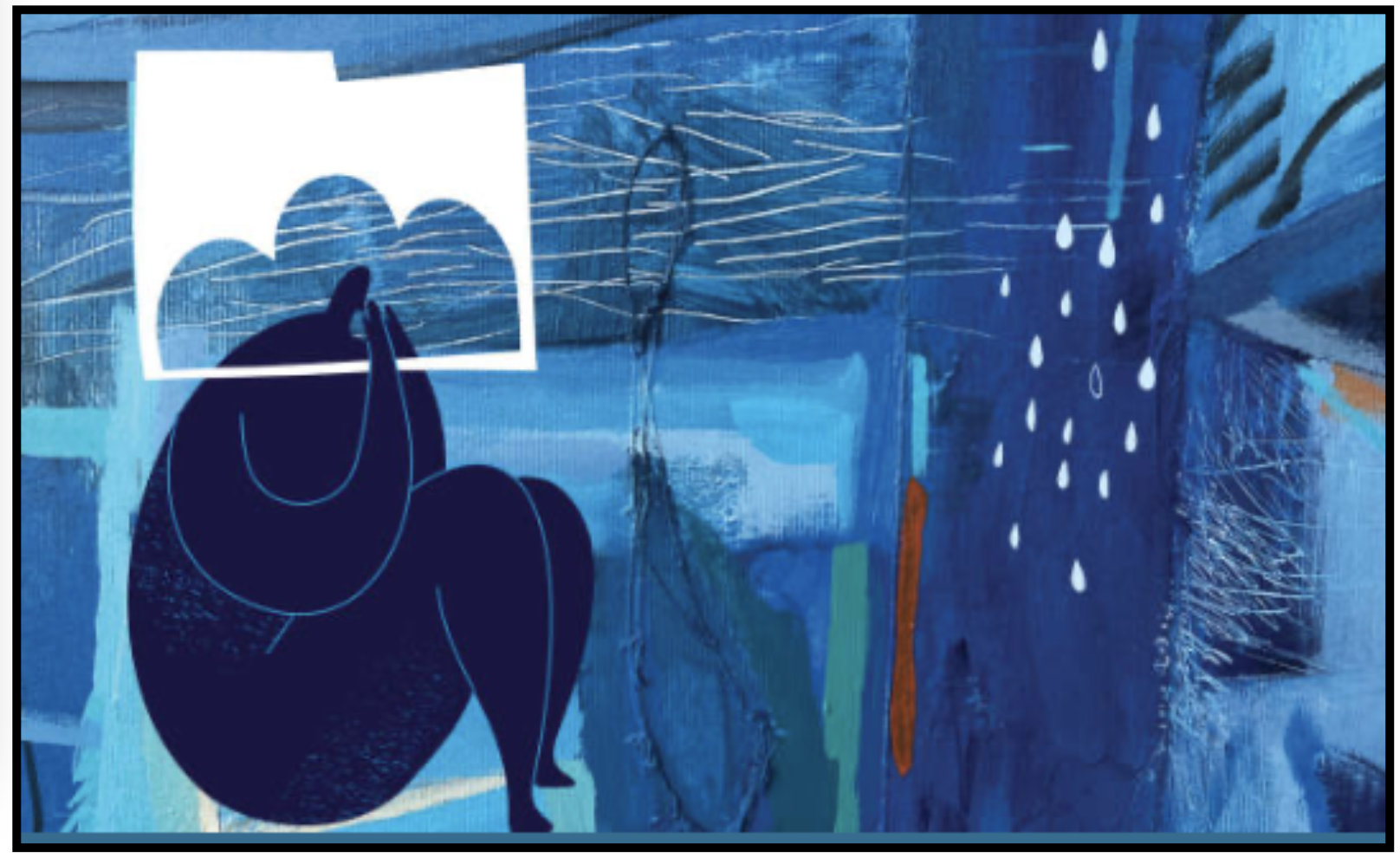
 Blue is a cooler, dreary color that reminds us of grief’s sadness & despair. Light blue has a melancholy, tearful quality. Darker blue is like sinking into a deep ocean of misery that overwhelms & envelops. Grievers often find themself plunged into emotional depths they didn’t know existed.
In music, “Singing the blues” & bluesy rhythms echo mournful emotions. Pablo Picasso’s “blue period” features cold, gloomy paintings that reflected his deep sorrow after the loss of a friend.
Yet blue also symbolizes calm & tranquility in the eye of stormy feelings – the serenity of a clear blue sky or still blue ocean.
GREEN
Green seems an unlikely color to connect with grief. Yet its association with nature’s regenerative cycles makes sense. Green represents movement – of both the good & the unwanted. Wounds often worsen before they improve, & green too will feel more intense before gradually lightening. It’s an evolving process, with ups & downs, as we adjust to the loss.
Green also symbolizes renewal. Budding greenery of spring after the frozen winter is a picture of new life emerging. Hope slowly returns as grievers learn to keep living without their loved one. Beautiful things still exist in the world, waiting to be rediscovered.
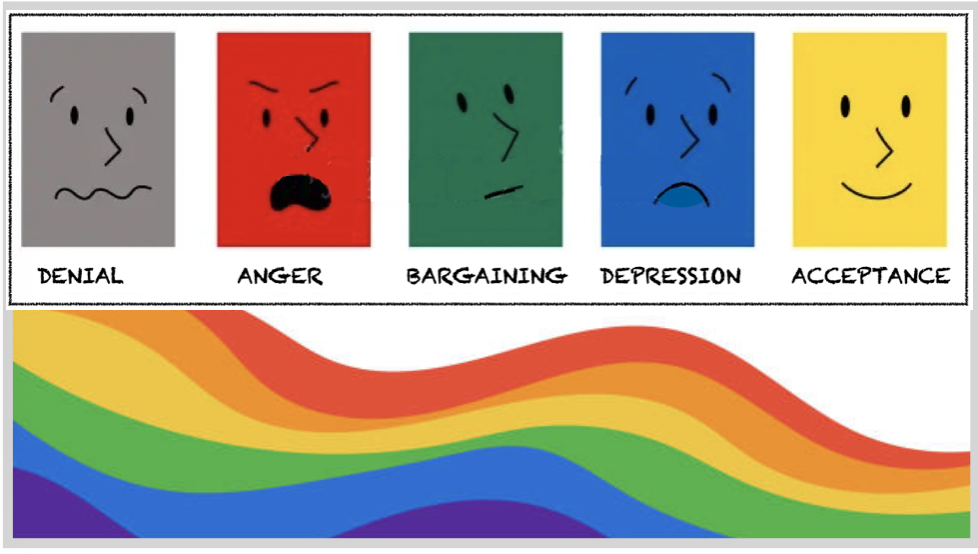
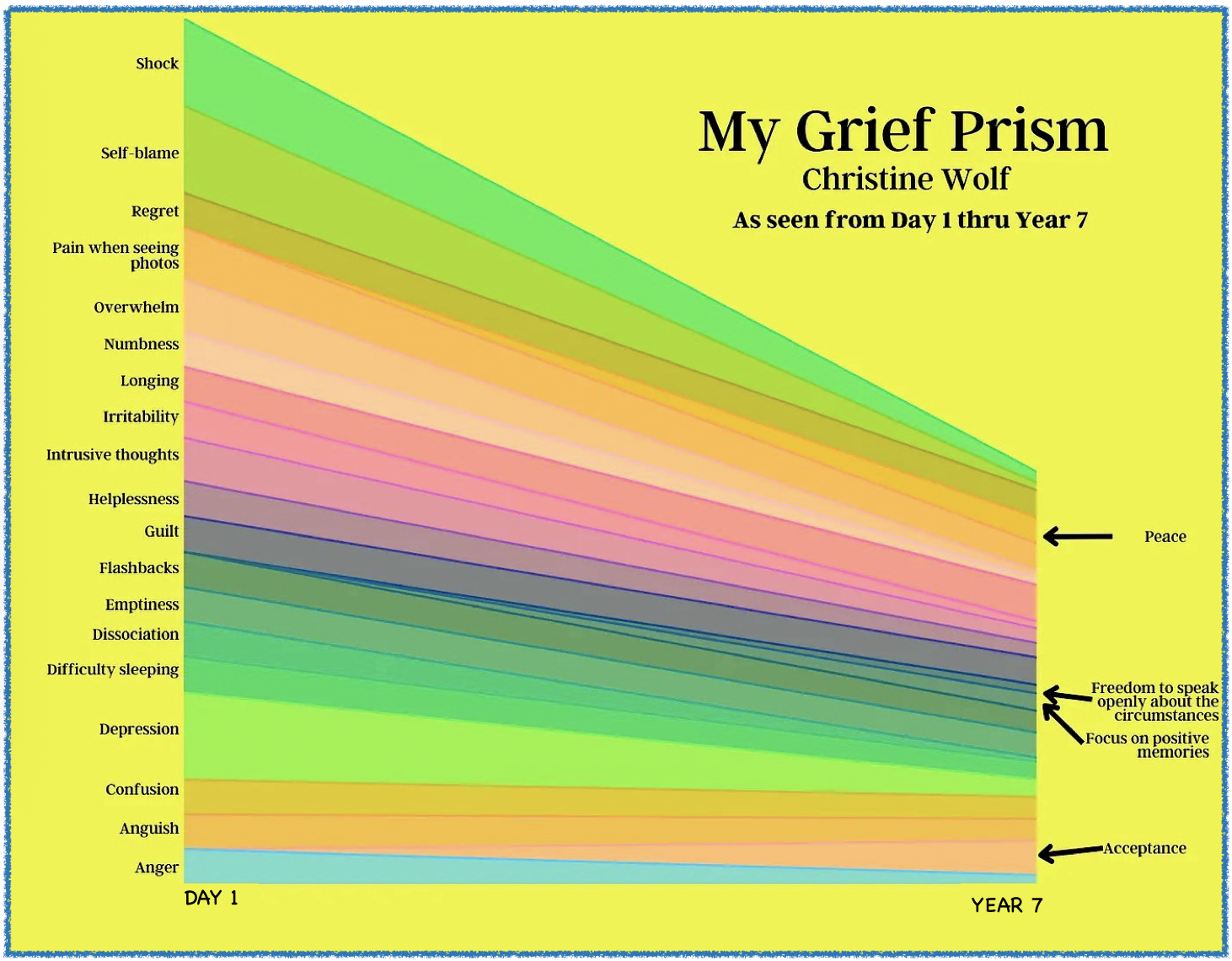
This chart is a personal way to color the emotions & experiences of grief (More….) :
«
«
NEXT : Grief & Colors (#2)



 HEAL & GROW for ACoAs