Passive-Aggressive ‘Nice’ People (Part 4)

HURT YOU? BITE YOU?
I would never-r-r!

PREVIOUS: P-A #2

SITE  P-A BEHAVIOR in Relationships


NOTE:  Look for their red flags, using the lists from the posts: ‘Passive-aggressive Comments, Symptoms of P-A anger – in us, & the set below


IN relationship with a P-A
Because neurotics (‘Givers’) take on so much responsibility, they prevent P-As (‘Takers) from having to act differently, enabling the dysfunction to continue.
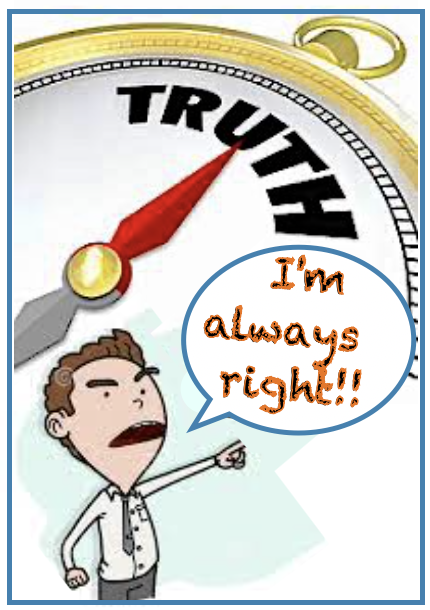
Character disordered people don’t consider changing – if at all – as long no one calls them on their behavior. But for that to happen everyone they deal with would have to recognize them for what they are, & react appropriately in the moment. Otherwise, they just continue to get away with assuming they’re always right.
EXP: Many women, in divorce court, have been humiliated & financially victimized by judges favoring clever & rich pathological spouses!

In the mean time, until pigs fly, anyone dealing with P-As (& other personality disorders) on a regular basis must firmly state reasonable expectations & stand firm on necessary limits. The ball always has to be tossed back into their court. It’s their responsibility to own up to & work on their issues, so the best you can do is make them accountable.

To start with, it’s important to recognize what’s going on so you don’t think you’re crazy. You may already think you are if you grew up with at least one P-A parent, or everyone in the family – denying how hurt & angry they were, but never acknowledging, much less having dealt with it. But it’s not you!
Because of that beginning, we may have picked up the P-A habit ourself, but more often we unconsciously choose work environments & personal relationships with P-As. To change that, notice overall patterns of behavior in the people around you, monitor your emotions & never ignore gut reactions.

EXP
: You are likely to feel angry, confused, or powerless – when needing to get their cooperation or trying to be heard. But since you can’t have an honest, direct conversation with a P-A person, nothing ever gets resolved.
AND if you continually, compulsively surround yourself with P-As, review your own Fear of Intimacy, because P-As keep everyone at bay. They function from the False Self, preventing emotionally intimacy – without Recovery.
If we stay around them for too long we’re guaranteed to feel abandoned – because we are.

Some ways P-As express anger in Relationships:
MILD
ATTITUDE / BEHAVIOR
‣ Always late/leaves early. Walks out on people. Bangs doors
▸ Deliberately sloppy
▸ Procrastinates – is deliberately slow &/or puts things off
▸ Refuses to do what is reasonably expected
▸ Refuses to listen. Pretends not to hear or see

PSYCHOLOGICAL /EMOTIONAL
▸ Acts forgetful. Keeps rehashing the past
▸ Twists the truth. Manipulative
▸ Uncooperative. Withdrawn

MODERATE
ATTITUDE / BEHAVIOR
➣Acts sick or helpless. Refuses to clean oneself or the home
➣ Impulsive – fails to plan ahead. Deliberately makes mistakes
➣ Often absenteeism at work
➣ Refuses to function as a responsible parent or spouse
➣ Works markedly below ability. Refuses to work regularly.

PSYCHOLOGICAL /EMOTIONAL
➣ Always negative. Withholds support, Distances self.
➣ Deliberately avoids or ignores someone they dislike
➣ Enjoys seeing people become upset. Is divisive
➣ Refuses to be responsible. Overly stubborn
➣ Refuses to praise or compliment
➣ Won’t communicate & gives Silent Treatment

SEVERE
ATTITUDE / BEHAVIOR
❁ Deliberately fails at work. Fails to pay bills.
❁ Fails to attend to the needs of the spouse or children
❁ Neglects the home, Refuses to eat
❁ Refuses to take care of a serious health problems

PSYCHOLOGICAL /EMOTIONAL
❁ Always in victim role. Avoids intimacy
❁ Deliberately acts to be sick or makes themselves sick
❁ Doesn’t receive love. Withholds love from a spouse
❁ Makes false accusations. Con-artist
❁ Undermines children’s trust/respect for spouse or other important relatives/friends

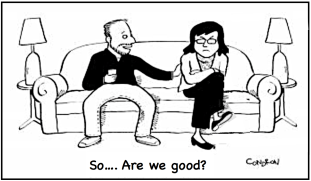
Dealing with a P-A is always frustrating & sometimes enraging, especially when it’s your spouse. One of the many problems is that they find it much easier to say what they don’t want than what they do .
Inside the P-A is a wounded child who isn’t safe enough to voice how it really feels – from fear of punishment, rejection, sarcasm, engulfment …. Their True Self has retreated, making it hard for the P-A to say what’s bothering them, so they expect others to read their mind! & provide unspoken, even unacknowledged needs.  And if you don’t, you will be punished – no matter how indirectly.
REMEMBER – their tactics are never about us! even tho’ it does have a very great impact on our interactions with them

NEXT :  SYMPTOMS – in us

Passive-Aggressive ‘Nice’ People (Part 3)

WHATEVER I CAN GET AWAY WITH is OK with me!
PREVIOUS : Passive -Aggr #2

SITE:  Signs of a Covert Introvert Narcissist

1. P-A CATEGORIES (Part 2)

 2. Passice-aggressive (P-A) Manipulation TACTICS
It’s very important to be clear about covert fighting in order to avoid being victimized by any character (personality) disordered manipulator – in this case the P-A. A person’s habitual style of relating is dysfunctional or disturbed if it is:
• Defective – their sense of right & wrong is strikingly weak, immature, or missing
• Inflexible – they don’t willingly soften their responses or use alternative coping strategies
• Resistant – won’t modify their way of relating, even if those are negative or have dire consequence
• Severe – this is when their natural tendencies becomes so overbearing & intense that they go way beyond what their culture considers ‘normal’. Sadly, our society actually encourages & rewards many manipulative behaviors.  (MORE….)

Neurotics have a very powerful, over-developed conscience (superego), with an intense sense of right & wrong. They often set themselves standards that are difficult – if not impossible – to meet, judging themselves harshly when they don’t feel they’ve done enough.

On the other hand, the disordered character’s conscience (little voice that guides most people to do what’s ‘right’) is severely underdeveloped & impaired, & in the worst cases, is absent altogether. This makes it easy for them to hurt people often & severely – without considering the other’s feelings.
And if they do hear that inner voice, they can easily silence it, so they don’t have a reason to “push” themselves to take responsibility. They are shallow, lack empathy & exploit, use & abuse others, often without a second thought. (Narc characteristics)

P-A ‘fighting’ style
SO – when you confront a character-impaired (P-A) person about something they’ve neglected or done wrong, they will fight dirty to divert attention from the real issue. People who either place themselves above (NPDs) or are at war with (P-As) the principles that build integrity into a person’s character (honesty, fairness, kindness, respect….), will use just about any behavior or tactic possible to manipulate. (MORE….)

They ‘sneak-fight’, doing 3 things at once:
1. Fight you for a position of advantage in your relationship (try to back you into a corner to get you to back-off or back-down)
2. Fight to maintain an undeserved positive image
3. Fight against accepting whatever action or principle they know you’d like them to accept
(EXP: that trust in relationships is based on being honest)

Unfortunately, when a P-A is tap-dancing to defend themself, as opposed to just fighting for their point of view, you’re bound to lose. This tells you the behaviors will inevitably recur, because they can’t do both at the same time – fight against a principle & accept it at the same time.  (MORE….)

The P-A CONFLICT CYCLE – see it coming & get out of the way!
Stage 1 – As they grow up, P-As come to believe that any direct expression of anger is dangerous & has to be avoided at all cost. They solve the dilemma of what to do with their anger by developing P-A behaviors

Stage 2 – A stressful situation triggers a P-A’s irrational thinking,  based on early life experiences.
EXP: A teacher asks a student to pass out a worksheet, but instead of feeling honored by being able to help, they’ll be resentful because the request triggers a family history of always being told to do things without ever being appreciated for it

Stage 3 – The P-A denies their anger, which leads to projecting it onto others, making up ‘stories’ & feeling resentful, even paranoid
Stage 4 – P-As actively display their denied anger, using one or more tactics listed in the post “Symptoms of P-A Anger – in us” 

Stage 5 – Reactions of others, which are usually negative. This is often what the P-A is hoping for, as it relieves an inner tension, & makes others the ‘bad guy’. Those reactions only reinforces the negative behavior, continuing the cycle.
The rest of the article offers ways to identify P-A behaviors & how to overcome them

NEXT: P-A ‘Nice People”‘, #4

Passive-Aggressive ‘Nice’ People (Part 2)

IT’S LONELY
being with a P-A

PREVIOUS: P-A #1

SITE Passive-aggressiveness
(in general & about men)


1. P-A CATEGORIES
a. Unintentionally hurtful = They believe they’re trying not to hurt others, not wanting anyone to feel bad. So they aim to be ‘perfect’, to not say or do anything obvious that might make the other person dislike them & ‘go away’. However, their anger is a barrier, felt at a nonverbal level, but others won’t know what’s wrong.
Because P-As don’t have access to ALL their emotions, their quietly defiant interactions prevent true intimacy, keeping people at arm’s length. Bottom line – they abandon a part of themselves, as well as people closest to them.

b. Self-protective =  This strategy is used by P-As when they feel the need to defend themselves at all cost, & believe they have no other options – even tho’ this may not be true – as a way to protect their self-concept, their job or personal interests. Usually based in repeated childhood experiences, they think they don’t deserve to speak their mind, afraid to be honest & open.

And P-As who want to believe they’re acting in your best interest – can say hurtful things because they’re actually trying to protecting their self-image, as well as prevent punishment (being fired, losing a friend, having someone be angry at them,,,,,). If confronted directly they become defensive, blame circumstances or the other person, instead of seeing their part.

c. Malicious = Since this series of posts are about surface-nice-people, it may seem incongruous to include P-As who aren’t so ‘nice’. But here it’s not their actions we’re considering – only their motivation. This type consciously wants to hurt anyone & everyone – without getting caught – planing out attacks or impulsively reacting to whoever annoys them in the moment (like secretly spitting in the drink they offer you).
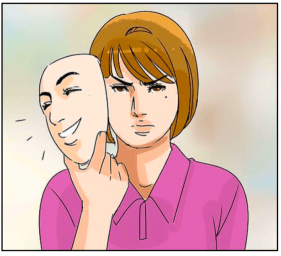
And some in this category are subtler than others, still keeping their ‘nice’ mask on.wolf/sheep's clothing

One way they play the game is to get others riled up & defensive, who then act out the P-A’s denied rage for them. Such a parent might say to their teenage child: “You should really try to treat your mother better after all the sacrifices I’ve made for you. You’re so selfish”.
This is an emotionally abusive effort to control the child’s behavior, but often only succeeds in generating guilt & resentment. Then this kind of parent can accuse the teen of being ‘difficult’! Every time the P-A gets away with it, their tactics are reinforced while still seeming to be innocent.

SILENCE (is not always golden!)
. Many writes assert that the Silent Treatment is the P-A’s favorite weapon. It’s a deliberate choice to not speak to someone for some extended time. It will be repeated any time the angry-nice person wants to punish another for any number of hurts, real or imagined, by shutting down emotionally & withdrawing, without admitting how angry they really are.

It’s a way to manipulate others into doing what the P-A wants by treating the ‘offender’ as if they’re invisible, in the hope that they’ll get the message “Do what I want/ be how I want – or I cut you off”. This is not about withdrawing love, since love is unconditional, but rather removing approval, & for approval-dependent people (children & many ACoAs), it’s a powerful form of control.

This silence is a sanitized version of murder. While the purpose is not to erase someone physically/ permanently, it is psychologically & emotionally deadly, causing far-reaching injury.
🔪 🔫 Physical murder means: “I do not like you. Therefore, I am going to make sure you do not exist – by killing you.”
💘☁︎ Silent Treatment means: “I do not like you. Therefore, I am going to treat you as though you do not exist – by not speaking to you.”

The tactic produces a great deal of fear in adults with a desperate need to stay connected – being vulnerable to being cut off – from having been repeatedly ignored by a parent.  (See: Qs to ask oneself, in upcoming post)

SITE: The Real Reason Why The Narcissist Punishes You” 

NEXT: P-As #3

Passive-Aggressive ‘Nice’ People (Part 1)

AS LONG AS I CAN BE PRETEND-FRIENDLY
I can get away with a lot!

PREVIOUS: Outgrowing co-dep #4e

SITEs: “The Angry Smile: P-A behavior….”
Signs of a Covert Introvert Narcissist
5 of the most passive aggressive things you can do at work”


MOTIVATION for P-A behavior
Dedicated life-long Passive-aggressives (P-As) are almost identical to classic narcissists. They share the following:
when criticized, they feel rejected, humiliated & threatened
as a defense, they react with disdain & defiance, even taking legitimate suggestions as criticism
AND the more severe P-As share:
blaming, controlling, easily frustrated, insistence that others see them as they wish to be seen, intolerant of others’ views, self-absorbed, unaware of others’ needs, & oblivious to the effects of their behavior on others

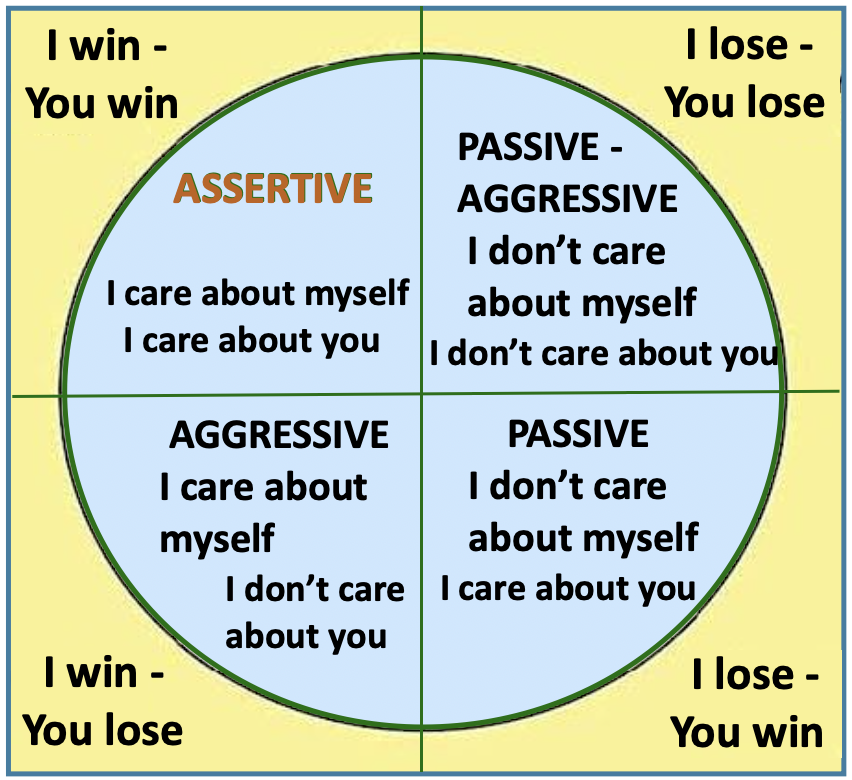
Passive aggression is a hostile form of communication, a twisted way of trying to protect & preserve one’s integrity, dignity, needs & convictions. It’s done at other people’s expense – and always obliquely. Persistent P-As are no pushovers. They don’t alternate between passive & aggressive behaviors, but rather combine them into one, becoming ‘anger-sneaks’ so they can get you when you’re not looking. As a rule, they’re deliberately contradictory: what they say (passive) is the opposite of they actually do (aggressive).
They may try their best to be ‘nice’, but leak constant dissatisfaction, & are both confusing & irritating to others.

P-A Communication
• Frequently interrupt & don’t listen to others
• Tone is laced with irony or sarcasm
• Use criticism, humiliation & domination
• Talk down, are patronizing, gossip, complain & sulky
• Loud voice or arrogant, OR give the Silent Treatment
• are 2-faced: sweet to your face but poisonous behind your back

Non-Verbal Communication
• Facial expression – often look sweet & innocent
• Gestures – can be jerky, quick
• Posture – often asymmetrical, stand with hand on hip, & hip thrust out
• Spatial position – often too close, even touching others,  pretending to be warm & friendly (MORE…)
• Voice – often speak with a sugary sweet voice

Co-dependent Angry-nice people have a desperate need for others to give them 100% approval 100% of the time, & will do almost anything to get it, so they never have to feel their own S-H & abandonment pain.

✔︎ Passive-aggressives also want approval & acceptance, altho they’re not likely to admit it. Instead, they live by the a silent “Forget it” rule against all demands, and the ‘Yes, but….” reply to suggestions, even when asked for.
It’s a type of  false boundary, used because they think it’s the only way to keep from being totally overrun by others.  (BOOK: “Games People Play”, Eric Berne – review by Kurt Vonnegut)

This pattern starts in childhood as a reaction to controlling, rigid & abusive parents, leaving the child with a hopeless outlook : “I have no control over my choices & feelings – whatsoever”. The more unhealthy & unfair the family’s expectations & restrictions were, the more the child resented & then resisted. And if expressions of anger were never tolerated by the adults, then the child’s:
1) resentment got turned back on the Self
2) awareness of the resentment eventually disappeared from consciousness, but then gets expressed as resistance
3) resistance becomes indiscriminate, seen now in all relationships & situations

Excellent big SITE  re.”how parents prime children for victimization….”. Includes ACoA issues & some references to ‘spiritual’ lessons & misuses

to many rukesRAGE at the abuse of power by the original unloving adults becomes the P-A’s defiant anger at all authority figures – teachers, mates, bosses, political & religious leaders……
So, when others had normal expectations of the beleaguered child, the angry-nice teen & later the angry adult refuses to be truly functional, even if they silently agree with the realistic requests, & even knowing the requirements would benefit them

5 Distinct & Increasingly Pathological LEVELS :
1. Temporary Compliance – (most common form) sounds like “I’m co-o-o-ming!”
2. Intentional Inefficiency –  carrying out a request in an unacceptable way
3. Letting a Problem Escalate – by inaction, they cause a foreseeable – & preventable – problem to happen, & take pleasure in the resulting anguish they secretly create
4. Hidden but Conscious Revenge – making a deliberate decision to get back at someone & then taking hidden actions to do it
5. Self-depreciation – (worst) going to self-destructive lengths to punish the person or group they’re in a rage at  (MORE……)

NEXT: P-A ‘Nice’ people #2

OUTGROWING Co-Dep Niceness (Part 8b)

I FEEL MUCH BETTER
when I’m forgiven

PREVIOUS: Asking forgiveness #8a

SITE:16 Common excuses for NOT asking for forgiveness”
(apply to anyone unwilling to be accountable, + Christian references)


RECOVERY from “Too Nice Syndrome” (TNS)
cont.
TOOL 7a, b, c FORGIVING Ourselves – as ADULTS

TOOL 8b. FORGIVEN by OTHERS (cont)
1.
WHO (in 8a)

2. For WHAT: Here again ACoAs get things backwards: (see Part 1)
Too much: we apologize, often too often, for things what are not ‘offenses’, only because our S-H, via the PP, says everything we do & ARE is bad / unacceptable.
EXP: Billy’s sponsee was always making ‘humorous’ fun of himself & he wasn’t even a comic. When Billy wouldn’t laugh at yet another clever self-putdown, the sponsee was annoyed: ‘You don’t have a sense of humor!”. Billy’s response: “Self-hate isn’t funny!”

Too little: at the same time we hide from admitting the actual insensitive or destructive things we say & do, because of shame, guilt & FoA. Yet such negative actions make us feel bad about ourself, so we hide even more – acting like nothing ever happened, instead of cleaning up our mess whenever possible.

a. Imagined ‘character defects’ (see Part 8a).
The alcoholics & other narcissists we grew up with insisted that we gauge relationships based on what they wanted or hated – which we now project onto everyone else. We assume others will be as weak, as judgmental, as demanding, as manipulative, as needy, as controlling, as dangerous, as easily upset…. as our family (school, religion) were. So we’re always looking out for emotional traps, trying to avoid other people’s disapproval & anger.

That makes us constantly worried that we have annoyed, bothered, offended, disgusted…. everyone else. But if we were to ask a person about something we said or did that we were sure they disliked/hated – they couldn’t imagine what had us so worked up – it hadn’t registered.
And if we tried to apologize for some imagined slight (based on our mind-reading ‘talent’) & they did remember the incident but barely noticed it, they might look at us quizzically or with amusement – since to them it was no big deal!

b. Real ‘character defects’ – because of damage.
Shame is at the root of all our wounds,
& asking for anything is considered shameful. So having to be humbly honest with someone we’ve hurt & then ask to be forgiven for our thoughtless or hurtful actions can be very uncomfortable, even terrifying – but only to the WIC part of us.

REMINDER – Admitting we have character flaws is NOT an indictment of our whole being. It’s not only human to be imperfect, but as ACoAs we definitely have more ‘issues’ than people raised in safer homes. All are a combination of our parents’ defects (which became our Introject), our native personality, & our response to all the abuse we suffered.

IMP: Before approaching others with your 9th Step – be very sure you will be talking to someone capable of treating you with respect. If they’re volatile or disdainful, don’t engage!

A WAY to START is to ‘lightly’ ask the person if they remember the event that you’re concerned about ? – unless you already know. Don’t make it sound dire.
1.  If they don’t remember, then drop it. If they ask why, say “I just wondered” & nothing more.😓

2. If they do recall, ask how they feel about it. Don’t put words in their mouth! NOTE : you’ll probably get a THINK answer rather Emotions. Decide which form is important to you to know, but
Don’t push.
• If they say they’re OK about the event, believe them – don’t try to mind-read their intention.
So leave it alone. Your guilt is your own – they don’t owe you absolution.

3. 😂If they express hurt, anger or disappointment, you know it’s time to apologize. Again – they don’t have to forgive!

NEXT: Passive-Aggressive Niceness – Intro-a

OUTGROWING Co-Dep Niceness (Part 8a)

I CAN BE FREE OF some GUILT
if I admit when I mess things up

PREVIOUS: Adult forgiveness (#7c)

SITEs: “How to apologize : Asking for forgiveness gracefully” 


RECOVERY from “Too Nice Syndrome” (TNS)
cont.
TOOL 7a, b, c = FORGIVING Ourselves – as ADULTS

TOOL 8a. FORGIVEN by OTHERS
DEF – It is when someone we have hurt:
grants pardon for or absolves us of a mistake or wrongdoing
• no longer blames or feels resentment toward us
• frees us from a previous obligation or penalty

QUOTEs: “A relationship is only as strong as each individual’s capacity to forgive and ask for forgiveness.”
“Apologizing does not always mean you are wrong, & the other person is right. It can mean you value the relationship more than your ego.”

ASKING for Forgiveness
We know that a component of Co-dep fake-niceness is the desire to hide our guilt at having been less than honorable toward others. Clearing out some of the underbrush of our moth-eaten defenses (P-P) means being willing to ‘make amends’ for our negative reactions, whenever possible. This begins with telling the truth about our behavior, without over- or under- stating it.

A FEW problem areas that can harm others:
Being controlling, close-minded, dependent, dishonest, judgmental, narcissistic, prejudiced, perfectionistic, superior …..
For more, refer to the 3 posts ‘How ACoAs abandon others & both Laundry Lists.

AA’s Step 8 : “Made a list of all persons we had harmed, and became willing to make amends to them all”

Step 9 : “Made direct amends to such people wherever possible, except when to do so would injure them or others”

► While implementing the 9th Step is for our personal growth, it should not be taken without serious thought & preparation. It’s not going to help our healing if we don’t have a genuine desire to mend the breach with someone, but only do it because we’re supposed to, or are only thinking of how it will benefit ourself.
That narcissistic approach will likely anger the other person, & leave us confused & bitter.
Making amends is about ‘amending’ our ways, otherwise a verbal apology is hollow.

But, before we can consider asking to be forgiven, we need to look at who we’re going to apologize to & exactly for what. (‘Making amends is more than an apology)

1. WHO: Note that Al-Anon/AA Step #8 says “be willing“, but #9 cautions “except when.…”.
• In some cases we’ll never be able to connect with the person we owe an amends to because they’re simply not available – from death, unknown location, or not wanting any contact with us. Then go back to Step 5 to put that specific event to rest.

• Also, there are times when telling someone what we did to-or-against them will hurt them much more than staying silence, especially if they were unaware of our misdeeds. Always consider the consequences of your words. It’s not their job to make you feel better!

• And, just because some unhealthy people accuse us of being abusive when we accidentally push their buttons, don’t do what they want or don’t agree with them, set a boundary or stand up for ourselves….. (because they don’t feel safe unless everyone is apologizingtheir carbon copy), it does NOT mean we owe them an apology.
💛 We can acknowledge their feelings by saying we understand they don’t like something we did or said – or not. Period. Don’t add buts, excuses or explanations. As long as you know you’re being true to yourselves in that situation – you’re OK.
We are responsible for being as ‘clean’ in motive & action as we can, but NOT for how others react – regardless of our behavior.

NEXT: Forgiven for WHAT (#8b)

OUTGROWING Co-Dep Niceness (Part 7c)

IT’S GOOD TO KNOW
I have lots of options

PREVIOUS: ADULT forgiveness, #7b

SITEs: An artist’s COMMITMENT to life
• Forgive Yourself to Heal   an abuse survivor’s journey

See ACRONYM page for abbrev.


RECOVERY from “Too Nice Syndrome” (TNS) cont.
TOOL 7c. FORGIVING Ourselves – as ADULTS
1. LETTING GO of old patterns AND
2. GIVING UP torturing ourselves

LETTING GO means ACCEPTING.….(7b)

GROWTH starts with accepting Al-Anon’s 3 As:
“I didn’t cause it, I can’t control it, I can’t cure it.”
We can then let go of self-recrimination for anythingbecause that is not taking responsibility (scroll down). We need to correct distorted thinking, & stop blaming or attacking ourselves for what may or may not be inadequacies & deficiencies

❇️ Being responsible IS acknowledging something we’ve said, felt or done (or didn’t) – without adding “…..and therefore I’m bad.”

PROCESS
• Use these 18 Steps to process any Ts, Es or As you feel guilty about, as a way to take responsibility
• Write down what you’ve learned from any of the TOOLS (1-6) you’re in the process of using, & any actions you’ve taken to repair or make amends. Let this sink in. Appreciate yourself.

• Decide what if anything remains to be done – inside your own heart or out in the world – and then do it.
Let it sink in that you’re doing it, & appreciate yourself for this too.

• Consciously continue forgiving yourself when needed:
“I forgive myself today for ______ , knowing that even with self-defeating T.E.A.s I am a good person with the RIGHT to be valued & loved. I take responsibility for my life (but not for other adults) & do what I can to make things better.”

PRACTICE Self-Forgiveness. Give yourself the empathy you always craved as a child. (“Is self-love selfish?” 10 good Answers) (10 Scientific & Medical Reasons Why We Should Be Compassionate)

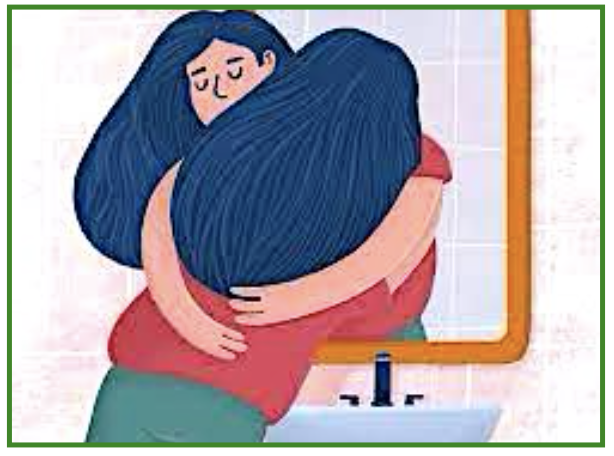
Every morning look in the mirror & say to yourself:
❣️ I love you Inner Child. I am grateful for another day
❣️ I am accountable for my Adult decisions & actions today
❣️ I forgive me for anything that was not forgiven last night
❣️ I love you. Lets have a great day!

And each evening, look & say:
💜 I love you. I’m sorry for anything left undone today
💜 I’m sorry for any fearful decisions & actions today
💜 I forgive myself, & am grateful for total forgiveness
💜 I accept & enjoy ALL my blessings. I love you. Sleep well. (MORE…..)

NOTE: Compassion is wired in from birth  because it’s good for us & for humanity. Both animals & humans have what Dr. Keltner at U of C Berkeley, coined as “compassionate instinct.” It’s a natural, automatic response that has ensured our survival.

• But as ACoAs we know it can be cruelly suppressed by family & community! AND used by sick adults to make us ‘take care’ of’ them so they didn’t have to be responsible for themself.

Other suggestions for healing
Putting time & caring into each activity reinforces the determination to outgrow co-dep & re-connect with your Natural Compassion.
REPEAT often!
• Write a letter to your WIC listing all the things you’re ‘letting go‘ of on his/her behalf
Build a visual bridge from here to where you want to be

• Write a positive 3rd person story or poem as the narrator, about how the main character (you) is freeing themself of guilt & shame
• Create a tangible expression of old painful experiences AND of your fondest wishes, using :
sand tray art, with suggested ideas for adults
– a collage, drawings or junk sculptures (Google images) to express emotions

• Make a memory bracelet or necklace with a colored bead or charm for every time you have already forgiven yourself, & add one when you do so from now on (w/ memory wire)

• Do something physical you enjoy – to release anger & hurt (run, bike, dance, t’ai chi, yoga, swim…..)
• Use Trauma Release work on unfinished business:
= Several methods scroll down // About the Pain Body  // Tension & Trauma Releasing Exercises // Dealing with Recent or Childhood Trauma

►  The benefits of letting go & acceptance are worth the great struggle of having to outgrow our damage – by releasing the rage at ourselves & at our abusers.
NOTE: For daily clearing, see STEP 10 – 3 posts

NEXT: Outgrowing, #8a

OUTGROWING Co-Dep Niceness (Part 7b)

I WANT TO IMPROVE as many relationships as possible

PREVIOUS: Adult forgiveness (#7a)  ▲IMAGE : VeryWELL

SITEs: Healthy way to forgive yourself (and its dark side)


RECOVERY from “Too Nice Syndrome” (TNS)
cont.
TOOL 6a & b. Healing CHILDHOOD T.E.A.

TOOL 7b. FORGIVING Ourselves as ADULTS (cont.)  re. ACoA Step 4 & 5

SELF-FORGIVENESS is letting go of guilt & shame, which takes persistent time & effort, and in never complete. Letting go means accepting that we can’t change our past, but can learn from it.
At its heart, ACCEPTANCE is seeing everything as it really is, no matter how unpleasant, rather than what we want it to be. (more in Part 6b)
Acceptance eliminates illusions & CDs, & so makes letting go possible.

++ ACCEPT ourselves as valuable Children of God / HP / the Universe, which helps to stop the cruel inner rant (the WIC or PP) – a choice we can implement every day.
The benefits of self-acceptance are worth the great struggle of having to let go – of releasing the rage at ourselves & our abusers.)

++ ACCEPT that we are wounded – not defective. Letting go means stopping the cruel inner PP rant – a choice we can implement every day. Given the very hard times we’ve been thru, it means we need to be extra kind to ourselves. (Purpose of healthy parental mirroring )

 ++ ACCEPT our human limitations, which will allow us to let go of judging ourselves so harshly. That no matter how much we wish it we can’t go back & change anything. AND that we’ll never have the parents / family we legitimately wanted

LETTING GO means:
• accepting all our emotions, without reservation or judgment
• being kind to ourselves, no matter what, & staying present for whatever Es come up
• facing & dealing with our anger at our family, & other T.E.As.
• forgiving the things we didn’t do, which caused us or others harm.
• releasing any & all accusations or blame of God / the Divine for painful experiences caused by humans
• remembering painful & embarrassing situations we got ourselves into because of anxiety, FoA & dissociation (out-to-lunchness) – without S-H

EXP: In her 20’s Jenny had a little grey cat she loved a lot. As Greyling was getting older, he get thinner & thinner, but Jenny was too busy studying & writing papers for her college classes to pay much attention.

• One night Greyling flopped over on the bed, not able to stand. Jenny was worried, but thought he was just old. The next day she saw he was very weak – not moving, not eating – so she finally took him to the vet. The vet took one look at the little cat & turned angrily to Jenny. “You let this cat deteriorate to the point that he’s so dehydrated he had a stroke! There’s nothing I can do – he needs to be put down!”.

• Jenny was devastated at the loss, & deeply ashamed of her neglect. She had caused this sweet creature severe suffering because of her obliviousness. Working it thru in therapy & ACoA meetings, she understood that ignoring the signs of illness in Greyling came from her grammar school time. She spent many years seeing her father in terrible pain from a long illness, often lying in a dark room but never complaining, while mother kept telling her to be very quiet & not bother him.
Jenny loved her dad & hurt deeply for him, but was totally helpless. To protect against her overwhelming frustration & powerlessness, she became numb to physical suffering.

• Accepting the connection between past & present, & continuing to grieve Greyling, Jenny sincerely forgave herself for her inaction, without S-H, knowing where it came from. Even years later she sometimes feels sad for her dad & the cat, without judgement, & has made sure to not make that mistake again with other cats.

NEXT: ADULT self-Forgiveness (#7e)

OUTGROWING Co-Dep Niceness (Part 7a)


I HAVE A LOT OF WORK
ahead of me!

PREVIOUS: Outgrow co-dep (#6b)

SITE : “How is Forgiveness Possible?“- a philosophical essay, complex & interesting


RECOVERY from “Too Nice Syndrome”(cont.)
TOOL 5a & b = FORGIVING OTHERS
TOOL 6a & b = Healing CHILDHOOD T.E.A.s

TOOL 7a = FORGIVING
Ourselves – as ADULTS is to:
1. LET GO of old patterns (As), harsh judgements & pointless comparisons (Ts) (Letting go means….“), AND to:
2. GIVE UP torturing ourselves for all the ways we’ve messed up (T.E.As)

IN ADULTHOOD
The many ways we have hurt ourself & other people has been the result of our specific personality‘s reactions to a very unhealthy upbringing. To outgrow co-dep it’s crucial to accept that, like everyone else, our dysfunction was a predictable outcome of our childhood experiences. We need to identify our ‘character defects’ in the light of our early training – instead of assuming they represent our basic self.

ACoA 4th Step: “We made a searching and blameless inventory of our parents because, in essence, we had become them” (Posts: Family Inventory // Their attitudes).
Co-dependent fake-niceness tries to hide our angry disappointment at not being loved & cared for by our family.
So we’re horrified at the suggestion that we might have  turned into a version of them. “NOT ME! I’ll never let myself drink too much, yell at & beat my mate & kids, lay around like a queen bee, be so controlling, be unfair, be poor, throw things, cheat, gamble, lie, pretend everything’s fine when it’s not…

AND YET, maybe only on the inside, we’re just as judgemental about others, hard on ourselves, afraid & insecure, fake, skeptical or naive, afraid of intimacy …. as them. And we don’t want anyone to know, not even ourself.
Yes, our long-term self-defeating behaviors are indeed aspects of our parents, incorporated into & modified by the WIC. But when we accept that, then self-blame can be stopped by self-forgiveness, both for all the things that were out of our control, & all the things we’ve done compulsively (unconsciously) from damage.

We can start with the inventory of our beliefs, fears, resentments, interaction with others…. and this includes all our positive qualities, skills & experience. This is not an easy task. Many of us find it difficult to identify our good qualities because of rotten mirroring, much less our ‘wrongs’, which we’re too proud to admit, or too ashamed.
Use the: ACoA 12 steps, & Laundry List Workbooks

As adults we are responsible for our actions, so now we have the option to make changes that will improve our life. It helps to separate our T.E.A.s. correctly, into:
❇️ moral faults : based on our personal value system, things we feel shame, guilt & remorse about, which need a suitable amount of repair or penalty
weaknesses : things that would make our life better if corrected, but don’t deserve punishment
normal human activities & feelings which are not wrong or bad & are NOT to be judged at all

It will benefit us most if we identify these 3 groups with a compassionate heart. Then we can decide what to keep & what to work on outgrowing. Our Time-Line Inventory will show recurring patterns.

ACoA Step 5 : “We admitted to our Higher Power, to ourselves and to another human being the exact nature of our childhood abandonment.
Once we have our personal ‘wounded’ list (Step 4), & share it with H.P., a sponsor, therapist &/or wise friend…. we have a blueprint to work from – for ourself & in relation to others in our life.

NOTE that it doesn’t say ‘our defects’, because that label leads ACoAs to think they represent our ‘core badness’. Instead,
Abandonment leads to —> Self-hate, which leads to —-> acting out woundedness, which are expressions of the False Self.

🌈 ACoA Steps 6-9  help to give us courage to face the daunting & terrifying task of this inventory, as we absorb & apply them. READ: Realistic Recovery

NEXT: Self-Forgiveness (#7a)

OUTGROWING Co-Dep Niceness (Part 6b)


TO BE or NOT TO BE

willing to forgive myself –
that is the question!

PREVIOUS : Outgrowing P-P #6a

SITEs: 12 Ways to Accept Yourself
I Forgive Myself for……
from ‘Journey of Be’, scroll to 9/2015


RECOVERY from “Too Nice Syndrome”
(cont.)

TOOL 6aHealing our CHILDHOOD T.E.A. (cont.)
As we outgrow P-P we can clean out the underlying issue that permeates every part of our life : our Self-Hate, which is blaming ourselves for not getting our needs met. It’s anger/rage at our family turned in on ourself

Reminder : Healthy, compassionate families, teachers & other leaders guide children with clarity, kindness, patience & humor. They set good examples, teach boundaries & realistic limits, explain the way people & things work, & help each child develop their Natural Self. (Healthy Parenting)

That was not our experience. All our childhood emotions, words & actions which were called “too sensitive, disobedient, difficult, selfish, lazy, stupid …..” do not need to be forgiven. Instead, we can look back with sorrow & compassion for what we endured!

SO: The more S-H we clear out, the more we drop P-P, automatically. Rather than struggling with the idea of having to forgive our youthful acting-out & normal child-reactions, we can benefit the most from ACCEPTANCE

++ ACCEPT that every child is programmed to follow their upbringing.  If it was alcoholic, dangerous, neglectful…. we drowned in too many rigid, harmful laws – or were completely left to our own devices. Now we can slowly form a new set of rules, loving & flexible – which will eliminate much of the need for fake niceness, so we’re free to be genuinely kind  (“ACoAs – Healthy Rules

+ + ACCEPT reality: We can let go of the – usually unconscious – twisted belief we may still have, that we’re hopelessly bone-deep failures because we originally:
• failed to be the kind of child who was good enough to have elicited love & approval from our parents
• failed to soothe & heal our parents’ many wounds
• failed to stop them from hurting us, each other & our siblings

++ ACCEPT that the mirroring we got as kids came from cracked mirrors – forcing us to see ourself thru controlling, cruel, drunk, insensitive, neglectful, raging eyes! What we came to think of as our Self was mainly their sickness projected on to us – which became our Negative Introject. This psychological process – helpful or harmful – happens to every child & is not ‘forgiveness material’.  (Parental Mirroring provides child….)

++ ACCEPT our child’s narcissism as normal, which made us think we had the power to do any of those things. Not! We can understand why we had those misguided ideas, & correct our thinking now (the CDs), to stop blaming & attacking ourself for what we believe are inadequacies & deficiencies

++ ACCEPT that following the Toxic family Rules does not & never did keep us safe!  No matter how ‘good’, helpful & self-denying we were as kids, we still got the full brunt of our family’s damage!
“I have to obey them” is a lie we tell ourselves so we don’t have to be our True Self & take care of our own needs

++ ACCEPT that as physical adults (not yet ‘grown-up’) we do not ne-e-e-d them to be our parents. That’s our job now. We do need a lot of help to heal, but trying to appease & please the original abusers is self-destructive

++ ACCEPT & stop judging ourselves absolutely, totally –  for:
• not being perfect // not knowing everything // making mistakes
• being so scared inside // being controlling // nit-picking
• having depression & the need for medication
• procrastinating or never finishing anything…  basically opposite everything on the RIGHTS list

++ ACCEPT that at first we’re going to feel guilt churning in our gut whenever we disobey any Toxic Family Rule, but we will slowly outgrow it.  This is ‘good guilt’ – for the short-term – because it signals doing something healthy for ourselves, which goes against all our original crazy training

The Tibetans have no word for ‘guilty.’ The closest is “Intelligent regret that decides to do things differently.”

NEXT: Self-forgiveness as ADULTS