

PREVIOUS: Adult Loneliness (Part 2)
SITE: “The Web of Loneliness”
1. ACoA Loneliness (previous 2 posts)
2. DEFENSES against L.
Most ACoAs are not conscious of being intensely Lonely, or when we do feel it, usually assume it’s about missing someone. We’re not aware that many of our ‘character defects’, actions & no-actions are related to defending against this deep & pervasive emotion.
Studies by Chicago U. social psychologist John Cacioppo on the biological effects of Loneliness show that :
▶ Much like the threat of physical pain, L. informs us of our ‘social body’, letting us know when connections start to fray, as the brain goes on alert to look for social threats.
Being lonely can generate a wide range of coping mechanisms, from emotional over-reactions to negative behaviors. Since many lonely people see those extremes as undesirable, they withdraw even more, falling deeper into isolation. L. doesn’t just make people feel unhappy, it actually makes them feel unsafe — mentally & physically.
MISCONCEPTIONS
• “I’m the only one who feels this way”. Unfortunately all the other very lonely people in the world think the same – but they (& you) are probably either covering it up or hiding out, so we never meet each other, OR if we do – don’t know how the other is really feeling 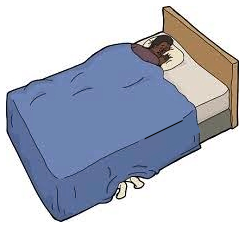
• “There’s something wrong with me if I’m lonely – a sign of weakness, immaturity, a defect in my personality”. Of course this is S-H. If we’re chronically L. then we have unhealed damage, but we’re NOT defective!
a. COVERING UP (passive)
• bad relationships – getting stuck & won’t leave – even when unhappy or scared, assuming we can’t bear to be on our own, that bad better than nothing
• depression – feeling sorry for ourselves, re. loss of support & loved ones, but don’t so anything, or not enough, to relieve it
• fantasy – living in our head, day-dreaming about people, place & things (PPT) we wish we had
• illnesses (real) – artery hardening, inflammation, memory & learning problems, immune diseases…. OR being a =
• hypochondriac (not physically real), unconsciously wanting attention & ‘nurturing’ from doctors or caretakers
• isolati on – fear we’ll be hurt more, never learned to talk or act comfortably, from S-H, guilt & shame, assuming rejection is inevitable
• obsessing – who we wish we were with, what we’ll do some day, what we did wrong, what we should have said, what they think of us ….
• religiosity / ‘spirituality’ – “so heavenly minded you’re no earthy good”, or being overly zealous about beliefs & morals
• paranoia (actually: convinced we’re everyone’s negative focus). The fact that it’s bad attention is painful, but better than none at all!
• procrastination – not taking positive actions from perfectionism & confusion, to not be abandoned & feel L. (WIC beaten up by PP)
• sleeping – associated with depression, as escape (more than 8 hrs, not from over-work, illness or a change in meds)
b. ACTING OUT (active)
• addictions – this is obvious, & now includes spending too much time on social media in stead of face-to-face
• always angry – gives us an illusion of control, even though not real, so it feels better to be angry (that no one loves me) than the vulnerability of loneliness
• controlling – “If I can make everything & everyone be the way I want, I’ll be OK & then not L. & scared”
• fighting – any contact feels better than none
• grandiosity – assuming we can DO more than is possible, pumped up to cover feeling unworthy, making ourselves seem more important, powerful, in charge…. than we really feel – or are
• over-doing – running, running (even if it’s ‘all good’ stuff), so we never  have a minute to FEEL
• suicide attempts – trying to silence the BAD voice, & can’t bear old accumulated pain, not knowing how to heal it
• talking too much – to fill the emptiness, OR when we finally get someone to talk to after stretches of isolation, then a backlog of thoughts & feelings rush out
• touchy – easily hurt by any ‘slight’, experienced as a personal rejection, taking things personally & then lashing out, making it harder to connect – even though we want to 
NEXT: Loneliness in Recovery (Part 1)
 HEAL & GROW for ACoAs
[…] ACoAs – Adult Loneliness (Part 2) […]
LikeLike