
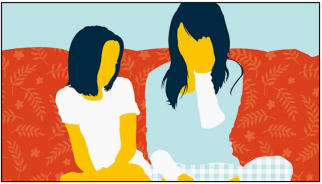
 THEY NE-E-E-ED ME! How can I turn my back on them?
PREVIOUS: HUMOR #6
SITE: Meditation for compassion (“loving kindness”)
1-a. For OTHERS – POSITIVE
“Feeling sorry for” someone may be generated by any situation we personally identify with, or simply caring about the plight of others who are less fortunate. We may or may not be able to do anything practical for the millions who suffer, but on a one-to-one basis, at the very least we can LISTEN to someone who needs a caring heart & ear, without advice or judgment
☆ Empathy : a visceral / emotional experience of another person’s emotions – an visceral mirroring, like tearing up at a friend’s intense sadness or deep loss
☆ Compassion: “a human emotion prompted by the pain of others. More vigorous than empathy, it gives rise to an active desire to alleviate another’s suffering. It is often, though not inevitably, the key component of altruism ….”
☆ Altruism: an action that benefits someone else without expecting repayment.
BUT – does not automatically include personal empathy or compassion, like making an anonymous donation for tax purposes
DEF : ☼ Doing good to others, regardless of self-concern, a behavior that costs the Giver while benefitting the Receiver.
☼ A traditional virtue in many cultures, & a core aspect of various religious traditions”, it’s considered the highest form of love (Agape) – putting aside our own needs to help someone else.
➼ For this type of ‘feeling sorry for’ to be legitimate – the recipient of our concern must be truly in need of help AND not have the ability to do for themselves – at least temporarily.
This is not always easy to determine, especially is it’s someone we care about, if they’re still acting out of the victim role.
See “Rescuing” -vs- “Healthy Helping”.
💙
1-b. For OTHERS – Negative
For ACoAs, the core problem is that we feel sorry for the wrong types.
While we may have a strong caring & compassionate side, which we use for others instead of for ourselves, we misplace our sympathy by focusing it on narcissistic people (parent, spouse or lover, BFF, sometimes a boss, teacher…) who are a bottomless pit of needs.
i. WHO: Anyone who is –
 ☛ emotionally & practically irresponsible. This can not be emphasized enough! These are people who are unwilling to use available resources needed to help themself, hooking us into do it for them! This can be in practical ways, but most often they want to be taken care of emotionally
☛ abusive, abandoning, narcissistic (but often charming) – because they prey on our desperate need to stay attached & feel special. It allows them to “feed on” us without having to give back.
☛ who acts like they need / love / value us, but if we take care of ourself before them by setting boundaries or disagreeing, they’ll throw us under the bus in a heartbeat!
This way of being treated is so familiar from childhood, we think it’s normal & there’re acceptable, so we suppress our angry at the betrayal!
• POTENTIAL does NOT count – when it has to do with others! We’re attracted to selfish people because they’re familiar, & we can rescue them & feel superior.
BUT as long as they refuse to develop their latent capacities – we end up drained, feeling inadequate, disappointed & angry – just like we did as kids.
ii. CAUSE
• our damaged need to feel special (counter feeling powerless)
• copy what we learned from a para-alcoholic parent (usually mom)
• don’t want to face who this (current) person really is, because then we’d have a different relationship with them, or have to leave
 iii. WHAT
Their unhealthy behavior patterns TRIGGER our WIC to:
• (E) feel sorry for them (they’re manipulating this), the way we felt sorry for family members who we tried & tried to fix, but never could
• (A) act out our pre-programmed training to rescue & enable them
• resonate our WIC with theirs, feeling their pain – so we take on the Good Parent role, for them – but not toward ourselves
Instead, we need to be with people who are ALREADY in the process of taking care of themself, & therefore can be available to us without causing a lot of drama & stress.
NEXT: Feeling Sorry for – #2


 anyway, usually by withholding – in our actions, communication, emotions….. and then acting innocent & hurt, asking with a puzzled look, “Why are you getting mad at me?”
 HEAL & GROW for ACoAs