Passive Aggressives – Review for ACoAs (Part 1)


YOU’LL NEVER SEE HOW ANGRY I AM –
I barely know, myself!

PREVIOUS: P-A ‘nice’ comments

SITE: Constructive, Passive & Aggressive Leadership styles


REVIEW
1.The GAME (Post: How its played)
a. DEF : Passive-Aggressive ‘Personality Disorder’ (PAPD)
A 2-handed ‘game’ which always requires the Passive-Aggressive (P-As) person & the Volatile (Vs) one to react (in ‘Games People Play’ – audio – by Eric Berne)

✰ web-MD …. apparently compliant behavior, with intrinsic obstructive or stubborn qualities, to cover deeply felt aggressive feelings that cannot be more directly expressed….

✰ Wikipedia ….. a personality trait marked by a pervasive pattern of negative attitudes & passive, usually disavowed resistance … expressed as learned helplessness, procrastination, resentment, stubbornness, sullenness, or deliberate/repeated failure to accomplish requested tasks for which one is (often explicitly) responsible….

✰ DSM VI …. the behavior often reflects an unexpressed hostility or resentment stemming from a frustrating interpersonal or institutional relationship on which an individual is overly dependent

✰ The Straight Dope …. people who suffer from PAPD expect disappointment, and gain a sense of control over their lives by bringing it about.Screen Shot 2016-06-14 at 11.09.50 PM.png
b. ACoAs: MANY of us grew up in one of 2 emotional climates :
emotionally volatile – being around loud, hyper, dramatic, raging parents / relatives – which has made some ACoAs emotionally gun-shy. We had to sit on our own anger – there was so much flying around, and we didn’t want to be like them, so we shoved our rage into a huge locked room & tried to throw away the key. But now it comes out sideways!
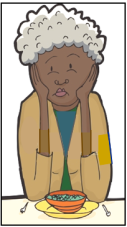
Screen Shot 2016-06-14 at 11.00.40 PMemotionally repressed – the other extreme found some of us in a family of uptight, buttoned down, emotionally cut-off, perhaps P-A types, who made a point of suppressing any intense emotion in their children. They may have believed it was ‘spiritually correct’, or they just didn’t want their own repressed pain to get triggered, &y didn’t have the skill/ tools to deal with ‘big feelings’ from their kids. We either copied their style or became ‘dramatic’ & over-reactive to everything.

• Both styles have deeply effected our relationship to anger & rage.
IMP: These are normal human EMOTIONS (Es), which are just forms of energy & by themselves are not dangerous or bad.
✶✶ What to watch out for are the ACTIONS we take to express these Es! If we express them safely, we don’t hurt anyone & in fact feel lighter & can function better. If they’re expressed badly we can cause pain to others, while adding to our shame, guilt & S-H.

c. Briefly:  P-As ACoAs have a huge amount of accumulated anger & rage (from childhood, as well as in adulthood), which we’re not allowed to feel, much less admit to – in order to be the ‘good’ one. We have cultivated such a facade of ‘niceness’ we’ve fooled ourself (but not everyone).  We may be the Hero or Lost Child from any dysfunctional family –  the Rescuers, the People-pleasers, or the Invisibles. (Toxic Roles”)


no, noP-As compulsively resent, oppose & thwart – indirectly – what we see as demands to function at a level others expect of us. We’re convinced that we’re still not allowed to have real power for  ourself,  afraid to admit our anger at being neglected & unloved.
We end up saying NO to our own needs & wants – and to many things that would be good for us.

So we live in a state of deprivation, expecting others to read our mind & provide what we won’t give ourself . P-As are rarely if ever able to state outright what they want & don’t want, or distinguish between actual bullying & appropriate requests.
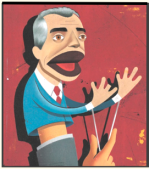
hidden handsSuppressing our anger is a form of negative self-control, then put all the rest of our effort into trying to control other people’s actions & emotions..  In light of our self-imposed limitation, P-As are inwardly driven to push others toward our secret goals: to prove we can’t be pushed around, and to get back at anyone who’s hurt us OR their substitutes) – while seeming to not push at all. (re. controlling). It’s a way  to get our agenda across without risking negative consequences.

NEXT: P-A ACoAs – Review (Part 2)

Fear of Commitment – General (Part 1)

fear of commitment I WANT TO MOVE FORWARD
but he/she doesn’t

PREVIOUS: Feeling Sorry for #3

QUOTEs: “Commitment is healthiest when it’s not without doubt, but in spite of doubt.” ~ Dr. Rollo May, psychologist
• “If you deny yourself commitment, what can you do with your life?” ~ Harvey Fierstein, actor, writer, director

DEF of COMMITMENT:
• an attitude of working very hard to do or support something
• a promise to do or give something, to be loyal to someone or something ongoing or permanent – if at all possible (‘Til death do us part’)
• an instance or the state of being obligated or emotionally driven
• an agreement to perform a particular activity at a certain time in the future, under certain circumstances

POEMby Ashbash 1/13/2005
happy old coule• Commitment is what transforms the promise into reality
• It’s the words that speak boldly of your intentions, & the actions which speak louder than the words
• It’s making the time when there is none
• Coming through time after time after time, year after year after year
•  Commitment is the stuff that character is made of
•  It’s the power to change the face of things
• It’s the daily triumph of integrity over skepticism
➼ When I say I love you, I mean that I’m committed to loving you even when it’s hard.

⚑ GENERAL
 Fear of Commitment (FoC) is usually about relationships. However, the issue is much broader than that.
Lack of commitment shows up by not pursuing or completing :  education, career, hobbies, work projects, ones hopes & dreams, ideals & ethics – as well as relationships…. anything we’re procrastinating about, or avoiding.

“Putting things off” may  :
• be something we want very badly but which our unrealistic or inaccurate beliefs (CDs) keep us from pursuing
• come from trouble deciding on anything – where to go on vacation, what to eat in a restaurant, which courses or job to take, go to the party or stay home….
…. because we don’t know ‘who we are’, wanting to do everything at once, afraid someone will be mad at us, afraid to make the wrong decision…. (Posts: Putting things off // Procrastination)

⚑ WAYS of AVOIDING Emotional Commitment (using T.E.A.)
1. Mental (Thoughts)
• afraid to lose out on other (possibly better) options
• afraid / refuse to talk about a future with a partner
no in love• compulsively having one foot ‘out the door’, thinking or saying “I can always leave if you….”
• focus on the negatives of the other person, continually criticizing / hurting our partners

• have a long list of impossible requirements, too high expectations
• make unrealistic assumptions about that we’ll get from the other person or from the relationship

2. Emotional (Emotions)
• always depressed, needy or angry, keeping others away
• always looking for / chasing new sexual partners, no matter how unsuitable, unhealthy, unstable (even when in a relationship)
• form attachment only if no long-term demands are put on us (moving in, marriage, children…)
• not being worthy, afraid to make any mistakes
• over-reactions, mood swings, unwilling to talk about emotions
• only have a series of superficial relationships that can’t go anywhere
• unjustified jealousy, always worrying about ‘being left’
• unwilling to risk — trying new things, moving out of ones comfort zone

3. Physical (Actions)
• date only ‘unavailable’ people (addicts, married, narcissists, long distance…), &/or people they’re ashamed of
• frequent job/career changes, &/or address changes

• isolate & avoid situations where they could meet potential dates/lovers… from fear of criticism, loss of freedom &/ or identity
• leave too soon, before giving it a change – find fault with everything, run at the first sign of conflict or power struggle
• often backing out of plans at the last-minute

NEXT: Fear of Commitment (#2)

Types of ABUSERS (Part 2)

THEY SAY THEY LOVE ME
but I still feel trapped

PREVIOUS: Types of Perps (Part 2b)

See ACRONYM Page for abbrev.


ABUSER STYLES

1. EMOTIONAL PREDATOR
🧩 These are the chameleons, who can be all things to all people – smart & sneakily manipulative.  At first you – the Victim (V) – feel important, seen, heard, understood – but after a while you realize you’re caught in a web – you’re the slave, the child, the worshiper – but never an equal, never separate, as your own person

☻ Perpetators (P) have a natural instinct for sensing people who are vulnerable or sensitive, that have low self-esteem, have weak emotional & sexual boundaries, are sexually frustrated, lonely, needy, bored, desperate for a relationship, on the rebound, ignored, wounded… so the predator can take advantage

exciting charmer☻ If you are their mark, they’ll watch your eye & body language, & listen carefully to what you say – especially when you’re least aware – all before spending enough time to actually know all of you. THEY :
♢ are a smooth talker saying all the right things to make you feel good
♢ use their observations to act like they have all the same interests as you
♢ seem to magically know you right away – so they sound insightful, ‘deep’ & the soul mate you’ve been waiting for!

☻ To sweep you off your feet – they come on fast & strong, create a lot of excitement & fun, while keeping an air of mystery about themself
♢ are overly helpful, comforting & understanding – as they take over every aspect of your life by becoming adviser, parent figure, spiritual leader, mentor
♢ ‘magically’ fulfill your physical, financial, emotional needs
♢ move in or want to get married too quickly
♢ push right away to get every detail of your life & most private info (bank accounts, family connections….)

2. MENTALLY / EMOTIONALLY ILL
mental illnessa. Medical : Active chemical Addictions, Manic-Depression, Schizophrenia, OR any illness used as defense, to exploit someone or as a stick to keep others in line
They :
• are currently being treated for a psychiatric disorder such as Manic-Depression, are on any kind of heavy-duty psychiatric medication
• are on disability for a mental condition, usually long-term
• have been jailed for illegal or ‘crazy’ behavior &/or hospitalized for emotional problems or life-threatening acts
• have been / are under the supervision of a case manager with community mental-health services

b. Personality Disorders  – many of these abusers were taken to counseling as a child with no improvement, & have not been helped or changed with adult counseling or medication
⚑ Dramatic/ erratic: Antisocial, Borderline, Histrionic, Narcissistic, Passive-aggressive PDs
⚑ Fearful / anxious: Avoidant, Dependent, Obsessive-compulsive, Paranoid, Schizoid (NOT schizophrenic) PDs
They :
• always bring the conversation around to themself
• are inflexible & have trouble being spontaneous. Use B & W thinking
• believe or act as though rules are for everyone else except them
• engage in daredevil /dangerous behaviors, think they’re special, unique – and should be treated as such
• have trouble keeping a job, relationships, a place to live….

3. PARENT SEEKER – THEY:
• are passive aggressive : expect or demand that you make choices for them, & then blame you for being controlling, & complain / whine when they don’t like what you picked
•  claim they want / need you to do things for them because it makes them feel good – AND you’d want that, right?. Pout or guilt-trip if you don’t wait on them hand & foot
• don’t have & don’t want outside friends, relationships, or interests
They
• expect special treatment because they’re ‘needy’, wounded, damaged, suffering… 
parent seeker• expect a parent figure (mentor/caretaker) to handle all areas of their life
• need constant reassurance they’re OK
• may have had several failed relationships, all with a history of being rescued, kept, or protected in various ways – ie. infantilized
They 
• underachieve to avoid responsibility or the possibility of failure
 • want you to make all big life decisions for them, be told what to do, act incompetent (they’re really not) & need direction to get anything done
• want to be waited on, & refuse to do even basic things for themself or help with adult chores
(Modified from : Stop Abusive Relationships“)

NEXT: Abuser Types #3