
 «
«
PREVIOUS : Overdoing in Relationships (#2)
Also POSTS 4b, 4c, 4d – in June, 2026
CORRECT Over-functioning
1. Self-Awareness
 To unhook from toxic productivity, you need to become so frustrated, tired of doing your life the same old way, feeling physically exhausted & mentally weary – even a little hopeless – THAT you’re willing to do the hard work of changing your patterns. (you’re used to hard work, right?)
But this is different. The irony is that you have to slow down first, so you can dig a little & ask the important questions , like why you started taking on so much in the first place. (see the Laundry List, both versions & their positive opposites)
Maybe you’re starting to admit & accept that your way of being “productive” is pulling you in the wrong direction. Understanding what motivates you can help re-define your approach to productivity, letting go of unnecessary internal demands (Toxic Rules, co-dependence, self-hate, the introject….) & external pressures from everyone else.
Self-Motivation : Acknowledge AND accept that now you’re the main influencer in your life. The most powerful determinant of your safety is in yourself, empowering you to take charge of your actions & well-being. ASK : “When it feels like I’m not doing enough, what actions do I compulsively gravitate to ? How is this working? AND What price do I have to pay for my choices?
 Finding the right balance in life is an ongoing process that requires self-awareness & intentional choices. By prioritizing, setting boundaries, & maintaining self-care, you can avoid the pitfalls of overdoing – everything.
** Success is not constant productivity, but achieving a sustainable & fulfilling life that covers both professional & personal arenas.
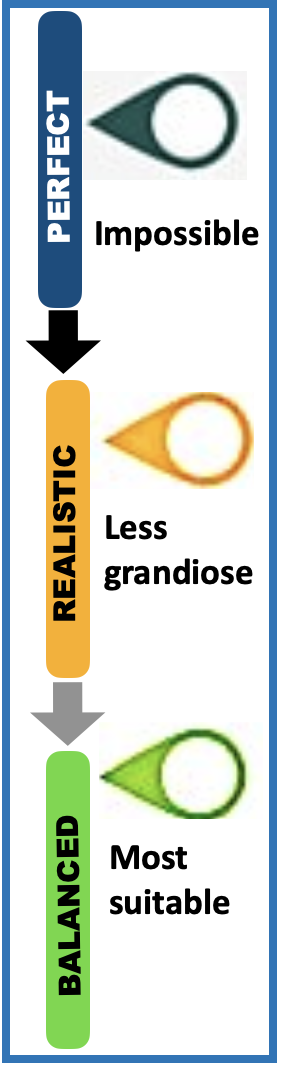 2. Nothing is Perfect : Deliberately reject the “Lie of Perfectionism“. It’s an illusion, a form of narcissistic grandiosity & not possible to reach – at all. The WIC is convinced that if you’re perfect, then finally they’ll accept & love you. Has it worked so far? You can not earn love! so over-doing is wasted effort, time & energy.
In relation to “perfect” – your best is more than good enough – a-day-at-a-time, ‘Just for today” . You can’t really do everything so work at the art of letting go & give others the opportunity to handle tasks their way, in their own time.
Picture : cut your high expectation in half, of yourself or an activity, and do that. At least you’re not burning out from futile effort. At best – you may feel better about yourself & maybe even enjoy !
3. Establish Boundaries
Start by identifying your needs & consider what your time & energy capacity is – on any given day.
Then clearly define your personal & professional boundaries.
To break the cycle of overdoing, anticipate temporary discomfort or anxiety – internally & from others – as you start using more balanced behaviors. Commit to the √ new boundary √ so your brain 🧠 can get used to it & overcome fearful thoughts through repeated exposures.
The modifications you chose may include saying no to an extra project at work or limiting your availability. Not checking emails / texts after dinner or 8pm ? AND, every day – set aside time to relax, take an hour to do something just for yourself, get hugs from your spouse, play with children & pets, have dinner with a friend….. But no bizzyness !
❣️Respect your own boundaries, & others will likely follow suit.
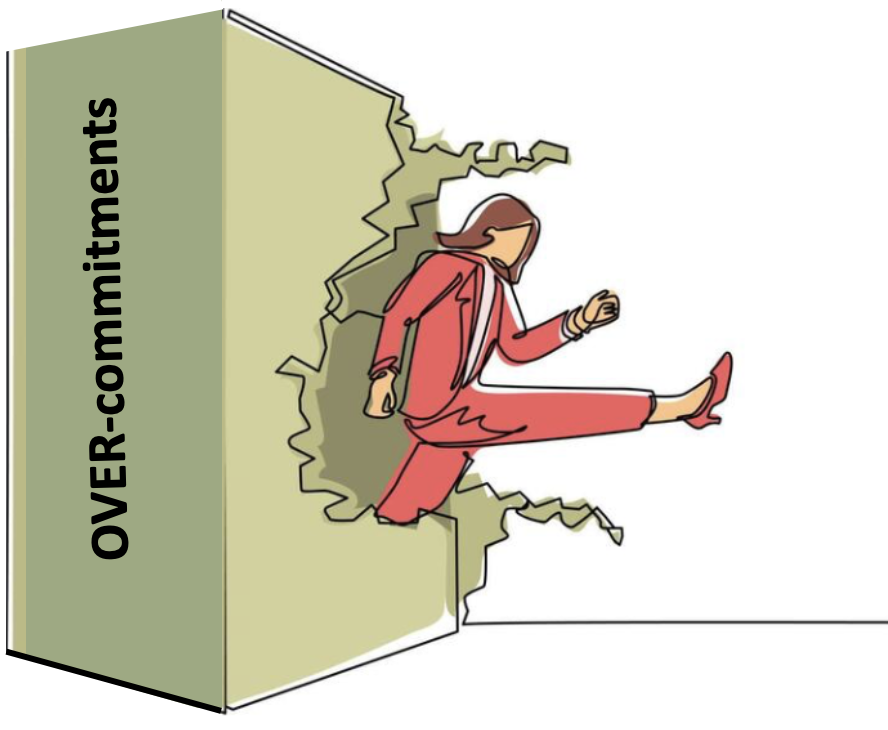 IMP : When establishing boundaries, be clear about the difference between danger & dislike, between real or potential consequences of the changes you’re making vs. the discomfort of others not liking your new way of doing things.
Over-doers tend to assume our new choices will only & always have negative results, which drain psychological energy. Facing your fears by following thru’ with the boundaries you’ve set, however unpleasant, leads to relief, as you get to separate genuine danger from mere dislike.
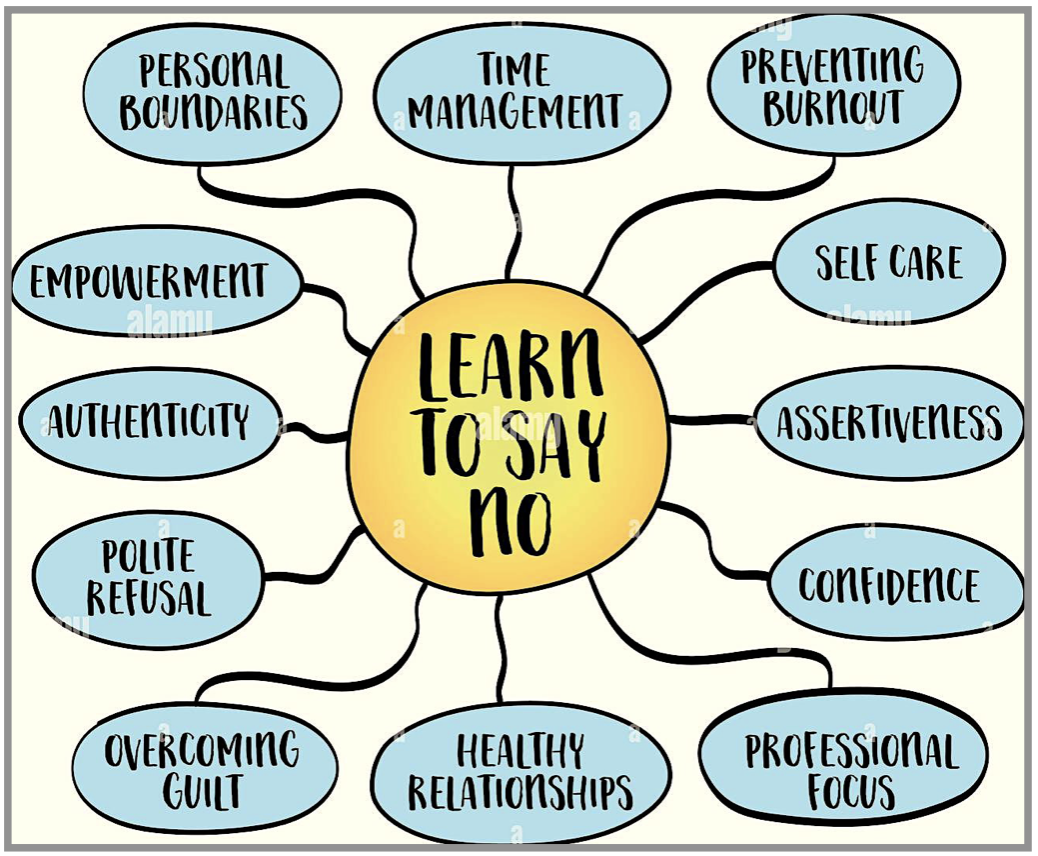
NO is a complete sentence.
Saying no is a powerful skill that can prevent you from taking on too much. It stifles short-term burnout & promotes long-term consistency & effectiveness.
Know your limits & be selective about the commitments you accept. Politely declining additional responsibilities or social engagements when your plate is full. Saying NO strategically can help maintain a healthy balance. Ironically – you’ll get more done, but more to your & others’ benefit.
NEXT : Growth for Over-doing (4b)
 HEAL & GROW for ACoAs