
PREVIOUS : Attachment – DYSFUNCTIONS #3
💚 ME-no / YOU-yes
This is the most common ACoA attachment style, and directly explains co-dependence in relationships . This is the second largest attachment type group, at about 20% of the population.
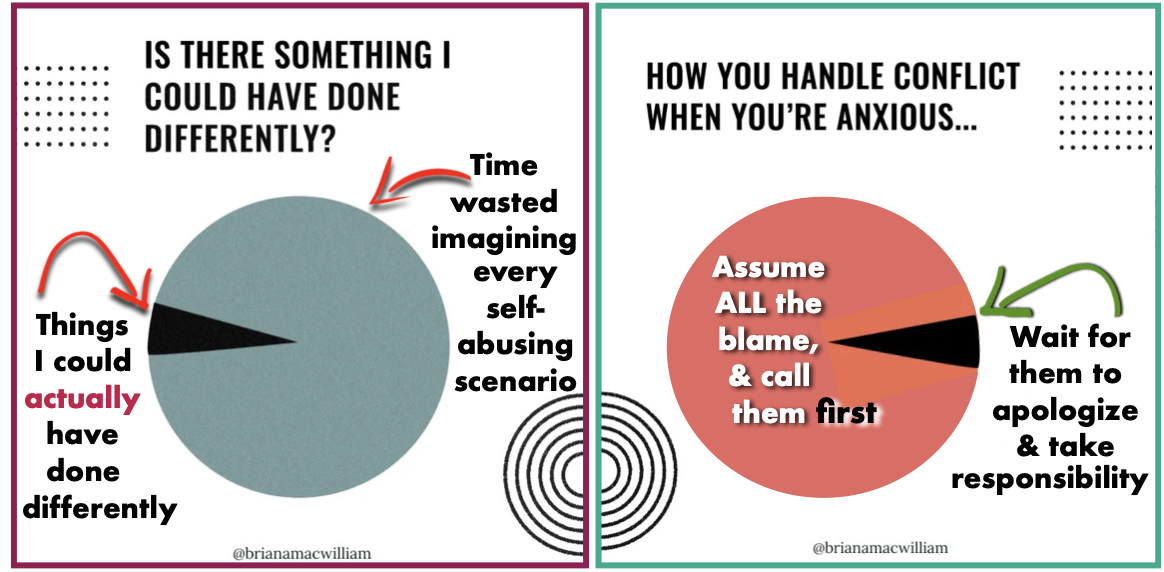
People with Anxious (fearful) PREOCCUPIED style (APAS) have a totally
🔻negative ➖ view of themselves = undervaluing, &
🔺positive ➕ view of others = overvaluing .
Sadly, because of feeling unworthy, they’re convinced that no one cares about them as much as they care about others. Seeing others as better than themself, they’ll go above & beyond to hang on ‘special’ people in their lives, trying to keep the partner happy & avoiding conflicts. They can be loving, forgiving, loyal & thoughtful, BUT not be able to accept genuine kindness & help in return. 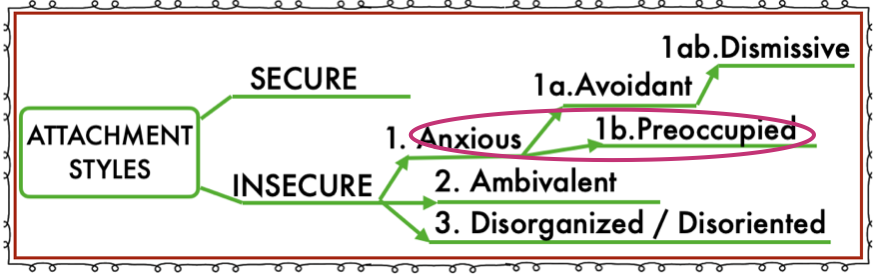
CAUSEs of Anxious Preoccupied Attachment Style
a. Growing up with parents who could not provide stable or consistent support, (engaged & responsive to the infant’x needs, then unavailable or distracted) —> it’s likely the chid will develop ‘uncertainty anxiety’ about whether its needs will be met or not .
b. Conversely, with an overly-protective parent who catastrophized every minor frustration, inconvenience or disappointment – this child may also develop APAS = because it never feels safe, & is worried even in mildly uncomfortable situations, much less real problems.
As children, Preoccupieds often had to be responsible for their parents’ emotions, rather than the other way around. They obsessively (hopelessly) tied to please their parents, leaving them angry & disappointed.

Later, this early inconsistent relationships & lack of boundaries results in adult confusion about what our emotions & perceptions are – vs – those of others.
As preoccupied children grow up, they’re often too self-absorbed to quietly listen to emotional messages sent by others, & likely to be unreliable partners in games or at work. EXP : In one study – preoccupied students – enmeshed, angry & incoherent when talking about their parents – “were seen by their peers as anxious, self-absorbed & ruminative (obsessive)”.
Not yet able to get a grip on what happened to them, Preoccupies’ memories of their early life come out in a confused stammer. so the trauma isn’t integrate it into an understandable picture that that could set them free.
Still so psychologically enmeshed with their parents, their infantile emotional flooding bewilders them & keeps them in dysfunctional patterns.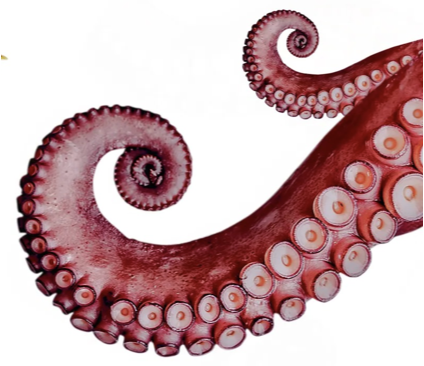
SITE: 10 causes of developing APAS in childhood
CHARACTERISTICS
At an extreme, especially when with either a Secure or a Dismissive partner, APAS’s constant demands for attention (too needy) makes them “high maintenance”, which can drive others away.
YOU :
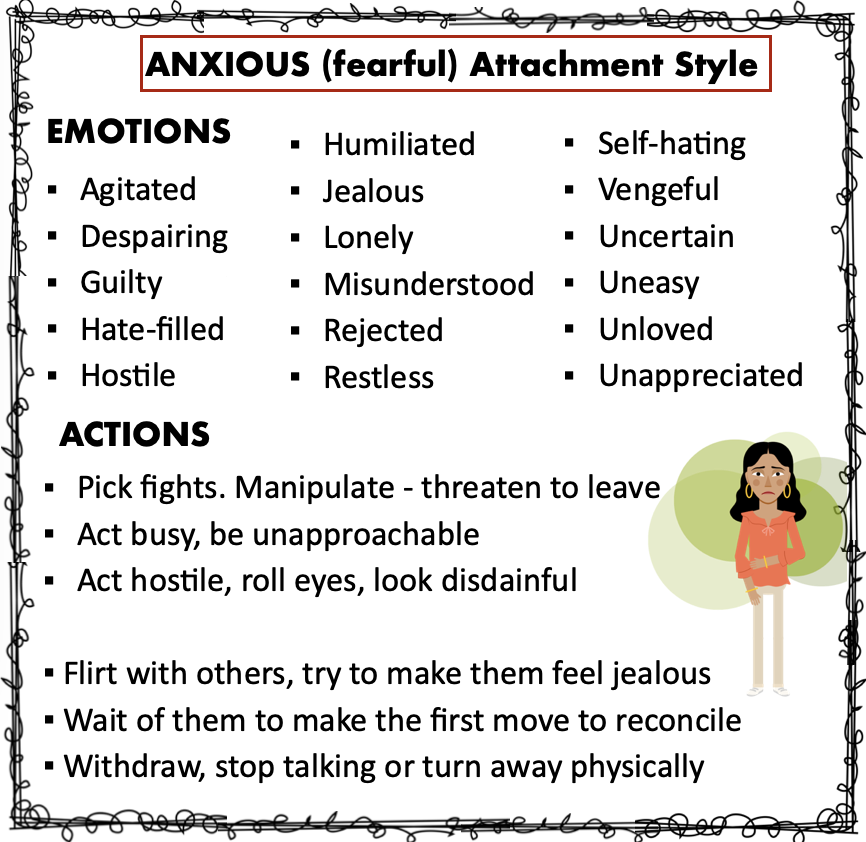
❥ have a low avoidance threshold (always be with someone, so date a lot), but at the same time have high social anxiety
❥ tend to idealize other people, & are desperate to form a fantasy bond
❥ are too concerned with what others think about you, creating a dependence on their acceptance to feel OK
YOU
❥ are overly-involved & clingy when in relationships (symbiosis & co-dependence, people-pleasing)
❥ compulsively reach out to others to fulfill your needs, expecting a partner to rescue or complete you
❥ tend to fall head over heels in love with a new romantic interest – too fast – because of emotional hunger
YOU
❥ have a distorted view of reality : convinced that to be close to someone & get your needs met, you have to be with that person all the time to get constant reassurance, BUT——>
<—— because of self-hate & fear of abandonment, you choose someone who is isolated & hard to connect with 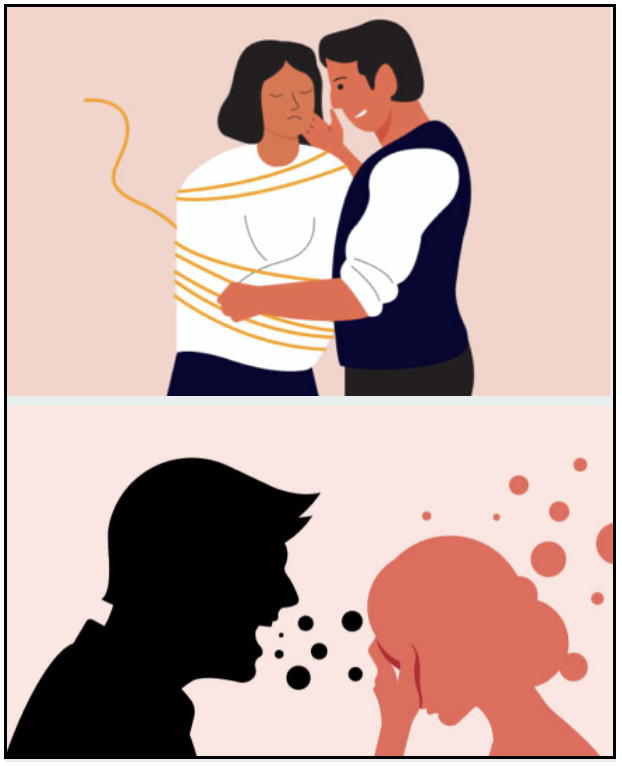
❥ find it hard to identify & stick to boundaries, seeing any space between you two as a threat, assuming it means your partner no longer wants you, which can trigger panic & anger
❥ interpret the partner’s (normal & appropriate) independent actions as proof of your abandonment anxiety, which is fueled by your self-hate. You then use guilt, controlling behavior, or other manipulative tactics to keep them close.
EXP :If the partner socializes with friends, you’ll think, “See? He /She doesn’t really love me. This means they’re going to leave me. I was right not to trust them” …..
SUMMARY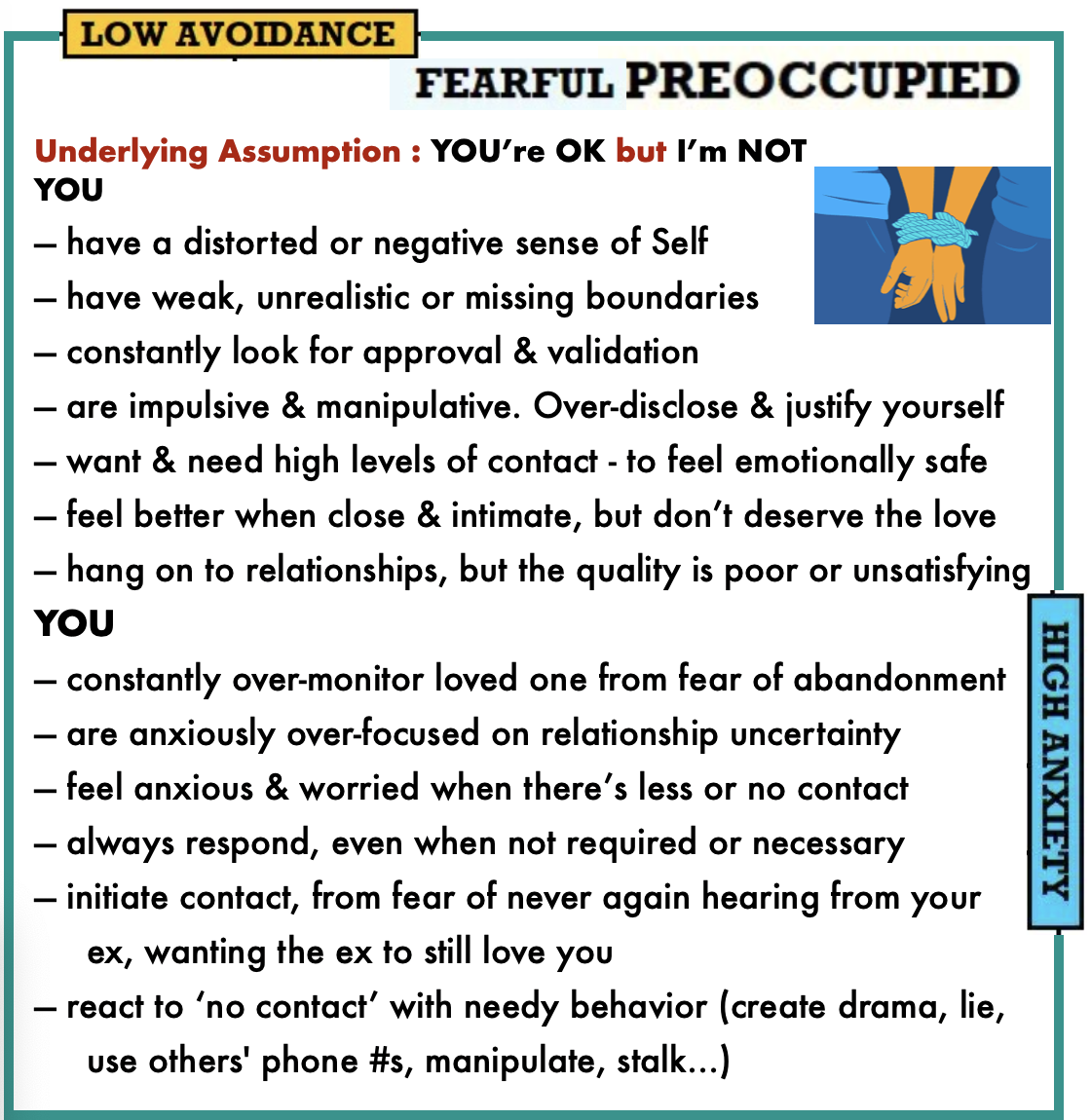
NEXT: Anxious-Avoidant Style #2


