
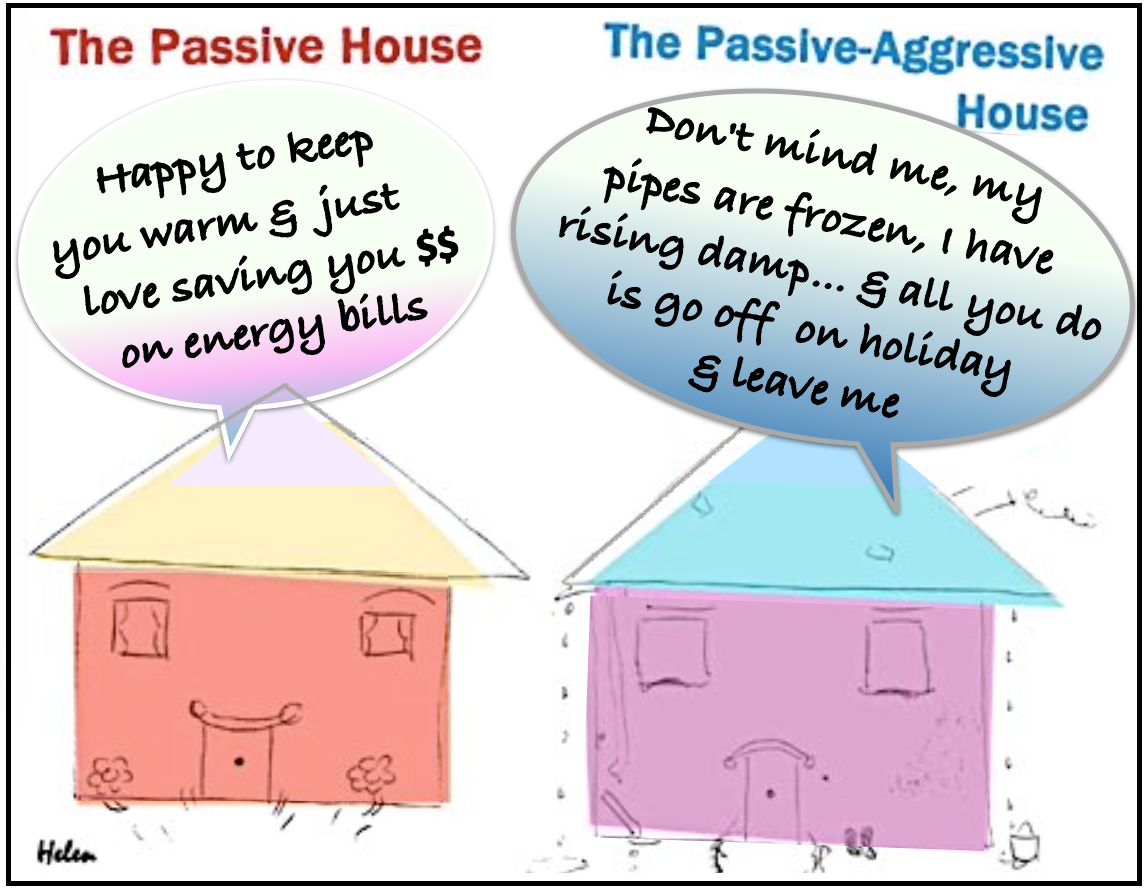
YOU’LL NEVER SEE HOW ANGRY I AM –
I barely know, myself!
PREVIOUS: P-A ‘nice’ comments
SITE: Constructive, Passive & Aggressive Leadership styles
REVIEW
1.The GAME (Post: How its played)
a. DEF : Passive-Aggressive ‘Personality Disorder’ (PAPD)
A 2-handed ‘game’ which always requires the Passive-Aggressive (P-As) person & the Volatile (Vs) one to react (in ‘Games People Play’ – audio – by Eric Berne)
✰ web-MD …. apparently compliant behavior, with intrinsic obstructive or stubborn qualities, to cover deeply felt aggressive feelings that cannot be more directly expressed….
✰ Wikipedia ….. a personality trait marked by a pervasive pattern of negative attitudes & passive, usually disavowed resistance … expressed as learned helplessness, procrastination, resentment, stubbornness, sullenness, or deliberate/repeated failure to accomplish requested tasks for which one is (often explicitly) responsible….
✰ DSM VI …. the behavior often reflects an unexpressed hostility or resentment stemming from a frustrating interpersonal or institutional relationship on which an individual is overly dependent
✰ The Straight Dope …. people who suffer from PAPD expect disappointment, and gain a sense of control over their lives by bringing it about.
b. ACoAs: MANY of us grew up in one of 2 emotional climates :
✶ emotionally volatile – being around loud, hyper, dramatic, raging parents / relatives – which has made some ACoAs emotionally gun-shy. We had to sit on our own anger – there was so much flying around, and we didn’t want to be like them, so we shoved our rage into a huge locked room & tried to throw away the key. But now it comes out sideways!
 ✶ emotionally repressed – the other extreme found some of us in a family of uptight, buttoned down, emotionally cut-off, perhaps P-A types, who made a point of suppressing any intense emotion in their children. They may have believed it was ‘spiritually correct’, or they just didn’t want their own repressed pain to get triggered, &y didn’t have the skill/ tools to deal with ‘big feelings’ from their kids. We either copied their style or became ‘dramatic’ & over-reactive to everything.
• Both styles have deeply effected our relationship to anger & rage.
IMP: These are normal human EMOTIONS (Es), which are just forms of energy & by themselves are not dangerous or bad.
✶✶ What to watch out for are the ACTIONS we take to express these Es! If we express them safely, we don’t hurt anyone & in fact feel lighter & can function better. If they’re expressed badly we can cause pain to others, while adding to our shame, guilt & S-H.
c. Briefly: P-As ACoAs have a huge amount of accumulated anger & rage (from childhood, as well as in adulthood), which we’re not allowed to feel, much less admit to – in order to be the ‘good’ one. We have cultivated such a facade of ‘niceness’ we’ve fooled ourself (but not everyone). We may be the Hero or Lost Child from any dysfunctional family – the Rescuers, the People-pleasers, or the Invisibles. (“Toxic Roles”)
 P-As compulsively resent, oppose & thwart – indirectly – what we see as demands to function at a level others expect of us. We’re convinced that we’re still not allowed to have real power for ourself, afraid to admit our anger at being neglected & unloved.
We end up saying NO to our own needs & wants – and to many things that would be good for us.
So we live in a state of deprivation, expecting others to read our mind & provide what we won’t give ourself . P-As are rarely if ever able to state outright what they want & don’t want, or distinguish between actual bullying & appropriate requests.
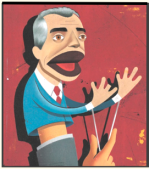 Suppressing our anger is a form of negative self-control, then put all the rest of our effort into trying to control other people’s actions & emotions.. In light of our self-imposed limitation, P-As are inwardly driven to push others toward our secret goals: to prove we can’t be pushed around, and to get back at anyone who’s hurt us OR their substitutes) – while seeming to not push at all. (re. controlling). It’s a way to get our agenda across without risking negative consequences.
NEXT: P-A ACoAs – Review (Part 2)
 HEAL & GROW for ACoAs