

IF I REALLY WANT TO GROW
I have to crack thru my walls
PREVIOUS: Disorders #4a
SITEs : PDs PLAY DEFENSE
• EnneaType DEFENSES
2. NEUROSES
3. PERSONALITY DISORDERS (PDs) (cont.)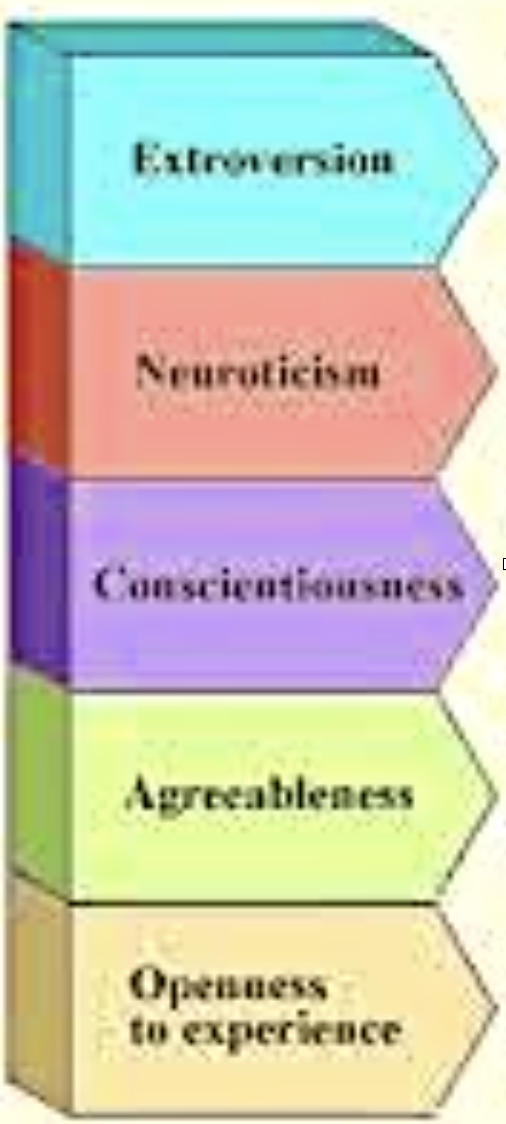
The Five Factor Model (FFM) groups human characteristics into:
1. Openness – re. Intellect
2. Conscientiousness – re. dependability
3. Extroversion – re. hi levels of positive emotions
4. Agreeableness – re. sociability
5. Neuroticism – re. emotional stability (MORE…. w/ assessments)
SIDEBAR: A study of 468 young adults at risk for becoming alcoholics used a questionnaire based on the FFM. It was designed to correlate: risk for alcoholism, alcohol-use disorder, & alcoholism subtyping . Some results:
• Familial risk for alcoholism was positively associated with openness, and negatively associated with agreeableness & conscientiousness.
• Alcohol use disorders were positively associated with neuroticism, and negatively associated with agreeableness & conscientiousness.
With the exception of family alcoholism, & a dual diagnosis with Antisocial PD • all other alcoholic subtypes related to at least one of the 5 FFM.
E.M.Jellinek’s (1960) 5 SUBTYPES of alcoholism :
🍷ALPHA : Based in mental & emotional problems, drinking to drive away depression, stress, or anxiety
🍷 BETA: almost daily heavy drinking, leads to various physical & psychological symptoms
🍷 GAMMA: sudden cravings for alcohol after 1 or 2 episodes of ‘social drinking’, becomes continual drinking, drunkenness & full-fledged alcoholism
🍷 DELTA: the habit of drinking small amounts throughout the day, without ever really getting drunk. Like Gamma, but with inability to abstain, instead of loss of intake control
🍷 EPSILON: ‘periodic’ – drinking at regular intervals until they pass out completely – called dipsomania, but are sober more often than drunk
ALSO: 5 types of alcoholics, re. ‘Progressive Symptoms‘
PD develops from : Environmental, genetic, pre-natal factors, as well as unhealthy parenting (no affection + harshness). Pathology is the extreme reverse of the BIG 5 :
1.PSYCHOTISM (➖ Openness – mental lucidity)
Eccentricity / Unusual or unrealistic beliefs & experiences
2. DIS-INHIBITION (➖ Conscientiousness)
Distractible / Impulsive / Irresponsible / Rigid perfectionism / Risk taking
3. DETACHMENT (➖Extroversion)
Avoid intimacy / Depressed – long term / Joyless / Limited emotional range / Suspicion-paranoia / Withdrawal
4. ANTAGONISM (➖Agreeableness)
Attention seeking / Callous / Deceitful / Grandiose / Hostile / Manipulative
5. NEGATIVE AFFECT (➖ Neuroticism – emotional stability)
Anxious / Over-reactive w/ mood swings / Persistent talking or movement / Hostile / Submissive / Separation anxiety
💚
PDs & DEFENSES 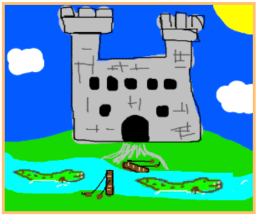
In the present – staying entrenched in defenses means the walls of the castle are high, the gate is up & the alligators are in the moat.
This makes it very unlikely you can take in another point of view – which is all that matters to you – (such as aBR), to keep everyone from adding to your vast pile of insecurities.
Where are your INNER archers & guys with the vats of boiling oil?
NEGATIVE Toxic Beliefs lock us inside our armor, keeping us from being flexible in our thinking or adaptable in our actions. They lead to a defensive stance in life, as a dysfunctional way of protecting ourselves. Each PD can use one or more Defense Mechanisms to maintain their False Self .
EXP: NPDs & Anti-soc PDs share mirror image-distorting defenses – such as Omnipotence or Devaluation
— NPD uses Splitting of self-images, & Anti-Soc PD uses disavowal defenses like Denial
— Borderline is also strongly associated with image-distorting defenses, mainly Splitting & the hysterical level defenses of Dissociation & Repression
The following list is similar to the one in Part 4a, but here it’s referring to core statements which are each type’s defense (7 out of the 10 PDs, including defensive statements, as well as healing goals for each)
AVOIDER: “I don’t want to be hurt, ever, because I can’t bear it”
BORDERLINE: “No one is allowed to leave me, no matter how much I mistreat them”
DEPENDENT: “Please take care of me”
HYSTERICAL: “Please pay attention to me”
NARCISSIST: “Please help me achieve success because I’m special”
OCD : “I act right & the world would be a better place if everyone else did too”
PARANOID: “It’s important to keep myself safe – people are not trustworthy & the world is dangerous”
«
 HEAL & GROW for ACoAs