
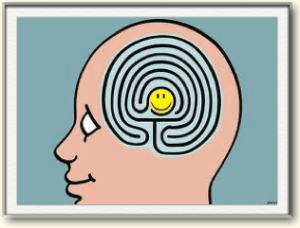
 IT’S MUCH BETTER FOR ME – to be in control, than to be controlling
PREVIOUS: What is Self-Control ? (Part 4)
SEE post: ‘ACoAs Acting controlling’
QUOTE: “To enjoy freedom we have to control ourselves” ~ Virginia Woolf
SELF-CONTROL and PRESSURE
1. Neutral: No Pressure – a free environment with no competition, where you can do whatever you want. Self-control is based on however you feel at the moment. With no one else to compare to, people will be more -or- less motivated, depending on the urgency of whatever they’re doing, or their ability to self-motivate
ACoAs – re.‘ Neutral’, children left too much on their own, without guidance or boundaries, can end up floundering, lacking self-motivation. Notice : now with open chunks of time we say “I don’t know what to do”, OR “I have so many things I could do / should be doing – I don’t know which one to pick”.
So we end up wasting the opportunity by doing nothing or just puttering around. Then we feel frustrated & upset with ourself.
2. Negative: Bad Pressure – In a judgmental & prejudicial environment with no competition, people can get depressed, unmotivated & lose self-control.
REVIEW: Emotional Power over others and
Emotional over-Control of oneself are similar because they :
• both try to unfairly influence inner feelings, beliefs, attitudes, values
• are inappropriate internal strategies for dealing with issues, conflicts or mistakes
• are less obvious than physical methods, being manipulative, sneaky, dishonest
• produce subtle results (harder to catch), BUT ↓
• can be identified by resulting signs — depression, discouragement, emotional suppression, insecurity, low self-esteem, negativity & pessimism
3. Positive: Good Pressure – Being in a competitive but non-judgmental, non-prejudicial environment which helps people become motivated, inspired & gain self-control, making them want to be like others around them
STUDY from Humboldt University, Germany:
Broad styles of emotional control can be identified early in life. This study followed children for 19 years, starting at age 4, then divided them into young people who were –
a. Under-controlled: disagreeable & lacked self-control. “When feeling frustrated they acted aggressively towards others, n spite of the negative consequences.”
 b. Over-controlled: emotionally brittle, introverted, tense, quiet, self-conscious & uncomfortable around strangers. Who “… control their emotions too much, so are less ‘natural’ & spontaneous. Being slow to warm up, they are seen by others as shy.”
c. Resilient (balanced): self-confident, emotionally stable, with a positive orientation toward others. These were “good at modulating their emotions, interacting with others & bouncing back from adversity”
✳️ One observation from the study was that – “compared to the resilient children, the other 2 types took longer to move into adult roles, such as leaving home, starting a romantic relationship or finding a career. Accomplishing these milestones requires social adeptness that the over- & under-controllers take longer to develop….”
COMMENTS : Types a & b are likely the result of unsafe childhood experiences combined with each child’s native style of emotional reactivity. This affects brain chemistry, & therefore how we react to life as adults. Regardless of which underlying personality type we’re born as , pre-Recovery ACoAs are rarely Resilient, but more likely over- or under-controlled, from childhood trauma.
⚡︎ ⚡︎ SO : coming from a turbulent, dysfunctional home, the Impulsive child can easily turn out to be the trouble-maker or drama-queen, AND the Shy one ends up isolated, depressed & marginalized (Scapegoat or Lost Child)
Resilience : by comparison, coming from a safe family, Extroverts can grow up to be dynamic go-getters AND Introvert become the quieter ones who successfully use their influence & skills in-the-background.
STUDY – by Jerome Kagan, from Harvard U, His team used MRI scans to show that the brains of young adults – who were identified as being shy when toddlers – worked differently than the more Extroverted ones when they were small. Of course, there are many other factors, including class, that make a difference in how children mature.
Ultimately, healthy Self-control is a combination of:
• being in charge of your WIC – by forming a relationship with him/her, so your UNIT is the stronger voice – reasonable, trustworthy & KIND
• AND stopping the PP from bullying the Inner Child into staying hooked by the family disease, who will either rebel or fold in reaction.
NEXT: What is S-C ? (Part 6)
 HEAL & GROW for ACoAs