
 I JUST KNOW SHE HATES ME – she didn’t even look at me today
PREVIOUS: Being Controlled (#1)
REVIEW posts: “Noticing Painful Events”
SITE: Over-controlling Parents Irritate Adult Children
Our PARENTS still control our thought & emotions IF we:
• feel guilty & afraid when we want to reduce contact with them or sever it all together
• spend time or talk to them more from obligation than choice
• find it hard to be emotionally separate from them (feel their Es for them, care too much, assume you know what they need…)
• FEEL intimidated or belittled by how they treat us:
— afraid to express our true E. & opinions to them
— get tense even thinking about being around them
— confused by their mixed messages & double binds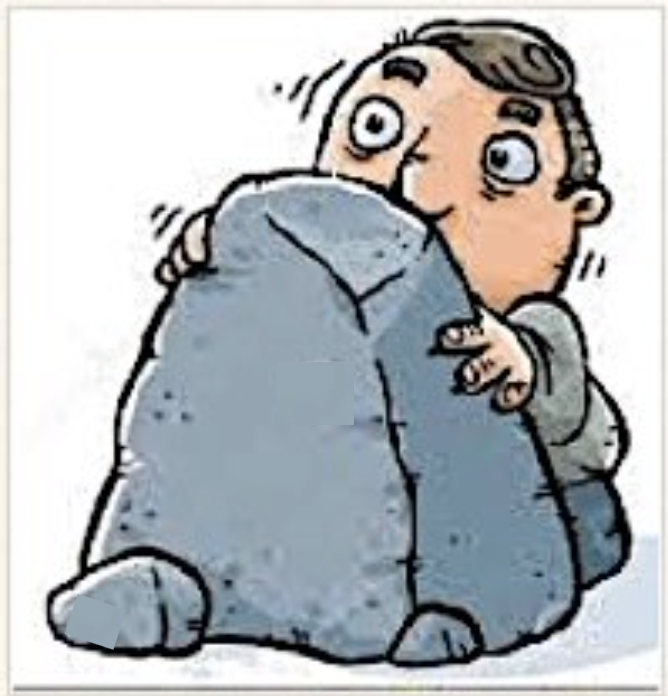
— feel disloyal when we act or feel differently than what they want
— are easily annoyed or impatient with them without knowing why
RESULTS of being over-controlled as a child, NOW
Emotionally we
• expect everyone to hurt, judge or take advantage of us
• feel chronically empty or numb inside, easily bored, restless
• frantically try to avoid real or imagined abandonment – by clinging, people-pleasing, being invisible….
• are intimidated by or feel enraged at controlling people
• experience temporary dissociation (splitting), disconnecting from self or others
 Mentally / Socially we
• feel like we’re always under scrutiny – even when alone
• perfectionistic, driven, rarely satisfied – especially with ourself
• keep isolated from shame & so ‘no one can hurt or leave us’
• lose ourselves in relationships by only considering others’ needs
• over- & then under-value people we get too close to
• find it hard to relax, laugh or be spontaneous
We HAVE:
 Emotionally / Spiritually
• mood swings not caused by bipolar disease
• inappropriate & intense anger; difficulty controlling our temper
• trouble asserting ourself or feeling proud of our accomplishments
• trouble finding a spiritual belief, or one that feels right
Mentally / Behaviorally
• chronic obsessive thoughts, without trying solutions
• confused or distorted self-image: “Who am I really?” , “What do I really look like?” (ugly, fat, too thin too short….)
• paranoid thinking – as a usual way of experiencing others
WITH
• the harsh “inner critic” torturing us, especially after a loss
• impulsivity – can’t control our choices & reactions
• compulsive self-damaging behaviors in 2 or more areas of life (eating disorder, addictions, fights, under-achieving….)
• recurring suicidal thoughts or tries
Present-day CAUSES of ‘Abandonment’** PAIN
• Abusive mate, adult-child, boss, friend, elderly parent
• Inaccurate, harsh, judgmental & prejudicial religious beliefs & leaders…
• Loss of a real or imagined beloved person, animal, thing or place
• Unkind or threatening communications (in any form)
• Unfair or abusive political & social laws, policies, rules.
** Technically, adults cannot be abandoned, unless they’re physically or mentally incapacitated, so the term applies to children.
🦋
MEN & CONTROL
Men who are unconsciously ruled by their unresolved Abandonment (A.) issues are fearful & insecure. They often use rage as a way to cover this up, since they know something’s wrong inside, but don’t know how to or refuse to uncover & deal with it.
 In many cultures men are ‘allowed’ to be angry rather than sad, hurt & vulnerable.
Using the male stereotype of maintaining power, they may:
• be charming & clever, but manipulative & self-centered
• withdraw from everyone, to control themself
• control others by verbal, physical, sexual or psychological abuse …. to transfer their emotional pain onto others.
WOMEN & CONTROL
Woman usually have a greater capacity for awareness of their emotional states than men (see post on DIFFERENCES between M & F brains), but still need to learn how to handle them appropriately. When unresolved A. issues overwhelm, women who haven’t learned to be in charge of their inner turmoil will instead turn to the external world for things they CAN control :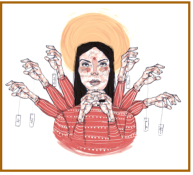
• themself – weight, clothes, shopping, obsessions, self-harm, chemicals…..
• others – jealousy, over-protectiveness, bossiness & nagging, fixing…..
Also, to ‘manage’ their pain they’re more likely to find others to hurt them. But while playing the victim role they can still do a lot of damage, to other adults & especially to their children.
BOOKs by J. Ray Rice: “Thank You for Loving Me…” (originally for teens in treatment for Abandonment) and “What I Must Give Myself – First!”
NEXT: ACoAs being Controlled (#3)
 HEAL & GROW for ACoAs