
 PREVIOUS: Co-dep vs Patience #1
SITE: How to cope with waiting for news
QUOTE: “Good character is not formed in a week or a month. It is created little by little, day by day, by protracted patience” – Heraclitus of Ephesus
PASSIVE PATIENCE (cont.)
Co-dep also shows up as IMPATIENCE, annoyance, intolerance, worry, fear & distrust
• It’s demanding what we want, right now (instant gratification), because any delay in getting a need or a desire met is taken by the WIC as a definite “NO – you can’t ever have it, so shut up & go away!” from the PP (Negative Introject)
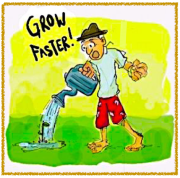
• It’s rushing relationships, to get that feeling of instant attachment, which is actually symbiosis. It’s an attempt to compensate for present-day fear of Abandonment pain, to make up for not having had that bond as an infant with mom, when it should have occurred
• It’s impulsively rushing into situations without considering whether they’re right for us, or what the consequences will be – to ourself or others
• It’s pushing our way ahead of others (selfish entitlement) – the unconscious fear of being left behind – while consciously assuming it’s ‘our right’, but is actually childish narcissism
<ADD YOUR OWN kinds of unhealthy co-dep ‘patience’ & impatience>
Fortunately, Recovery gives us an out – a way to identify our damage so we can separate & strip it away from the Real us that’s hidden under all the defenses, separating the Toxic Rules from our Rights. As adults we have very real options, if we’re willing to risk leaving our attachment to the dysfunction.
REMEMBER: We’re damaged (wounded), not defective!
🦋 🐯 🦆 🐳 🦒 🐇
HEALTHY PATIENCE
This kind is an ACTIVE response to reality (personal & environmental)
Just like ‘Acceptance‘ does NOT mean giving up or giving in, Patience does NOT mean letting the world trample us.
• Nor does it mean ‘taking the moral high ground’ as some spiritual superiority, nor a punishment from the ‘universe’
• It does not imply the hopelessness of being forced to endure suffering & deprivation
• It does not mean being passive, of not taking appropriate actions when necessary to accomplish something, especially if it’s something only we can do. (Posts: Healthy Actions // What to do when confused // Why are you stuck?)
It DOES mean being emotionally mature. This allows us to tolerate delayed gratification, which can only come from lowering the WIC’s intense anxiety. Healthy patience is active in the sense that we choose to wait for a desired outcome, while at the same time actively continuing to live our life the best way we can – every day.
Real patience :
• requires knowing the difference between Rescuing & Healthy Helping, because it takes patience to sit with our own discomfort of not jumping in to someone else’s problems. Knowing the rules for Helping is important.
But we can also tell what’s healthy by feeling physically stressed or relaxed, & by our emotions: Rescuing / people-pleasing is driven by anxiety, a compulsion to compensate for something broken in us. SO —
• Before a situation (a communication, an event….) we can obsess & worry OR – be excited about ‘doing / reacting’, which comes from a false sense of connection, & temporary relief of abandonment fear.
• Afterward – we can feel drained – from overdoing, disappointed if we didn’t get what we wanted in return, & then angry. Here the actions are ALL about us, the WIC trying to cover up S.H.
♡ True Helping is done from an inner sense of calm & confidence – before taking action – a choice that comes from the Healthy Adult’s enjoyment of sharing our personal talents, knowledge & experience. And we feel pleased, satisfied & comfortable, even uplifted – afterward. We benefit, & not just about ourself.
NEXT: Co-dep vs. Patience #3

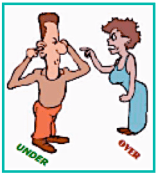
 JUMBLING – we don’t seem to be able to make a distinction between important & unimportant issues in life, so that…..
 feeling. Whether an under- or over- sensitive type, we all DO register the hurt of being discounted, disrespected, neglected or attacked.
 HEAL & GROW for ACoAs