
 PREVIOUS :
UnSAFE Interactions
SITE : 🔺 75 Qs to Deepen Emotional Intimacy
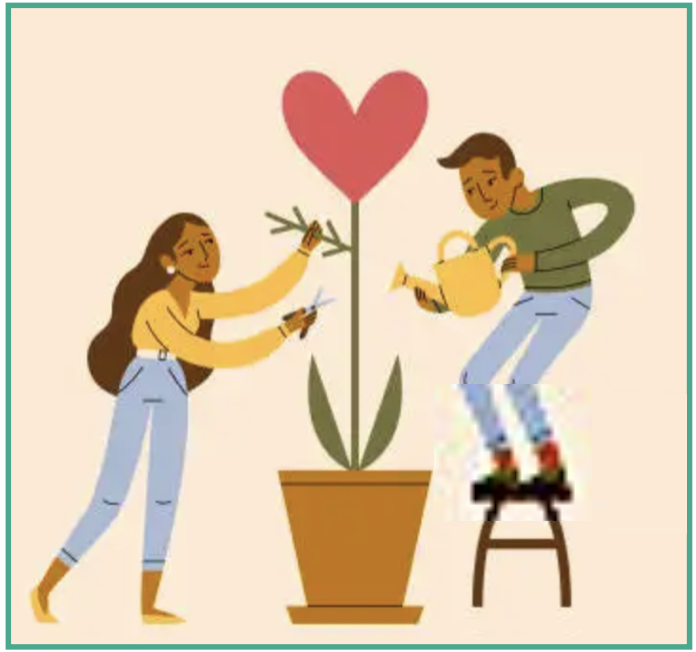
BENEFITS of an emotionally safe relationship – YOU :
🔅 are valued & valuable, creating a strong connection between you two that provides nourishment & strength
🔅 know you’re seen, heard, & understood, SO you can express yourself freely & fearlessly
🔅 can be your genuine Self with without risk of punishment
🔅 can have limitations & weaknesses without being taken advantage of !
It takes time to build emotional safety, but the results are worth the effort. Even if there are glitches in some areas of the relationship, the good news is that making progress or being ok in some categories can lead to growth in the troublesome ones.
👩❤️👨 Being Physically Safe
This is a bedrock requirement. In a safe relationship – neither partner is worried about being hurt, intimidated or controlled by the other. Most couples fight, but what matters is how, and that they come back together after a conflict.
They reach out, check in, asking: “Are we okay?” or “Can we talk about that again?” They realize that disagreement doesn’t mean disconnection, but rather an opportunity to grow. They choose repair over silence.
👩❤️👨 Be an active listener
Necessary to a secure relationship, both feel heard & validated. It’s about setting aside any visual / mental distraction & personal defenses, to fully take in what your partner is saying.
 It also means that whenever fears or issues surface, either one feels safe enough to bring it up – even if it’s uncomfortable. That way you can prevent the problem from growing, & turning into a resentment. If you address a subject reasonably, fairly & with respect – at least it’s in the open, even if somethings are not easily solvable. Then managing becomes about acceptance.
EXPs : ▪︎ ask questions for info & clarification, instead of assuming you know what they mean. “Help me understand ….”
▪︎ use nonverbal signs like smiling, nodding, keeping eye contact…
▪︎ summarize or reflect back what was said, to be sure you did understand, or maybe need a correction
👩❤️👨 Assurance of Commitment
Along with a solid, day-to-day connection, thriving couples also have the assurance of a future together, a deep sense of permanence providing a secure attachment that benefits the whole family. This is crucial because most people will not invest in something important to them – without a reasonable confidence in what’s on their horizon.
It also reduces / restricts various negative impulses, & encourages positive behaviors in order to maintain the relationship.
👩❤️👨 Trust (That You’re Loved)
Trust means having faith in the other person, even when things get tense, you don’t second-guess or worry about your partner’s love . There’s a deep foundation of care, commitment, & consistency that makes being with them feel like a ‘safe haven’.
Trust grows from knowing each other well, having appropriate expectations, & not being in denial about their limitations. That allows you to treat them fairly.
** AND, you trust that your partner won’t use your vulnerabilities against you later.
Building Trust : be authentic, consistent, honest, reliable in word & actions, stay present, & keep promises.
👩❤️👨 Respect boundaries & agreements (consent)
Setting & respecting boundaries can increase safety when both are honest. 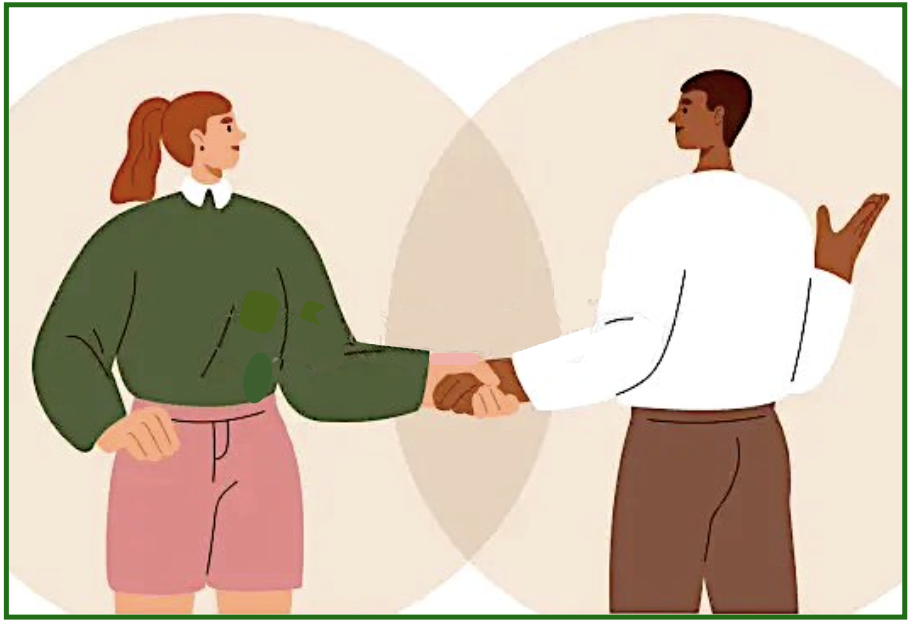 Whatever the topic, describing a limit tells your partner what your needs are, as well as your preferences. It also identifies what you will tolerate (mild) & what is not acceptable (severe).
SUMMARY — to set mutual boundaries, each partner has to know : ♦︎ Who they are ♦︎ What their specific needs are ♦︎ Where their line in the sand is and ♦︎ What is less important to them.
Boundaries can be emotional, financial, intellectual, physical, sexual or social — all needed for nurturing respect. Once you set a boundary, it’s crucial that you & your partner respect it – as much as realistically possible.
HOWEVER: even agreed-on & appropriate boundaries may sometimes need to slip or be modified, depending on circumstances. RIGID Bs are actually walls – creating a separation between partners, based in fear, shame or guilt. 
Suggestions:
☞ ask for space when you need alone-time
☞ stick to what’s important to you
☞ protect your time by not overcommitting
☞ share sensitive information gradually & with sensitivity
☞ clearly state your desire for & comfort level about intimacy
NEXT : Emotionally Safe Couples (#2)
 HEAL & GROW for ACoAs