
 EVERYONE TELLS
you who they are!
PREVIOUS: Disputes #1
SITE: “Side Taker. You fight – we decide who’s right.” FUN site
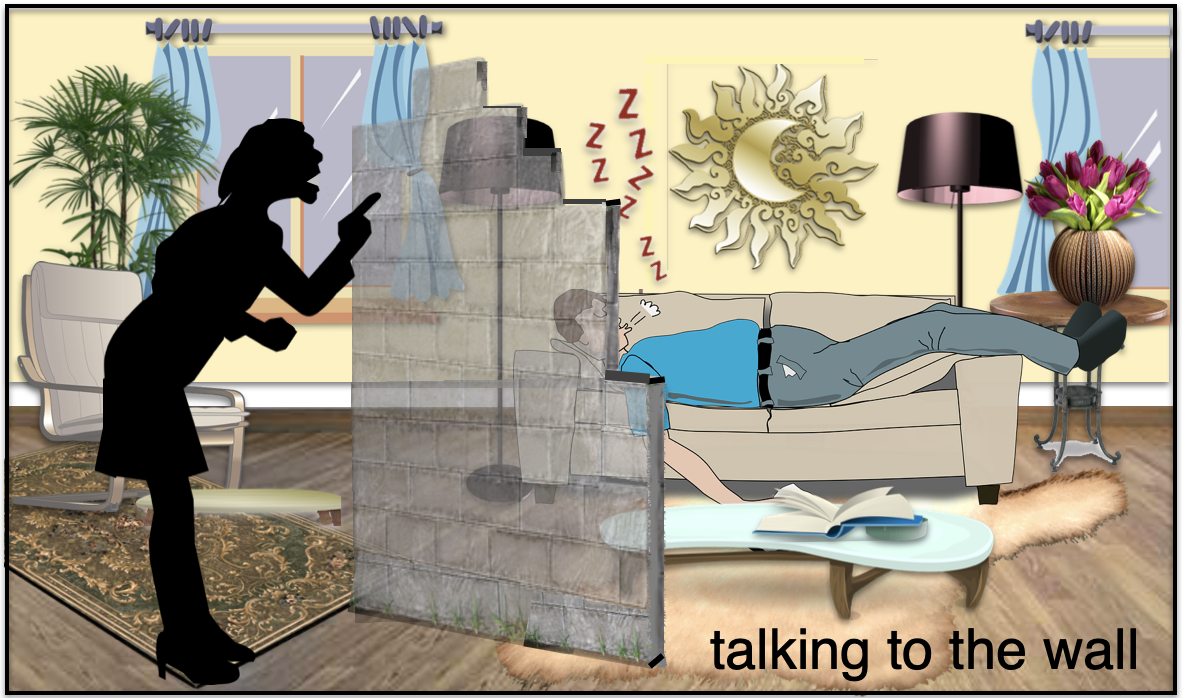
⬅“TALKING to the WALL” — Designed & created by DMT
RECOVERY Awareness (cont)
4. Is what’s bothering me – a recurring pattern ?
5. What did I notice about the other person (job, group, teacher….) from the very beginning that I promptly ignored? This Q. goes to the previous point.
While we may not always know the specific characteristics of Narcissism, Emotional Abuse, Co-dependence, Victimhood…. we do get mental & emotional hints when something is off in the way we’re being treated.
Do you have a feeling of discomfort, wondering “What the hey??”, not liking something they’re doing/not doing, afraid to upset or disagree, fear of alenating them….. all the red flags we ignore so we don’t have to leave the PPT we’re attached to
6. What is my Enneagram, MBTI, numerology/ astrology charts.… vs.  the other person’s – ie. how are we different & similar?
Most of the time we won’t know someone else’s Type or chart, but knowing our own is crucial. At the very least we always have to keep in mind that other people have their own personality traits – usually not ours.
(“EAST-WEST BUSINESS” by DMT ➡️)
• Their culture, world view & what’s important to them…. may be so unfamiliar or opposite ours that we can’t come together. What also can make a difference the kind of wounding they’ve experienced, or if they have any genuine self-awareness. It’s important is to keep these realities in mind – always – & ASK Qs whenever possible, to find out where others are coming from. Don’t assume!
7. When spending time with this person, job or group, how do I feel –
• Before (anticipation) – am I excited & happy, assume acceptance, look forward to having fun, learning something & gaining from the encounter?
OR fearful & worried, anticipating rejection or being ‘invisible’? Do I spend a lot of time worrying about what to wear, what to talk about, what uncomfortable or painful things are bound to happen? (more likely with family)…..
• During – am I feeling safe, comfortable, respected – or not?
• After (hangover) – do I come away with a pleasant feeling, re-energized OR drained, depleted, angry, lonely, frustrated? (Emotions lists)
8. Am I prepared to respond to an accusation or hurt feelings?
I do not have to respond right away (if at all). Most often I’ll need :
• to take time to process what happened & how I feel about it
• to ask: “Do I agree with the other person’s assessment of the problem or situation?”
— If YES, am I willing to face it head on without shame or S-H?
— If NO – do I know what’s wrong with the ‘picture’ the other person presented?
• In either case – I can figure out what to say – from my Adult & sticking to the point
• If I’m confused or ambivalent, it’s appropriate to go to others I trust to process the event & think thru the best way to proceed. I may also need time to gather factual info to back up my legitimate opinion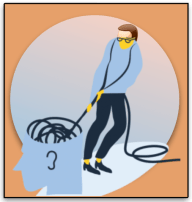
9. If it’s an inappropriate relationship – for me – what price am I paying for staying?
• Emotions & functions: anxiety, depression, isolating, loss of sleep, obsessing, S-H, trouble concentrating, over-reacting, over-sensitive….
• Actions: being controlling, cheating on mate, constant complaining, escaping with TV / porn /internet ….over-spending, over-eating, using drugs or alcohol to dull the pain, starting arguments…..
10.What dysfunctional behavior gets triggered in me from being with them?
↘ be passive-aggressive, become demanding, co-dependenct, dissociate, fawn/ passive, people-please, rescue, rage, procrastinate, sabotage myself ….
11. What are the negative benefits for staying in a situation I know is unsatisfactory or harmful?
12. What am I willing to give up / change in order to have something better? What actions will I need to take?
This will include using your 4th Step inventory, & then actively work shift thinking & behavior. (12 Step ACoA Inventory Workbook)
13. How have I already begun making positive changes in my own behavior, & in my choice of work or personal relationships?
✳ Make a list of all the growth you’ve achieved so far – no matter how small you think it is. Give yourself kudos & share the list with everyone you trust to give you validation, admiration & encouragement!
NEXT: Communication categories #1
 HEAL & GROW for ACoAs