
 SOME THINGS BOTHER ME
a lot more than others
PREVIOUS:
Dis-comfort & Comfort #2
BOOK : “Compassion & Self-hate : an Alternative to Despair” by Theodore Ruben
** See ACRONYM page for abbrev.
SITE: Answer Qs : Are you happy in your own skin? (Body issues)
1. NEGATIVE Comfort ➖➕
2. NEGATIVE DIS-comfort (cont.) ➖➖
⚑ UNDER ‘feel’ (Part 2a)
⚑ OVER ‘feel’
At the same time, having so much of our energy tied up in denial we’re the ‘walking wounded’, leaving us with very little reserve for dealing with anything unexpected. So when something big does hit us, we withdraw, fall apart, get sick, get belligerent….. & generally take a long time to get over it.
 Precisely because of our pain backlog, many ACoAs’ default setting is to make everything into a big drama. We can over-react to even ‘minor’ frustrations more than is called for – as if they’re life & death events. “Touch me & I bleed!”
We get too angry, too impatient & frustrated, too easily insulted, take things too personally….. no matter the size or importance of an issue in reality, including situations that have nothing to do with us. Losing a favorite object can feel just as terrible as losing a loved one!
BTW – This intensity tells us that no matter how trivial something is – if we’re triggered (have a very strong emotional reaction) – the very fact that it upsets us is absolute proof that it is similar or identical to something that happened to us over & over in childhood (an emotional/ mental/ verbal /sexual abuse or neglect…), either a literal copy or representing an underlying negative message.
Discomfort can be separated into:
— the nigglies – ongoing ‘minor’ irritants which represent a lack of self-care, copying the way our parents neglected themselves & us
— Biggies, the many ways we harm ourselves & let others harm us – visible (to others, but not always to ourselves) in how we interact with  people, events & situations (PPT).
a. The Nigglies
— are the many annoyances we tend to ignore, usually short-term & could easily be dealt with, but which chip away at us if we don’t, either physically or emotionally :
• always do things the hardest way
• be impatient with ‘normal’ daily delays
• don’t protect yourself from noises (loud or annoying)
• don’t take care of personal business, until too late
 • don’t use bathroom when needed
• don’t write things down & then forget
• ignore household chores, so they pile up
• let things slide & then obsess about them
• live in your mind rather than taking actions
• live with bad shoes, small aches (bad chair), ‘wrong’ clothes/ not warm enough …
• live or work in unclean & ugly environments
• make jokes about something painful
• not leave somewhere when you want to
• not mend torn clothes, live with broken things at home
• ruminate about someone ‘ignoring or dissing’ you
• stay on the phone too long
b. The Biggies
— are long-term, difficult to correct & weigh us down
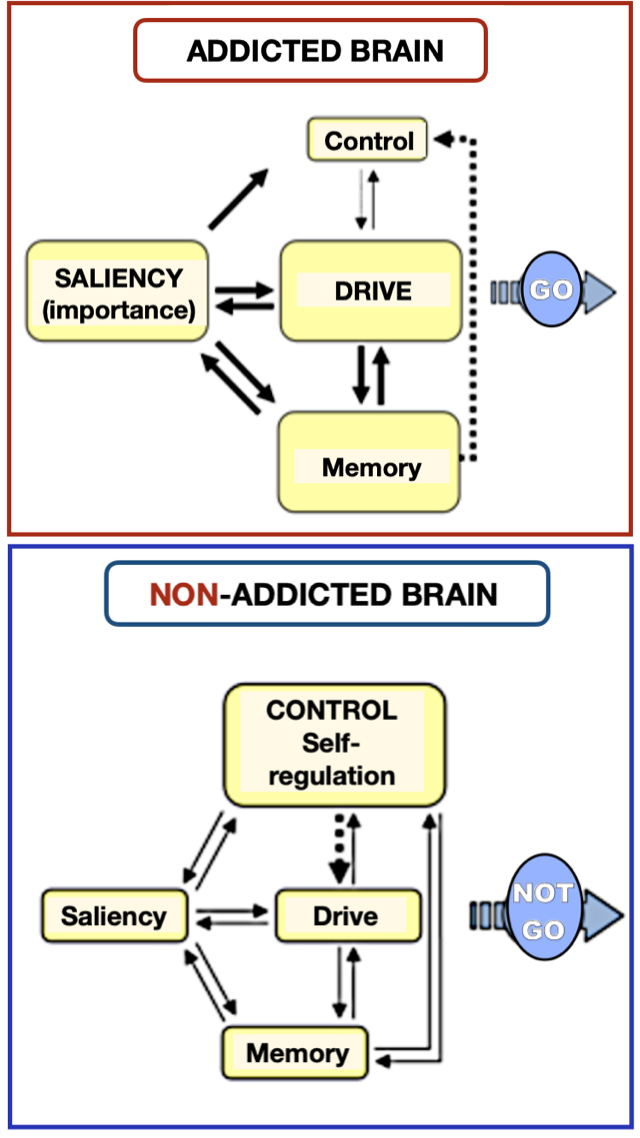 • all forms of addition (<—–chart )
• be in the ‘wrong’ profession or, stay in a bad job too long
• compulsive denial & suppression of emotions
• compulsive isolation, thereby ‘starving’ oneself of positive experiences
• deliberately hurting other people /animals
• deny childhood trauma (abuse & neglect)
• don’t get help when you really need it – or never
• don’t get medical attention for persistent ailments/ pain/ disabilities
• fear of intimacy, so pick unavailable or dangerous friends & partners
• habitual procrastination
• ignore or dismiss successes, accomplishments
• live in deprivation of many needs & wants
• over-spending & debting, living in over-whelming clutter
• persist in self-hate thinking – esp. when we know better
• poor eating & sleep patterns
• put of getting medical attention or fun & rest….
• sabotage possible good relationships / jobs / gifts / opportunities…
• self-sabotaging actions when trying to get a disallowed need met
• self-injury (Chart ➡️) (Myths)
• sexual anorexia or promiscuity
• social anxiety from negative beliefs (SAS site)
• stay in abusive, dangerous relationships
• suicide attempts / neglecting any mental health issue
More SITES:
♥ 13 Things All Self-Destructive People Need To Stop Doing
♥ How to STOP S-d behaviors
♥ How to Overcome Self Destructive Behavior
NEXT : Dis-Comfort #3a
 HEAL & GROW for ACoAs