
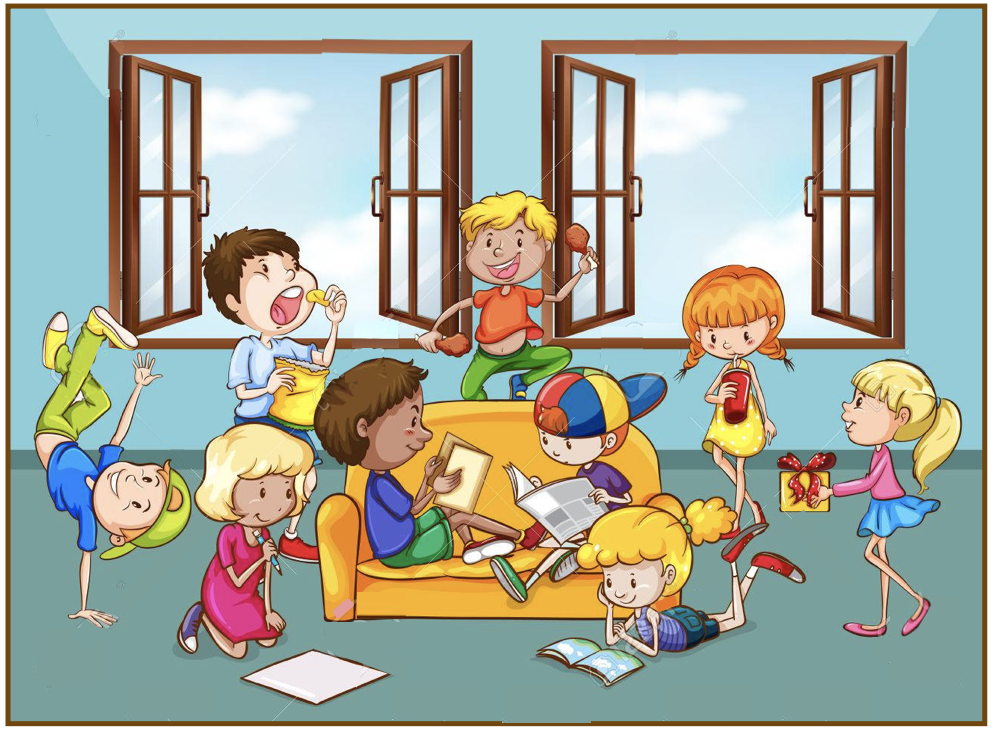
 A HAPPY CHILDHOOD
includes having fun
PREVIOUS: ACoAs & Playing (#1)
SITES: Fostering Creativity
QUOTES: ✦“It is a happy talent to know how to play.” ~ Ralph Waldo Emerson
✦ “A lot of people say a lot things about creativity – what it is, how to enhance it, what it means….. Creativity is just play, and love” ~ Kent Parkstreet (blogger…)
💠EXPANDED Def
a. PLAY (in general) (Part 1)
b. FUN: It is playful, often noisy activity which diverts, amuses or stimulates. Anything that is a source of enjoyment & pleasure
• IMP: this def. only refers to positive situations, rather than abusive ones such as ‘making fun of’ someone / ‘having fun at their expense’…../ or excited, violent activity ‘She insulted him & then the fun began’
• In these posts the two terms (Play / Fun) are used interchangeably. The key word in both is activity – behaviors we choose to do – because we like** them. However, while play is indeed an action – even verbal play (poetry, exchanging puns & jokes, lively discussions about favorite topics…), fun can be either active or passive. We can have fun sitting in a comedy club or quietly on the beach. Play is more participatory, although it doesn’t always need others for it to 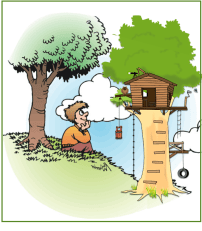 be ‘legitimate’
These definitions raise several issues for ACoAs
When asked ** “What do you like?” too often the answer is “I don’t know”.
To an observer this can be confusing because, looking at our behavior, they see many of us as functioning & accomplished people, which is not how we think of ourselves.
In spite of childhood trauma, ACoAs have done things as adults – & some as far back as childhood – which we did like, even enjoyed. It could be anything :
• Artistic – acting, singing, designing …
• Sporty – acting, dancing, bike riding, hiking, baseball….
• Physical things – going to an amusement park, traveling, having sex…..
So why do ACoAs say we don’t know what we like?
It’s a response from our WIC, who is still ‘living in the past’ & still doesn’t have a clue – or more accurately is not allowed to “Know what I know”. Because of the family’s narcissism & addictions we didn’t get mirrored** correctly, or at all.
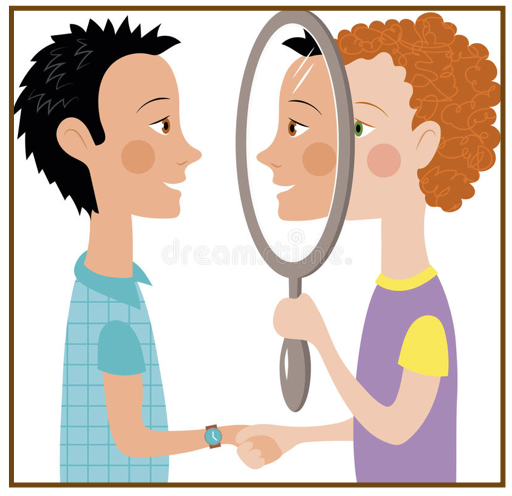 **Mirroring (most effective when given to small children, but can be provided at any age), is what we call ‘being seen’ – literally echoed.
It’s when someone outside of us is able to freely, accurately see who we are & then feed it back —
◇ without any mental or verbal distortion
◇ without adding their opinion, taste or bias
◇ without their need for us to be a certain way…..
…. just reflecting back to us who we are, the way we express ourselves, the way we see the world, the way we think, feel or do things
If this had been done for us when we were kids, we’d KNOW how are, & therefore have a lot less anxiety. Healthy PLAY is only possible with a minimum of background anxiety!
PLAY & TOXIC ROLES
Regarding down-time, each child was affected by & reacted to the family’s dysfunction in their own way, but it also lent a particular intensity to the ROLES we developed:
🔻 The HERO had to be ‘on’ all the time, being the serious adult right from the beginning of life, so not a lot of room for relaxing
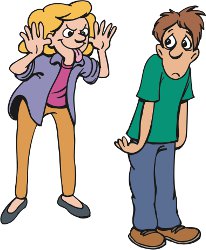 🔻 For the SCAPEGOAT, ‘fun’ (for them) was hurting & humiliating (others) – in the guise of teasing “Just kidding !!”- verbal insults & arguing used to belittle, & pranks or games that could be dangerous
🔻 The LOST CHILD, often an Introvert by nature but not exclusively – stayed in the background, escaping, hiding, withdrew into daydreaming, reading, arts…. – their version of fun
🔻 Even the MASCOT, being cute & funny to keep everyone else’s spirits up, but at the cost of denying their fears. Their playfulness came from pain rather than joy, often tinged with sarcasm & meanness.
NEXT: ACoAs & PLAY-ing (Part 3)


 HEAL & GROW for ACoAs