
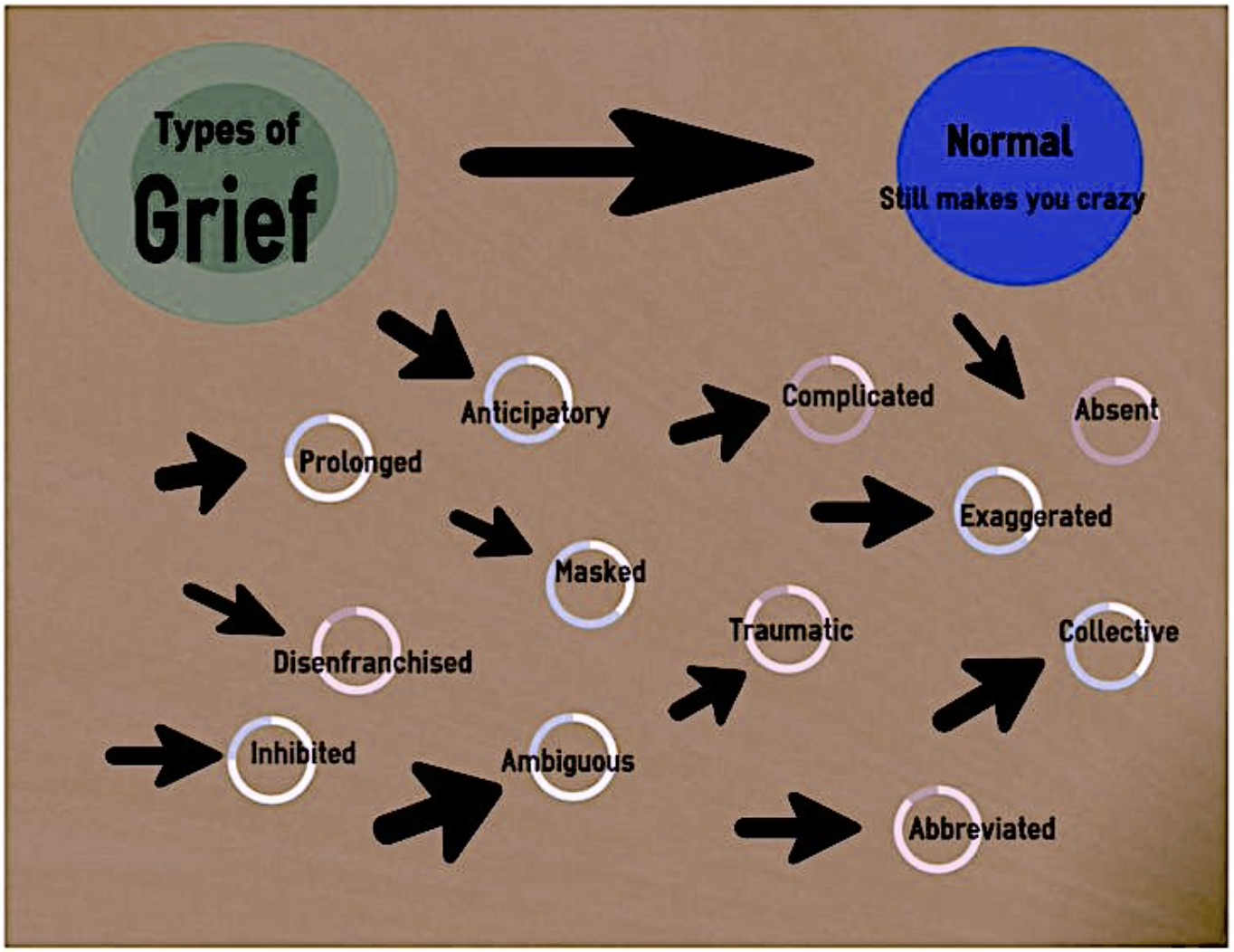
 PREVIOUS : GRIEF (B – Cu)
SITE : “105 Quotes to Uplift & Comfort”
DEATH (our mortality)
We know death is a part of life, but most will agree that it’s one of the most difficult events to accept. Part of growing up is recognizing the many reality in life that we don’t like but ultimately have to deal with, & for many people the hardest is the fact of our mortality. We will try everything we can to avoid
It’s a very grown-up moment when we come to terms with this specific reality – that death can not be overcome. Accepting that life has a finite span focuses the attention, helping us take stock of our life, & think about the possibilities still ahead. Coming to terms with this inevitability can encourage us to live more fully in the here & now. In fact, staying conscious of our mortality – without cynicism – encourages us to cherish every moment we have. 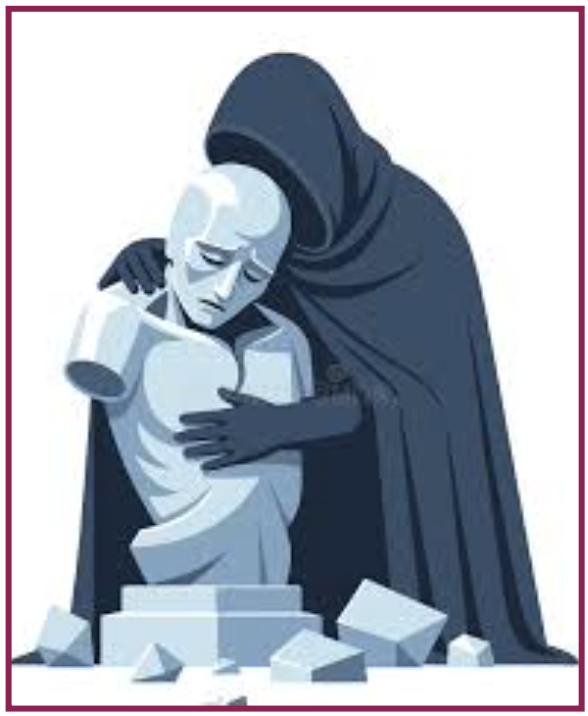
Death is a subject most of us avoid discussing, & accepting it can seem insurmountable, because we hate feeling powerless about anything. Yet talking about it may help reconsider how we feel about our mortality.
Death Grief : The thought that ‘each day that you wake up could be your last’ may sound depressing & hopeless, but it doesn’t have to be. The less we deny our limited life-span, the more positively attuned we’ll be to the day-to-day things that are beautiful & precious.
And, regardless of the circumstances, there is nothing more heartbreaking than losing someone close to you. Coming to terms with present or future losses is a challenge faced by everyone, even if only on one’s death-bed. Emotional maturity means finding our own way to process the reality. Faith is a fundamental support, as can being practical about how we take care of ourself.
DELAYED
This is when grief emotional symptoms & physical reactions are not experienced until long after a persons death, or a much later time than is typical. The griever, consciously or subconsciously avoids the reality, sorrow & longing for the lost one, suppressing emotional reactions at the time, in the form of dissociation, common when things are too much to bear. To cope, your mind blocks many of the overwhelming thoughts & feelings until you’re ready to face & process them.
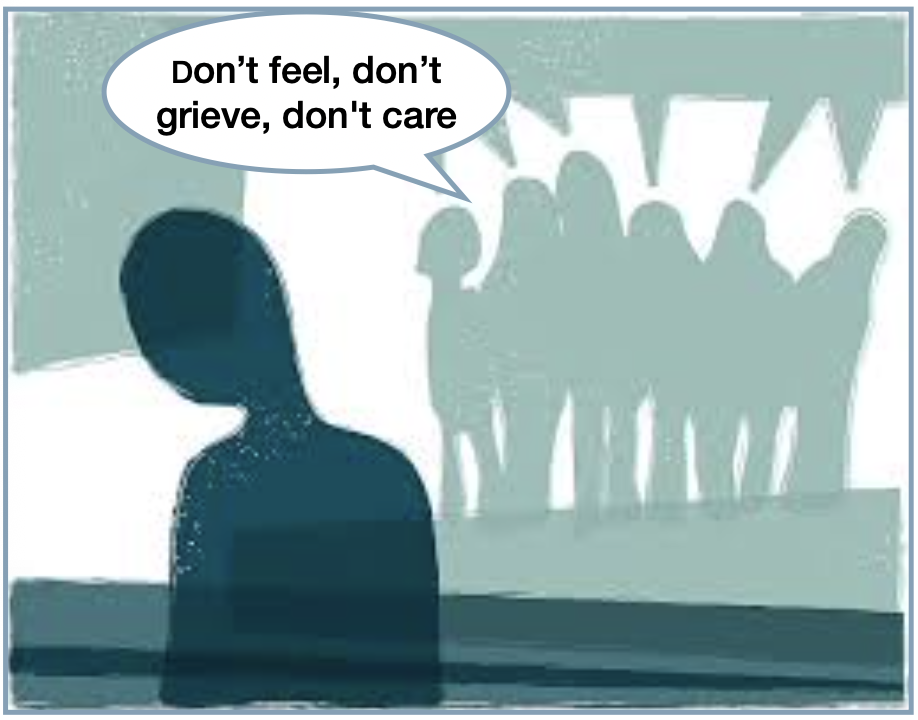 DISENFRANCHISED
This when your culture, society, or support group give you a clear message that your loss &/or grief is not valid for their reasons. How you feel in your grief is ignored or shamed.
This can happen if :
✞ ⚑ the death is stigmatized (suicide, overdose, HIV/AIDS, drunk driving)
✞ ⚑ other consider the relationship insignificant or not worth mourning (ex-spouse, co-worker, miscarriage, pet)
✞ ⚑ the relationship is stigmatized by society (same-sex partner, gang member, partner from an extramarital affair)
✞ ⚑ the loss is not a physical death (Dementia, Traumatic Brain Injury, Mental Illness, Substance Abuse).
DISTORTED
It’s expressed as extreme, intense, or atypical reactions to a loss – odd changes in behavior & self-destructive actions A common coping reaction is rage at themself for being abandoned, not being able to prevent the loss & maybe guilt about unfinished business. They may also deny the fact that their loved one has died, & obsessively wish them to come back, even knowing deep inside it’s not possibly.
Also there’s hostility toward others, as a way to mask sadness & loneliness, blaming everyone else for the painful outcome.
This can lead to acting out in ways that damage relationships with family, friends or at work. And there may be unreasonable expectations from others (“just get over it”), leaving them feeling disconnected from everyone & everything.
This type can be expressed thru various other forms of grieving, depending on the bereaved’s personality, family & culture : Chronic, Delayed, Exaggerated, Prolonged &/or Masked.
Distorted grief can affect someone’s life for many years after a loss. Others, trying to be helpful will offer platitudes such as “You have to let go to move on”, which makes no sense to this sufferer. Although Ambivalence is present in many types of grief, which can make it harder to overcome.
NEXT : Grief – E
 HEAL & GROW for ACoAs