
 PREVIOUS :
Attachment & Food #2c
“Dysfunctional Individuation, Spiritual struggle & Identity…..a Developmental approach ”
TEENs – a Risk Factor
😡 Striving for Independence from attachment figures is a natural developmental need – to redefine relationships with them in line with the new needs of adolescence.
However, this often creates an internal struggle for the young person & resistance from parents.
On the one hand, the teen wants a sense of freedom & control over their own life but still crave the comfort & support of family. This inner & outer conflict causes intense stress.
When a balance is not reached, some teens try to cope with their frustration, fear & anger by restricting food, as a way to have what little control over their environment they can.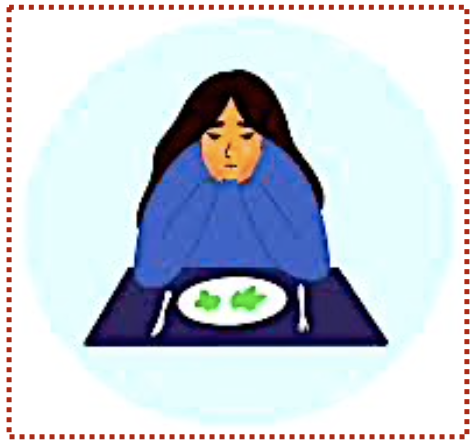
☼ Young people ages 15 to 24 with anorexia have a 10x higher risk of dying compared to non-ED peers, & of that group, 1 in 5 deaths is by suicide. (ED Treatment for Children & Teens)
This family battle is not unusual in our culture, a natural result of the “Separation & Individuation” process, but – in so many dysfunctional homes – it doesn’t end well.
The possibility for it to work out is influenced by the type of attachment bond members share. It could be resolved slowly, perhaps uneasily – if parents & teens were healthy enough to openly, lovingly communicate thoughts, feelings & needs with each other, likely with some outside help.
So when parents provide support & encouragement for autonomy, the child can grow into their own person & be resilient, which in turn increases their ability to cope well in life.
Dysfunctional INDIVIDUATION
Attachment style is one of the variables in the study of eating disorders, specifically with Insecure adult attachment. While the style is relatively stable throughout ones lifetime, research suggests that our Internal Working Model** can be modified during the individuation process.
** IWNs are mental representation of our earliest relationships, which become the prototype for all others in the future.
When a person’s individuation is problematic (incomplete, distorted, thwarted), positive IWMs of ourself & others are harder to develop & hold on to.
Studies using the “Disordered Eating & Body Image Concerns” scale validate that dysfunctional individuation has a negative indirect effect on unhealthy forms of eating – identifying it as one important mediator ⬅️ between attachment style & ED.
EDs usually develop in dysfunctional parent-child relationships – from a the lack of empathic mirroring & the mother’s discouragement of independence in early childhood. If the child tries to express their own personality, separation anxiety gets triggered, leading to depression & hopelessness, formed by negative mental pictures (IWSs) of relationships.
When the S & I process goes awry (incomplete individuation) it can cause —-> emotion dysregulation, poor self-image & trouble knowing what their needs are. Continuing the spiral —> there’s a lack of confidence in one’s coping skills to manage life’s challenges —> which can set them up for an ED.
This pattern is a reliable predictor of poor adjustment in late adolescence, as either unhealthy dependence (Anxiety) or unhealthy independence (Avoidance).
Even when parents think they’re well-meaning, if they’re subtly controlling &/or manipulative, their behavior will backfire, leaving harmful after-effects.
Adult-children from that background report they had or still have a hard time mentally & emotionally separating from family. Insecure attachment plus the personality dimension of self-criticism add up to a risk factor for adolescent suicide fantasies or attempts.
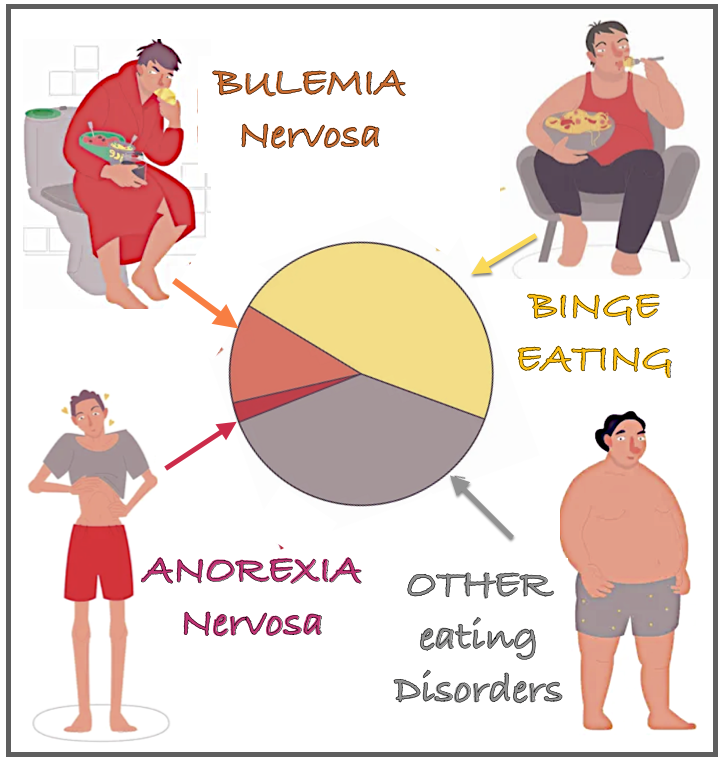
Bulimics (less with Anorexics) describe their families as “more conflictual & disengaged, less cohesive & nurturant” than controls. TRANSLATION : a lot of fighting, emotionally distant & disconnected, no loyalty or togetherness, & not kind & loving.!!
This has been supported by studies that identified families of both subgroups as “enmeshed, intrusive, hostile, & negated the child’s emotional need ” (MORE….)
🌺 To consolidate one’s True Self identity, emerging adults need to successfully complete the developmental process of Separation & Individuation, when we are supposed to work out ‘self-other’ boundaries. Although this is meant to start in the first years of life, adolescence & young adulthood provides a ‘second phase’ chance to re-negotiated these issues with parents.
 This is a crucial personal-growth task, needed to balance autonomy and connectedness, to decide one’s own values, be self-motivating & able to effectively cope with life.
In this round, however, the process is more about starting their separation from the internalized parent rather than the physical ones, especially if it’s a negative introject.
NEXT : FOOD – #4
 HEAL & GROW for ACoAs