
 PREVIOUS : Attachment – FRIENDS
BOOK : “Bridging Bonds: Strengthening Sibling Relationships”
⭐️ primary caregiver usually = the mother
1. GENERAL
☆ Attachment is not just a ‘good relationship’, but is a much deeper bond based on how well another (trustworthy) person serves as a continued source of emotional security. This also applies to Siblings.
💌 A Secure connection with mother makes it more likely that our sibling connections are also Secure.
BUT – if Insecurely attached early on, there’s a 75% likelihood of developing Insecure connections with most others, & be 6x more likely to have insecure adult intimate mating.
«
«
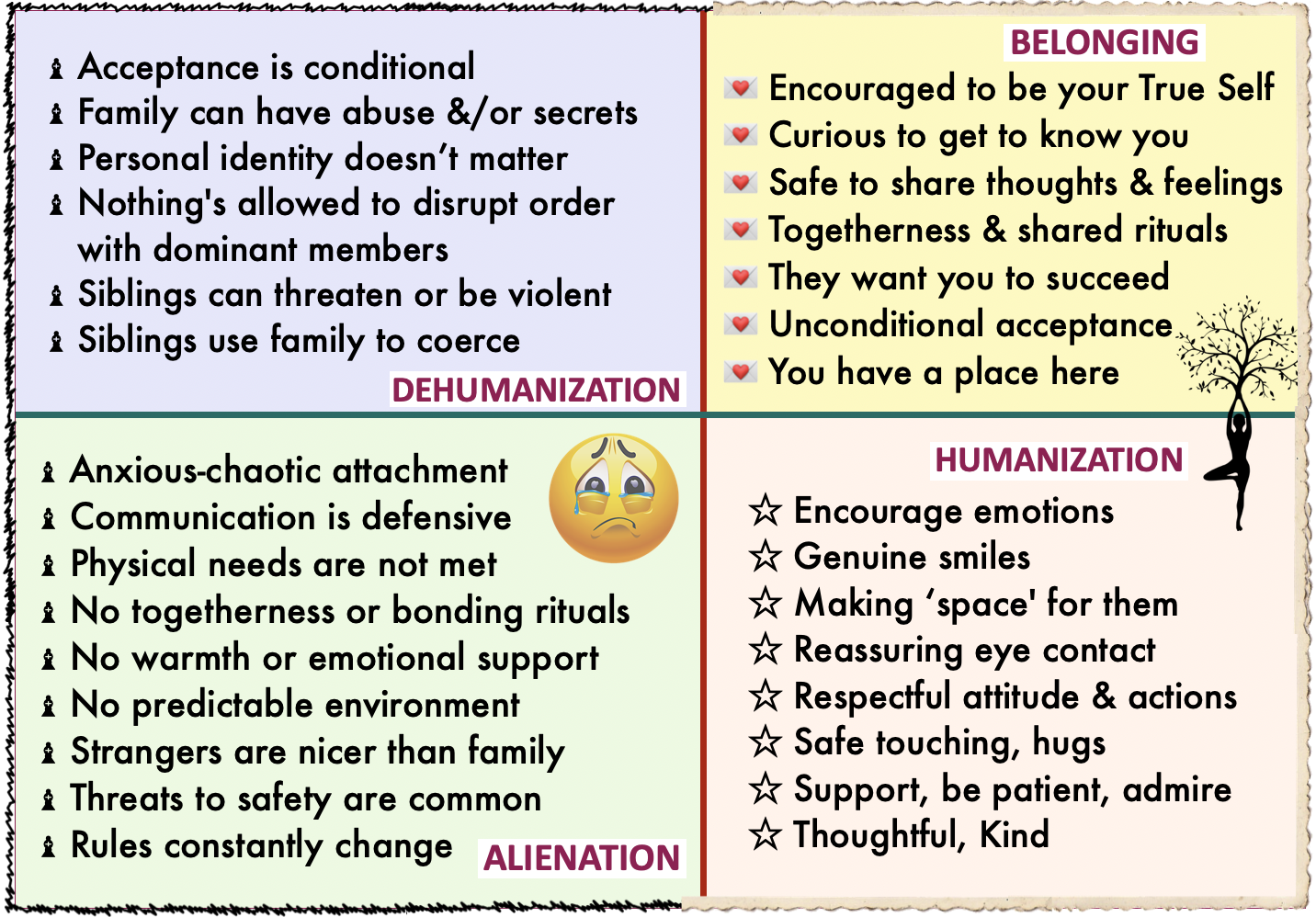
ROLES : In unhealthy families, often when there are only 2 kids, one may be more accommodating, sensitive & helpful, while the other may be loud, aggressive & controlling. With several children, one may be chosen by a parent to be the scapegoat, & perhaps one designated as the golden child, while the others will be invisible or escape as soon as they can. These differences can lead to broken trust & alienation.
Later on – Insecurely attached adults who’ve experienced childhood mistreatment will be distrustful & emotionally distant, with several mental health problems, including depression, anxiety, co-dependence, personality disorders & various addictions….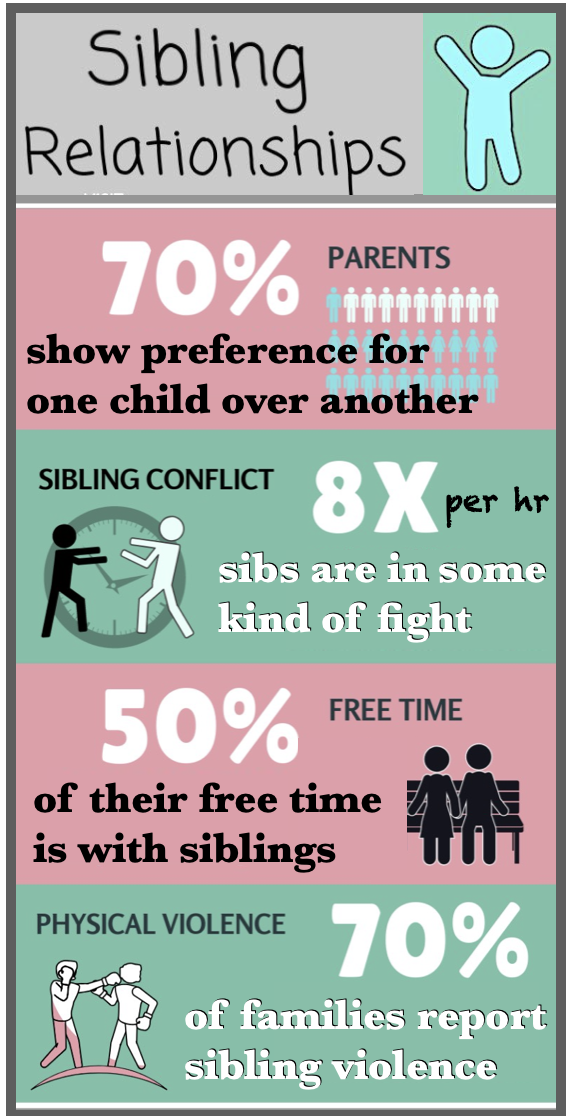
Causes of estrangement include parental preference, physical disparity, a mental or psychological disability, & intense disagreements based on toxic rules. Also envy, distorted communication, an unwillingness to reveal feelings, lack of conflict resolution skills, even a different world view.
a. But it’s not automatically true for every sibling – surveys indicate that only about half (56%) mimic the mother-child style bond, even if they grew up in the same household,…. (see ‘Sib-Violence’ below).
✐ Other factors affecting how sibs get along include individual temperament, birth order, love-language preference & culture.
b. 💌 Someone in the other half (44% group) may provide their sibs protection against the harmful effects of insecure parental attachment. Studies found that older siblings can act as a comforting base for younger ones, who may then be able to gain the confidence to explore their surroundings & learn how to relate to & communicate with others – the way Secure kids do.
Feelings of emotional warmth & positive attention between sibs can partly make up for anything unavailable from mom & dad, & be a buffer against painful life events, such as parental separation or family death. This helps children develop healthy coping strategies to manage a variety of stresses, making them less likely to use tactics like physical aggression, bullying, theft & defiance OR to withdraw & isolate – as a reaction to emotions pain.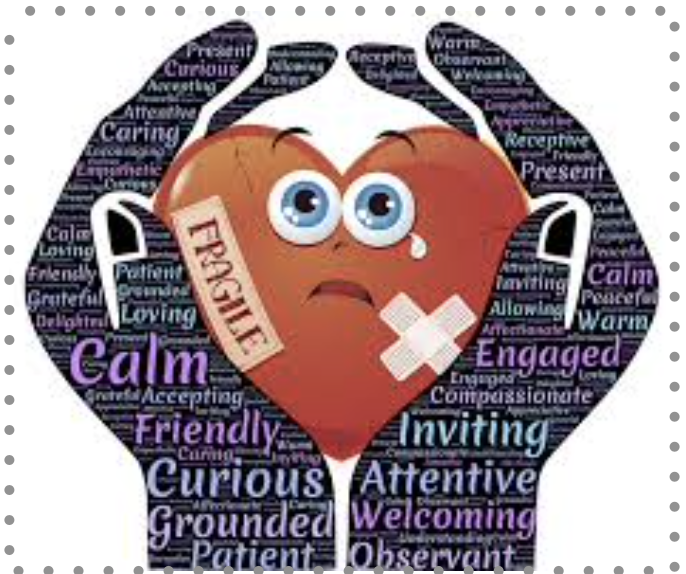
🕳️ Another consideration is how children cope with the death of a sibling. For one thing – they can feel invisible, as their whole life is thrown into turmoil, especially for the younger ones because of the traumatic effect on the mother.
For another, this loss creates a need in surviving children for support rather than withdrawal, regardless of attachment style. Studies as the ones from PA & TX note that because siblings are important attachment objects, they can be bridging objects for each other – to modify aggressions, displace hostility, & transform incestuous fantasies.
And as adults, an EXP : a study of more than 1 million Swedes found that a person’s risk of dying of a heart attack themself spikes after a sibling succumbs, not only because of shared DNA but also from the stress of losing such a key figure. Siblings seem like they’re just there – until they’re not.
c. Alternatively, an unhealthy version can develop with a specific sibling – especially for those who have experienced or been exposed to traumatic events. Some ‘simpatico’ siblings who share an abuse history can form a trauma bond. Trauma has an impact on a child’s body & mind, & the resulting complex emotions & beliefs can lead siblings to act out rather than talk about the painful emotions, memories & experiences. (MORE….)
 2. TOXIC
In families where alcoholism & severe narcissism &/or domestic violence are rampant, ‘normal’ sibling rivalry can easily escalate to cruelty.
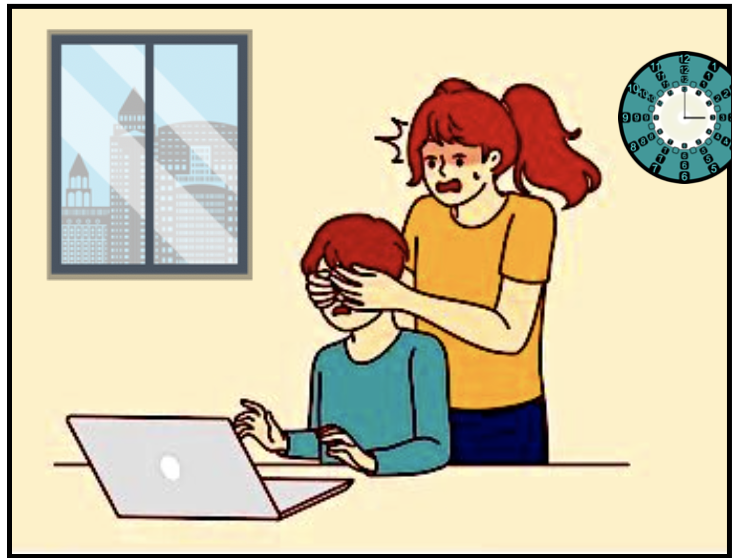
Sibling violence is a power imbalance that makes it hard or impossible for the harmed child to protest, or defend themself. This is equally true for any gender combination or attachment style. Obviously, children are greatly influenced by watching how the adults treat each other or are treated by others (spouse, close relatives, new partners….) (MORE…)
Unfortunately, much harmful words & actions happen when adults are not around. And if it does, often parents will minimized the violence because of widely-held beliefs that it helps toughen kids up & prepares them for life. So it’s not identified as abuse, even when a child is obviously injured.
«
«
NEXT : Attachment & FOOD
 HEAL & GROW for ACoAs