

PREVIOUS: Difficult types #2
SITE: How to deal with each type
TRUTHS to REMEMBER about Difficults:
😽 We may be able to put a dent in their bad behavior with positive reinforcement – but it doesn’t work on everyone. The best we can do in any situation is to set firm boundaries – let them know you don’t want to be around their negative attitude, & won’t tolerate their bad behavior.
▷ Don’t take their behavior personally! Their negative patterns are their False Self
▷ Don’t fight back. Don’t try to appease them. It won’t wor k because they have an insatiable appetite for more – denial, drama, cruelty, isolation, arrogance …..
▷ Don’t try to beat them at their own game. They’ve been practicing their skills for a long time, & you’re a beginner by comparison
▷ NEVER try to change the difficult person, which you can’t do to anyone else anyway, only your reactions to their behavior. By shifting your responses, D.P. may decide to change….. but usually not. However, you will feel better.
▷ Do NOT make excuses for their behavior. When you do that you’re just enabling them to continue without having to admit any responsibility, & you lose your personal power
▷ Their behavior is habitual, so they act this way with most people. Think of others who’ve had a hard life but have not become difficult
Some Options – Handle them by:
• Avoiding • Circumventing • Confronting • Discouraging • Exposing • Identifying • Ignoring • Informing • Isolating • Neutralizing • Predicting • Rehabilitating yourself
COPING
• Act normally
When dealing with difficult people, it’s important to be your mature self – maybe even slightly better. It won’t help to people-please, try to control them or get angry
• Communicate well
If they’re still ranting or pontificating at you, see beyond the label or accusation. If possible, propose another point of view – trying to understand where they’re coming from – without agreeing. Know how to ask the D.P. relevant questions & then give them lots of room to answer. If they’re consistently unreasonable, don’t try to get through to them!
 • Control your Emotional Responses
Never lose your temper or shout at them. Being quiet & centered has a greater effect. Volatile or negative people often respond better when others are neutral or positive.
This may be hard to do consistently because they can get to us, but it’s worth the effort. By not engaging, we make our day more pleasant & maybe give them a break from their misery 😇 (POST : emotional resilience)
• Get direction from others
If necessary, consult someone you trust to talk over the situation or the personality type you’re dealing with – to get feedback, for guidance & to consider solutions, or just get important validation for your observations
• Get down to the core issue
Try to find out what the real issue is that’s causing the D.P. their problem (if possible) & then address that – rather than how it’s being presented
• Meditate
Take time to quiet yourself in whatever way works for you. If the situation is pushing a button in you, comfort the Inner Child, identifying what’s causing your anxiety or rage. Only then can you explain current reality to the D.P, & maybe work out some options
• Remember the numbers
Studies remind us that mental health plays a major role in maintaining physical health.
Negative people are more affected by stressful situations & are more prone to illness.
• Respect the person
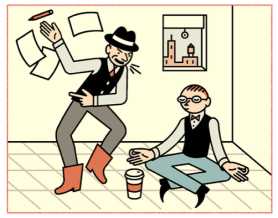 No one likes to be treated disrespectfully. The more considerate we are toward D.P., the better they react. A version on the Golden Rule is: “Give respect, expect respect” while keeling boundaries.
• Stand back
Sometimes it’s best to ignore bad behavior, to get a perspective on the situation, especially if this is a consistent pattern of theirs, AND if you know the they’re ‘dangerous’ when under severe stress.
Remember – NEVER take their behavior personally!
• Take a stand
At other times – it’s necessary to speak up for yourself, calmly saying what is acceptable to you & what is not. Understand your realistic options & develop one or more strategies based on that. Always have “Plan B”. Take actions & persevere.
NEXT: Maslow’s Needs pyramid, INTRO #1
 HEAL & GROW for ACoAs