

LIFE GOES MORE SMOOTHLY
when I accept & manage my emotions
PREVIOUS: ACCEPTING our Es (#1)
SITE: 🔅5 Ways to Access Es
ACCESSING Es
For anyone who ever doubted that emotions are real – this digital map BELOW shows scientifically that various emotions create physical energy which can be visually located in the body, depending on which one is being experienced. (MORE….. scroll to 5/25/14)
• We live in a culture that worships Do-ing over Be-ing, action over introspection, thinking over feeling. Even so, we need outlets for our emotions, no matter how much we deny having them.
◎ To do that, people will use sports event, concerts, movies, hanging out with rowdy friends…. not just as entertainment, to connect with others & enjoy favorite people or activities, but also to artificially generate emotions in socially acceptable ways. It’s called blowing off steam, escaping, just having fun…. but ultimately it’s a way to experience Es not otherwise acceptable – especially in public.
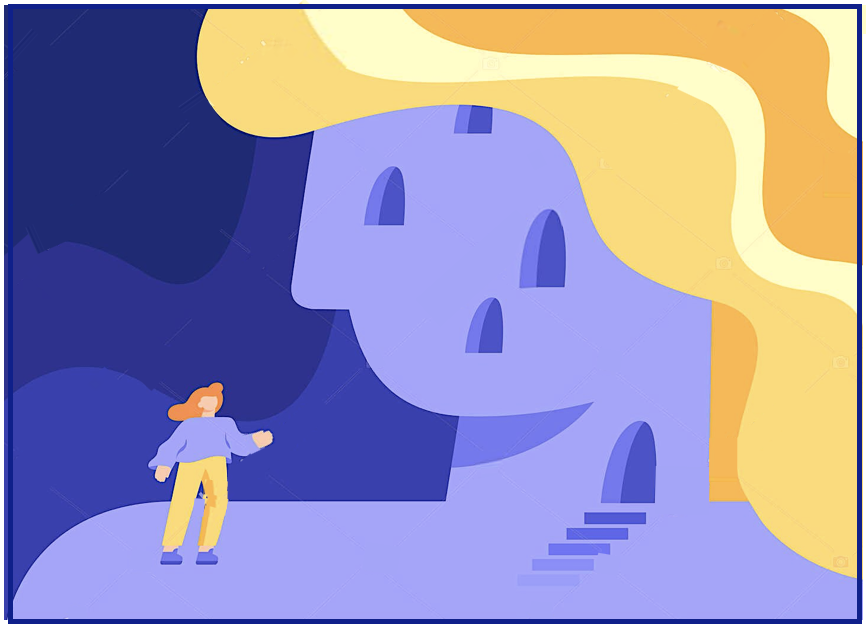 Even in Recovery, ACoAs struggle to access buried Es. We have many methods available to help us get to them, but we also need to be fully aware that it’s not wise or safe to try having all our feelings at once.
It’s important to not rush – “Softly, softly, catchee monkey” – slow & steady works best! Sometimes we can’t help being triggered, but with the right help we can get thru it, & come out of the tunnel feeling lighter
🧠 Feeling safe / unsafe is inseparable from neurological functions of the vagus nerve, connected to all major organs. It controls 3 sub-systems that helps us determine if a situation is safe, dangerous or life-threatening. When any one of the 3 is active it inhibits or shuts down the other 2. (also related to depression….)
POST : “Dissociation – Healing” = re. the vagus nerve
• Ultimately, the only way to have access to buried Es is if we feel safe enough, which refers to an emotional state of being open & transparent. This means:
a. EXTERNALLY : searching diligently until we find Safe people with good boundaries who can be trusted to not abuse or abandon, & give us the benefit of the doubt in questionable situations
AND environments where we can cry, rage, be vulnerable… without being judged or ostracized. (More….)
b. INTERNALLY – consistently treating ourself much more kindly than we’re used to, so the Inner Child can come out of hiding or stop acting out everywhere.
As we grow psychologically & spiritually we can tolerate more of the buried trauma. IF we stay in the process, old Es will come up, then diminish or fade.
SITE: “Do your children feel emotionally safe?”
TOOLS
DO regular bookending with the IC, and a short daily 10th Step – only list the day’s events briefly, & try to identify which Es might be associated with each one, pleasurable or uncomfortable.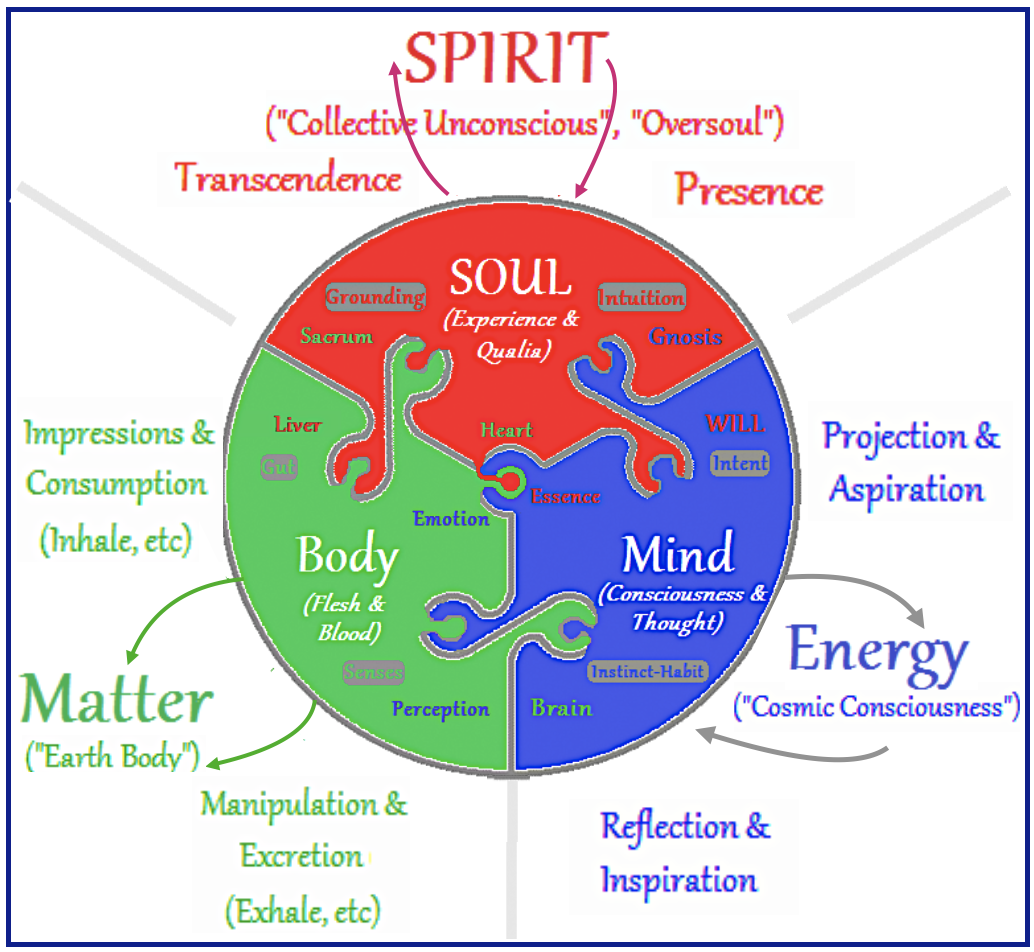
1. The basic triad of Mind-Body-Spirit is a natural place to start.
• Mind: thoughts you’re have over & over tell you that something’s important, either pleasant or unpleasant. Careful attention to what keeps popping up will help identify hidden Es that are “running” you without your awareness
• Body: tightness in the belly, between the shoulders, or any other place in your body, is a message that something’s out of balance. Focus on that area, breathe deeply into it to relax, then ask for info from your body about what’s going on
• Spirit: tuning in to your intuition, consider Spiritual Truths you believe in, observe how you react to others….. What is your relation to others? How clear is that spiritual connection which links you to all other humans ? (MORE…. )
IMAGES ▼ : Physical typography of basic (upper) & non-basic (lower) emotions associated with words. Body maps show regions whose activation is increased (warm) or decreased (cool) when experiencing each emotion. (Color Bar indicates t-statistic range. 0.05 FDR corrected, t >1.94)
« «
«
SITEs: re. ANGER / re. LOVE
🔅“The Art of Processing Emotion”
🔅 Emotional Release videos on YouTube
🔅 5 ways to access the sub-conscious mind directly – Hypnosis, Self-hypnosis, Meditation, Walking-meditation, Floatation tank
🔅 BODY (& brain) WORK: Brain Repatterining // Core Energetics // CranioSacral // ETF // Kinesiology // Reiki // Rolfing…..
✦ Essential Oils to release blocked Es (videos)
🔅 ‘The Emotion Code’ – get to Es trapped in the body’s electrical flow
NEXT: Emotional Immaturity, #1


 HEAL & GROW for ACoAs