WRITING for Personal GROWTH (#2)

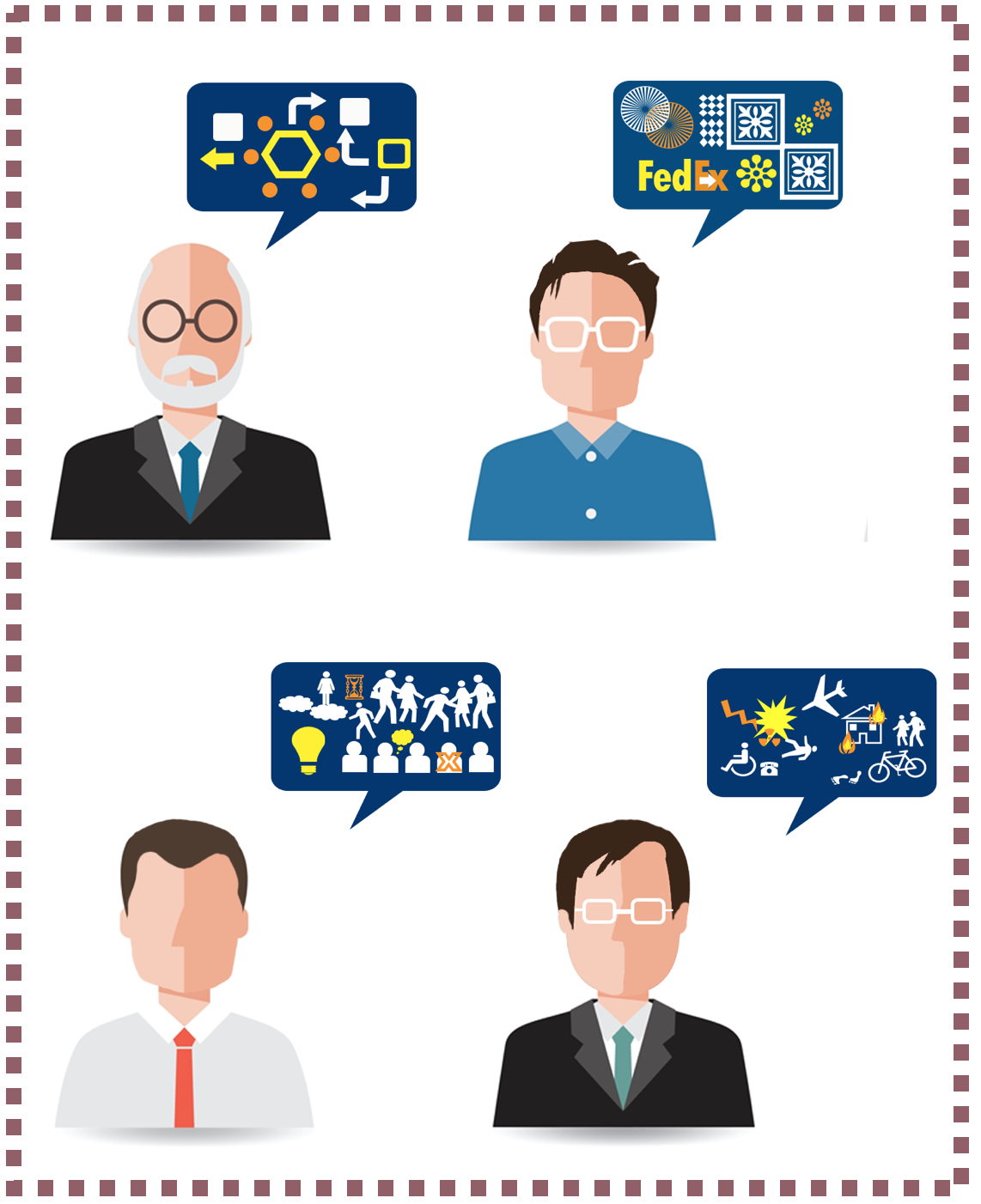
2 heads 

PREVIOUS : WRITING for Personal GROWTH (#1)


Journaling can be especially helpful for PTSD or childhood trauma sufferers. But simply doing a “brain dump” of words on the page may feel good doesn’t usually increases well-being or decreases depression symptoms.

To have a positive impact on mental health, appropriate procedures are needed: 
 ♟ Write once a day, 3-4 days consecutively, or as often as you can
♟ Use a private, personalized space free from distractions
♟ Don’t worry about grammar & spelling – just get Thoughts & Emotions down. What matters is that you understand it

♟ Be as honest as you can. Holding back holds back answers you’re looking for. This is where you can be 100% authentic without worrying about what you think others are thinking!. Al-Anon says “You’re only as sick as your secrets.”

♟ If you’re writing to heal trauma, you don’t have to write about specific events unless that feels right at the time you’re writing
♟ It’s best to write by hand. Research shows that it stimulates the brain much more than typing. If you need privacy, keep it in a small metal lock box
♟ Keep your journal totally private – NOT for anyone else to see (you can tell your therapist what you’ve gotten from it)
♟ After writing, give yourself a little time to reflect, & to balance yourself 

W.R.I.T.E.

Daily Journaling BASICS  
NOTE: To not get overwhelmed & not use the excuse of “I don’t have time”- your daily entries can be very brief, even to just several single words or phrases per category – appropriate if writing in a pre-formatted workbook. When you have time, make the entries as long as you want – using a regular notebook of your choice but make sure each entry is dated – especially if you skip days.

am : Goals for the day – identifies what matters most to you right now. Something ‘magical’ happens by regularly write down what you really, truly, genuinely want in life – you actually start to get it
🌱Every morning, before starting work, open a fresh page in your journal & write your top 10–15 goals.
🌱The next day, do the same thing – without looking at the previous day.

🌱Do this for 30 days — wake up, re-write your goals, don’t look at each past day. You’ll notice that your goals will start to clarify, transform, or change altogether. This allows you hone in on what you really want in life.

pm :  End of day log – list which of your am goals you accomplished – if any (even partially) . Be specific. If you were not able to do those, then write what you did accomplish – to insure you acknowledge any positive activities

if you have time, very briefly list where you went, what you did, what you ate, who you saw & spoke with….. It comes in handy when you need to remember or figure out something later, & in the future. These are just FACTS.

As a memory aid – during the day:
🎍Carry a smaller notebook to quickly write whatever you’re doing – very briefly (done when in the bathroom, in any kind of transportation, waiting in line….)
The important thing is to keep the format loose enough so you’ll actually do it. Then you can expand on it in the pm – including emotions, evaluations, insights…..

pm : Best thing that happened today – it can be one small or big thing. It can be a good thing you did, or a good thing that happened to you. It’s a way to train our brain to focus on the positive things in out life – & keep our attention in the present

am & pm : Gratitude list (at least 3, or more). In the morning, staring with an appreciation for what you have – right now – will set off a domino effect of optimistic  approach to your day’s work & personal interactions.
In the evening, list 3 (or more) benefits of your day – different from the am list. It can include something bad that did not happen! especially anything your WIC was sure would turn out badly

NEXT: WRITING for Personal GROWTH (#2b)

WRITING for Personal GROWTH (#1)

PREVIOUS : Writing Archetypes #2

SITE : “11 best bibles for Journaling”

List of Online writing help

QUOTE: “Whether you’re keeping a journal or writing as a meditation, what’s important is that you’re having a relationship with your mind.” ∼ author Natalie Goldberg

VALUE
Journaling requires the application of the analytical, rational left side of the brain. While that hemisphere is occupied, your touchy-feely, imaginative right side has the freedom to wander & play! Allowing the time & space for creativity to flourish & expand can make your life more interesting & enjoyable.

JOURNALING
🕶 Creates Distance
…. mentally, between you & whatever event / problem you’re writing about. It helps you think about it more clearly, see it from a new angle & come up with options you didn’t think of before.
…. emotionally, since being too triggered by a situation makes it hard to be objective
😅 Provides Relief – It’s a way to lighten the inner load you’re carrying, almost as good as sharing it with a trusted friend or confidant
✍️ Keeps you focused – When you want to work out a stressor or practical problem, it counters being scattered or distracted, an excellent way to stay mentally on track

REMINDER – DO NOT….
….. let JOURNALING keep you living in your head too much
….. turn you into a passive observer. Make sure you experience real life instead of just thinking about how to write about it
….. let it become an exercise in self-blame, instead of finding solutions
….. use it to focus only on the negative parts of your life
….. limit yourself to only one point of view about any topic. Also imagine ways that other people’s motives may be very different from your own

JOURNALING can encourage you TO :
⁍Choose activities – If you have lots of potential interests, but can’t decide  which one to start with – spend a week everyday writing about each idea, & what you can do. Then pick one, & keep at it as long as it interests you
Explore the world – To write well & interestingly, it really helps to know something about the rest the world. Expand your knowledge of history, other cultures & customs, languages, art….

Identify goals – Writing down specific wishes, hopes & concrete goals make them easier to reach. Periodically review the list & your actions, considering ways to improve, but mainly to feel inspired & empowered by your progress.
Increase awareness – The more you explore & become interested in new ideas, the more you’ll find out what you truly believe in & want for your life

Improve listening – journaling is a place to listen to yourself. It not only helps organize & improve you thinking patterns, but makes it easier to pay careful attention to people’s conversations, increasing your connection to others
Progress your career – if writing is part of your job, then daily private journaling can improve business writing. This can make you better at communicate with co-workers & customers, boosting your career


TYPES of Journals (+ workbooks)
Choose ONE
you can focus on. You can always add others, temporarily, or at different times in life.
ALSO –
this site lists suggested workbooks to purchase for each category, prepared to make journaling simpler

Book – books you’ve read & what you thought about each (review?)
Bullet – list your interests & preferences (colors, pets, books, movies….)

Diary
– pour out hopes, dreams, deepest secrets
Dream – as soon as you wake up, as much or as little as you can, even if gratitudejust a ‘scene’s  or part of one

Food – everything you eat each day. How did it make you feel & what did you like / not like abut it (physically)?. Recipes, fav restaurants, photos…..
Gratitude – helps focus on the good things in life, in spite of difficulties
One LINE a day – just 1 thought – keeping it simple, especially when you’re busy or stressed

Projects – list completed projects & future ideas, with photos. Can keep you inspired & focused on creativity
Self-Development – for accountability & motivation, used to identify track your progress & where you can improve

Travel – treasure all your memories, especially the highlights
Vision – let yourself dream of possibilities – outside the box.

NEXT : Writing #2

Writing ARCHETYPES (Part 2)

PREVIOUS : Writing Archetypes (#1)

SITE : 10 other names for Personality-writing Types 

⬅️  “Writing Styles of some Engineering Researchers”

QUOTE: “Writers are among the most sensitive, most intellectually anarchic, most representative, most probing of artists. The writer’s ability to imagine what is not the self, to familiarize the strange, and to mystify the familiar – all this is the test of her or his power.” ∼ Toni Morrison, “The Source of Self-Regard”

NOTE : Part 1 is more about styles or categories or writing.
The following list is about personality-type writers.

♛ CLOSET Writers
They’ll never refer to themselves as a writer. In fact, many of these might not even know they are. Although they often have great ideas & sharp writing skills, they’re too shy to share their work. And heaven forbid someone should ever see their unedited drafts! Unfortunately, some of their best ideas will follow them to the grave, unless a friend miraculously stumbles across their secret manuscripts

♛ DABBLERs
They’re a ‘jack of all trades’, having tried just about every type of writing you can imagine, from nonfiction self-help guides to romance novels. Just try putting them in a box – they won’t stand for it!   

♛ ESCAPISTs
They want to leave their “real” world behind, if only for a while. They may have a job that’s not fulfilling, or not satisfied with their relationships – but whatever ails them, writing gives them a channel to another life, a path to freedom.
The Escapist may or may not be a Closet Writer, & maybe wouldn’t like doing it full-time if given the chance, but as long as they’ve got a pen in their hand, they can happily get lost in another world – hopefully one that we readers will benefit from

♛ IDEA MACHINEs
They can find inspiration anywhere & at any moment. That’s why it’s imperative for them to always carry a small notepad or keep sticky notes handy. If they don’t keep track of all those ideas, most will never see the light of day.
It’s rare to come across an Idea Machine with writer’s block, at least in the early stages of creating. Unfortunately, many of their ideas never get expressed, because they’re too easily distracted by the next flashing lightbulb

♛ INTROVERTs
These are not far off from the Closet Writer, but their shyness isn’t about the fact that they write. Instead, it’s just about being an introvert – happily sitting alone, hunched over their laptop in a coffee shop. They prefer the company of notepads & fresh Word documents over people, which is normal for them.

♛ PANTSERs
They do what the Plotter couldn’t even imagine – starting with an idea, & just letting the rest flow from there.
They’ll have a vague idea of where & how the story ends up, but it doesn’t keep them up at night. They embody the quip “flying by the seat of your pants”.

♛ SPEED RACERs
Opposite of the Tortured ones, these get an idea, & know how to run with it – fast. Their talent is in their ability to articulate ideas clearly & quickly – although they usually need a good editor once it’s done.
Ian Fleming was notoriously fast churning out his Bond novels – averaging about 6 weeks for each installment.
Of course, a writer’s speed might change, depending on what they’re writing, how much research needs to be done first…. but in general, once they get started, there’s no stopping them.

♛ STORYTELLERs
These usually start out as a Reluctant writer, or even a Closet Writer. But there’s something burning inside, a story that just needs to get out.
Maybe they survived a war, or overcame extraordinary life circumstances. Whatever it was, they feel a responsibility to share that story with the world. Their experiences ofter show up as memoirs, though they might also turn into fascinating fiction

♛ TORTURED NOVELISTs
These are never satisfied. In fact, they could spend years rewriting the last 3 chapters of their novel before letting anyone see it. Maybe they’re perfectionists, or maybe they love the story so much they really want to do it justice.
They can probably be found locked in their library or office, downing endless cups of coffee – or something else – & shooting yet another draft into the wastebasket.
EXP: Ernest Hemingway rewrote the ending to A Farewell to Arms 47 times, while F. Scott Fitzgerald continued to rewrite The Great Gatsby even years after it had been published

♛ WRITING SNOBs
They have a reading equivalent, & you’ll know them when you meet them. They’ll go on & on about their process& about whatever the latest “in” author is doing. They only read high-brow literature & write exclusively in leather-bound journals shipped straight from Florence. Oh, and their coffee is always black. Always.

Modified FROM: )

NEXT : Writing for Personal Growth, #1

Writing ARCHETYPES (Part 1)

PREVIOUS : TYPES of Writing

QUOTE: “Stories require voices to speak them & ears to hear them. Stories only foster connection when there is both someone to speak & someone to listen.” ∼ Brene Brown (I Thought It Was Just Me)

✍️The most common ways to label WRITERS is by what they write and how they write it, by subject & format, & by their skills & foibles. (From Dawn Field – 2017)

♦️Flag-stakers = These are the rare greats who define how books are written. The very best of all types, they break the rules so skillfully, that they make the rules.
EXPs:
▪︎ the world’s first novel, considered to be Murasaki Shikibu’s Tale of Genji from 1010
▪︎ followed almost 600 years later by the first European novel, Don Quixote by Miguel de Cervantes in 1605 
▪︎ Edgar Allen Poe founded the horror genre, & Stephen King redefined it for modern times 
▪︎ Early leaders, such as Jules Verne, helped create the science fiction genre 
▪︎J.K Rowling conquered the billionaires’ list for Harry Potter (& fell off it again, admirably, for the extent of her charitable donations).

♦️‘I Hear Voices’ Writers = these say “I didn’t write it, someone else did” or “Characters talk to me, I just write what they say.” 
Of course, these authors do put their own name on their works. It’s just that they have very vivid imaginations, as the subconscious & super-creative parts of their brain talk, instead of ‘normal’ voices of daily life 

♦️Natural Born Writers = these have a superior ‘ear’ for words. Like musicians, they play words like instruments, weaving great melodies & rhythms. They can distinguish subtleties & subtexts that most people miss. They can’t stop writing, usually starting at a very early age. Many literary greats are in this group, but despite their prodigious talent, most still put huge effort into their art

♦️Obligatory Memoirists = memoirs can be the result of introspection or pressure from a publisher & fans of a high achiever (great writers, celebrities…) to reveal the secret of what formed their extraordinary life

♦️Olympian Writers = Prolific authors either write huge tomes that break coffee tables, or fill shelves with smaller books. EXPs: 
⁍Isaac Asimov, with over 500 books & 400 essays, averaging a book every six weeks
⁍Barbara Cartland, with 700 romances
⁍Agatha Christie, bestselling author of all time, with 66 detective novels
PICTURED: Chaucer, Shakespeare, Mark Twain, Virginia Woolf, Toni Morrison, Salman Rushdie.

♦️Reluctant Writers = This is a special category, of those who never thought of themselves as writers, but have a story burning a hole in their soul, often deeply personal. 
Whether out of fear, lack of time, or inexperience, many of them sit on a story for years, even decades. When such tales do finally spill, they’re often wonderful, filled with passionate emotions & thoughtful understanding

♦️Secret Writers = These work behind closed doors, or when everyone’s asleep, but never say a word about it, & so can be the last person you’d ever suspect.
They’re very protective of their time & effort. While some lack confidence to show their writing, others want privacy to get the job done, being very sure of the story they need to tell. And some just need time & space to incubate ideas far away from the world’s small-talk 

♦️Spill-Your-Guts Writers = These use writing for therapy – to help them make sense of their world, using fiction stories to make thoughts & emotions easier to articulate. It can lead to compelling writing, as it has a raw & authentic flavor. But it can also just be self-indulgent, whiny, or bombastic. Even if they’re also a Verbose Writer, it’s enough. It will also need structure & discipline to be great

♦️Tap Writers = These sociable people have many talents, so can easily fit into a local writers group. While the output is good, their true love is to sit quietly listening to others, tapping into the deeper emotional layers of what it means to be human. They can be the dependable member of a long-term, mature writing group, or the ones who always show up looking for fun, very often providing loads of it as well

♦️Verbose Writers = These are special, & you can hear it when they talk. They gush, often in funny & imaginative ways, cracking jokes, improvising effortlessly. They’re also overflowing with words when writing, like their brains run non-stop without an “off” switch. Not all take to writing, but those who do are likely to be successful.

NEXT: Personality-writing types (2)

TYPES of WRITING

PREVIOUS : Flying Monkeys, #3


NOTE :
Narcissism posts will continue on 9/13/2021


🤓 ANALYTICAL 
Analytic writing is not pure explanation or description. Instead, it requires the writer to first read & understand the genre (fiction or nonfiction) of the piece being considered, explain what’s happening in the text, & analyze some facet of it. The writer develops a thesis that supports their main claim about this particular piece, backing it up with proof from the text, with a summary that weaves them together.

🤨ARGUMENTATIVE
This is a formal writing style, usually in the 3rd person – with an overall claim the writer is trying to convince the reader of. It is not Persuasive can get by with a heartfelt emotional appeal or a well-defended opinion.
Argumentative writing must cite scientific studies, statistics & quotes from experts.
It also highlights evidence that the author has generated from their own surveys & questionnaires. It requires well-researched facts from reliable sources (sites like Wikipedia are an OK starting point but not as final sources), & then argumentation are presented based on those facts.

🥸CREATIVE
This type is far different from professional writing – it’s the art of making things up. Biographies, crime, fiction, horror,  non-fiction, playwriting, screenwriting, scriptwriting & short stories all fall under this category. Basically, it’s any writing that originates from the imagination of one person, & can be found on many & other websites, as well as books & movie….

😋DESCRIPTIVE
It’s made up of describing things such as characters, places, events…. in detail, using various adjectives & adverbs to make the picture vivid for the reader. It’s poetic in nature, connecting the outer world to reader’s inner world, by engaging all the senses. Through words, the author tells people how a person or place looks, feels, smells & sounds like.
It’s usually written with in the first person, & the context is emotional & personal. One not only read such books but also lives in its world

😳EXPOSITORY 
This uses description & explanation of a particular idea. Topics can cover the entire gamut of human experience, from inventions to nature, emotions to politics, family to hobbies…. (NY TIMES article) The main emphasis is on what the piece calls for. EXP:
ASK : – What’s the “newsworthy” part of this paper?
– How can I introduce this piece without giving it away upfront?
– How do I end without rehashing everything?
– How can I incorporate supporting material in an engaging way?….

😲NARRATIVE
This style is considered one of the most difficult to write but one of the easiest to read. It takes a lot of skills to write in such a way that it takes the reader in the world of the story. It includes the author’s purpose, tone, voice, structure.

It uses a main character, in a specific setting, who has to deal with a problem or event in some important way. It can range from personal narrative to fiction to “fan fiction.” All novels, poetry, short stories, biographies & autobiographies fall into this category.

🙄OBJECTIVE
This type is “to-the-point” writing, so it should not be intensified by using words like ‘always, very, never’…. It’s realistic, about something which can be supported with facts, examples, even shreds of evidence. The information provided should be well researched – statistically & scientifically correct. The author needs to remain neutral & unbiased, letting readers form their own opinion about the topic or premise

😄PERSUASIVE
This is a form of non-fiction that encourages careful word choices, the development of logical arguments, & a cohesive summary,
& emotional appeal.
However, to convince readers of the author’s point, it has to have a sound premise, backed by logic, but does not include an opposing stance. Simply stating that ‘We shouldn’t do bad things’ isn’t good enough, being too vague, & not arguable.

Then it’s time to add in sympathy. Being persuasive relies heavily on reaching the audience emotionally. Not only must the writers’ point make sense, but it needs to be felt in people’s hearts as well as minds.

🥳REVIEW
Review writing is an art. It can cover such things as restaurants & food, cosmetic products, books, movies, electronics….. Tech-savvy people read about items online before making any purchase. This requirement has become so important that many companies pay people to write about their products.

😉SUBJECTIVE
This type is opinion-driven. Authors write from their own perspective – stating opinions, beliefs, observations & experience. They don’t bother about accuracy. The subjective approach is important because it gives the reader an insight into the author’s thinking process, as well as the freedom to imagine things from their own unique perspective.

NEXT : Writing Archetypes #1

Narcissist ‘Helpers’ – FLYING MONKEYS (#3c)


PREVIOUS : FLYING MONKEYS (#3b)

SITE: Dealing with the real danger of FMs

NOTE: As a break – next will be posts on WRITING.
Narc posts will resume on 9/ 5 /2021. 

3. FLYING MONKEYS (cont)

MAJOR TACTICS = FMs intensify N-abuse BY  :
a. Gossip / Smear Campaigns
When the N feels at all slighted, they’ll punish you for daring to evade the power & control they’ve had over you. The main way is to create wide-spread blatant lies. The N has to :
🔇stop you from ‘imagining’ their defects & misdeeds – if you had the nerve to make them up – none of which can be true, since they’re perfect
🔕 preempt any bad publicity from you, by painting you as the ‘bad one’ before you have a chance to do the same to them

FMs help by adding more weight to the mud-slinging, which will be especially devastating if it comes from family & ‘friends’ you trusted, but were charmed by the N all along

Bible Commandment #8: “You shall not testify falsely [lie, withhold, or manipulate the truth] against your neighbor (anyone) ∼ Exodus 20:16 – Amplified Bible

b. Spying
If you dumped your N, & gone no contact to heal from N trauma – they’ll feel deprived of supply, & that their ‘superior status’ was disrespected.
If that N decides they want you back – not from love – it’s only so they can then be the dump-er. 1 or 2 FMs will be sucked into checking all your social media accounts & report back what they’ve seen, which the N will use against you

c. Group Attacks with FM Interventions
This N tactic involves developing a group of FMs who will work together to convince you that the specific ways the N wants you to behave – are in your best interest. (Ugh!)
It’s most common in families where the N parent poisons siblings & extended family members – by telling everyone how they (the N) has never done anything wrong, but that you are hurting them so badly by ______ …. This group, which may include the Enabler parent, will attack you for causing the ‘problem’, & self-righteously identify what you must do to fix it! (“Call your mother / sister….”)

👿The following 4-phase cycle is usually applied to romantic relationships.
BUT, with minor changes, it’s also used to sucker political groups, business partners, new friends, religious converts, adult-children. spouses of siblings…..

FMs are used at every stage
1. IDEALIZING = In the love bombing phase the FMs’ job is to convince the target that the N’s false self (2/5/20) is real, via social proof. THEY :
🌞vouch for the N, making her/him seem believable, trustworthy & stable
🌞falsely validate smear campaigns crafted by the N to discredit a previous victim (V)

2. DEVALUATING = Here FM-activity is to echo the abuser’s negative comments about the current V.
🙀 At the same time, the N is secretly grooming a new source of supply for attention & adoration. FMs provide the N with alibis to cover this double-dealing

3. DISCARDING = Here FMs help maintain the N’s ‘false witness’ & escape accountability, as the N charms Bystanders, naive listeners they use to bolster their sagging ego, & feel sorry for them by hearing how horrible, crazy & abusive their ex was.
FMs again provide a false-positive picture of the N, & use tactics like DARVO to augment the N’s scapegoating of the current Victim

4. HOOVERING – the maneuver used after a family, lover or work ‘breakup’ –  IF the N wants to reconnect with their previously discarded Supply (V).
Then FMs can be used to hook the ‘old’ target back in.

SNEAKIER: They’ll fake-befriend the potential friend / lover / adult-child / …., act like they commiserate, convince the V things weren’t that bad…. & carry fake-caring messages from the N. The FM will extract info about the V for the N to exploit, so the abuse can start up again

HARSHER : malevolent FMs can be used to slander, harass, stalk & character-assassinate the target to such an extent that the V will become desperate. He / she may believe that the only way to put an end to their torment is to resume contact with the N & plead them to make it stop.

SITEs:💛 How to Disable Flying Monkeys
💛 How to outsmart these 4 phases ⬆️

NEXT: WRITING STYLES

Narcissist ‘Helpers’ – FLYING MONKEYS (#3b)

PREVIOUS : FMs #2

QUOTE: “When a narcissist has lost control over you, they’ll then try to control how others see you.”

2. ENABLERS

3. FLYING MONKEYS (cont)

NOTE: Normal, healthy people do not become Flying Monkeys (FMs). They will not hurt another person (innocent or not), especially not on someone else’s orders. Their conscience recoils at the idea.

So, WHY do some adults degrade themselves by being used as FMs?
Because of their own character defects. ☢️ Ns choose their minions carefully. To get the job done FMs have to be just the right mix of :
◘ blind loyalty, envy, stupidity, venom, & an undying belief that they’re on the side of right!

Ns appeal to these people’s morally disordered ego & self-interest, who passionately want to keep the status quo, &/or desperately need something from the N.
Some REASONS to become FMs :
▸ Acceptance – long for attention & approval from the N. Acting as a FM makes them feel special by being needed & helpful
▸ Avarice – it admits them into the N’s inner circle, providing access to resources & privileges the FM wouldn’t otherwise enjoy
▸ Manipulation – a naive empath with poor boundaries can be conned into going along with the N’s mischief-making, believing the N is the ‘sane’ one
▸ Necessity – feel beholden to or are totally dependent on the N, who is a close relative, an only friend, a mentor / sponsor, small child ….
▸ Schadenfreude (pleasure in another’s misfortune) – the FMs, who lack empathy & a conscience, enjoy inflicting pain & suffering on others

EXP : FMs can also be very aggressive enabling gaslighters, acting as fake-sympathy confidants. So, any time someone naively complains to an FM about being mistreated by a N-bully, these FMs will go into overdrive to deny the victim’s reality & validate the N’s OK-ness, thus reinforcing the abuser’s con-job.

FMs can be used singly (‘friend’, doctor….), or in packs (any type of social group). Gaslighting can be BY:
1. Proxy = “He’s really not such a bad guy. I’ve never had a problem with him. He’s a pillar of the community”….. OR
2. Tribe = “We think she’s doing a great job. Everyone knows that she means well. We’ve all seen how helpful she is to others”….
This version can be even deadlier, as it’s hard to push back against a whole group.
Dealing with a pack of FMs is painful, which can turn into mob events, with lots of people ganging up on the V.
More REASONS to act as FMs :
✦ Being a narcissist. This type of FM believes that the best chance to fulfill their N-needs for attention & power comes from aligning themselves with a more powerful N.
IRONY: being used to take care of some of the grossest or illegal parts of the N’s schemes does the opposite – putting the FM in compromised, stressful situations

✦ Loss of sense of Self. Some FMs are so browbeaten by the N that they’re hardly able to know Right from Wrong. From years of emotional N-abuse, they’ lost independent decision-making along the way, & so will do whatever the N directs

✦ Love of drama. Other FMs are addicted to & thrive on adrenaline rushes, so being attached to a N guarantees involvement in lots of drama. What can beat the high of being caught up in lies, secrecy, & deception?

✦ Protecting the N. FMs who are Rescuers feel compelled to jump to the defense of the N, who blames everyone & everything for whatever goes wrong in their life. They believe the N is a suffering victim, so sticking up for them meets these FMs’ built-in hunger to have value by being the protector healer-hero

✦ Self-preservation. People who do the N’s dirty work don’t pay much, if any, attention to the impact of their actions on themselves or to the V. They form an alliance with the strongest member of a family or organization, hopefully to protect their job / reputation…. &/or to prevent being on the receiving end of narcissistic rage.

IRONICALLY – FMs are also afraid of the N, since they know what he/she is capable of. In spite all their ‘help’, Ns won’t hesitate to throw an FM under the bus when they need someone to blame for their own evil scheming! (From Ramani Durvasula, PhD )

NEXT : FMs #3

Narcissist ‘Helpers’ – FLYING MONKEYS (#3a)

 PREVIOUS : Enablers

2. ENABLERS

3. FLYING MONKEYS

Def: FLYING MONKEYS / APATHS are deliberately recruited by narcissists (N) to be their support staff – surrogates, emissaries, fixers & drones in the N’s network, assigned different roles depending on the the N’s purpose.

☢️ This is one component of N abuse : the main bully can sit hidden in the background, directing the play like an evil spider. That way only their Flying Monkeys (FMs) are  visible, insuring that the N can keep their cruel games going without taking the blame.
FMs make it hard or impossible for the target to figure out who’s actually causing all the trouble. By bringing in auxiliary abusers Ns create intense confusion, which they love to hide behind.

⁍FMs activities are of the same type as those of Energy Vampires, directly derailing their Victim by trying to steal their life-force. But FMs supplement the N’s cruelty-campaigns by proxy. They’re trained or encouraged to use Mind Games, & then sent out after someone the N has targeted to become or to stay their supply-victim.

TERM Source: In the Frank Baum books, Dorothy is sent by the Wizard of Oz to kill the Wicked Witch of the West. She wants to stop Dorothy, but also determined to steal the girl’s magical SIVER shoes, thinking they’ll add to her power. Fortunately, the little girl is protected by a kiss placed on her forehead by the Good Witch of the North.

The bad Witch goes after the girl, her dog & the 3 friends she met along the way. She uses various animals at her command, including a gang of flying monkeys in thrall to a golden Magic Hat in the Witch’s possession.
The FMs grab Dorothy & take her back to the castle, where’s she’s temporarily imprisoned to be made into a slave.
Fortunately, because the Witch’s evil ways have totally dried her up – when she tries to steal the Silver Shoes – Dorothy throws some water at her, & she melts completely away.

❗️Unfortunately, narc-victims have no such useful water, & Ns do not shrivel up & die!

WHO: FMs can be older children needing to avoid being targeted themselves, manipulated by one N parent against their mate. They can also be an Adult-Child sent to badger a Recovering sibling back into ‘the fold’.

However, most are mean spirited, very jealous adults, or severely dysfunctional members of the N’s family, as well as active addicts &/or criminals.
These people are invested in believing the lies that justify the main abuser’s actions (parent, mate, boss, cult or gang leader….), especially when aimed at a scapegoated child , or at an adult the N wants to punish.

Inside the family, children betrayed by the Enabling parent often find it harder to accept & forgive that one, rather than the overtly abusive N, because the Enabler is supposed to be the “safe” parent who should have protected them .

Worst TYPES
FM-Narcissists – They can be in a group or a specific person, part of an elitist N hierarchy whose members believe they’re superior to everyone else. They can show Belonging by supporting another N’s sick games in exchange for receiving desired favors from their Brethren.
EXPs: cliques, fraternities, gangs, sororities; racial superiority, sexism, tribalism…

Scandalmongers – These FMs are the sadists who enjoy destroying others, getting a thrill from the brutality of scapegoating. Done without conscience, their antisocial behavior is meant to silence the Victim. After the N has callously devaluated or discarded the target, this FM will pretend sympathy for & solidarity with them. BUT – anything the target confides will immediately be taken back to the N, who’ll use it to cause the victim more pain.

If the recruiting N has a high enough status, this FM will dispense with all subtlety & go for the jugular, gleefully participating in the N’s smear campaign to assassinate the victim’s character

Psychopath – the most dangerous FMs, they’re hired by the N to play the role of Enforcer. They know exactly what the N is doing to the target and know it’s not deserved – but have no objection. Their job is to bully, harass, slander, smear, stalk & maybe physically assault the target. They do it for enough money, & because they like the ‘work’. (Modified from “Narcissistic Abuse Rehab”)

NEXT: Flying Monkeys #2

Narcissist ‘Helpers’ – ENABLERS (#2)

PREVIOUS : N ‘Helpers’ – BYSTANDERS (#1c)

SITE:“The Codependent/ Narcissist Dance”  Explains the “Human Magnet Syndrome” – very well.

POSTS : Co-dep Negatives //  Feeling sorry for  // Roles & Co-dep // Co-dep & the False Self


1. BYSTANDERS

2. ENABLERs
In general, enablers are people who help someone else reach a goal, similar to being empowering. BUT the term usually refers to those who :
a. support another person to continue self-destructive behavior (addiction, self-deprivation…) OR
b. ‘help’ an abuser continue to harm their victims (NPDs, bullies, domestic abusers….).

This category of enablers validate the N’s inflated self-image, exaggerated sense of entitlement, thus make it easy for them to keep being harmful & avoid the consequences of their actions.

“N Enablers” (YOU?) are wounded adults shaped by N parents & other adults. No child has the personal skills, power or option to escape, & so has to cope by giving the N what they wanted (worship & obedience).
This survival technique then becomes a lifelong pattern, one so malignant & intense that they feel like they can’t live without a N to enable.

IRONY: The feeling of control exchanged between the N & Enabler is completely illusory – neither one is in control of their own behavior, no matter how many times the N may say they benefit from being with their ‘helper’. The outcome is to make the N more parasitic & the enabler more depleted.

TYPES
⁍Cowards – They’re afraid of upsetting or angering the N in any way, especially if they intensely dependent on the N (adult-child wanting their inheritance, a worker needing their job, a mate not wanting to lose family & stability…..).
Trying to hang on to an important advantage, cowards go along with whatever mayhem or cruelty the N comes up with. Self-interest overrides self-preservation & conscience

⁍Empaths (E) – They have a blind spot re. the scheming nature of Ns, not able to imagine that anyone would deliberately cause the kind of drama & misery Ns revel in. Knowing what works with victims, the N (temporarily) mirrors the E’s good nature, trauma-bonding them to the N’s false persona

⁍Meddlers – Meddlers usually react to the N’s theatrics, chasing the thrill of being in the Rescuer Role. Without boundaries they’re vulnerable to the N’s constant outpouring of self-‘misery’, which may be laced with suicide threats. Convinced their help will end the N’s suffering (Not)

⁍People-Pleasers – They have a deep need to be acclaimed as heroic, seeing themselves as peacemaker, rescuer or savior. They justify this grandiosity, putting their trust in platitudes about the N, like “Everyone makes mistakes, Everyone deserves a second chance, They’ll outgrow it someday, Love conquers all”…...

Without Recovery
Enablers need to feel needed to boost their own insecurities & the assumption that the world is a fair & predictable place. They see Ns as a wounded child they can love into mental health. If they could only push the right buttons, the N would be healed & (then) be forever grateful!

Reality : With an N, you will never get it just right, so when you inevitably displease them it will always be your fault – which you’ll pay for, & keep on paying for. Nothing will ever erase the N’s disappointment in your inadequate efforts!

😮 Q: Why do enablers keep attaching themselves to abusers over & over?
ANS: It’s what they know from childhood. Also – anything else feels boring after being in long-term relationships which are chaotic & dramatic, interlaced with pain & relief – very addictive.

Some enablers are so moved by this intensity that they’re sure this person is their “true love soulmate”.
What True Love is will always be a matter of personal experience, but to be genuine & healthy it must allow both parties to breathe freely, even to stand apart at times. Ns will not tolerate that.

To stop enabling isn’t easy or fast – & not for the faint of heart. Yes, there will likely be pushback or retaliation from the N. So to strengthen resolve, you must also consider the dangerous consequences to yourself & your children – of doing nothing.
Also, when you stop avoiding & numbing the emotions your enabling has been protecting you from, you’ll start to experience painful feelings – historical & more recent. But it’s the only way to heal, & YOU’re worth it!
(POSTs : “ Outgrowing co-dep“)

NEXT: Flying Monkeys #3a

Narcissist ‘Helpers’ – BYSTANDERS (#1c)


PREVIOUS : Bystanders (#1b)


1. BYSTANDERS (cont)
💠 MORAL DIS-ENGAGEMENT

💠 FAMILY bystanders –  In many alcoholic / narcissistic systems, the 2 broad reasons for ignoring ongoing abuse & neglect are :
a. Personal DANGER : This applies mainly to the spouse &/or children of the physical & sexual batterer (usually the active addict, but not always)
If either an adult or child tries to object to or comment on obvious abuse of any kind, the perpetrator will smack, punch or otherwise beat whoever has the temerity to point it out – even if it’s indirect or mild!

Alternatively, the N will punish by freezing the objector out (the “little death”), by restrict them financially &/or subject them to endless verbal barrages.

b. DENIAL
: Most immediate as well as extended members of severely dysfunctional families (the adults) are so thoroughly entrenched in the Toxic System that they can not or will not acknowledge Emotional & Mental / Psychological abuse done by other members.
If a child / teen complains, they’re either ignored, blamed or attacked as selfish & a troublemaker
😈 Harmful bystanders agree with the unhealthy way things are, because :
✐ they behave in the same abandoning / neglectful ways, so they see nothing wrong with how others in the family behave
✐ it’s how they were mistreated in their childhood, so are convinced it’s the normal & right way to interact in all relationships
✐ they desperately need to keep the dysfunctional family ‘mobile‘ in tact, so they won’t have to face their own wounds, AND to not lose the ‘world’ they know (S & I).
So, recovering ACoA who start objecting have to be bullied or ostracized.

Self-justification OF Harmful bystanders
“I don’t know what to do /  It’s none of my business  /  I don’t want to get involved  /  I have enough troubles of my own /  I tried once, but got nowhere  /  I don’t want them to be mad at me  /  I want to keep a good relationship with them  /  It’s not really that bad, & children are resilient”….

REASONS why bystanders can ignore someone’s suffering
Audience modeling – bystanders copy how others are reacting. “No one else did anything about it, so I didn’t think about it”
Trivialization – “unserious labelling” = under-estimating the seriousness of abuse or an emergency, AND
“familiarization” = seeing the situation as a so-common occurrence that everything is considered normal
🔻 OR, the bystander admits there’s a problem :
♝ ‘Busy Working’ prioritybut stays focused on their own life & work needs, instead of making time to help
♝ Compliance with normsbut is overly concerned with the rules of their society which conflict with helping behavior
♝ Dissociationbut distances themself from the victim & the victim’s distress, either as ‘incident dissociation‘ (not involved with the abuse) or ‘relationship dissociation‘ (a non-friend of the victim)
♝ Embarrassment Association but is embarrassed for the victim – since others are looking at him/her – so won’t join the audience, to not embarrass the victim further
♝ Responsibility transferbut does not take any personal responsibility, feeling that others should take that on (family, friends, authorities….)
😱 HARM TO the Bystander
Bystanders are also affected. Watching others being assaulted, bullied or sexually harassed is not a neutral experience. Anyone repeatedly witnessing abuse inflicted on others, over time, will also be deeply injured.  The bystanders who never intervene or don’t report ongoing violence – of any kind – may end up as traumatized as the victim. (MORE….)

This is a familiar long-term damage seen in siblings who grew up in alcoholic & domestic-violence homes. They’re often plagued by approach-avoidance conflicts, uncertainty, anxiety, fear & guilt.  (Explanations)

Children’s Stress Reactions can include:
⚡️Anxiety about telling anyone about it
⚡️Fear of having to associate with the victim, the bully, or the bully’s pals (shame)
⚡️Feeling powerless to stop it
⚡️Guilt for not defending the victim

⚡️Pressure to participate in the abuse
⚡️Worry about also being victimized

RESEARCH :
Abuse Victims‘ scores for after-effects were in the post-traumatic stress disorder range.
Bystanders‘ scores were “comparable to the severe levels of stress” (PTSD) seen in survivors of natural disasters.
Comments from bystander-study-participants exposed to bullying, racism, homophobia, physical abuse, or sexual harassment (brief or lasting for years) included : “I tried not to talk about it, I felt angry & irritable, I had trouble falling asleep….. ”
When interviewed, participants’ heart rates & sweating were also monitored, which revealed emotional distress.
RESULTS show that bystanders are also likely to need help to heal from abuse exposure.

NEXT: Bystanders #3