
 PREVIOUS : Song “THIS IS ME”
SITE : Blue Brain, Red Brain BALANCE is the Key
DEF
PHYSICAL – Our bodies have the capacity for self-regulation, such as heart rate rising & slowing down according to our activities. Also, the autonomic nervous system works – below our awareness – to regulate & balance many automatic functions. When any of these are out of balance, we experience internal symptoms & feeling out of synch with our environment.
PSYCHOLOGICAL : Self-regulation (S-R) also means being “in control of oneself by oneself” – the necessary steps taken to stay even-keeled.
It’s a person’s ability to consciously, deliberately monitor & manage reactions to their environment in appropriate ways, so they can navigate daily life successfully, more easily absorb info, feel good in their skin & generally get along well in the world.
Importance of S-R
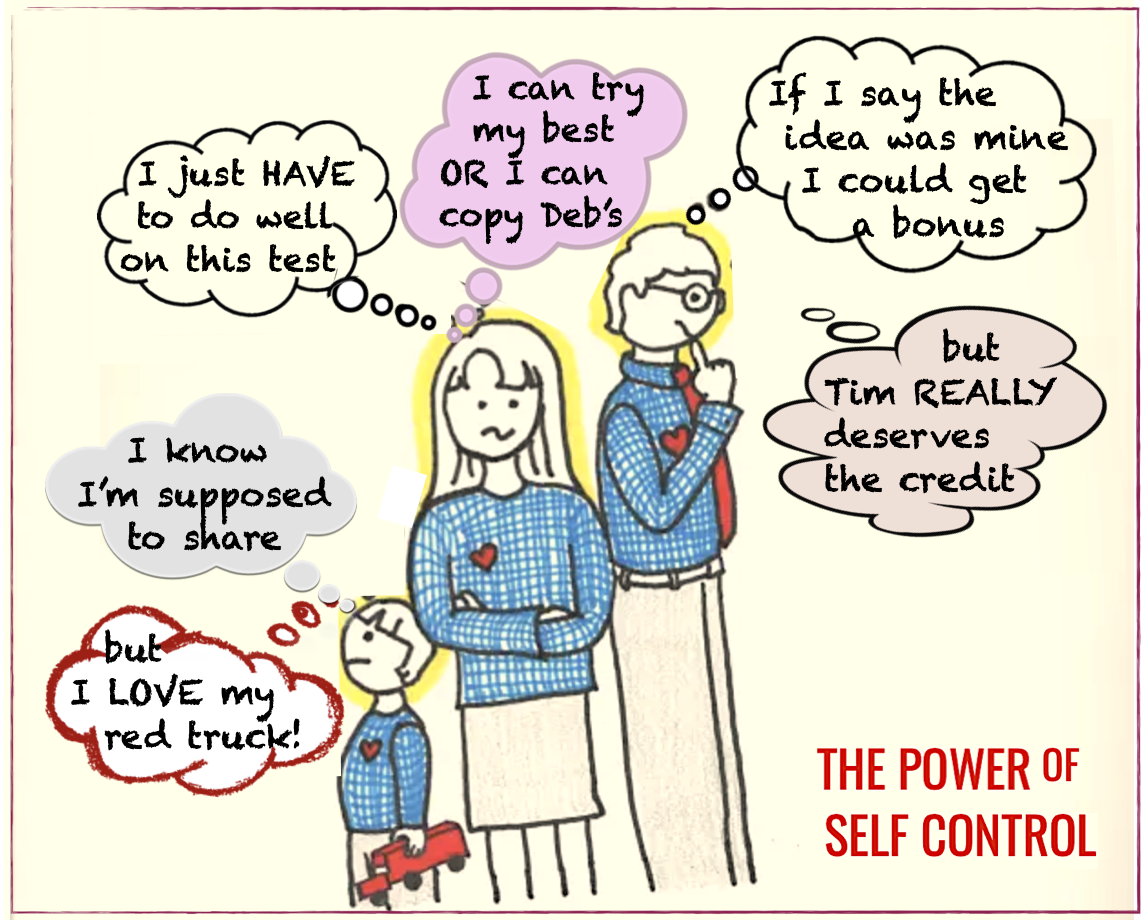
Being self-regulated helps us use the right personal & social skills – at the right time – resisting self-defeating or dangerous responses to internal reactions & external aggravations. In its most basic form, being able to S-R allows us to :
▶︎ 1. stay calm under stress (the lead-up to a big event), & pressure (what we experience at that moment)
Stress moments are experienced when no one else is paying attention when we’re overwhelmed. Pressure is the tension we feel when a moment is important or uncertain to ua, & when we think we’re being judged by others.
▶︎ 2. bounce back from failure, disappointment or loss
 More than many other skills, these 2 will successfully carry us thru life. They’re founded on self-esteem & strong resilience.
Having the ability to activate S-R gives us room to pause between a feeling & an action – the time to think things through, make a valid plan & wait patiently for the right outcome when necessary.
Children often struggle to implementing these options, & many adults do as well.
It’s easy to see how a lack of S-R causes problems in life. A child who yells or hits other children out of frustration will not be popular among peers, & face reprimands at school.
An adult who lacks self-esteem & self-confidence will have poor S-R skills, so have trouble handling frustration & disappointments. This can be expressed as anger or anxiety, & in more severe cases may become a mental disorder (depression, mild paranoia….)
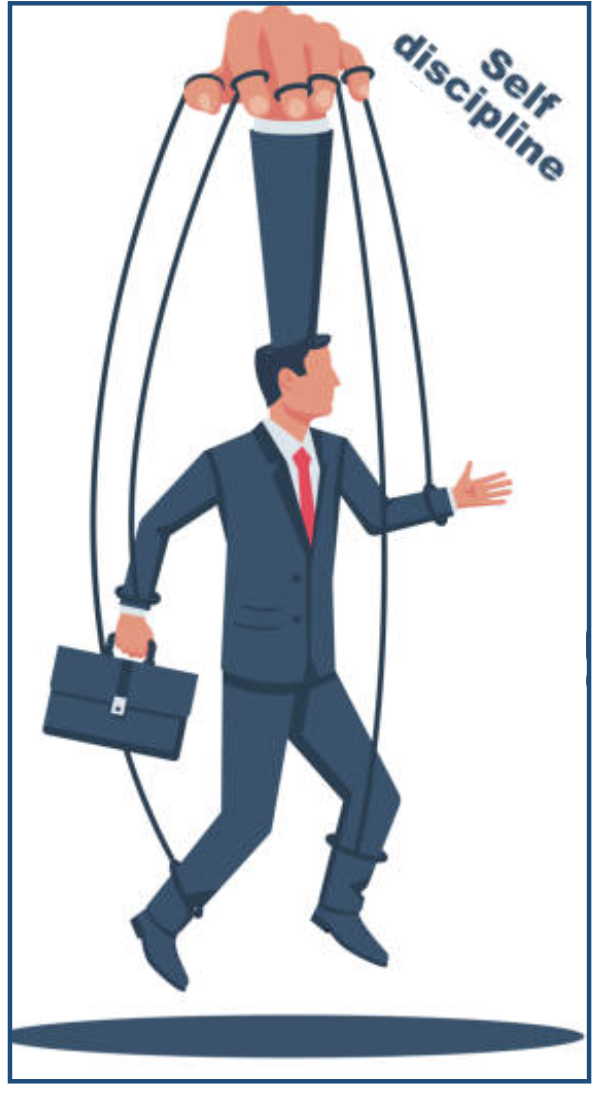
AREAS to be Self-regulated
• Biological – related to the level of energy in our nervous system
 • Cognitive – the mental processes needed for absorbing, retaining & being able to use info : memory, attention, problem solving….
• Emotional – about pleasant & painful feelings
• Social – the child’s ability to use social cues to act in acceptable / appropriate ways, also known as social intelligence (SQ)
• Actions / Prosocial – as adults, how we behave with others around us with empathy – keeping up positive social connections
LEVELS of S-R Awareness (T.E.A.)
Mental = replace distorted / unrealistic beliefs (Stinkin’ Thinkin’) with healthy though patterns, use one’s executive function strategies to learn & to solve problems
Emotional = able to identify a variety of emotions (Es) as they surface, take responsibility for having those Es and for expressing them in healthy ways, recognizing that Es can dissipate or change
Physical = recognize physical arousal by sensations in various parts of the body, seen via body scans, or by successfully used strategies (deep breathing, NLP, biofeedback devices…..) – to calm down & return to a higher brain function (Adulting)
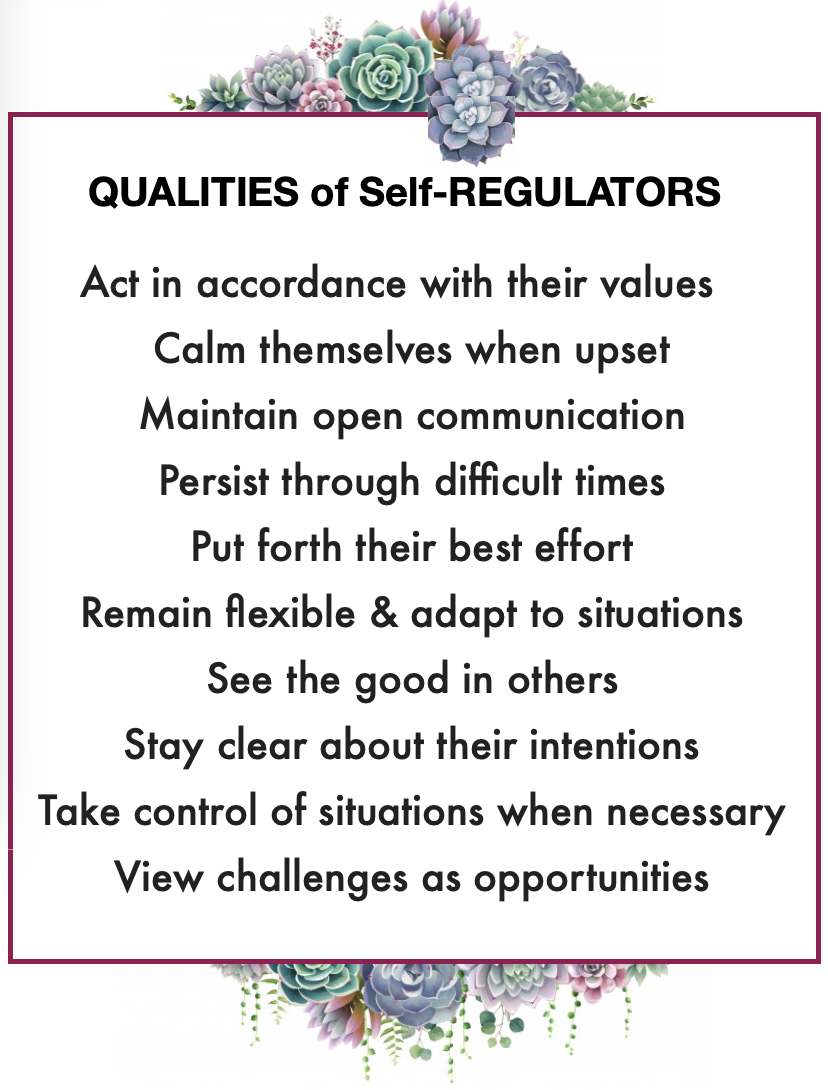
HEALTHY self-control is a fundamental human capacity, but must be learned, so Self-regulation (S-R) is a major developmental task of childhood. Ideally, the adults act as role models, providing a psychological framework for the child’s internal ability to regulate.
(SEE 7 posts re. unhealthy ACoA over-control)
 In a safe environment – the infant learns that its needs will be met by one or more adults, within a reasonable time, so it learns to trust that a caretaker will come, help her/him to calm itself, & provide all its needs.
❣️ Consistently responsive adults help the child build the capacity to wait, because it knows it will be taken care of.
S-R skills can be taught. They develop gradually, so it’s important that parents & teachers have age-appropriate expectations for how a child is able to react to various experiences. Most children learn by imitation – observing how others regulate themselves, especially the important adult, but some will need more hands-on instructions & a lot of practice.
✴︎ Good self-control in childhood predicts better health, less need for addictions, better income, & less criminal offending – as positive outcomes in adulthood.
NEXT: Self-Regulation – S-R Theory
 HEAL & GROW for ACoAs