
PREVIOUS:
Disappointment #2
EXPECTATIONS (cont)
1. COVERT (Part 2)
2. OVERT Types of Disappointment
The less we take care of ourselves, the more needy we are, yet may reject or ignore the help & resources available.
We pick people to ‘rely’ on who either don’t have what we need, or are too self-absorbed to reciprocate, especially if we’re acting the Rescuer / People-pleaser. That drives the WIC to desperately keep look outside of ourselves to provide, for as long as we aren’t willing to take on the Loving Parent role.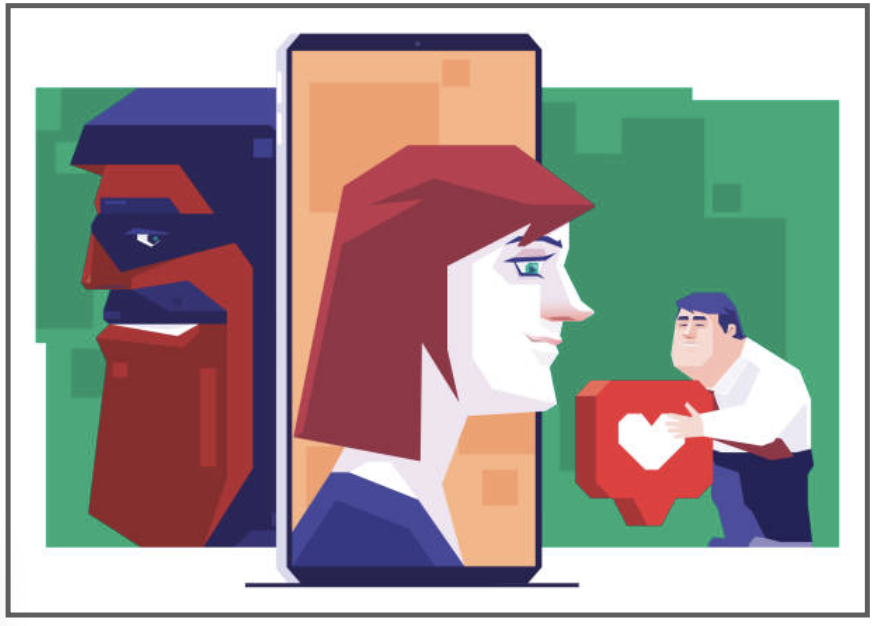
• We believe whatever a particular person says, especially things we want to hear (like promises, compliments or endearments) – even though they’ve consistently proven themselves not trustworthy or dependable. EXP: “I’ll call you tomorrow” but never does. “I love you”, but is needy & selfish, or withholding & critical
• If we have the courage to actually ask for something, & are ‘promised’, but then they don’t come thru, we’re disappointed. We’re angry, even withdrawn, but are afraid to ask “What happened?”
📣 If you’re an extrovert, & feisty, you’ll try to get more of what you want from the person or situation, but angrily, maybe even attacking (the teacher, the belief, the procedure) – & then leave, or keep trying to “force solutions” (in the Al-Anon intro)
Disappointment (D) works like this wedge ⬇️
If our self-esteem & safety depend only on our circumstances, we’re in trouble, because circumstances are always changing. There are too many variables for them to remain the same.
• Too much Disappointment as kids left us Discouraged & frustrated. We didn’t have that many options, & even when we did try to get our need met, most of the time they were thwarted &/or we were punished. 
• Slowly the wedge was driven deeper, & we began to be Disillusioned. For many of us this happened very early in life. The more disenchanted – before we could handle the reality of not having a safe family – the greater the need for illusion.
ACoAs have an over-developed fantasy life, based on hopes & wishes without permission to achieve them. This type is not not productive. However – healthy fantasy can be used to fuel our dreams, which then need to be put into FORM
• As Disappointment invaded our psyche even deeper, it lead to Depression. This D. is about loss, whether something we once had, or about all the things we were deprives of.
• Ultimately we end in Defeat. It’s the “Learned helplessness” syndrome. The WIC thinks that if we’re going to keep getting disappointed, there’s no reason to keep trying.
This is how many ACoAs plod along – barely surviving ‘quiet lives of desperation’. And it all started with years of Disappointments!
SITEs: Christian perspectives 1=Response // 2=Dealing with
DISAPPOINTMENT & the BRAIN
The pain in our brain after a disappointment is realm because it processes unhappy experiences as events that undermine our balance & well-being. The basic reason is that disappointments are processed in the limbic system, the brain structure linked to emotions.
We know that the body releases endorphins to relieve pain as much as possible when receiving a blow, cut or burn. The brain reacts instantly to the message sent by injured receptors.
However, the same doesn’t apply to psychological “wounds”. Even though the brain interprets disappointment as an ‘blow’ to emotional balance, it doesn’t respond with endorphins. Instead, we experience frustration as physical pain, such as headaches & muscle tension, as the levels of helpful neuro-transmitters decrease.
 Neurologists say that the mechanisms of depression share processes & structures with those responsible for disappointment. A neural “jolt” happens before every disappointment. There’s a sudden decrease in serotonin, dopamine & endorphins. So, all those molecules responsible for well-being momentarily stop.
NOTE: We can reduce the impact of these experiences by re-directing them to our cerebral cortex. That is, we must use reason, focusing on the unfulfilling experiences more objectively, correcting negative thoughts.
NEXT : Disappointment- #4
 HEAL & GROW for ACoAs