
 PREVIOUS : Anxious behaviors – Explained (#2)
POSTs : “Friends – Real ” (Part 1 # 2) // INVENTORY
SECURE
You’re able to form nurturing friendships, & work through conflicts that arise. You recognize your value as a person as well as that of others, & understand boundaries that come with friendships. EXP: you’re not one to take things personally if your friends cancel plans last minute…..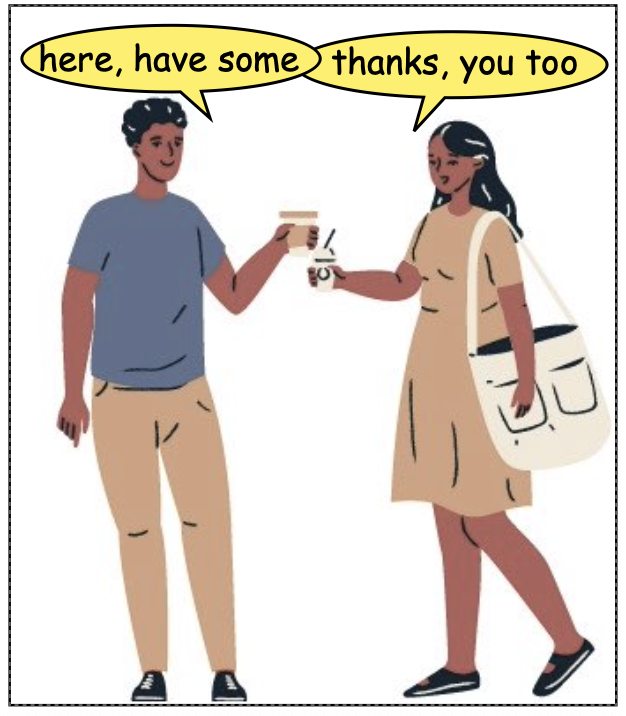
Your strong self-assurance allows you to form trusting & lasting relationship with anyone, able to reach out & connect to people, but also respect their boundaries. Your friendships are healthy, & it’s unlikely you have resentments or repressed feelings, since you like to find all kinds of interesting social groups & share them with your friends.
Anxious-PREOCCUPIED
You likely struggle with anxiety about & an intense focus on your friendships – attuned to their needs but rarely considering your own. You may not be aware of having low self-esteem, but you do depend too much on other’s assurances to feel loved & cared about. So, if a ‘good’ friend doesn’t text you back, you take it personally, blaming yourself for the silence.
About forming close friendships – you often worry that people don’t reciprocate your feelings. However, if you a safe & secure friendship comes along, you’re likely to sabotage its value by obsessively negative thoughts that these healthy friends couldn’t possibly like you.
This can create a rift between you, threatening the connections. Seeing them hang out with other people makes you convinced you’re not important to them & not really cared for – making you clingy, jealous & possessive.
Your friendship-history has been a roller-coaster ride, but it doesn’t have to stay that way forever. You can help yourself by correcting your toxic beliefs which will help to regulate your emotions when triggered by a situations that makes you anxious. Ask yourself &/or a trusted friend if your opinions are realistic.
Fearful-AVOIDANT
This type is a mixture of Anxious & Dismissive. What separates the 2 styles is that this type actually craves intimate friendships, so you’re constantly bouncing between wanting to be close & scared of rejection. Because of this inner conflict you come off as detached & distrustful, even though it comes from fear, which keeps you from connecting with strong & secure people.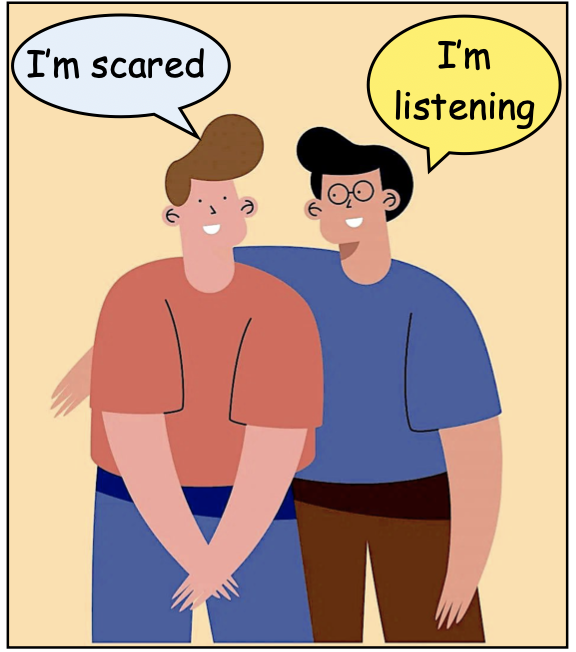
This often leads to conflicts with someone in your friendship circle, even if you don’t mean to. EXP: you miss hanging out with your friends but when you see them, you pick a fight with one or more of them.
Your unpredictable moods & ‘difficult’ attitude make it hard for your them to be with you. Not letting yourself be mutually vulnerable will eventually strain the relationships.
Even so, you can develop a secure attachment style, with a few tweaks. Understand that your thoughts & emotions may not be an accurate feedback loop about what’s going on in your friendship. Rather – it may have been a projection or trigger from old wounds. Instead, work on developing appropriate boundary with your friends so they know what can upset you & what you need in terms of closeness & intimacy.
DISMISSIVE-avoidant
You’re usually pretty happy with yourself – social, easygoing & generally fun to be around. But, you’re also too independent & self-reliant. Your special form of kryptonite is getting too close or personal with others, because being that vulnerable makes you uncomfortable & feel suffocated. So you disconnect emotionally.
You keep social bonds superficial because of your struggles with trust & intimacy, which prevents you from making deep connections with friends. And when you have too much on your plate, you’re not likely to ask for support or help from others even though you really need it.
To improve your social life, decide to slowly get in touch with your fear of personal closeness & mistrust of others.
Talk honestly to close friends, sharing your deepest concerns, even asking for compassionate feedback. Letting them get to know your true self (strengths & limitations) will allow them to be there for you in a way that may surprise you. In time, this will improve you trust issues & gain a secure attachment style.
Modified from :
“Attachment & Friendship” by Nina Fazil (5/22)
NEXT :
 HEAL & GROW for ACoAs