POWER – 4 Types of BIZ Politics (Part 1)


PREVIOUS : Bargains with FATE, #2


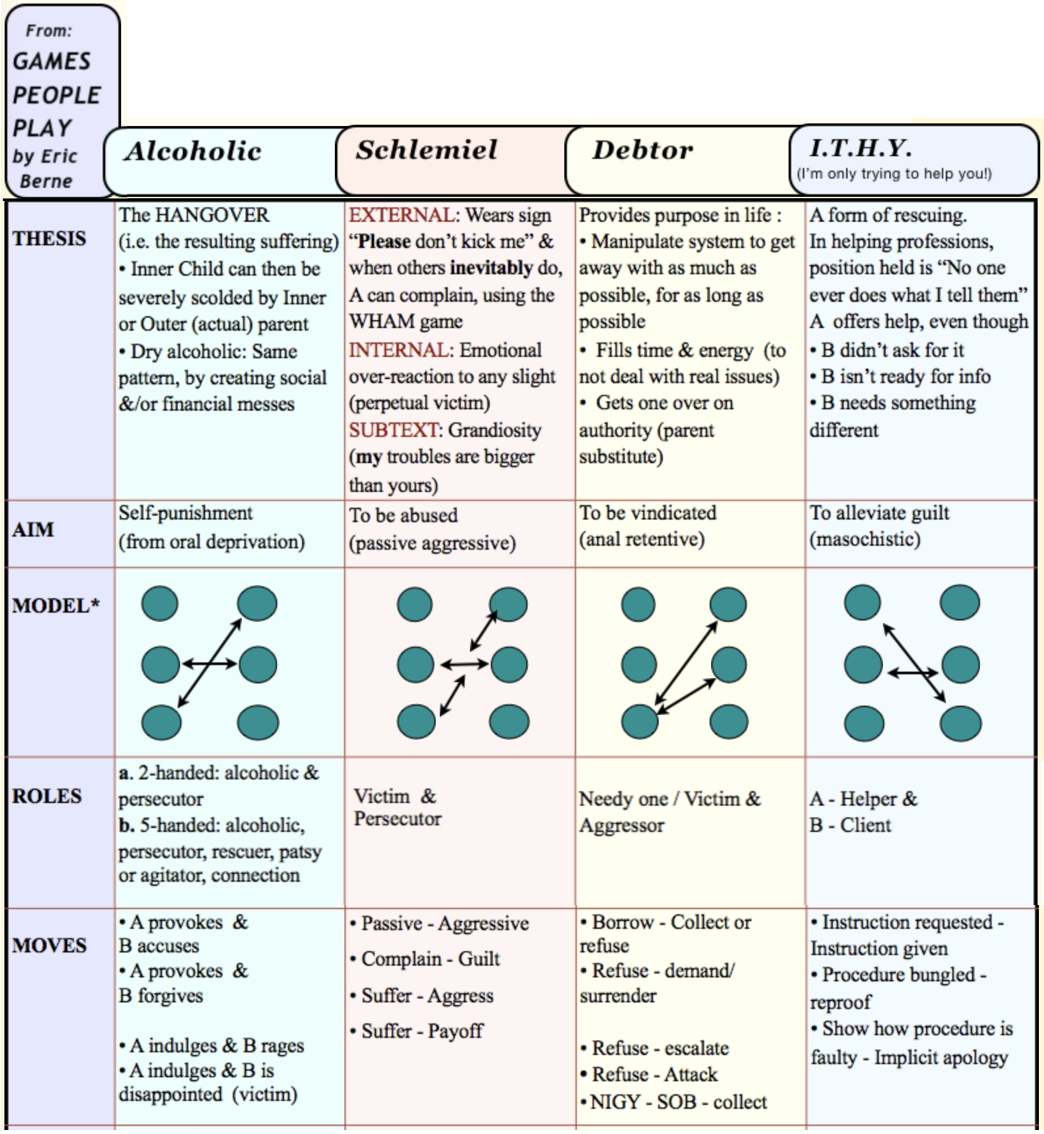
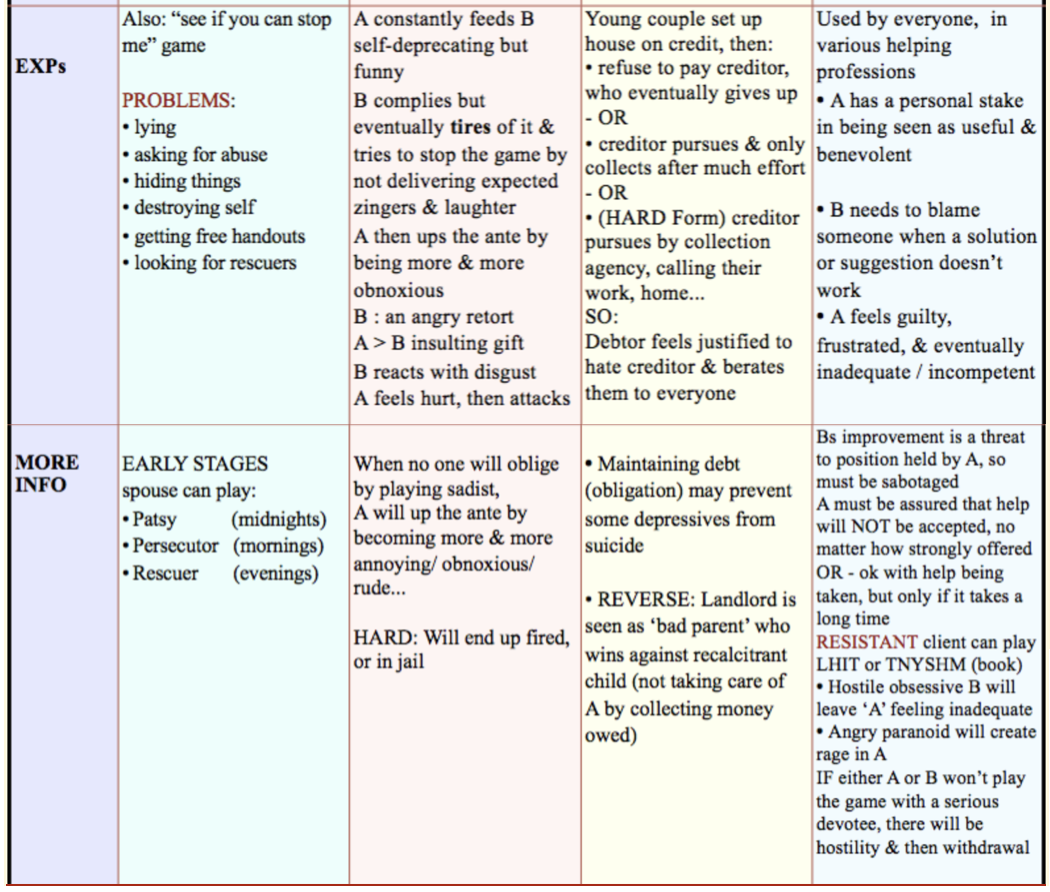
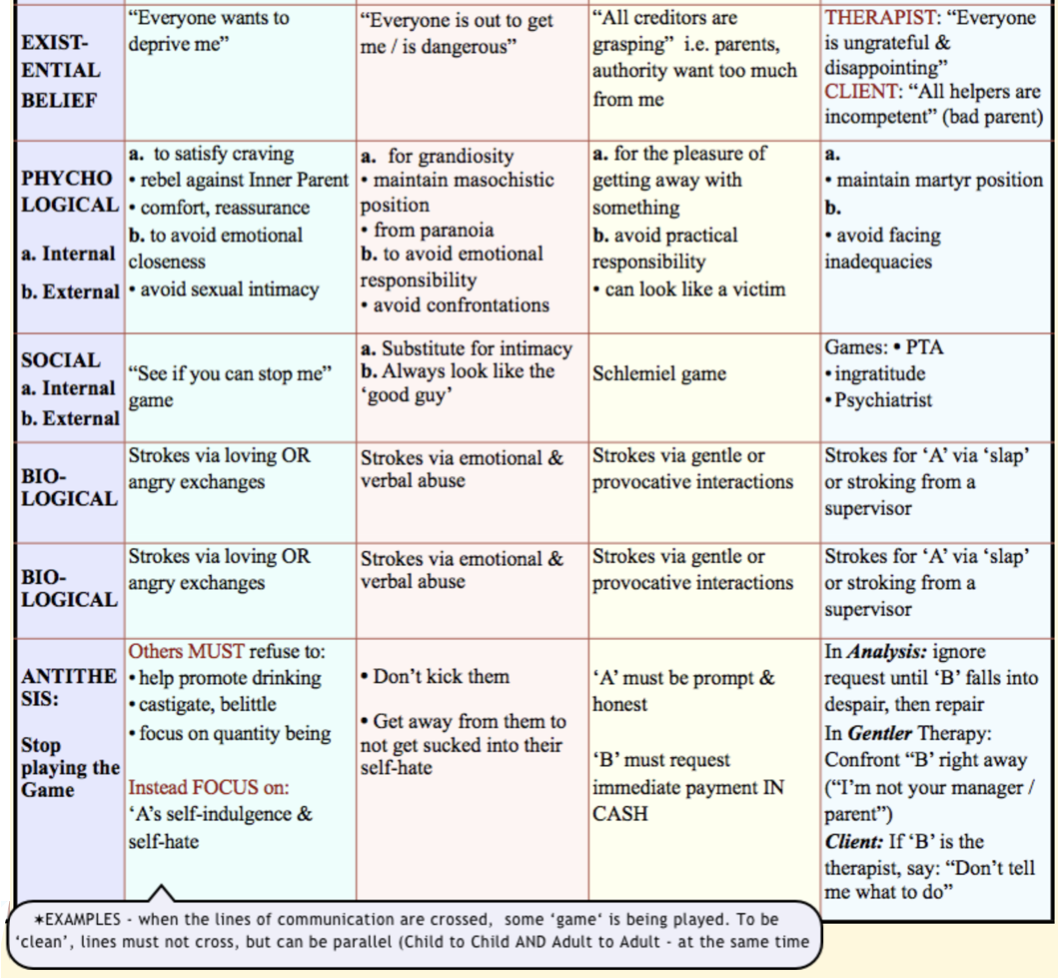
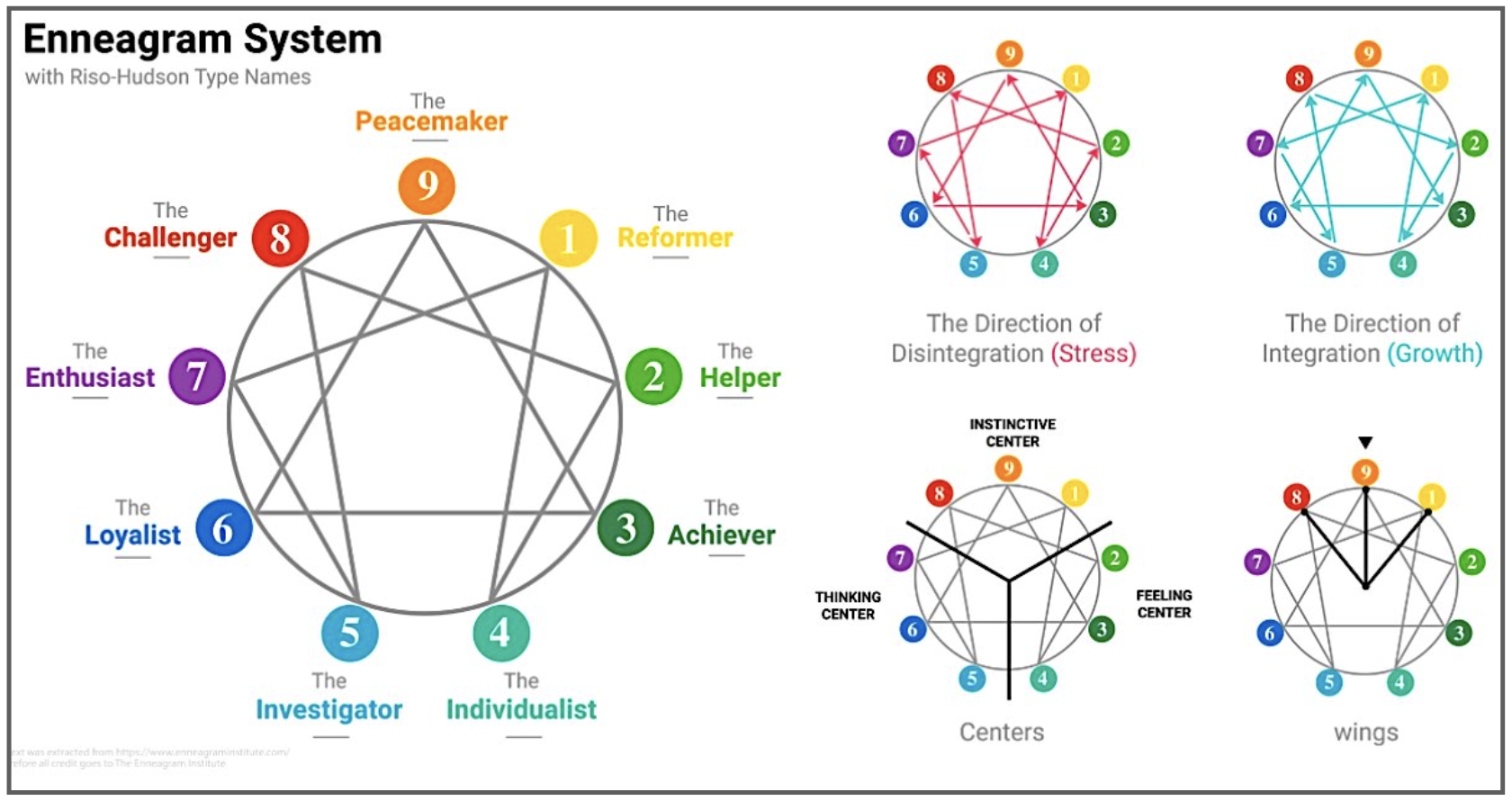
INTRO : Most organizational maps⬅️ are include 4 metaphoric domains,(conceptual frameworks), each with a different set of rules required for skillful navigation. ⬇️
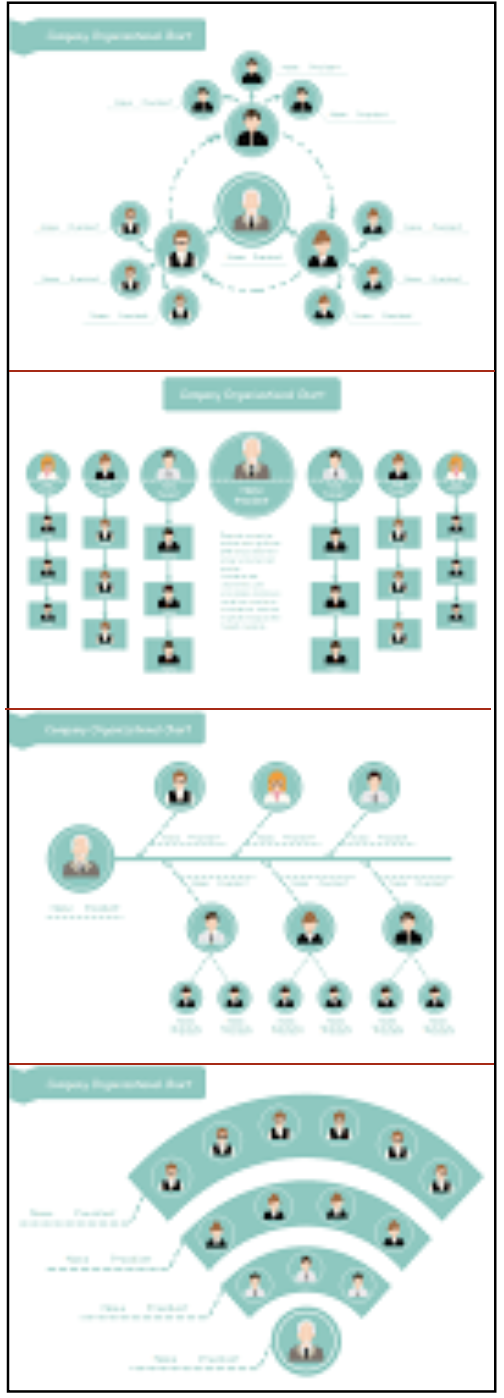
DEF: Organizational politics refers to a variety of activities connected to the tactics used to influence or improve personal or organizational (org) interests. Political behavior allows differences to be shared & methods to be used in strategies that go beyond the rules / norms of the company.

Studies have shown that leaders with political skills tend to out-perform their politically naive counterparts.

🌵 The WEEDS – Individual, Informal
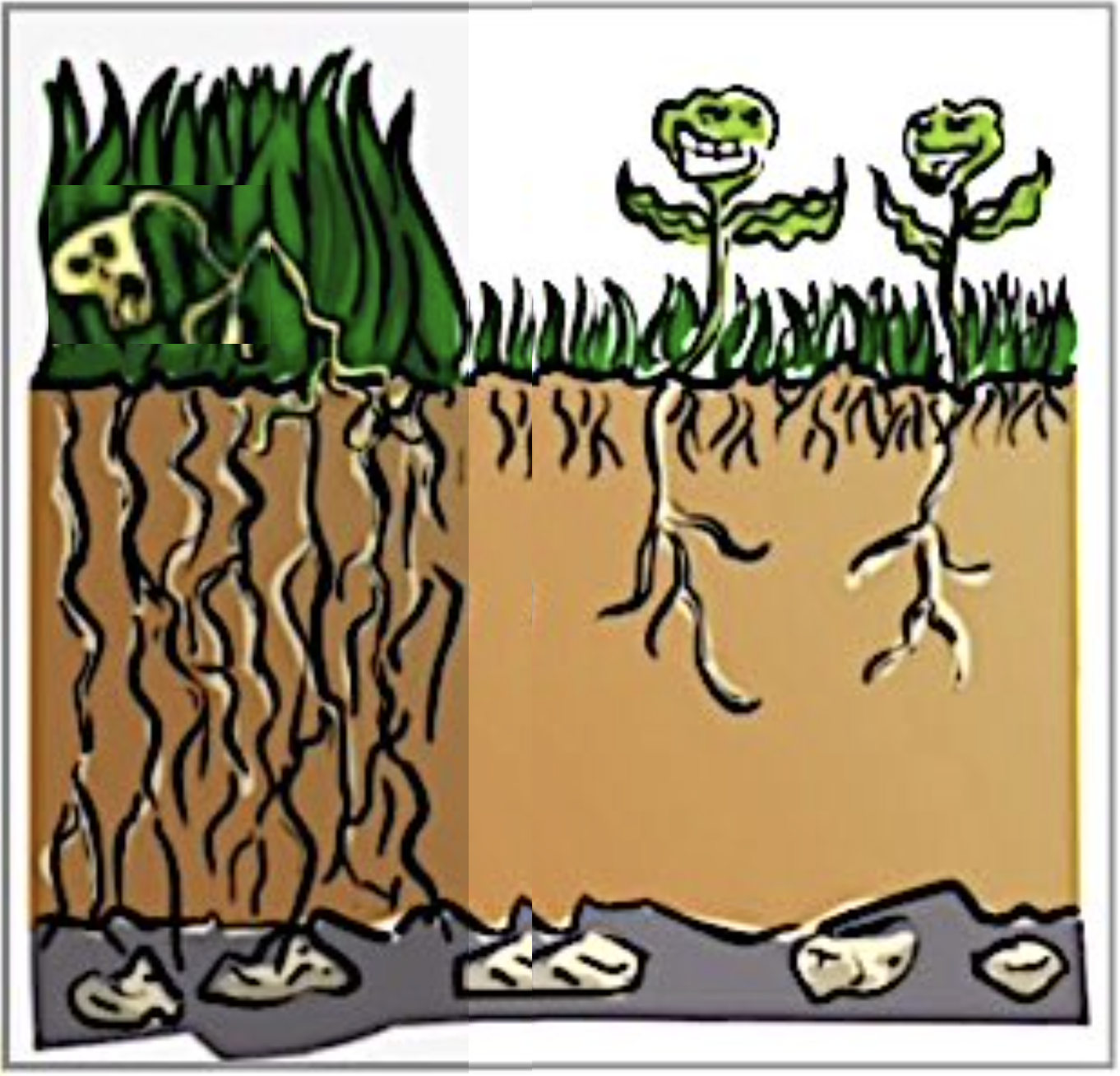
This quadrant is governed by personal influence & informal networks, a dynamic** that grows naturally, without maintenance, & can be a positive benefit to the org.
**dynamics : forces which produce power or movement

Alternatively, the Weeds may form into a dense mat through which nothing else grows. Informal networks can oppose legitimate power & the long-term interests of the co. Such leaders become a source of resistance to change, which influences their colleagues & peers
to do the same. This can prevent putting the org. on a sounder long-term financial footing.

EXP: At one not-for-profit org., their Secretary General was seriously under-performing & sometimes even being unethical. This causing staff to worry they’d lose support of key donors & government officials.
So, an informal group regularly met to cover up his abuses. However, since the problem was too big, within a year the same group helped ease him out, to protect the org’s reputation.

To deal with the Weeds, a leader needs to get involved enough in day-to-day office milieu to understand the informal networks at play. They must identify the key players & any gaps in communication, & possibly ally themselves with them when reasonable.
If the power-group is doing more harm than good, the leader can try to isolate them by developing a counter-narrative**, or by filling in the information gaps & strengthen connections with other networks. (More….)
** counter-narrative is an argument that disputes a commonly held belief or truth, & can give a voice to workers in an org. who otherwise would not have one.

Options for progress:
a. Sometimes a manager or leader needs to exert a lot of pressure on a team to get something done, by using their ‘Positional Power‘.
b. In other cases it may be necessary for employees to form a coalition that works behind the scenes to develop a new procedure or vision.

🪨 The ROCKS – Individual, Formal
This type of Power rests on individual interactions & the use of formal (‘hard’) authority. It can also include political capital which comes from membership in -or- strong ties to a high-status group (finance committee, a special task force, senior management….)

Supportive ‘Rocks’ can make awesome sponsors for organizational growth, & therefore represent a stabilizing force that keeps a business on a strong foundation in times of crisis.

However, the sharp edges of ‘hard power’ can also wreck a plan – when used to satisfy self-interest over the firm’s longer-term value.
EXP: A mid-sized advertising agency was trying to implementing a new growth strategy. The chairman used abusive power to stop the changes.

— He constantly questioned decisions agreed to by the management team
— changed his mind from one meeting to the next
— stoped agreeing to allocate resources for new structures, &
— removed people from the special task forces without notification.

Where hard or formal sources of authority reign, navigating this terrain consists of appealing to them or drawing on their position as boss / manager, instead of fighting them.
The best bet is to redirect the energy of a dysfunctional leader, inviting the Negative Rocks to participate in the change effort.Reasoned argument & especially appealing to their interests can work – since someone is involved in the change-effort, they’re more likely to buy into it, rather than resist.
EXP:  In the case of the ad agency mentioned above, senior executives used the threat of “leaving a legacy” to get the chairman to see how he was undermining the company’s long-term interests as well as his own.

NEXT : 4 Types of BIZ Politics (#2)
BARGAINS with FATE (Part 2)

PREVIOUS : Games PEOPLE PLAY


↘️ Chart OUTLINE from BOOK
“Bargains with Fate : Psychological Crises & Conflicts in Shakespeare’s Plays”
– Bernard J. Paris & Theodore I. Rubin (2009)

Expanded info on 3 broad categories of DEFENSES
— Self-effacing / Compliant
— Aggressive / Expansive
— Detached / Resigned


BARGAINS with FATE (Part 1)


PREVIOUS : “4 Games People Play”

SITE : “The SELF” 


⬅️ “Bargains with Fate : Psychological Crises & Conflicts in Shakespeare’s Plays”

– Bernard J. Paris & Theodore I. Rubin (2009)

In this work, Bernard J. Paris, an eminent Shakespearean scholar, shows how Shakespeare endowed his tragic heroes with familiar inner conflicts & enduring human qualities that make them relevant to people of any era.
Paris uses a psychoanalytic approach inspired by Karen Horney’s theories to analyze 4 major personality types, representative of the Bard’s other works. The author’s combination of literary & psychoanalytic perspectives provides a deeper understanding of human behavior.

The PROBLEM : Shakespeare’s characters are in a state of crisis because their Bargains with Fate have failed – the false belief that they can (magically) control their destinies by living up to the ‘rules’ of their defensive strategies.

FROM Dr. Paris Into (pgs 15 – 32)  The most familiar type of Bargaining is for a person to promise to reform their behavior when they’ve gotten themself in trouble (after the fact), &/or to perform some act of contrition  / self-restriction, to prevent punishment from the ‘powers that be’

“….but this type of Bargains-with-Fate are those in which we believe we can control fate by living up to its presumed dictates – not after it grants our wishes – but before. If we think, feel & behave the way we are supposed to – we will receive our just deserts, whatever we may think they are. Fate is often conceived of as God, but our bargains can be with ourselves, other people, or impersonal forces in the universe as we see it.

The terms of the bargains are not really determined by external forces, but dictated by our own defensive strategies. Bargaining is primarily a magical process conforming to impossible lofty demands of whichever neurotic defense we choose (Horney called “private religion”) that will enable us to attain those impossible lofty goals.” (MORE ….. ‘inside’)

Unfortunately for this kind of bargainer – sooner or later their ‘deal’ always crashes & burns, causing great suffering. Yet many people refuse to give up the fantasy wishes & hopes of the Idealized Self (I.S) & live in perpetual disappointment.

DEFENSE MECHANISMS
a. used to deal with feelings of fear, isolation, helplessness, hostility, powerlessness….
b. used against both deep insecurity & vague anxiety

TOXIC SOLUTIONS
1. Self-effacing / Compliant
2. Aggressive / Expansive :
– a. Narcissist
– b. Perfectionist
– c. Vindictive
3. Detached / Resigned
(full CHART in Part 2)


⬇️  OUTLINE re. the 4 CHARACTERS (pgs 35-177)

HAMLET (H)
▫️H & the Ghost / ▫️H’s conflicts in Act 2
▫️H’s Problem: “This too too solid flesh”
▫️H’s Conflicts : “To be or not to Be” /  “Get thee to a nunnery” /
“Yet have I in me something dangerous”
▫️The closet scene /  ▫️ More Oscillations
▫️In the hands of providence / ▫️ Wish-fulfillment end

OTHELLO
▫️Iago’s character / ▫️ Iago’s crisis
▫️Psychological Functions of Iago’s Plot
▫️Othello’s Triumph / ▫️ Othello’s Vulnerability
▫️Othello’s Transformation / ▫️ An Honorable murder?
▫️ Bewitched Desdemona : “The Inclining Desdemona”
/ “His scorn I approve” /  “Who hath done this deed?”

KING LEAR
▫️The Love test  / ▫️ Cordelia’s Compulsiveness
▫️Collapse of Lear’s Fantasy / ▫️To Plainness Honor Bound
▫️Rhetoric vs. Mimesis  / ▫️ Blows & Defenses
▫️”In such a night as this!” / ▫️Unaccommodated Man”
▫️Lear & “Poor Tom” / ▫️”Let Copulation Thrive
▫️Paradise Regained  / ▫️ Spiritual rebirth?
▫️”All Cheerless, Dark & Deadly”
▫️Death of Cordelia / Conclusion

MACBETH (M)
▫️
M’s Inner conflicts – before the murder
▫️Macbeth & Lady Macbeth
▫️M’s Inner conflicts – after the murder
▫️The murder of Banquo / ▫️M’s Transformation
▫️The villain as Hero / ▫️ The Death of Macbeth

NEXT: POWER – 4 Types of BIZ Politics (#1)

4 “Games People Play”

PREVIOUS : 18 Laws of Human Nature (#5)
 
SITE:”Games” Book Summary


INTRO
Games People Play is Eric Berne’s 1964 classic about the many ways that we habitually relate to one another through “games.” However, they’re not fun, harmless social interactions – but rather subtle, largely unconscious patterns that harm us & our relationships. The book of 20 games explores a fascinating & bizarre world, explaining how some people unconsciously participate in manipulate others to react in alienating & self-destructive ways. It dissects the hidden dynamics inside each game – and shows how to escape them to find true intimacy.
NOTE: This is the book which introduced the INNER CHILD concept. Green circles in chart below are Parent, Adult & Child (top–down)
Here are 4 of the games & how they’re laid out. (more Berne books)


NEXT : POWER – 4 Types pf BIZ Politics (#1)

18 Laws of HUMAN NATURE (Part 4)


PREVIOUS : Human Nature “LAWS” (#3)

SITE :
6 Characteristics of Human Nature”
A gallery of paintings that exemplify the human condition: Emotion, Rebellion, Chaos, Hard times, Work for what we want, & Self-image.

REMINDER : ❗️See “Summary & Notes” for the extended explanations of each ‘law’

“LAWS” of HUMAN NATURE by R. Green (cont)
11. Law of Grandiosity
12. of Gender Rigidity

13. of Aimlessness
The inherent tendency of humans is to roam around purposelessly – so we have to rely on making conscious decisions. In the back of our minds we can sense an overall lack of direction, being pulled this way & that way by our moods & the opinions of others

RESPONSE : We must be open to our internal, primal traits that make us unique. People become most successful when they have a sense of purpose in their life. A clearly-defined life-path gives us energy, even in moments of deep despair. Operating with a high sense of purpose aligns with who we are, allowing us to achieve more, in a meaningful, impactful life.

14. of Conformity
We have a social side to our character, so in group settings, we unconsciously imitate what others are saying & doing.
RESPONSE :
Resist the groups’ downward pull. We like to believe we’re independent & progressive, but actually can’t help conforming with our society. Recognize the dynamics / patterns found in whatever group you’re in, & notice specifically how you are influenced. Then help develop healthy groups with an upward pull.

15. of Fickleness
People are always ambivalent about those in power. They want to believe their emotions are pure & simple, when they’re actually ambivalent toward most things, including our leaders. They want to be protected & enjoy prosperity – without making sacrifices, to be led but also to feel free, to both worship the king & want to kill him. 

RESPONSE : The fundamental role of a leader is to provide a far reaching vision to unite the group. Authority is the delicate art of wielding power while making people feel like you are working for them. Make them want to follow you.  To embody all the traits you would want in a leader – you must work hard, leading from the front, to be calm, consistent, courageous, fair, tough & wise.

16. of Aggression
On the surface, people seem so polite & civilized, but under the mask, they’re inevitably dealing with frustrations., leading to anger. They have a need to influence people & gain power over circumstances. If they are blocked in these goals, they will become manipulative or outright aggressive.

RESPONSE : See the hostility behind the friendly façade. On the surface, people seem friendly & civilized but under the mask everyone has an aggressive side. Learn to recognize & manage chronic aggressors & counter passive-aggression. Be aware of your own aggressive tendencies, & harness the positive aspects of your assertive energy.

17. of Generational Myopia
People are born into a generation that defines who they are (more than they realize. Each generation forms certain tastes & values, wanting to separate itself from the previous one & set a new tone for the world. Then – as they get older, their values & ideas tend to become closed off from other points of view, limiting their thinking.

RESPONSE : Everyone is strongly defined by the generation we’re born into. Understand & honor how much the current time period affects you. Transitions can be seen over decades, seem to be universal across time & indicate that they are bigger than any one generation. Realize how history moves in cycles across generations, & how / where you fit in the wider patterns.

18. of Death Denial
Most people are terrified of death, & spend their lives avoiding the thought of it. To compensate, they continually look for ways to separate themselves from others to feel special, & therefore exempt.
RESPONSE : Understanding mortality is a powerful tool at your disposal seldom exploited to the maximum. The shortness of life ought to compel us to fight harder & stop procrastinating. Instead of avoiding such thoughts, leverage the paradoxical death effect, to make our life more productive & meaningful. Training ourselves to confront & accept this reality makes it easier to manage inevitable setbacks, separations & crises in life. It provides a sense of proportion, of what really matters in this brief existence of ours, so we can more easily deal with setbacks & obstacles.  (Modified REPRINT)

NEXT :

18 Laws of HUMAN NATURE (Part 3)

PREVIOUS : Human Nature “LAWS” (#2)

REMINDER : ❗️See “Summary & Notes” for the extended explanations of each ‘law’

“LAWS” of HUMAN NATURE by R. Green (cont)
5. of Covetousness
6. of Shortsightedness

7. of Defensiveness
People don’t like someone trying to change their opinion. They look after our own interests, wanting to feel that they’re independent, following their own ideas. So when someone tries to persuade or change them, they become defensive & resistant.

RESPONSE : Soften people’s resistance by confirming their Self-Opinion. Don’t try to show how good you are nor challenge them directly. When you acknowledge their beliefs, they tend to let their guard down (some), making them more open to your suggestions. If you have valuable information & can get things done, you’re a force.

8. of Self-sabotage
Our attitude are self-fulfilling, painting everything we experience, learn & do, which determines much of what happens in our life. Mental attitude sits at the heart of success & pre-determines our ability to make the right moves.
RESPONSE : 
See yourself as an explorer – always curious, open to learning new things. AND see adversity as opportunities to improve life, not something to be avoided. Understand that you can’t change people, so embrace & enjoy who those who are compatible, & manage how you behave with those who aren’t.

9. of Repression
People are rarely who they seem to be. Lurking beneath their polite, affable exterior is inevitably a dark, shadow side. It consists of the insecurities & aggressive, selfish impulses which are repressed &
carefully conceal from public view.

RESPONSE :  Confront your dark side – the selfish, greedy, or aggressive parts we hide in order to fit in and be liked / respected. Depression & anxiety comes from not being aware of these tendencies. By accepting them, you’ll become a more complete & authentic person, radiating that to others, which will attract them into your circle of influence

10. of Envy
People are envious – naturally compelled to compare ourselves with one another. Humans have an inclination to evaluate the quality of our own lives based on the values that are accepted by the mob. We continually measure people’s status, level of respect & attention
they receive, noticing any differences between what we have & what they have.

RESPONSE :
Beware the fragile ego. Develop your sense of self-worth from internal standards rather than by endless comparisons, & work on your personal progress, not attaching weight to someone else’s work.
Deflect others’ envy by drawing attention away from yourself & emphasize the role of luck in your life. Recognize the early warning signs of uneasiness with your success.- too much praise & people-pleasing, or subtle digs under the guise of good-natured humor.

11. Law of Grandiosity
Our natural grandiosity creates an unrealistic sense of superiority, encouraging the view of oneself as better than others. Even a small measure of success can make us lose contact with reality.  If the opinion of our goodness, greatness & brilliance diverges enough from reality, we over-blow our abilities, to compensate, leading to irrational or dangerous decisions.

RESPONSE : Know your limits. Humans want to think highly of ourselves, to the point we tend to imagine our superiority. Learn to identify the signs of elevated grandiosity in yourself and in others, including the 6 common illusions of grandiose leaders and how you can adopt practical grandiosity.

12. of Gender Rigidity
All of us have masculine & feminine qualities. Some is genetic, and some comes from the profound influence of the opposite sex parent. But we tend to repress these qualities, over-identifying with the role expected of us.
RESPONSE : Connect your masculine & feminine aspects, blending in the parts you’re most lacking. Recognize the various types of gender projections, to unlock your specific repressed qualities / energy. Then you’ll become more authentic & effective – drawing others to you. It will allow you to be more fluid in your thinking, which can unleash creative powers

NEXT : HUMAN NATURE #4

18 Laws of HUMAN NATURE (Part 2)


PREVIOUS : Human Nature LAWS (#1)

❗️SITESummary & Notes Extended explanations for each ‘law’

☀︎ “LAWS” of HUMAN NATURE by R. Green (cont)

1. Law OF IRRATIONALITY

2. of NARCISSISM: Transform Self-Love into Empathy
Humans have the natural ability to empathize & connect with others. Unfortunately, we get blinded by self-absorption. As children, our sense of self-worth is tied to the attention we receive & the quality of our interactions. As adults, the problem comes when we rely on how well others treat us to feel worthy & alive.

We all have narcissistic tendencies, to varying degrees.
– Deep narcissists (NPDs) lack a cohesive sense of self, so their self-worth comes entirely from others’ attention and validation. In relationships they take everything personally, demand control , everyone’s total focus being on themselves, & are expert manipulators.
– Most of us are functional narcissists in the middle of the spectrum. We may slip into moments of self-absorption, but have a strong-enough sense of self to pull out of it.
– Healthy narcissists have a strong, resilient sense of self. They direct their sensitivity outward – in the form of empathy toward people or focused creativity in their work, instead of only not themselves.

SHIFT Toward HEALTHY NARCISSISM
Recognize deep narcissism in others to avoid being sucked into toxic relationships.  Be honest about your true nature, & work to develop :
a. Analytic empathy: Gather info about the others so you truly to know them (family relationships, values, emotional triggers)

b. Empathetic attitude: Assume you’re ignorant about people so you can be truly curious about their point of view. In your daily conversations :
☼ set aside your judgments / biases
☼ stop your endless inner dialogues, & fully listen
☼ don’t assume they have your same /or similar views
☼ be open to new discoveries.

c. Visceral empathy:
‣ Pay attention to people’s reactions (facial expressions, body language & tone of voice)
‣ Use mirroring to develop a stronger connection (mimic their tone or expression, nod & smile as you listen)

d. Use direct/indirect feedback to develop your empathetic skills: ask about their thoughts / feelings to verify your guesses, then pay attention to their responses & rapport.

3. of Role Playing
People tend to wear the mask that shows them off in the best possible light – humble, confident, diligent…. trying to hide their true personality. It’s a form of impression management – wanting to influence other’s perceptions.

If we take this appearance for reality, we never really know their true feelings, & on occasion get blindsided by their sudden resistance, hostility or manipulations.
RESPONSE : See though the masks & become a master at reading body language, as well as presenting yourself optimally.

4. of Compulsive Behavior
People never do something just once. They will inevitably repeat their bad behavior.
RESPONSE : 
Learn about people’s character types. When choosing who to work / associate with, don’t be mesmerized by their reputation or surface image. Instead, determine their strengths & weaknesses.
Also, assess your own – correcting negative compulsive patterns so you have control of your choices

5. of Covetousness
People continually desire to possess what they don’t have.  Most don’t really want truth & facts, rather wanting their imagination lifted & ego boosted.
RESPONSE : Become an elusive object of desire – a little absence will spark interest, so creating an air of mystery will make you highly desirable.
Also, ‘covet’ a closer connection to reality, accepting what you can & can’t change, and be OK with both, which brings calmness

6. of Shortsightedness
People tend to overreact to present circumstances, & ignore what
will happen in the future
. It makes them vulnerable when things take an unexpected turn.
RESPONSE : Surround yourself with those who understand the consequences of their actions & have a bold vision. Elevate your own perspective – learn to focus on the long-term, considering the bigger picture, so you gain the patience & clarity to achieve almost any goal

NEXT : Human Nature  (#3)

18 Laws of HUMAN NATURE (Part 1)

PREVIOUS : BOOKENDING (Part 3) Review

SITE : √ “Human Nature” (Psychology Wiki)
√ “What Are We? Three Views on Human Nature”  (2016)  from the Reformed Faith & Practice newsletter

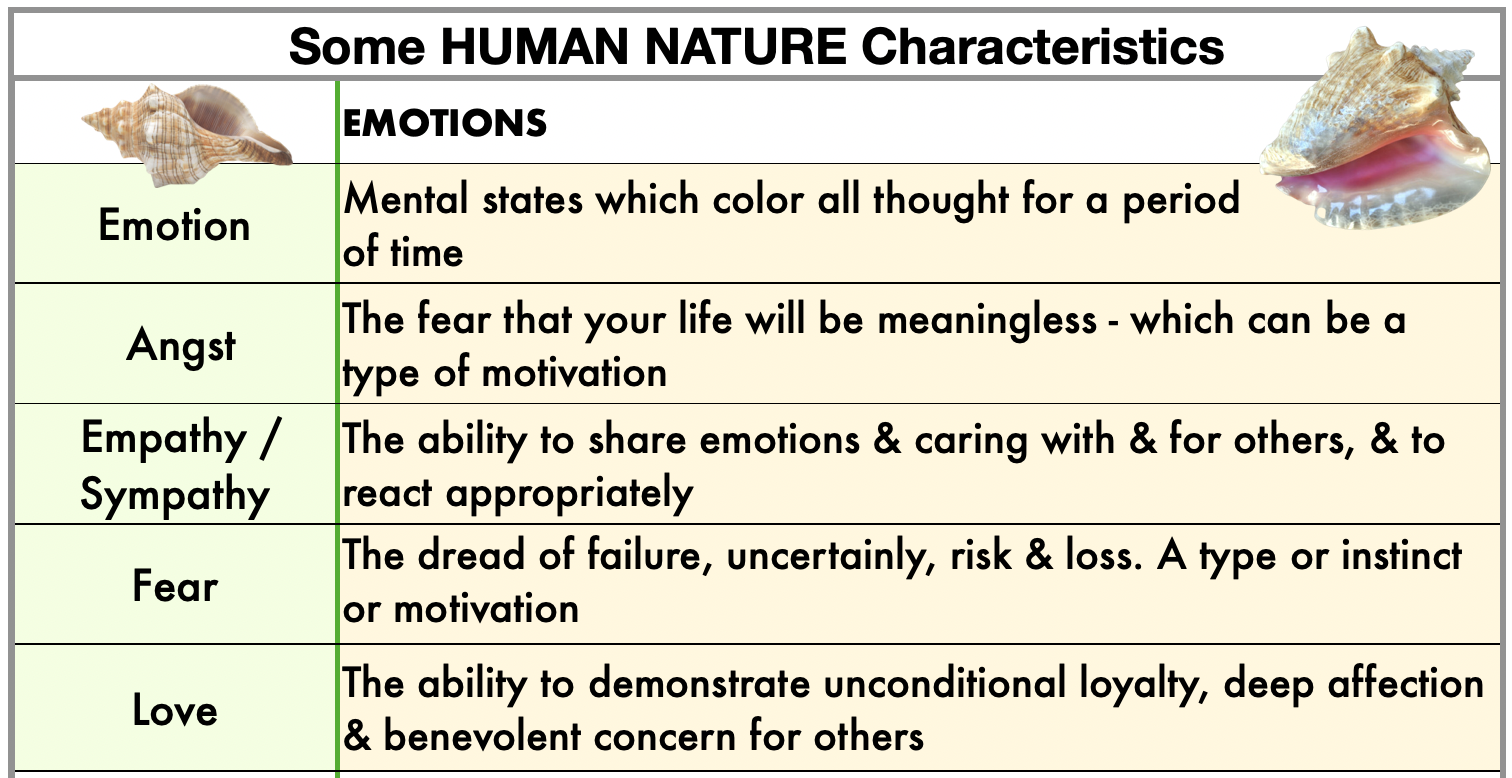
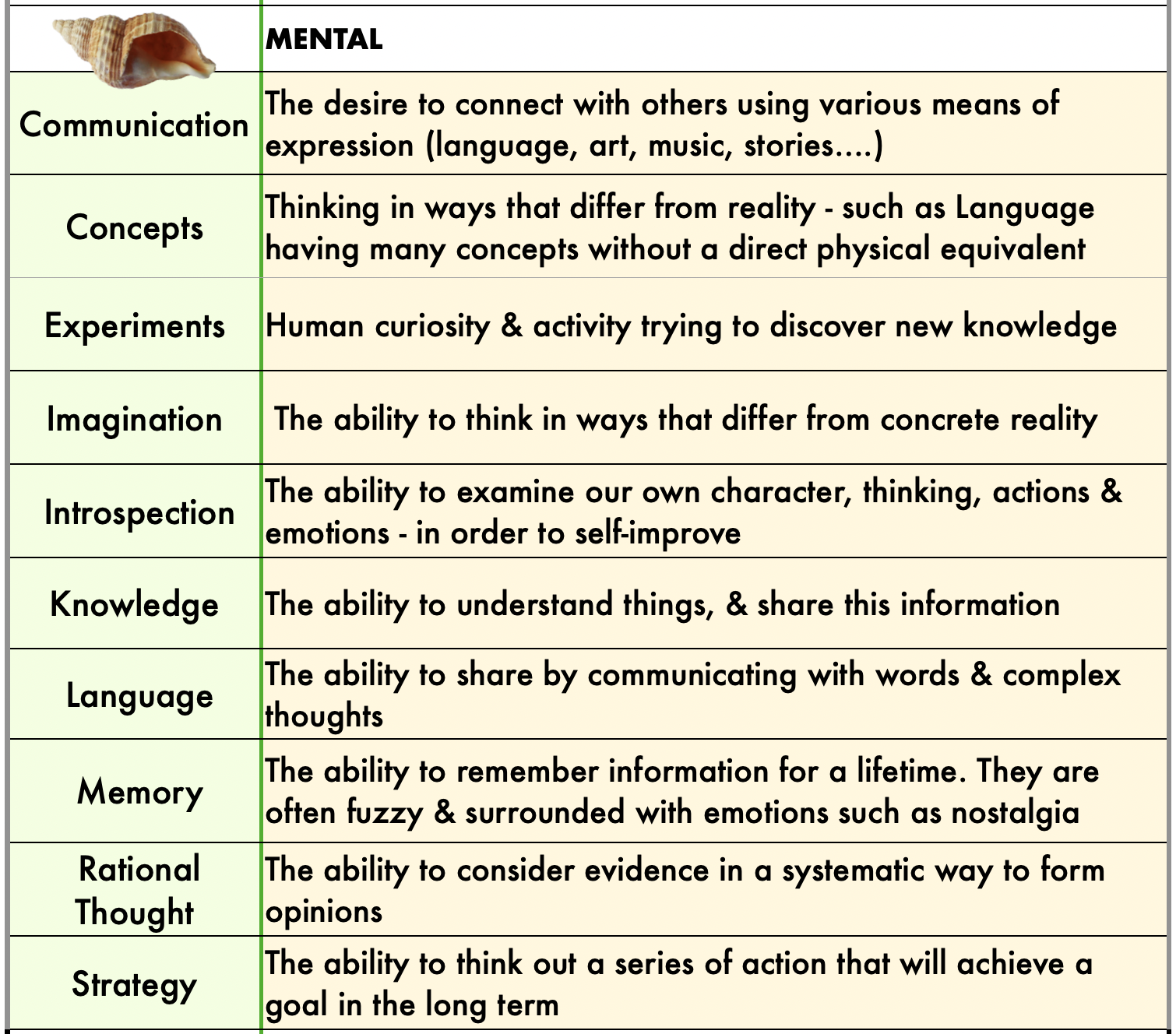
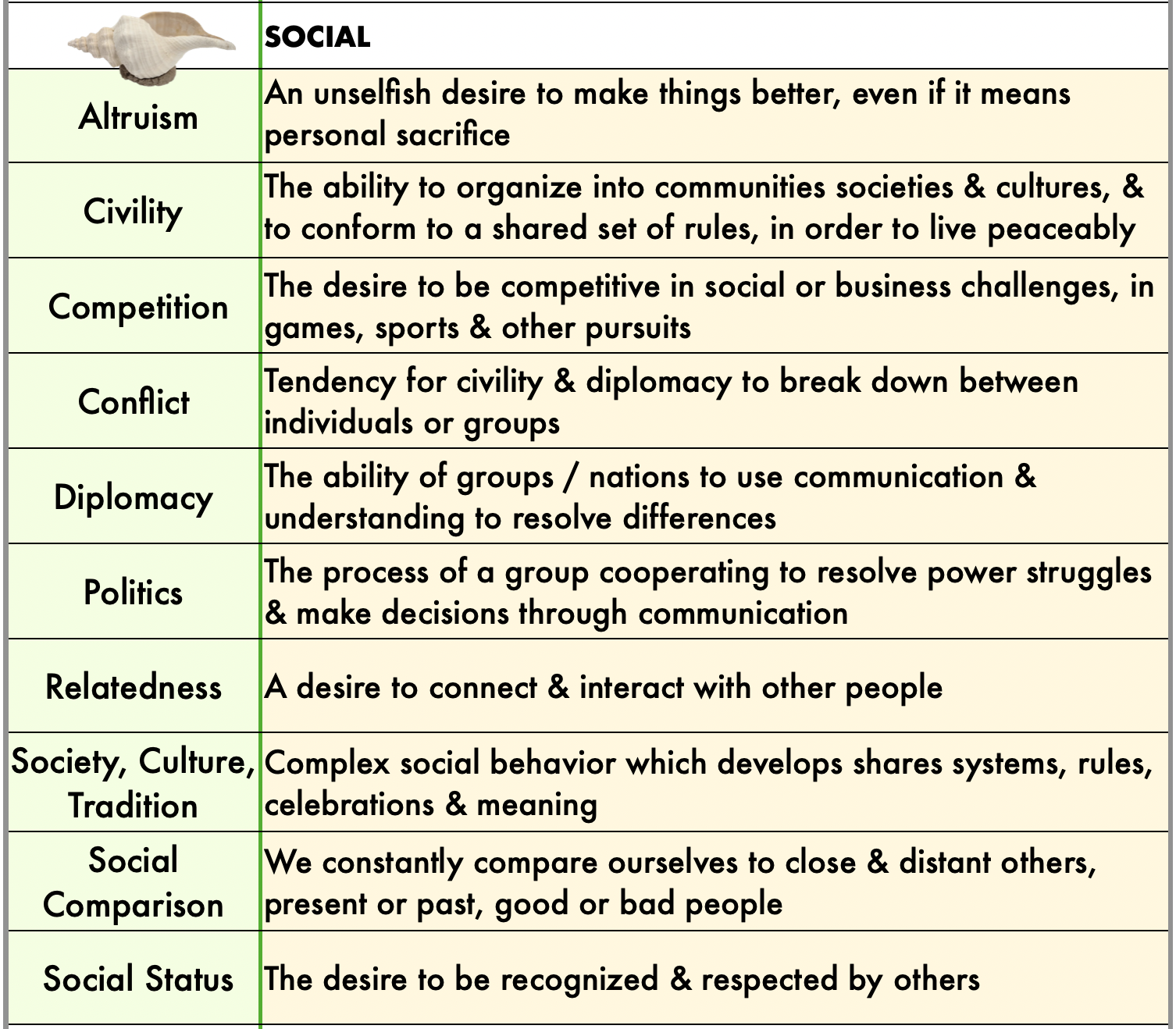
6 Characteristics of Human Nature
These Characteristics are based on a study of human action – what people do, say or intend : Ambition, Greed, Ignorance, Laziness, Self Interest, Vanity.

DEF: Human nature includes the core characteristics (feelings, psychology, behaviors) shared by everyone.
We have different experiences of the people in our life, & we tend to label them – ‘good , bad, predators, capable of great kindness’…… These opinions are colored by our personal experiences with our family, our culture & nationality. The group we’re born into passes on its particular ideas about what makes humans ‘human.’

Robert Greene’s 18 “LAWS” : Book Summary  

REVIEW : “Human nature (how we act instinctively) comes from the way our brains are wired. Through his study of psychology, philosophy & literature, Robert Greene extracted 18 laws of human nature to explain why we behave the way we do.

They may help us become a better judge of character, manage our own thought patterns, & empathize with others, interacting with them more effectively.”

For full details, get a copy of the book , or the full summary bundle for an overview of the various ideas & tips.
👁 Each law is detailed with at least 1 long story (re. historical figures like Milton Erickson, Anton Chekhov, Richard Nixon, Mary Shelley, Martin Luther King Jr., Queen Elizabeth I….), with Greene’s interpretation, additional insights on human nature, & strategies to manage them.

NOTE: You may or may not agree with his choices. They’re not based on the Bible’s compilation, but some may overlap.
The Christian understanding of human nature includes many positive traits, but is most commonly expressed in the form of ‘character defects’ (AA 12-Step language), as the 7 deadly sins :
Anger, Avarice, Envy, Gluttony, Lust, Pride, Sloth.

Interestingly, the Enneagram has the same basic list, called ‘Vices’ plus 2  –> Personality TYPE 1= Anger / 2= Pride / 3= Vanity / 4= Jealousy / 5= Greed / 6= Doubt / 7= Gluttony / 8= Lust / 9=Sloth.

The LAWS of HUMAN NATURE 
1. Law OF IRRATIONALITY:  Master Your Emotional Self
Humans think we’re rational & in control of our lives, when in reality we’re driven by intense emotions – seeking pleasure, avoiding pain & doing things to soothe our wounded ego.

Emotions & conscious thought are located on opposite sides of the brain – & we feel emotions first before consciously interpret them (often wrongly).
EXP: When feeling hurt – It’s easier to think you’re angry with someone because they’re a jerk, than to admit you’re insecure or jealous of them.
We are indeed emotional creatures, yet often blind to what motivates us. ★ Becoming aware of our own irrationality, we can learn to understand & manage them with introspection & reflection.

Becoming More Rational
a.
 Recognize biases (“low-grade”) that distort perception & responses. These include the biases :
⚛︎ appearance (assume you can read people but are misled by ‘looks’)
⚛︎ blaming (avoid your own failures, accusing others)
⚛︎ confirmation (think you’re being logical when finding ‘evidence’ to confirm your own opinions)
⚛︎ conviction (defend your views with ‘assurance’ to drown out your doubts)
⚛︎ group (think your ideas are original when just following the herd)
⚛︎ superiority (think you’re better & more rational than others)

b. Beware of inflaming factors (“high-grade”) which trigger certain feelings & intensify them. Step back & consider the underlying sources. These may come from :
✤ childhood memories that trigger strong positive or negative feelings
✤ extreme stress which makes you to get defensive (reactive)
✤ individuals who provoke strong feelings in you or others
✤ infectious emotions picked up from groups you’re in
✤ sudden gains/losses that bring extreme optimism or pessimism

cDevelop your rational self:
☀︎ accept irrationality in people as a fact of life (vs taking things personally)
☀︎ consciously channel your emotional energy instead of being driven by them
☀︎ examine the roots of your feelings & record your observations
☀︎ observe yourself in times of stress
☀︎ wait before you respond (don’t react)

NEXT : Human Nature (#2)

HUMAN NATURE Characteristics – Overview

PREVIOUS :
Leadership (#4)

SITE :


NEXT : 18 Laws (#1)

Review : BOOKENDING with the WIC (Part 3 Updated)

PREVIOUS:
 (Book-ending, #2)

POST: ‘ My Rights


** PLEASE also read the ORIGINAL 3 posts 


4 VARIATIONS (written or mental)


1. Identify an activity (A) that makes you anxious just thinking about it! – going to a party, making a cold-call, asking for a need, verbally objecting to mistreatment ….

2. Before taking the action, list as many scary, mean, negative beliefs (T) about the action you can come up with, in 2 categories – ‘About Me’ & ‘About Them’.
These assumptions will come mainly from the WIC – (negative “I” statements), &/or Bad Parent voice (PP), using “You” statements.
🧩 Same CHART as “Why are you Stuck?”

✶ Include painful experiences you’ve already had with this particular scary person or event, so you’re clear about who or what you’re dealing with
— This can be tricky if you tend to paranoia, as your evaluation may be slanted or incorrect
— However, we often ignore what we DO know about people, places & things that are unpleasant, unsuitable or actually harmful

3. As soon as possible, take the planned action (A)

4. Afterwards, so back to the original list & write down:
• what actually happened – specifically in relation to your negative ‘pre’ list
• how that was the similar to, partly or totally different from the ‘PRE’ list?
• how do you feel now (your emotions)?
• using the Adult ego state, what do you conclude (T) about this event now?
SAMPLE :
#1. Afraid to say NO to someone’s request
#2. “They’ll be mad at me / won’t like me…. if I decline”
#3. I fearfully call or text: “I’m sorry but I won’t be able to —-”

#4
. Possible positive results:
• The person says OK & is not upset with me
• I’m relieved & surprised, can’t believe it was so easy
• It wasn’t as bad as I thought it would be (not bad at all)
🎩

Whenever we think of having to make a choice between options, it’s usually in B&W terms – either Good or Bad. Naturally we want to opt for the good / best option. But what if you only have 2 painful ones, & you’re torn? Which one do you choose?

EXP :  You’re in a ‘love’ relationship (or a job) that means a lot to you but continues to make you unhappy. You know it’s somehow not good for you (even toxic) but it’s so-o-o hard to leave because you’re scared.
Staying hurts, & leaving will hurt.

SO – which ‘negative’ option do you pick? DEFINITELY – it has to be the one that will contribute to your personal growth & self-care.

If you DO want to leave, you’ll have to be fed up enough (“sick & tired of being sick & tired”), but also be able to handle the PMES results, along with the right kind of support!
HELPFUL HINT :
Long-term = the pain never ends, so staying will hurt as long as you’re in that situation
Short-term = the healthy option will hurt for a while (a lot), but will end & eventually be replaced by self-esteem & empowerment.

Use the same 5 points in Part A, but for this version:
1. Write down the event or situation you’re excited about, & exactly how you picture it turning out – fulfilling all your hopes & dreams 😍
2. List all the beliefs, assumptions, projections & expectations you have for the person or event.
If you’ve had previous experience with this particular person / situation, list what happened before (be honest with yourself)
• Continue with  #3 & #4 as above.
🏵
Re. ANY action GOAL – If you tend towards grandiosity, idealization, & over-expecting, you’re likely to exaggerate how something will turn out – for you.
ipad notes❖ Recovery Tool – FIRST identify :
a. what you automatically think will happen
b. cut that expectation in half
c. then cut that in half 
d. take the action with this modified goal
EXP:
a. I’m going to a party, secretly convinced I’ll meet Mr/Ms. Right & live happily ever after
b. Half : I’ll meet someone, we’ll click & we’ll go home together
c. Half again is: I’ll enjoy the music, talk to & dance with different people, & be happy I went out for the evening. I may or may not meet anyone I like!
d. I explain this to my WIC, & then go, with much less anxiety!
Practice:
• When this tool is new, it’s best to do it in written form, anytime you’re particularly stressed about an action
• Eventually you can also bookend on the run – in your head – any time you need itre-wiring

REVIEW posts on CDs & the Brainto see why it’s so important to re-program the brain by adding new pathways.
Little by little the WIC will be drawn into the present, where life can be much better than when it started out – once our thinking is accurate!


HEALTHY USE
:  EVERY time…
❣️….you take a new action (A) that represents your personal growth & /or you’ve converted a self-harming belief into a positive thought (T)
OR when….
self-esteem🌈 …..something good (that you like) comes your way from the outside & you allow it in!….

….THEN : Anchor it with #4 to reinforce the ‘good stuff’, so it becomes your new norm. Say to the WIC: “See, wasn’t that great?!
Now you can use those accumulated positive experiences when you’ve temporarily slipped back into negativity – TO reminding your Inner Child you’re OK.

NEXT: ACoAs