POWER – Corporate Cultures – TYPES (#2)

PREVIOUS : Culture TYPES #1

SITE : Understanding & Developing Organizational Culture”


CULTURE TYPES
(cont)

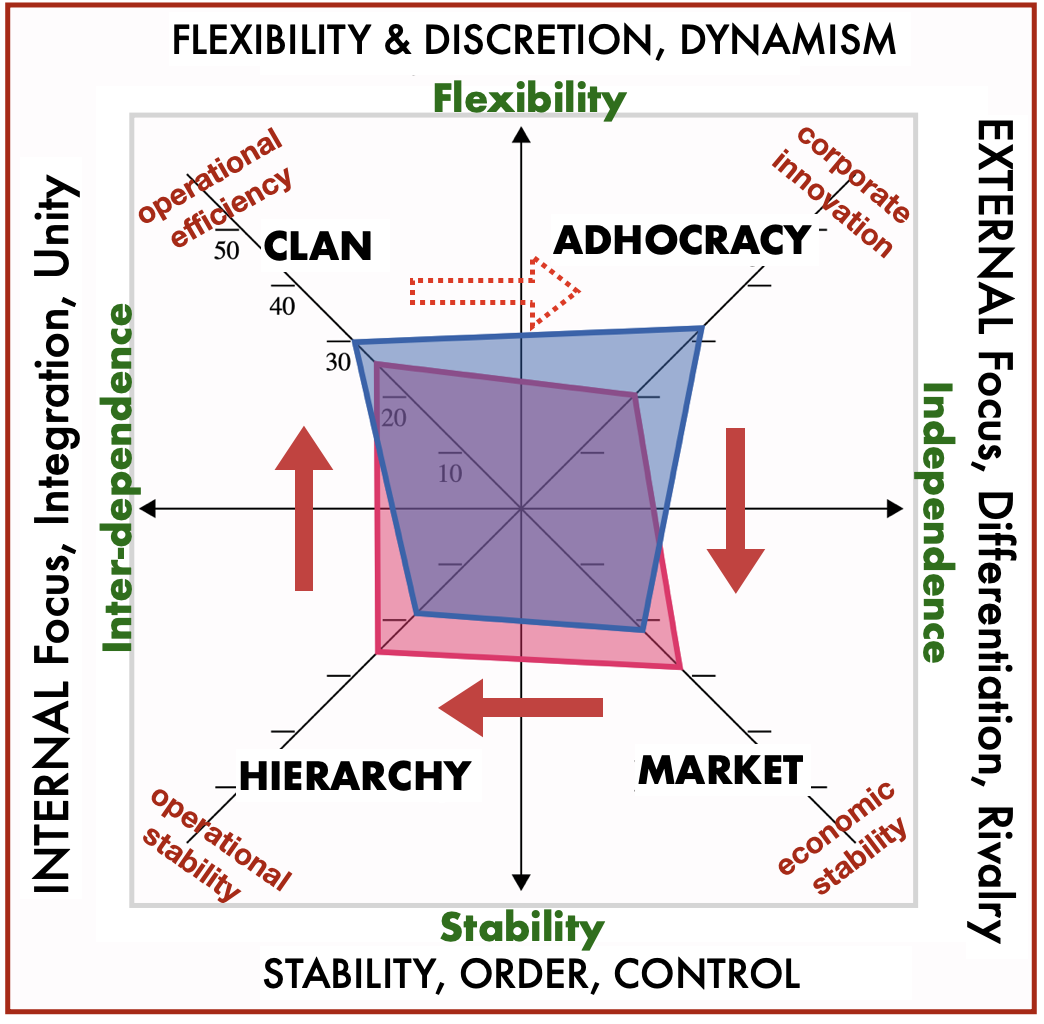
4. HIERARCHY or Control
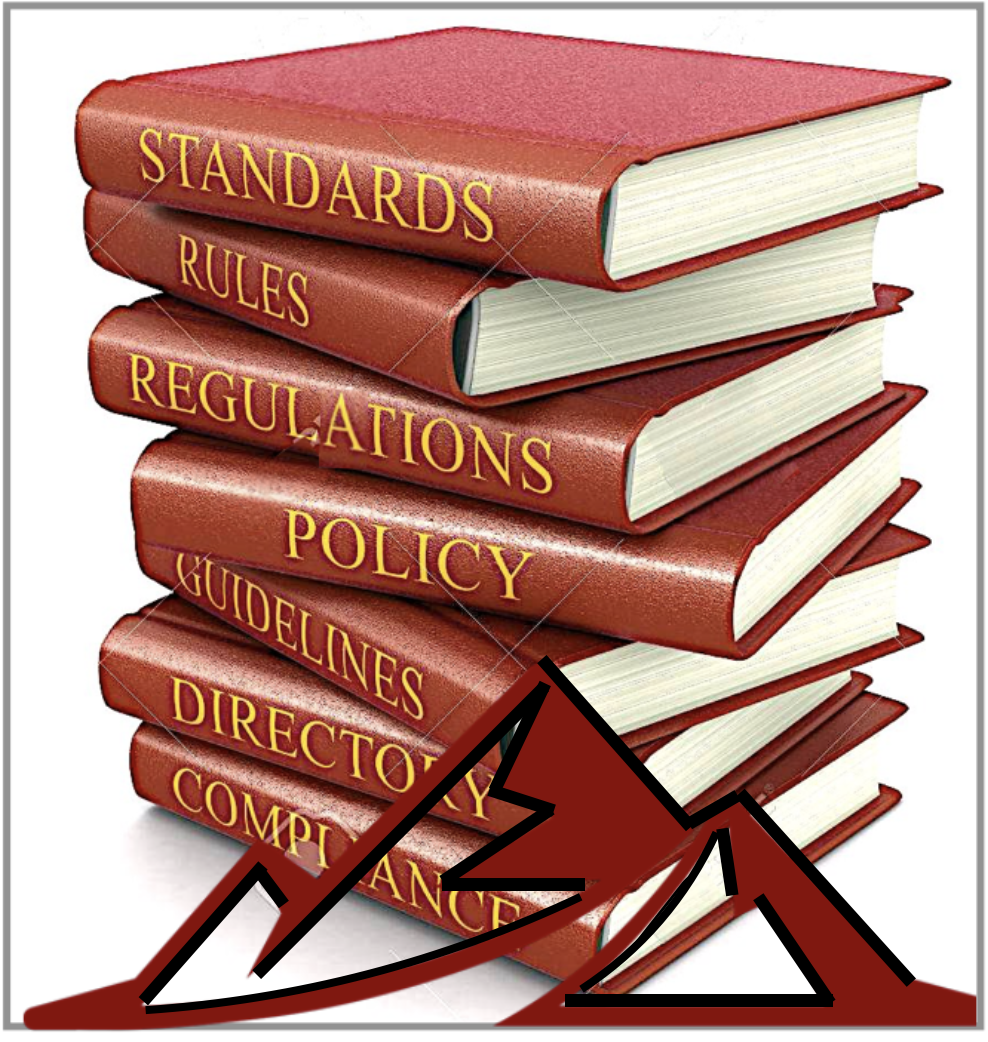
Traditional organizations, especially large ones, tend to be hierarchical. Management is made up of various levels & there’s a clear difference between employees & leaders. Emphasis is on planning & evaluation in all business activities. Decision-making comes from the top, a careful process with great attention paid to details & at what worked before – to minimize risk. These characteristics make a hierarchy culture ideal for industries where safety or security is of utmost importance.

Employees are comforted by the clarity which a control culture provides. To eventually receive a promotion all they need to do is obey the rules, follow procedures, & meet their responsibilities. And managers like being in charge because the workforce is efficient & productive.
The downside to this reliability is that these companies are less dynamic other cultures, which makes Hierarchy unsuitable for industries where innovation is paramount.

5. MARKET or Compete
The Market culture has a very competitive climate, who’s whole aim is to dominate their field. Leadership measures success by market share & the return on investment, rather than the achievements of any individual. All decisions are based on what will bring the
business closer to meeting these 2 goals.

It’s one of the most intentional types, unlikely to arise by accident, since it requires everyone’s commitment to ensure consistent quality in products & services. It’s dynamic – if adapting will likely help the company reach its targets, changes will take place immediately, because it’s less risk-averse.

Since Market culture companies tend to attract competitive employees, it’s common for workers to be high performers, striving to outshine coworkers. It also helps that leadership encourage employees to push for management positions, and are incentivized to work hard with large bonuses & other monetary rewards. However, some people feel that basing their success purely on money is unfulfilling, & find that work may become less meaningful over time.

6. PURPOSE Culture
In a purpose culture, employees strive to achieve a goal for the greater good. This could relate to human sustainability, the environment, or human rights. Employees are driven by a higher cause than personal accomplishments, all sharing similar values – wanting to make a difference in the world.
It’s commonly seen in non-profits, but some for-profit companies with deep values may also fit this category. Like in the Clan culture, this style may pose the problem of groupthink, which can stifle innovation.

7. ROLE-BASED
In this culture, Power derives from a person’s place or role within a highly structured organization. It attempts to reduce the amount of confusion & redundancies by giving each worker a specific set of roles & tasks for which they’re responsible. Little importance is on whether someone is a manager or subordinate, so employees lead projects based on expertise rather than position.

To thrive in a role-based culture, a finely-honed skill set is required. Each employee is the only person able to do their specific job, & may even be among the best in their field. On the one hand, this rigid system of work distribution doesn’t work well in small companies with few employees, who regularly have to take on a variety of duties. On the other, this culture appeals to specialists because it provides high wages & emphasizes excellence. However, it’s hard to get into such companies, as the person needs years of experience & demonstrable skills, rather than just ‘paper’ qualifications.

8. STRONG LEADERSHIP
A strong leadership culture emphasizes the importance of solid management & a commitment to helping employees progress. In such companies, there are plenty of opportunities for training & coaching from many mentors. Managers often take the initiative to invest in subordinates they feel have the greatest potential, putting them on the fast track for a higher position in the company.
There’s no need for many layers of hierarchy to function well – what matters is that workers have the freedom to develop their leadership skills & so progress in their careers.

9. TASK-ORIENTED
In some ways, task-oriented culture is the opposite of Role-based, since every day is completely different. Team members hold meetings to figure out what needs doing, then assign tasks according to the skills of each employee, rather than job title. The one similarity is that hierarchy is of little (if any) importance. A common trademark is the use of small, collaborative teams to tackle inbound issues. Much of the day to day operation consists in getting in conference rooms and other collaborative spaces and hammering out team-specific strategies.

This culture is particularly common in startups, where a few staff members need to take on a variety of responsibilities. To be hired by such a company, a person needs to prove they have a good knowledge of their whole industry, & be task-flexible. Employees must have the ability to work well with each other, so potential hires are interviewed by most or all members of their team to make sure they’ll be a good fit

NEXT : Corp. Culture – PROBLEMS
POWER – Corporate Cultures – TYPES (#1)

PREVIOUS : Positive Biz Politics

SITE : “Authenticity & coherence, Key to a solid corporate culture

⬅️ OCAI CHART  (3 combined)

See OTHER OCAI charts


CORPORATE CULTURES
Work cultures can stagnate or improve, morph or evolve – & so are different from a company’s core values, which largely remain the same over time.
Culture is based on a set of principles governing every aspect of an organization’s functioning, & should act as a beacon to attract talent & customers who share the same fundamental outlook & values.
It impacts everything from interpersonal relationships to partnerships to marketing to customer service.

While we can’t see or touch Culture, it’s strongly present in the artifacts, activities, & metrics of the company. From hiring practices to how people work, make decisions, resolve differences of opinions, & navigate change, the culture defines unwritten but very real rules of behavior.

KEY COMPONENTS
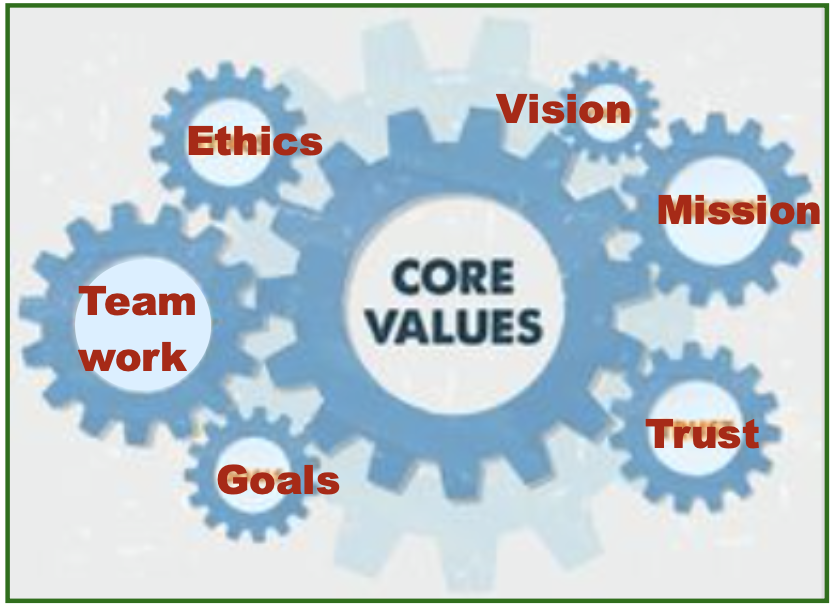
The Mission Statement, Vision & Values, a common Language (acronyms, catchphrases), Decision-making style, having the ‘Right’ leadership & staff .

BEST PRACTICES for Management
⛲️ Be transparent. Be flexible
⛲️ Set clear department Goals. Promote Organization’s goals
⛲️ Promote Diversity & Inclusivity.  Allow for HUMOR
⛲️ Prioritize Respect. Establish strict zero-tolerance
⛲️ Employee Reward Program. Plan social outings
⛲️ Accept & utilize employee Feedback (MORE ….)

POSITIVE Characteristics
🪧 Caring : support for employees during pandemic
🪧 Community : stick together through thick & thin
🪧 Fairness : rating equals compensation & recognition
🪧 Innovation : a safe environment to express ideas
🪧 Trust : in employees to work remote & flexible hours
🪧 Trustworthy management : generates workplace satisfaction, employee retention, motivation to give extra effort (MORE….)

SUCCESSFUL Work Cultures can include :
🎗 All stars = the hiring process is highly selective
🎗 Customer Service = “Customer is always right”
🎗 Employee empowerment = everyone feels valued
🎗 Innovation = staying on the cutting edge
🎗 Mission -Driven = nonprofits, grassroots startups
🎗 Power-Driven = competition, survival of the fittest
🎗 Role-Playing = specialists are valued above all
🎗 Sales = product knowledge by all staff member
🎗 Strong Leadership = coach, Mentor, Train
🎗 Task-oriented = small, collaborative teams (MORE….)

9 TYPES – Modified FROM article by Laura Holton, business writer
1. ADHOCRACY or Creative
Derived from “ad hoc,” leaders in this type of company are highly flexible (AGILE) , pushing dynamic transformations. They hire the most innovative, entrepreneurial-minded individuals, daring risk-takers who embody the true traits of a visionary. Everyone is expected to constantly be experimenting with new ideas. Such a culture is useful in industries where taking risks can have huge payoffs, such as in tech or disruptive industries.

Adhocracy cultures emphasize company growth & bringing new products or services to the market – fast. Businesses, as well as the offerings themselves, are always changing. Employees are forward thinking & willing to ‘fail’. Following the rules & perfection are less important than learning from mistakes & adapting.

Employees know that expectations run very high in their fast-paced, high-growth company, but stay motivated by knowing the products or services they’re developing have the potential to change the market & the world.

Creative culture have an opportunity to see great profit margins, but there’s also the chance their products (even the entire enterprise) will fail completely. Another disadvantage is that the atmosphere can become highly competitive. Whereas some workers enjoy being challenged, others find the pressure too stressful.

2. CLAN or Collaborative
A company with a clan or collaborative culture feels like a family. All the employees know each other & consider coworkers their friends. They also tend to have many interests in common, sharing a similar worldview. Since employees tend to stay with the organization for a long time, workplace traditions crop up.

Clan cultures tend to have a horizontal structure, without many layers of management. Everyone is valued equally, given the chance to participate, with an opportunity to provide feedback. Teamwork is more common than individual projects & workers with more experience (not just management) mentor new ones to help them progress so they can reach their full potential.

Customers are also loyal & partnerships last. Employees enjoy working in a clan culture, which leads to great customer service & high productivity.

However, this kind of climate is better suited to small rather than midsize to large businesses. As companies expand, it’s much harder to keep such a close-knit feel, & even trying can cause confusion. Other problems include poor growth due to difficulty thinking outside the box & putting employees’ needs above the business.

3. CUSTOMER-FIRST 
A customer-first culture is another type where personal accomplishments are less important than a higher goal – in this case, of satisfying the customer. In this environment it’s likely that few employees ever communicate directly with users of their product or service. What matters is that everyone’s goal is to provide customers with the best service in the industry.

Employees in this culture are highly focused on how customers will interact with their products, so continually monitor what users say on social media & in reviews. They often have 24/7 support phone numbers, & respond to messages immediately. Surveys asking clients what the company could be doing better are also common.

NEXT : Culture TYPES #2

POSITIVE Business Politics (Part 3)

 PREVIOUS:
POSITIVE BIZ Politics (#1)

POST : Personal Core Values


INTRO:
ETHICS (a branch of philosophy 
)
— distinguishes between right & wrong actions
— establishes the rules & standards that govern the moral behavior of individuals & groups
— involves honest thought to & admission of underlying motives of actions
— identifies potential harm & agreement with established values & rules

MORALS are agreed upon judgments & rules of good conduct in society, identifying permissible / acceptable behavior which express basic values. Business ethics deals with the creation & application of moral standards in the business environment.

Values are professed statements of one’s beliefs, Ethics is delivering on one’s professed values, & morals are actions of good conduct as judged by the society that enhance the welfare of all human beings.

CULTIVATING MORAL POWER – for executives / managers….. (& everyone)
Influencing others without corrupting our own values lies in self-awareness. Those who strive for it will regularly talk to friends or a trusted counselor, take time for journaling, quiet reflection & prayer, reading ‘growth’ literature…..  looking  deeper into their own motivations which drive their actions. 

Ethical Awareness Exercises
🛎 Use these 3 statements as a baseline / mental checklist – to help you make ethical choices by evaluating your motivations when making work decisions
ASK:
1.  At work I desire… (choose all that apply)
— advancement, increased compensation
— collaboration, companionship, friendship 
— influence, control, stability, independence
— respect, public recognition, status …. (add)

2. At work I fear… (choose all that apply) 
— the ambitions of others, being shown up, competition
— being the last to know important news, being deceived
— being seen as incompetent, not being liked, not being respected
— losing my job, instability, the power of others, lack of control
— making a mistake, getting caught, asking for help  (add)

3. My most important values at work are…
Honesty, Integrity, Creativity
Success,  Respect, Loyalty
Trust, Kindness, Helpfulness…  (add) 

From each the above 3 categories, choose your top 2 interests, & write about how they show up in your work life
1 & 2 describe ways you may unconsciously influence others, & how others may be influencing you, & the 3rd are core working values.
EXP – by category:
1. At work I desire respect & stability ….
2. At work I fear losing my job & getting caught making a mistake ….
3. My most important values at work are honesty and respect…..

📕 EXERCISE TO help you recognize when you’re not acting in synch with your core work values. It also helps identify other / better ways to approach situations that trigger fears & impulses.

🔎 List situations where / how / when your most common fears & desires (# 1 & 2) affected your behavior & interactions. Identify what was motivating them (negative thoughts / unfulfilled needs, projections…),
then compare them to your core values (#3). What were the positive and/or negative outcome of each action / event?
EXP:
Situation: I made a minor mistake on a team report, but convinced myself & my boss it was the fault of a junior team member.
Fear: making mistakes
Desire: respect
Negative impetus: dishonesty & disrespect

Comparison: My fear of making mistakes & looking bad pushed me to go against my core working values & instead – I used my senior status to blame someone else for my mistake.
Outcome: While I didn’t have to admit to my boss that I’d made a mistake, I damaged the possibility of having a positive relationship with the junior coworker, & provided him / her with an example of unethical behavior in senior employees.

• ALTERNATIVE : Imagine a way you could have dealt with the situation without violating your core working values. What might have been the outcome?

EXP: I could have admitted my mistake directly, & given the junior team member public credit for his / her accurate work.

Outcome: I would have built personal credibility & trust through integrity.Also, I would have set a positive example for the junior team member, possibly increasing his / her loyalty, & creating the opportunity to provide mentorship.

REMINDER : Keep in mind that everyone acts unconsciously sometimes. Ethical growth is only possible when we consistently can take an “fearless”, non-judgmental  look at our behavior, to gradually learn from our mistakes.

NEXT: Corp. Culture Types #1

POSITIVE Business Politics (Part 2)


PREVIOUS : Positive BIZ Politics (#1)

SITE : “Effect of Organizational Politics on Organizational Goals & Objectives” (article from Adekunle Ajasin U, Nigeria)


POSITIVE Organizational Politics (orgP) for Leaders / Managers

Analyze the Organization Chart
Office politics often circumvent the formal organizational structure. Map the political power & influence in your organization rather than people’s rank or job title.
ASK: “Who are the real influencers?, Who has authority but tends not to exercise it?, Who is respected?, Who champions or mentors others?, Who is the brains behind the business?”

Appeal to motivations
Organizations want the best talents, investing immense resources to hire, retain & grow their people.
Yet in spite of available perks, many people still choose to leave. The reason is having to deal with bad office politicians who ‘rule’ through fear with criticism, threats or exclusion.

Everyone wants to feel that what we do makes a difference, that we’re contributing to something larger than ourselves, that our skills & talents matter.
So – positive office politics focuses on giving people the opportunity to showcase acquired skills & natural talents.
Find what motivates individuals & use that to inspire action toward company goals. Regularly providing public recognition goes a long way as a powerful motivator.

√ Be Brave – but Not Naive
It’s not smart to keep your distance from people who practice “bad” politics. The expression, “Keep your friends close and your enemies closer,” works best. Be courteous but guarded, stay alert to undercurrents, & don’t shy away from conflicts.
Protect yourself as much as possible from anyone you suspect of Dark Triad characteristic – they’re clever & dangerous. Understand their goals so you can avoid or counter the impact of their negative politicking.

√ Build Your Own Connections
Reach across formal hierarchy in all directions – co-workers, managers & executive, & don’t be afraid of politically powerful people. Instead, get to know them & build high-quality connections that avoid empty flattery. Be friendly with everyone, but avoid aligning too closely with one group or another.

√ Develop “People Skills”
Notice your emotions, what prompts them, & learn how you handle them (self-regulate) so you can think before you act. Learn to listen carefully. Your emotional intelligence also helps to pick up on other people’s emotions, & so you understand what kind of approach they respond to best or least.

√ Look for win-wins
Harmful ‘office politicians’ consider the system a zero-sum game. Gathering support for their project comes at the expense of employees, so looking good to their boss can only happen when others look bad.

However, the best players go for win-wins. They bring together resources that can add unexpected value for all parties. Managers know that working effectively as a team not only makes them look better at the moment, but also puts them in a good position when things change. Staying constructive, solutions-oriented & collaborative is a powerful way to succeed

√ Make the Most of Your Network
Share your achievements, which can act as a “bridge” between you & colleagues, to create opportunities to shine – for you & your team
Also, be accountable for your actions, to indicate your integrity. Asking for feedback is a good way to find out what’s most important to people in your network, & shows that you value their opinions.

√ Neutralize Negative Politics
Don’t add fuel to the fire – avoid passing on rumors. When voicing concerns or criticism, be confident & assertive but not aggressive. Stay professional at all times – not taking sides, or getting sucked into arguments or recriminations.

√ Play with the players
Everyone has some insecurities, but people who play negative office politics have bigger insecurities. Identify what these workers want to achieve, a skilled manager will be better able to create a win-win situation for those employees, & will also help themselves move their career forward.

And when it comes to higher-ups, the No.1 rule is: Never make your ‘superiors’ look bad. To create an ally of a boss, come up with win-win situations – sharing useful ideas, enlisting others & becoming known as a force for good.

√ Understand Informal Networks
Examine people’s interactions & relationships. Find out who gets along with whom, & who finds it harder. Look for in-groups, out-groups or cliques, deciphering how influence flows between or among them, & whether there are any interpersonal conflicts, such as signs of bullying

√ Work cross-functionally – Ditch cliques
Belonging to the office ‘in group’ may gives people a sense of belonging, but it often turns into gossip fests, & marginalizing the less ‘cool’.
Managers who work across teams & roles of all types will benefit by making personal connections, building their reputation & minimizing groupthink, which can encourage creative solutions, and build supporters for their own ideas & goals..

NEXT : POSITIVE BIZ Politics (Part 2)

POSITIVE Business Politics (Part 1)

PREVIOUS : Organizational Politics – Effects (#2)

SITE : “Workplace Politics” (Wikipedia) Topics: Aims, Issues, Games, Gossip, Manipulation


INTRO
: The value of political skill in any company includes knowing how to get things done, who’s responsible for different forward moves in the company, & understanding how managers got where they are & where they’re going next.

In 2005, researchers at the University of Florida published “Political Skill at Work” summarizing intensive studies over nearly 15 years about the mechanics of “political influence” in the workplace. They identified 4 key competencies of people with positively politically savvy :

📈Apparent sincerity: Seeming to be honest & transparent, based on the notion that “sincerity is in the eye of the beholder”. How ‘real’ you think you are or want to be is far less important than how truthful other people think you are. Seen as open & direct will inspire trust & confidence. Using  this awareness can help create & leverage credibility within the company.

💚 Inter-personal influence: A convincing ability to affect how & what other people think, understanding how the human factor affects everything a company does. This starts with learning employees’ preferences & agendas, then personalizing your message to appeal to their needs & wants. Influence can also come from having a strong work ethic which guides your decision-making process, & can be a role model for employees to follow

🖇 Networking ability: The capacity to form mutually beneficial relationships with a wide range of people, because having a genuine influence often requires a coalition of support. As the old saying goes, “contacts mean contracts.” This includes knowing the chain of command & how to follow it — or not — to advance your career & company goals. Skilled networkers can maneuver others to gain needed resources for personal & organizational tasks. They’re also seen as willing to reciprocate 

🎊 Social astuteness: Leaders with political savvy have impulse control. They wisely size up situations before deciding how to present ideas to others, carefully considering timing & presentation.

However – the need for self-awareness is less about introspections than other-awareness –  knowing how other people see you & how your behavior impacts them. Socially astute managers are good at reading people’s non-verbal behaviors & intuitively sense the motivations of others (More….)

POSITIVE orgP  – When a company is ethically wellbalanced.it gains a competitive business advantage.  It can successfully be used to: serve the organization’s vision & objectives, develop teamwork & confidence, evade negative games, portray a professional image & publicize one’s accomplishments.

When leaders are political skillful they can successfully manage work areas that are under stress – by encouraging feelings of trust, confidence & sincerity in interpersonal relationships – to minimize injustice, unfairness & inequity. This can increase efficiency & expedite positive changes, benefiting both the organization & its members.  (MORE….)

LEVERAGING political skills for Organizational Success
DEF: Political skill AS AN interpersonal style includes :
— the ability to relate well to others, inspiring confidence & trust
— having a strong internal locus of control
— a high degree of self-monitoring & awareness
— a belief in the ability to make a difference in business outcomes

√ Provide regular performance feedback
Management should provide performance feedback to all employees. This can reduce the influence of negative orgP, which can help improve morale & job performance.

√ Recruit & promote politically skilled individuals
People with high political skill tend to be effective in their jobs. They’re highly invested financially &/or emotionally in their organization, & will do what they can to help it succeed  

√ To Reduce ambiguity in the workplace – CREATE :
a. an overarching goal. – one that everyone shares. It can be a single, qualitative or time-bound goal, such as giving the best service to clients.

b. a set of ongoing operating objectives. This can be done within each area of the business to develop high quality operating standards. Shared across organizational functions allows everyone to help reach the overarching goal.

c. metrics, & a way to measure them. It’s crucial to have clear measuring standards, indicating if the business’ objectives are being met or not. When they’re not, it becomes clear where remedial actions are needed.


NEXT : POSITIVE  BIZ P. (#2)

Organizational Politics – TYPES (#2)


PREVIOUS:
Organizational Politics – TYPES (#3a)

SITE: Office Politics ARCHETYPES


NEGATIVES TYPES
(cont)

☛ Nit-picker
This is a form of being a Control-freak – always finding fault with work an employee has been assigned to do, never satisfied. 
Or the one who starts doing your job for you, or telling you how to do your job, especially when they’re less senior. Because of their own insecurities, they purposely hold others back so no-one will become “as good as them.”

☛ Power Aligner
Attaching themselves with those who already have power, they take on the same values & goals as the boss &/or of the company, then champion them as if they were their own. They look at what the culture wants & promotes, then reflects it back to them. These people are strategically smarter than suck-ups – taking a social approach & thus having somewhat more power.

EXP: being the first one to report any issue that might affect the boss, push others down to make themselves look better by comparison, making the case in a team meeting with your boss that a customer was abusive, acting as if they’re the boss or presenting themselves as representing the company….  For effective ways of tackling them, check out Social Power, the section on workplace power.

☛ Saboteur
They work only to benefit themself. A grown-up version of the playground bully, saboteurs openly & consistently criticize & backstab other team members, rarely if ever taking responsibility for their own faults & mistakes. But they may back down when confronted.

Still, it’s important to keep your guard up when dealing with a saboteur. If confronting them doesn’t work, keep a detailed log of the interactions on a calendar or planner, in an emotionally neutral language when possible, & relay them to your boss or someone in Human Resources.

☛ Stickler For The Rules
They stake their claim to power with laws, regulations, & SOPs. They’re 
hot for office power & social status, but their rule is limited. They’re not the movers & shakers who make things happen, not being focused on improving the organization. Instead – they see the company as a big org chart where only official authority lines matter.

They can be very assertive, even looking confident & in control. But a boss has official authority over them, they ‘ll comply. If not, they love telling a co-worker where to get off.
On paper, they say they’re following procedures & making sure everyone’s on the right side of the law. But actually, they’re just piggybacking on to the rules for their own personal power.

☛ Shunner
More often payed by women, the shunning game is the office politics equivalent of stonewalling and gaslighting in intimate relationships. They usually gang up on people who they feel threatened by, but who are (still) weak enough to be victimized. They form a clique to socially exclude the target of their machinations, so marginalizing the target by being curt, detached, or ignoring them altogether

☛ Sociopath
These people
 
follow the Pareto rule : FOCUS is 80% on office politics & 20% on actual work. Given how successful some of them are, we might even wonder what’s more important… They see the workplace as a big chessboard, considering themselves superior to everyone else & deserving of top management positions. With little or no empathy for others, it’s easy for them to manipulate & move people around as if they were inanimate objects.

☛ Tasker
The underlying power dynamic of tasking is: Those who assign tasks look like bosses, & those who execute look like subordinates. The habitually will say “Can you please do this — for me? Thank you” without ever considering the employee’s availability or consent.
This rule is only ‘legitimate’ if the assigner is the actual boss. Played by peer-employees (control freaks) – by telling others what to do, they position themselves above others, pushing everyone else down in the process.

☛ User
These people are really good at constantly asking others for advice & help, being the charming version of Victim. They act bumbling, insecure, & confused, but actually are conning others into doing their mental work for them, so the don’t have to put themselves out to learn the ropes of their job.

☛ Vanity Player
They believe (think) they’re very good, & want others to acknowledge them for it. Psychological addicts, their drug of choice is emotional validation – from others. While some may be NPDs, they’re mainly a combo of Histrionic PD , Low self-esteem & Entitlement mentality

EXP:
Someone who demands “due respect” from people who don’t respect them much, attracts far more attention than they’re actual worth….
They’ll go to great lengths to get their fix, so when they don’t, throw tantrums & create office drama, making waves that prevent successful office functioning.

NEXT : Positive Business Politics

Organizational Politics – TYPES (#1)

PREVIOUS: POSITIVE Business Politics (Part 3)

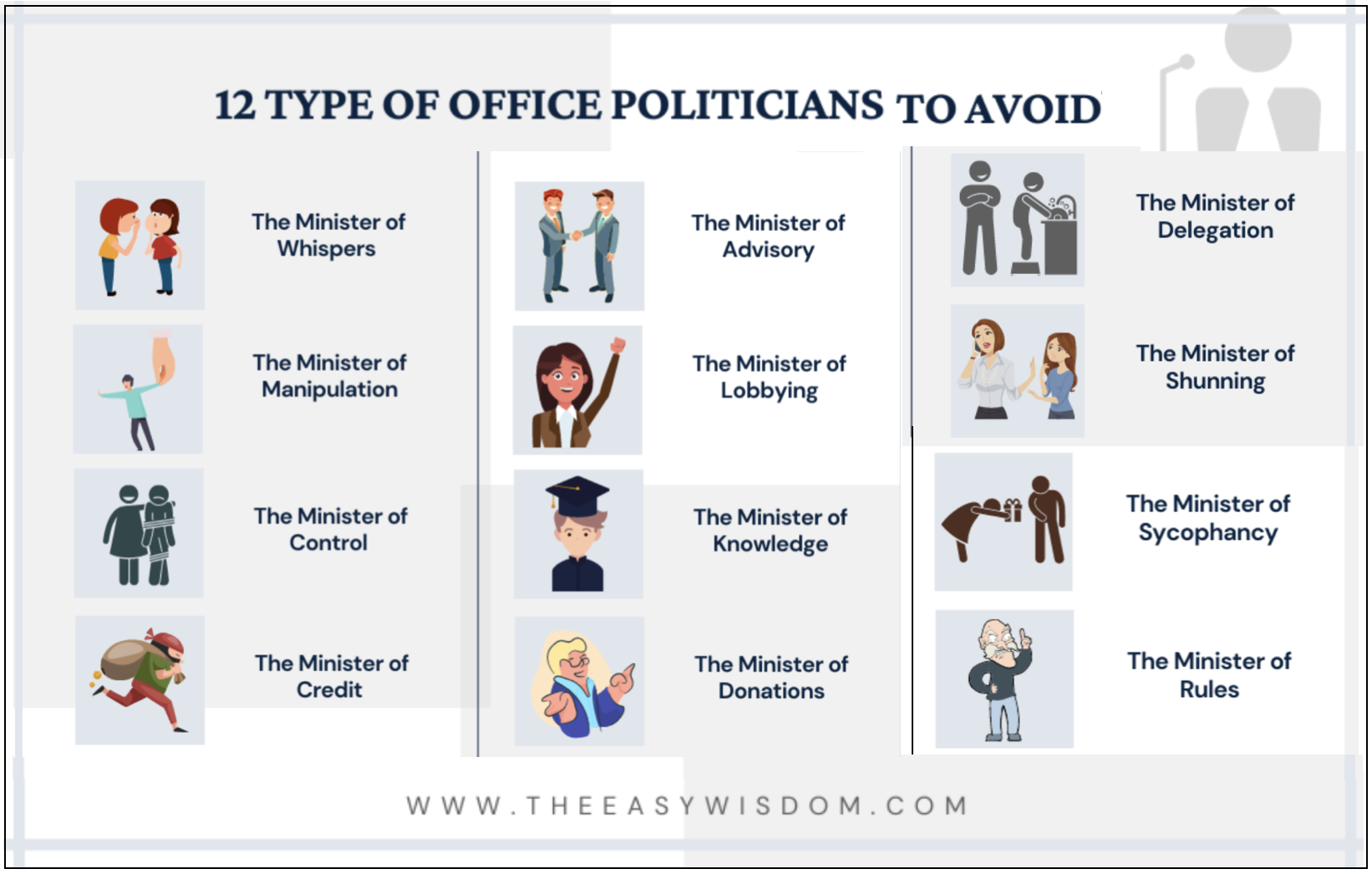
⬆️ 12 Types to Avoid – read explanations

NEGATIVES TYPES – create tension, inhibit employees’ ability to perform well, harming teams & employee morale. Most business with a staff can end up hiring one or more of these office politics personalities. If their skills are crucial to the operation, it will take a clever boss to cope with the harmful ones successfully.

☛ Credit thief
They will do whatever it takes to get ahead, such as stealing ideas from co-workers or passing other people’s work as their own.
To counter their false claims or avoid being their victim, boldly & often speak up – sharing your own ideas in front of colleagues in team meetings. Also, provide your boss with regular updates on your progress so they’ll never be confused about who should get credit for your work.
If talking in public is hard for you, check out team-building as an introvert.

☛ Flatterer / Fawner
They compulsively pass out compliments left and right, trying to win everyone over, especially those in authority. Besides pretty words, it may show up assaying co-workers by asking co-workers for help and ideas – but with little reciprocation if any.

They’re rarely very ambitious or highly driven, more likely motivated by fear & the search for security, wanting the boss to be their protector. But hard-core suck-ups are dependent on poor leaders, latching onto very successful narcissists who want to have yes-men around them.
If you’re not a sucker for flattery, you’ll recognize they’re not being real, so they can just be ignored.

☛ Gossip hound
These people are the know-it-alls about what’s happening around the office, & aren’t afraid to share every last detail with anyone who’ll listen. They love spilling secrets to co-workers or sharing confidential info on social media. They’re short on discretion, boundaries & respect for other’s privacy.

Around gossip hound, conversations must stay focused strictly on business plans, decisions & progress.  If the talk starts to drift to someone’s personal life, remove away quickly.

☛ Grumpy Players
They operate on the assumption that the fewer people who can task them, the more office status they gather.  Their office politics is played very defensively, protecting their desk-turf from encroachment & keeping as much of their time for themselves as possible. The 2 main types are the:
‣ Aggressives – the colleague who scare off others by always being on the verge of exploding &/or yelling at others
‣ Passive-aggressives – who are just protecting their “me” time, or trying to defend against very aggressive taskers but have no idea how to do it assertively.

☛ Lobbyist
This person is closest to the power centers at work. They campaign hard, aligning themselves with influence groups to sway opinions in their favor – to accomplish their specific goals.
A more intense version is the Office Crusader. The lobbyist could take lessons from these crusader types. They push even harder to get others on their side of just about any issue, often swaying opinions by attrition. While neither type appreciates hearing differing opinions, others need to explain dissenting viewpoints to – hopefully – open them to new ideas.

☛ Office joker
At first glance, these co-workers seem to get along with everyone, making light of everything. With some people, kidding around & laughing may be a genuine attempt
to relieve tension, but the constant joker has an ulterior motive.

Especially if they’re mainly ‘cute or clever’ around supervisors, it’s safe to assume they’re being manipulative. They’re trying to build connections with higher ups to get preferential treatment, or possibly damage others’ reputations to advance their own career by making jokes at the expense of co-workers.  They’re not actually funny, so stay clear & let the boss deal with with them

☛ Overachiever
Usually they’re high on personal drive & low on empathy. And whatever empathy they have gets trampled by their ambition, which is stronger than any consideration for others.

• Nurtured ones grew up in families with high expectations., & so feel pressured to perform & are more likely to be burn-out candidates.
• Inborn ones do it for themselves. Those who “enjoy their own drive” don’t get nearly as stressed out.

Overachiever types:
⚛︎ Dr. Jekylls – they can be nice on their own or when nothing is at stake, but turn into monsters around bosses, upper management or any opportunity to “shine”
⚛︎ 24/7s  – always “on”, they’re forever pursuing power-opportunities. You can’t be their friend, & they’re often lonely
⚛︎ Socially skilled – they’re the most dangerous – putting on a face of fairness & caring, but take any opportunity to ‘stab you in the back’ or ‘throw you under the bus’. It takes high emotional intelligence to sniff them out early

NEXT : orgP – TYPES (#3b)

Organizational Politics – EFFECTS

PREVIOUS:
Causes of Organizational Politics (#1) 


Three Types of Political Power
🌗 Amoral   – Used by a leader to ‘automatically’ manipulate others, with no conscious awareness of their own motivating fears & desires

🌚 Immoral – Used by a leader who consciously understands how to influence others, yet without any self- awareness of what drives them to act.
🔻Because they deliberately, knowingly manipulates others, they carry a greater moral responsibility for the results.

🌕 Moral  – Used by a leader who consciously examines, evaluates & understands their own motivation, fears & desires – before using their knowledge of others in order to influence them. (MORE….)

2. EFFECTS of Organizational Politics (orgP)

√ It creates a negative work environment
It’s well known that most uses of orgP harm office environments, with a direct negative impact on employee efficiency . OrgP spoils the relationship between employees, so people who indulge in this tactic are generally disliked by others.

√ It increases stress
Because orgP insures an atmosphere of distrust & work insecurity, workers are afraid to openly air legitimate concerns in the work environment or about how the company is being run – causing anxiety

√ It de-motivates employees
Every day employees have o deal with intolerable situations to them, such as seeing a lazy or incompetent co-worker getting the “Best” award just because they’re close to the senior manager & have taken credit for someone else’s work – using orgP

√ It decreased productivity levels
People engrossed in orgP pay less attention to work & more on gossip, rumors, incessant talks and underhand activities. Their time is used to tease, back-bite & criticize their co-workers – so that office work & projects have less  importance & personal preference.

As a result, these employees have a negative impact on the overall productivity of the organization by not reaching company targets within the required time, their work being delayed or postponed.

√ It impacts employee attitude
The most critical effect of orgP is the impact of negative emotion on employee attitudes. They lose interest in & commitment to their work because they feel their efforts are not being recognized. They end up coming to the office just for the paycheck & form habit.

√ It lowers levels of concentration
Employees engrossed in orgP find it hard to concentrate on work. They’re more interested in dragging others down & spoiling someone’s image than their own projects. Such people become over-confident about their abilities, so tend to make mistakes as their focus is on non-work-related games.

√ It promoted bad information
A basic effect of orgP is that wrong information is passed from one person to another – because manipulation is one of its characteristics. Managers and supervisors are told edited versions of ‘reality’, so their perception of what’s happenings in the workplace tends to be quite different from reality.
EXP:  A deserving employee is left without a voice, while an undeserving one gets away with acknowledgement, even rewards.

MYTHS re. Work Politics
1.  
You can either be a good person, or you can play politics
UNTRUE : inter-office politics can be used ethically to help reach goals.

2. You can escape office politics
UNTRUE : all humans use informal, unofficial, sometimes behind-the-scenes efforts – in every part of life – to position themselves, their interests & their priorities.

3. Politics don’t affect your career
UNTRUE : it benefits you to talk about your accomplishments, highlighting the positive impact you’re having on the organization & why that matters.

4. Politics disappear in virtual environment
UNTRUE : most humans are driven by informal & political interactions rather than by the formal & prescribed.

5. Political intelligence is an inherent trait
UNTRUE : while some people are naturally better at orgP than others – it’s a skills that can be learned, & needs to be practiced to be mastered. (MORE…)

Reframe what “politics” means to you : Do you –
– suck up or focus on building & understanding new relationships?
– get resentful & irritated that you need to have several smaller meetings before a big one, or recognize the power of being prepared, laying the groundwork to give your ideas the best chance of success?
– view informal conversations as lobbying (with all the negative connotations it can carry) or do you see them as doing important homework? (MORE….)

NEXT : POSITIVE orgP

Organizational Politics – CAUSES

PREVIOUS:  4 Types of BIZ Politics (#1)

SITE: Workplace Politics (en.Wikipedia)


🌐 ORGANIZATIONAL POLITICS (orgP) is inevitable
Most employees want to climb the ladder of success, but since ladders are narrow & steep, only a few can move up, & slowly. Having to compete for limited resources (a better position) makes orgP irresistible.
Some people have more power & authority than others, often indulging in orgP – because they can. And some are politically savvy, using it to get their way.
EXP : orgP is a common tool to remove others from the rung below to eliminate competition.

1. Negative / Weak USES of Organizational Politics
√ Blame game
Leaders & employees will complain about the company & criticize others using orgP as power plays, because people generally ignore or deny their own shortcomings, shifting the blame on to others

√ Can’t adjust to change
Change is a part of any org, so employees need to accept the fact & deal with it. But some have emotional trouble adjusting, or like the way things are for themselves. Changes can lead to some workers benefitting while others will lose out is some way. Those on the losing side may lash out with underhanded & indirect actions – to undermine those who willingly & happily accepted the new agenda.

√ Changes in upper levels
Getting ahead by hook or by crook is orgP at its worst. When there’s a new boss or manager, some employees get busy trying to score brownie points. After a while, it can become less about positioning themselves as the ‘best’, & more about demeaning, bad-mouthing & questioning abilities of the one who’s been promoted, to undermine their authority.

√ Don’t want to work hard
Some people want everything that life has to offer – without making an effort to achieve those benefits by hard work. They’re always looking for short-cuts to be in the limelight – unjustly, & orgP is a tool to create a negative image of the people they think are hogging the rungs of the corporate ladder.

√ Gossiping
A virulent reasons for office politics is the habit of many employees to include unnecessary, inappropriate or harmful chatter about co-workers & management, used as ‘social currency’ or an indirect way to get back at someone disliked.

√ Jealousy
Jealousy can creep in between co-workers if someone is smarter, & especially if their efforts are appreciated by the top brass. Not wanting a colleague to get more attention & rewards, the insecure will use orgP tactics to tarnish the ’favorite’s’ image & reputation.

√ Lack of clarity
Unclear leadership roles, guidelines & goals in an org. can lead to unfounded accusations of management, & encourages rumor mills to run amok. These are often based on assumptions & perceptions instead of facts, leading to orgP.

√ Manipulation
If an employee wants to mislead his superior they’ll try to manipulate them by passing along abreviated or totally false  information, with the help of orgP.

√ Personal relationships
Using Personal Relationships as leverage to get what a person wants – has no place in a professional environment.
When a boss supports the need or idea of a colleague or subordinate because of friendship (a use of orgP) – instead of what’s best for the company – they can cause harm to the whole.

Promotions are rare
When several employees are vying for a specific position, some will inevitably revert to orgP. Ambitious workers can become aggressive, & in their zeal to reach the coveted post they start spreading suspicion & rumors about potential rivals. This perpetuates a climate of mistrust, limiting the health of the org.

√ Reward system
Most businesses have reward systems to encourage employees to give their best. Sometimes this backfires, becoming a trigger for orgP. if everyone wants to grab the so-called rewards.
This can lead to unhealthy competition, so that employees start sabotaging their colleagues’ work – in their obsession to outdo others.

√ Struggle for power
When someone moves up the corporate ladder, opportunities for others to do so will lessen, so they may put in extra effort to prove themselves & stand out. Those who ambitiously struggle for power – but lack confidence – will start acting superior at the expense of others, using negative orgP activities.

NEXT : RESULTS of orgP (#2)

POWER – 4 Types of BIZ Politics (Part 2)

PREVIOUS : 4 Quadrants (#1)

SITE : 8-Step Process for Leading Change


POLITICAL LANDSCAPES (cont)
Summary :
☛ The Weeds – where personal influence & informal networks rule
☛ The Rocks – where power rests on individual interactions & formal sources of authority
☛ The High ground – which combines formal authority & organizational systems
☛ The Woods – the organization’s implicit norms, hidden assumptions & unspoken routines. 

The HIGH GROUND – Organizational, formal
This category of political terrain is about the rules, structures, policy guidelines & procedures that form the basis of political activities. They benefit by providing a check against the whims of individual charismatic or autocratic individuals – which provides guide rails for the Rocks.

This isn’t the “moral high ground,” although it’s useful for legal & ethical reasons. Rather, it’s a functional political process of control systems, incentives & sanctions that keep the organization on track.

However, rules & procedures can make a company overly ‘bureaucratic’, used as a political device to stifle anti-establishment ideas, preventing needed reforms & improvements.
In contrast, creating a ‘working space’ outside or along side of habitual norms & routines is vital for innovation & growth.

If a company finds itself stranded on a too rigid High Ground, then feedback from clients, customers or end-users can highlight difficulties which point out how the current structure of doing business is hampering it.
Since organizations with a dysfunctional High Ground tend to be risk-averse, savvy leadership must emphasize that -not changing- can be even riskier than trying something new.

EXP : A public agency was hampered in stopping potential fraud because of slow-moving processes & formalized steps. It meant that millions in tax revenues were not collected at the end of the year.
Actions: Senior leaders set up a dedicated task force outside the formal organizational structure to solve the issue.
Results: After the first year, the problem had been reduced by over 50%, reaching a 95% recovery rate by the second year. The organization then changed its official processes to match the improved methods.

The WOODS – Organizational, informal
Organizations also have implicit norms, hidden assumptions & unspoken routines. These informal guidelines & procedures can provide cover & safety for individuals, or be a bewildering place where good ideas & necessary changes get lost.

Strongly implicit norms define what’s socially acceptable & unacceptable in the organization, so they’re never even questioned.
EXPOne study identified the unspoken ‘normalization’ of unacceptable emotions, & so remained marginalized or ignored.
Other studies listed industries where “emotional norms” specifically dictate how workers are to behave & respond to their tasks, such as the ever-smiling flight attendant, or the ‘good cop / bad cop’ routine for bill-collecting.

Some organizations get lost in their Woods.
EXP: A large telecom company in the middle of a restructuring exercise needed deep cuts to bring it through a debt crisis caused by falling revenues. The Senior Director who developed a plan to save the company – never once discussed the necessary job cuts with the board – because the ‘idea’ of cuts was not to be spoken aloud.

The Woods challenge is such cases is to bring implicit rules out into the open. Fresh eyes will often identify things the locals miss (“Does a fish know it’s wet?”)
‘Dumb questions’ can be asked of clients, recent hires or temporary contractors about their observations & experience with the company. Benchmark information from surveys & specialist / experts can also bring hidden organizational assumptions & behaviors to the surface.

Once the implicit assumptions are visible, employee teams can be asked to consider whether they’re helping or hindering the company. EXP: A consulting firm, working with a newly merged, international telecoms company, conducted a simple exercise : each of the two entities were asked to describe their own cultural norms & those of the other party. It quickly generated truths & myths that could then be discussed & used to iron out any blockages to operational success, as they rolled out their distribution & cable network – the key to capturing subscribers.

FROM: Michael Jarrett Senior Affiliate Professor at INSEAD. 

NEXT : Organizational Politics – CAUSES