

PREVIOUS: HOW to/not to TALK to KIDS – Examples (#2)
POSTS : “UNIT – Healthy Adult, Loving Parent“
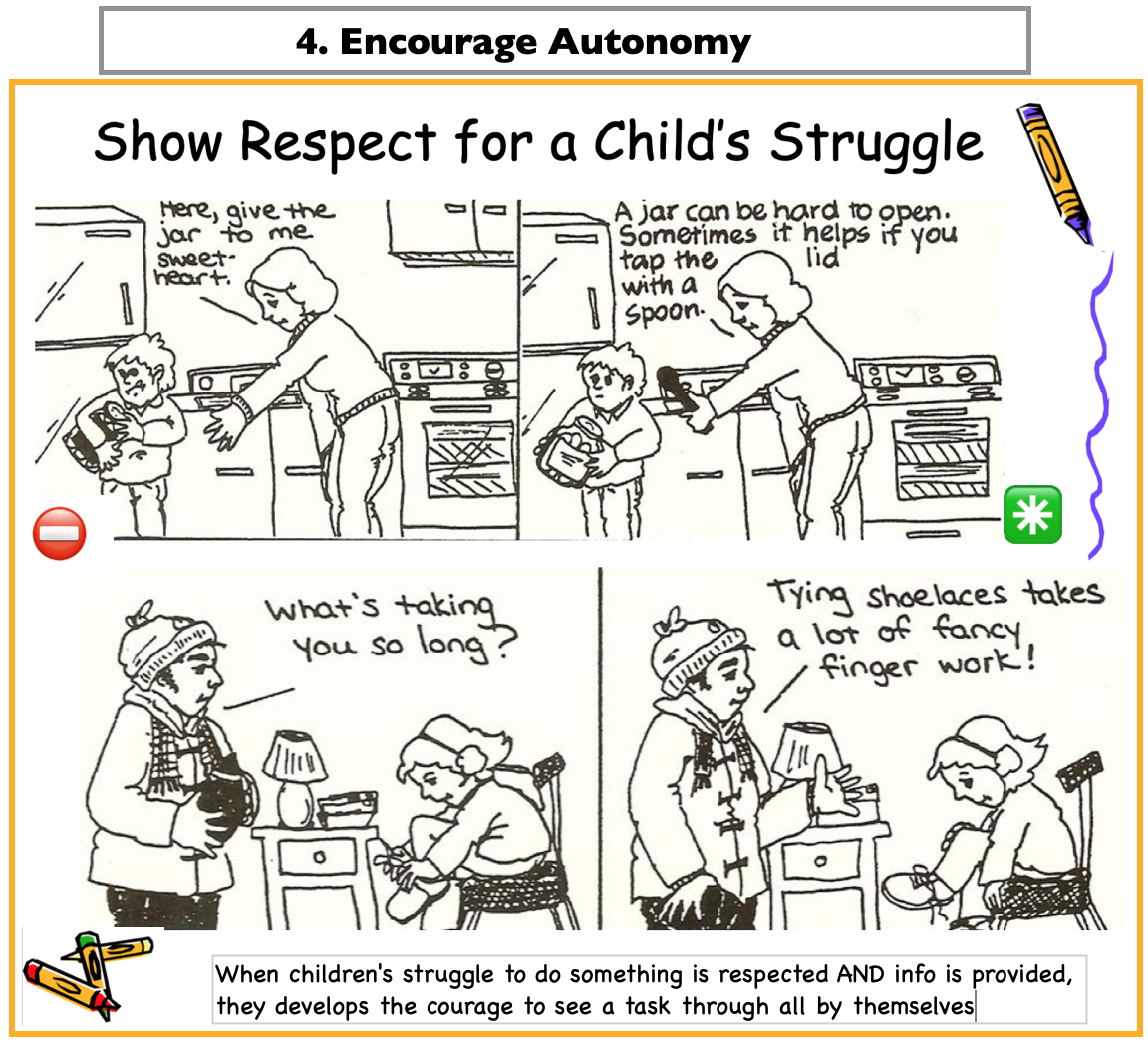
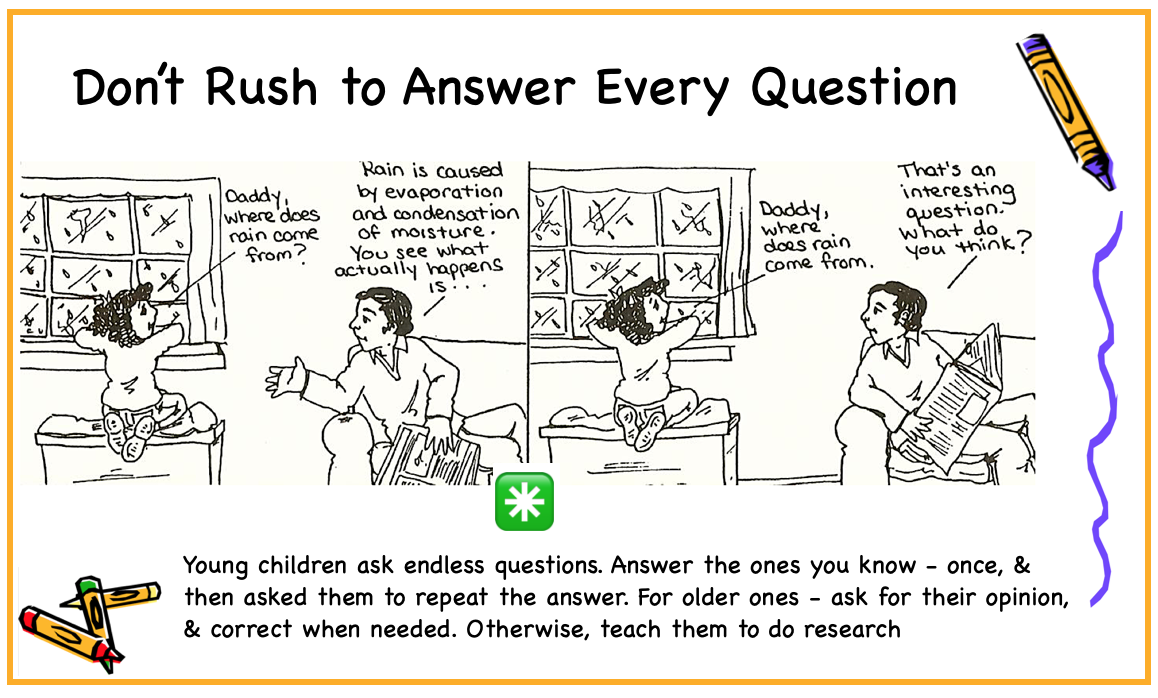
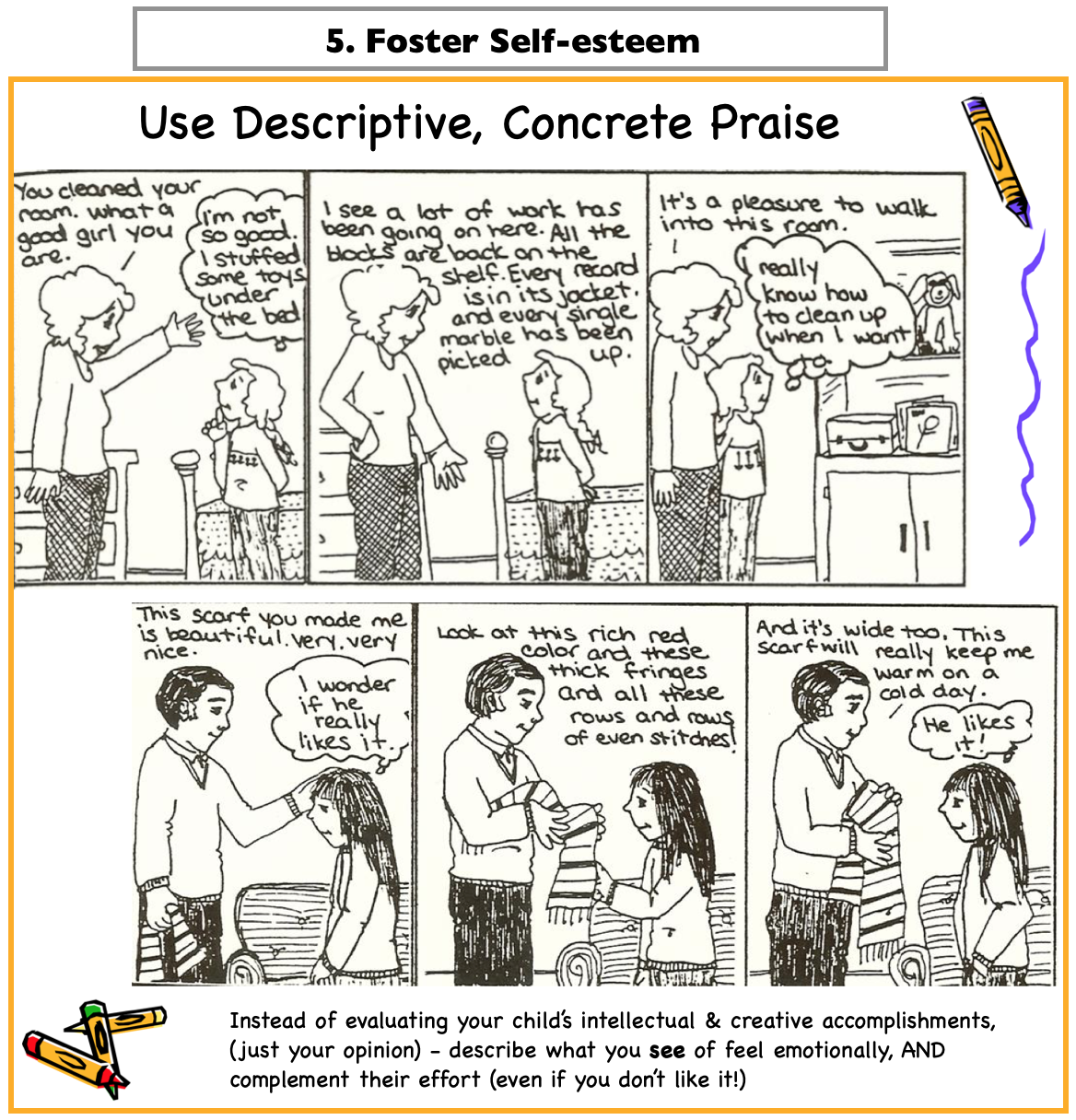
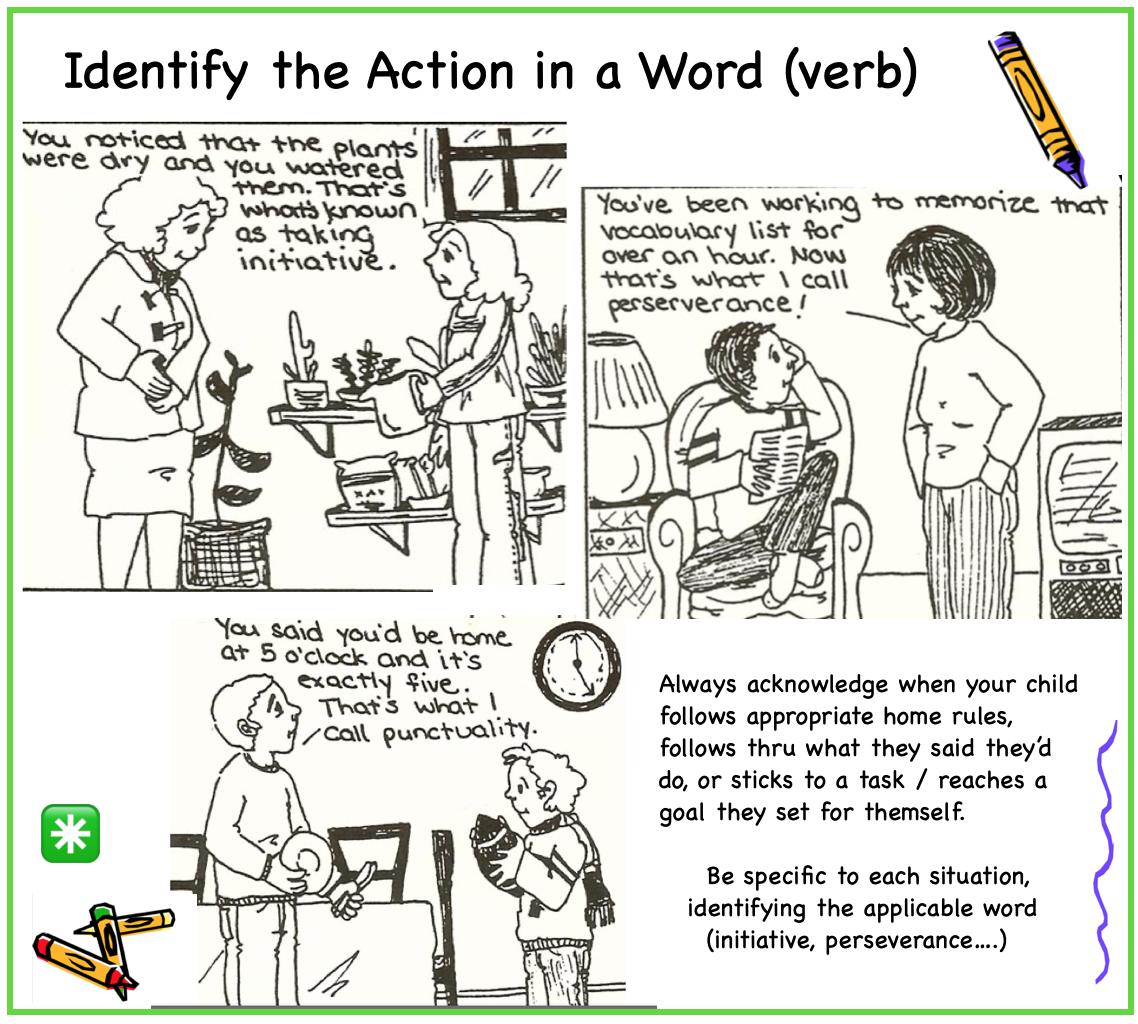
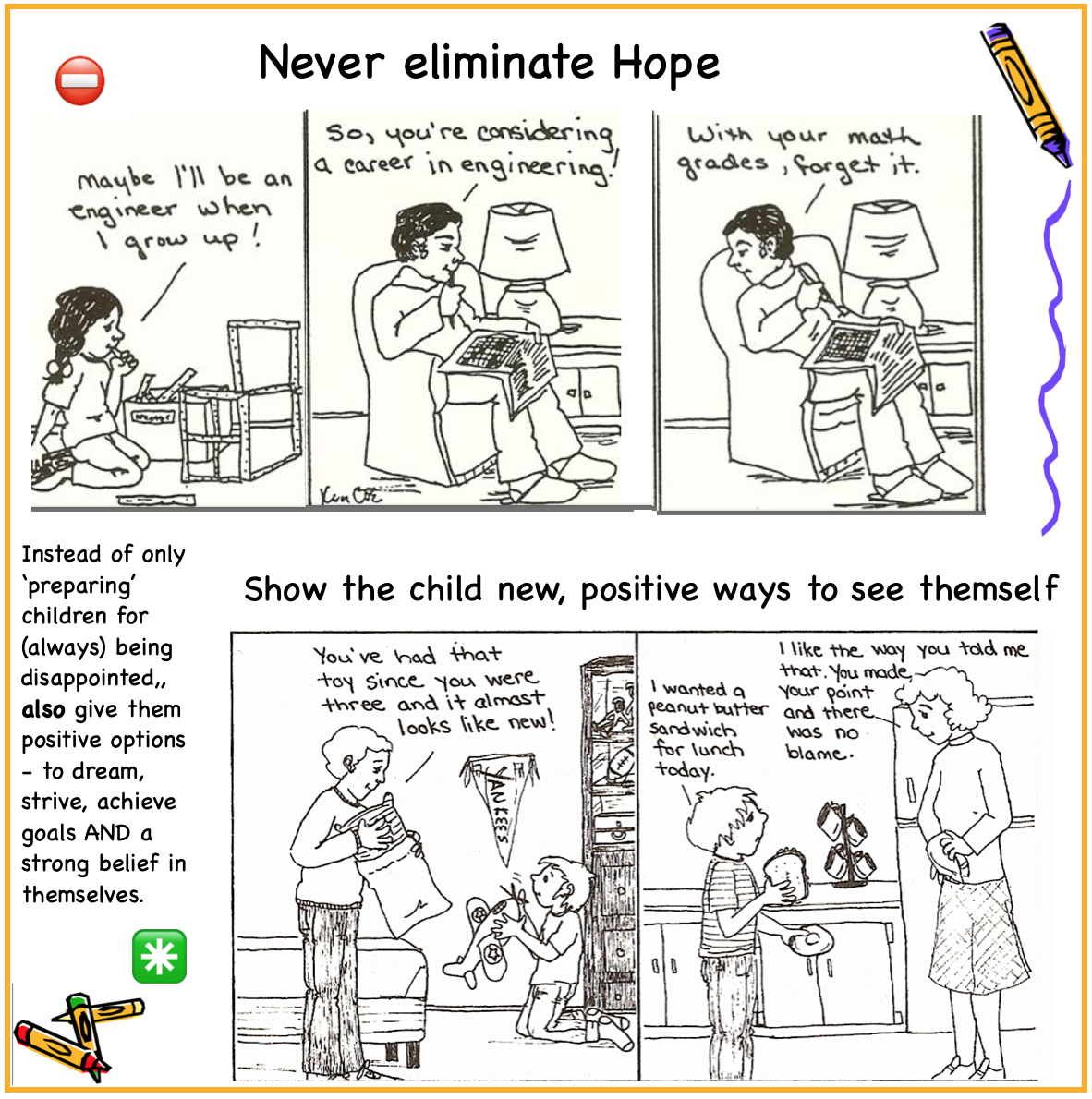
More negative vs. positive ways to communicate with a child. SAME great ways to talk to the INNER CHILD !
 ❣️
❣️
❣️
❣️
❣️
❣️
❣️
❣️
❣️
NEXT : Human Needs
PREVIOUS: HOW to/not to TALK to KIDS – Examples (#2)
POSTS : “UNIT – Healthy Adult, Loving Parent“
More negative vs. positive ways to communicate with a child. SAME great ways to talk to the INNER CHILD !
❣️
❣️
❣️
❣️
❣️
❣️
❣️
❣️
NEXT : Human Needs

PREVIOUS: HOW to/not to TALK to KIDS – Examples (#1)
WorkBook : ‘Recovery of your Inner Child” ∼ Lucia Capacchione, PhD
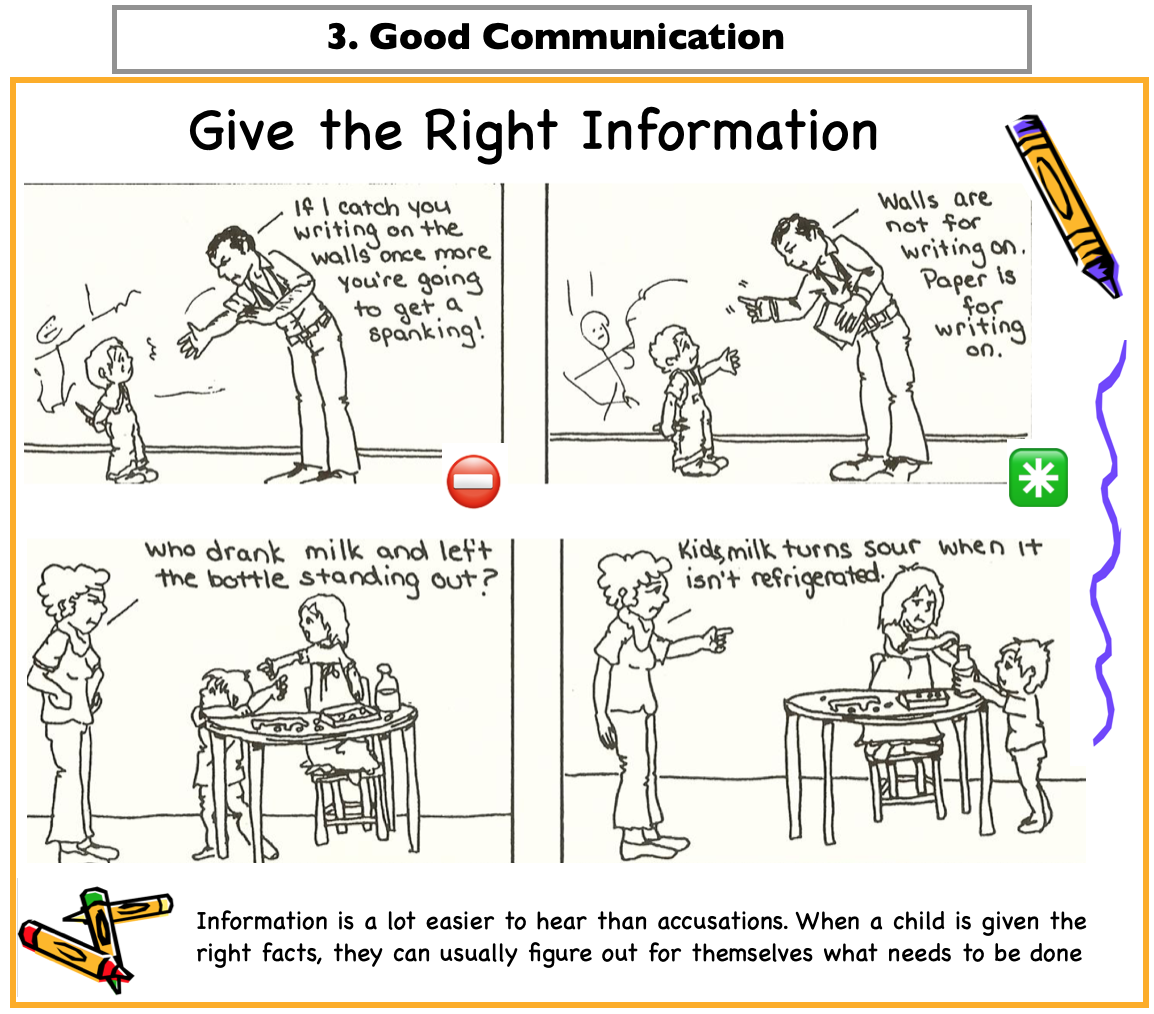
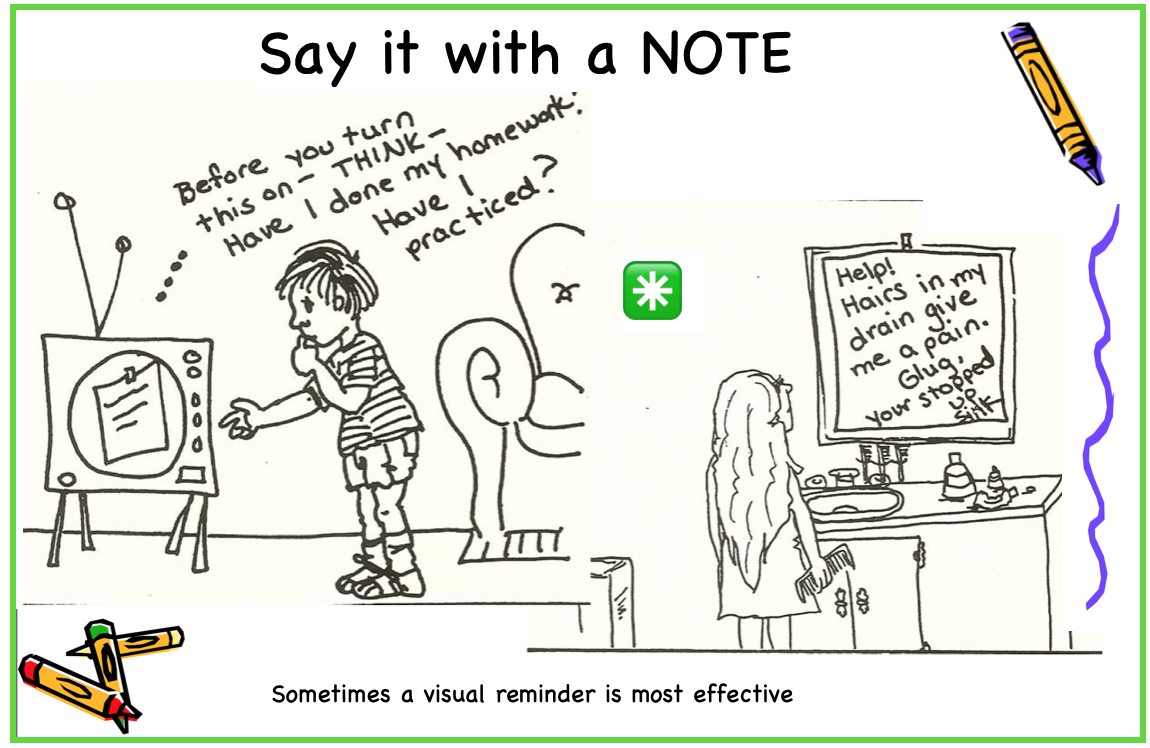
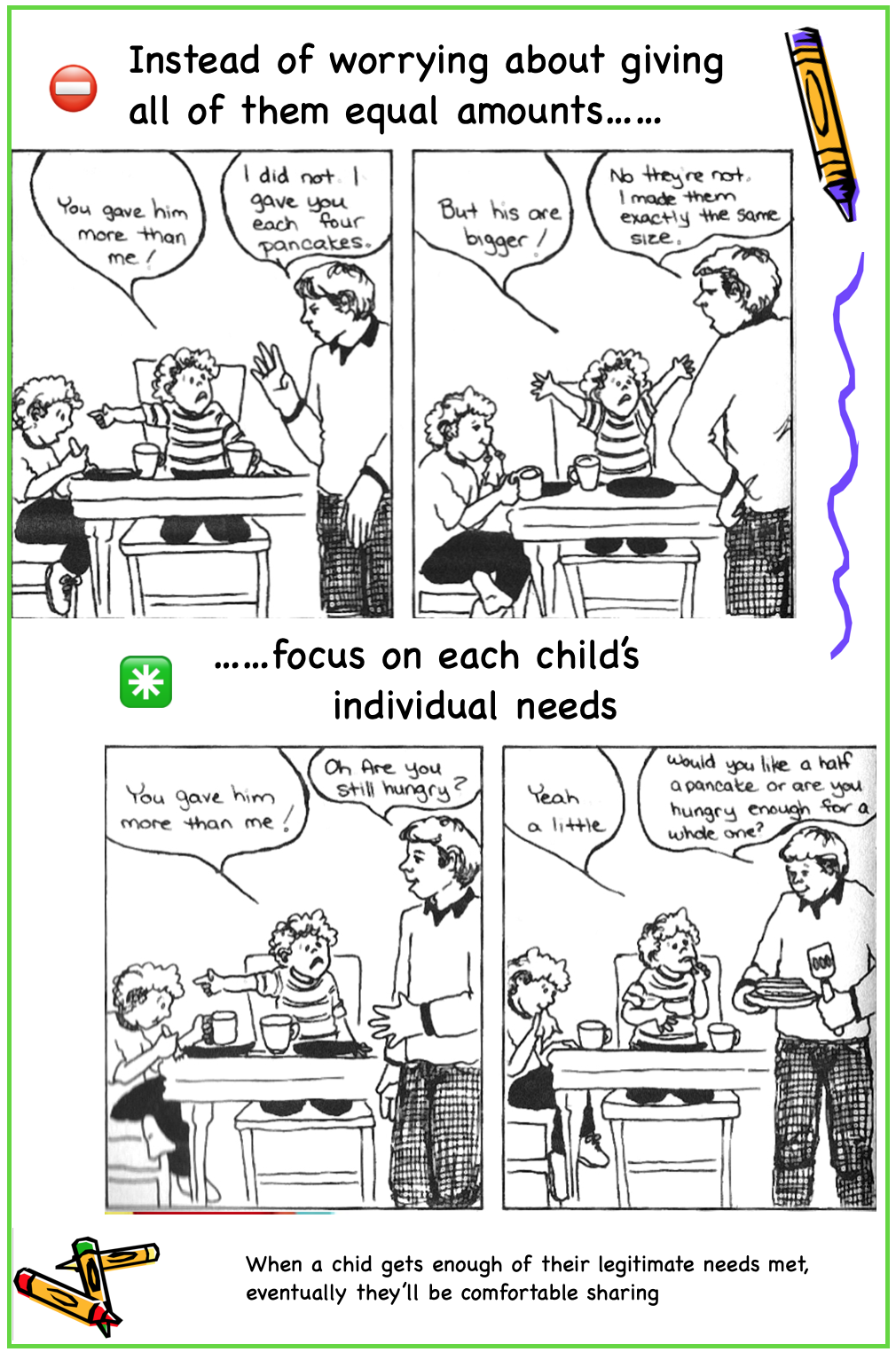
More healthy ways to talk to a child. They suggest ways you can respond to your INNER CHILD from the Good Parent ego state !
❣️
❣️
❣️
❣️
❣️
❣️
❣️
NEXT : HOW to/not to TALK to KIDS – Examples (#3)
 PREVIOUS: Unhealthy vs Healthy family
SITE : “Self Talk: Internal Dialogue of the Subconscious Mind“
Excellent reminder, which applies to all of us, no matter what our preferred defense mechanism or addiction of choice
NOTE: All images are taken from the Faber & Mazlish book, but some titles & comments are reworked, because the authors use the word “Feel” to include emotions, thoughts & actions. This is confusing & inaccurate. (See posts : “Use Think instead of Feel“)
Apply this info YOURSELF first
Many ACoAs remark that they don’t know how to talk to their Inner Child. That’s understandable, since that was never modeled for us. These scenes can help with that lack. They contrast the unhealthy abandoning ways we were treated vs. healthy, loving communication. (Posts: “Being Loved“).
Use them as a basis for great conversations with your INNER CHILD !
❣️❣️
❣️
❣️
❣️
❣️
❣️
NEXT: HOW to/not to TALK to KIDS – Examples, #2

ARTWORK ⬆️ “His & Hers” and ⬇️ ” Good vs Evil ” designed & created by DMT (2018 & 2019)
PREVIOUS: “I who have nothing”
POST: Toxic Family Rules // Healthy Rules
🛎 You Tube : Homecoming (Part 1) John Bradshaw
BOOK review : “Homecoming – Reclaiming & Championing Your Inner Child” by John Bradshaw
This book answers: “How can I let go of my bitterness about the past, learn to love myself, and how can I parent myself?” 


“PERMISSIONS” in a HEALTHY ENVIRONMENT
5 FREEDOMS: It’s OK to feel your emotions, think your own thoughts, have your own opinions, want what you want, & imagine.
It’s your right!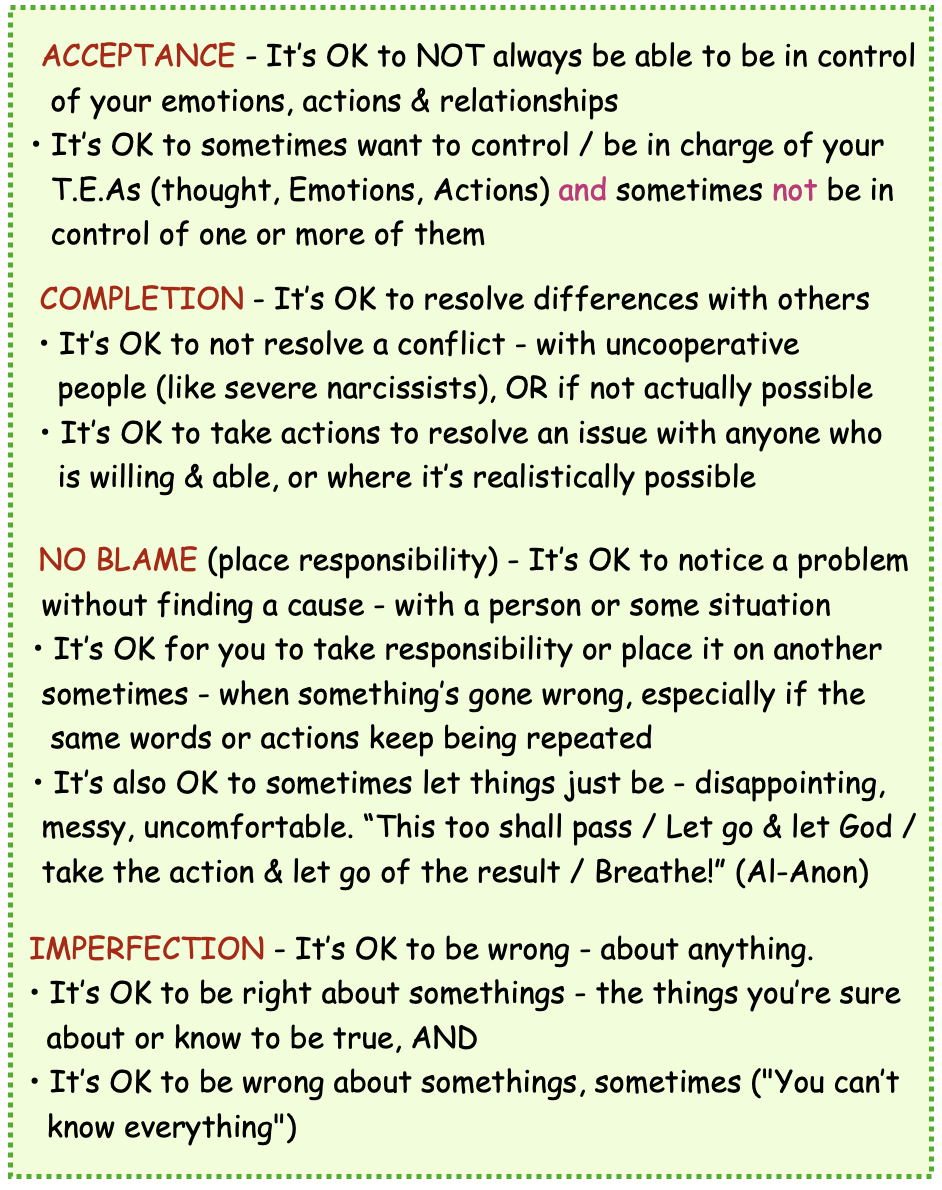

NEXT: How to Talk to Kids, #1

PREVIOUS:
“I Who Have Nothing” by Tom Jones (#1)
See Part 1 for the Tom Jones rendition (or in YouTube)
💔 “I Who Have Nothing” 💔
I who have nothing, I who have no one – adore you & want you so
I’m just a no one with nothing to give you, but oh – I love you
He, he buys you diamonds, bright sparkling diamonds
But, believe me, dear, when I say That he can give you the world,
but he’ll never love you the way I love you
 He can take you any place he wants, To fancy clubs and restaurants
But I can only watch you with My nose pressed up against the window pane
 ◆ He lives in a fantasy world of envy & longing
 💔 “He, he buys you diamonds, bright sparkling diamonds…..
NEXT ??

PREVIOUS: 2 ego states – reprint
SITEs: The Narcissism of Romantic Obsession
A CHALLENGE : How AWARE are you?
This post is about listening to people – looking at the lyrics of the TITLE song, from a live performance by Tom Jones in 1970. I like this rendition of his the best, even better than Shirley Bassey’s.
Not everyone is familiar with Sir Jones’ work for the past 60 yrs.
He’s 80 this year (2020) AND still going strong – his voice as clear & powerful as ever. He’s been a coach on ‘The Voice UK’ on & off for 4 yrs, 2003 – 2020. (Solo concert, 2017)
But this post is not about him.
It’s a challenge to ACoAs, whatever your level of Recovery. If you’re willing to listen to this YouTube video (lyrics below), how would you evaluate the characters in this song? – in psychological terms, based on everything you know. In this exercise, see how clearly you can identifying what the man in this song is telling us about himself.
It’s true that people tell us about themselves all the time, even at the first meeting, often without realizing. The more we hear & see others clearly & realistically, the better we can choose our friends, mates & jobs.
What are you picking up AND acknowledging? (ACoAs think accurately about a situation or conversation that’s doesn’t seem right BUT automatically negate those thoughts & therefore don’t follow thru on them – to protect or stand up for ourselves).

How many different issues / comments / conclusions can you come up with? Include alternative explanations.
EXP:
◆ what kind of person is he? ◆ what about his love? ◆ who is the woman? ….
If you’d like, write them down, & you might even choose to post them in the comment section. I’ll list my observations in Part 2.
💔 “I Who Have Nothing” 💔
I who have nothing, I who have no one – adore you & want you so
I’m just a no one with nothing to give you, but oh – I love you
He, he buys you diamonds, bright sparkling diamonds
But, believe me, dear, when I say That he can give you the world,
but he’ll never love you the way I love you
He can take you any place he wants, To fancy clubs and restaurants
But I can only watch you with My nose pressed up against the window pane
NEXT : SONG lyrics evaluation (Part 2)

KENDRA ALLENBY, artist
Cartoons:
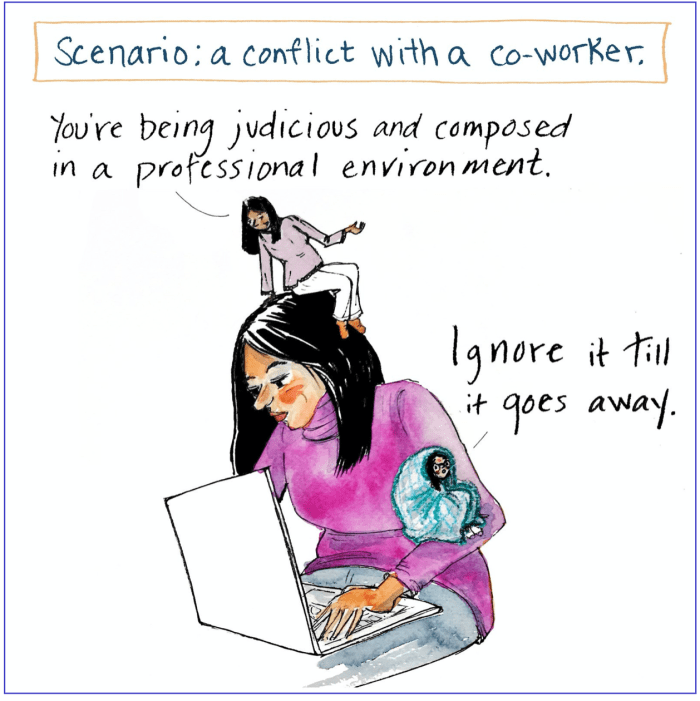
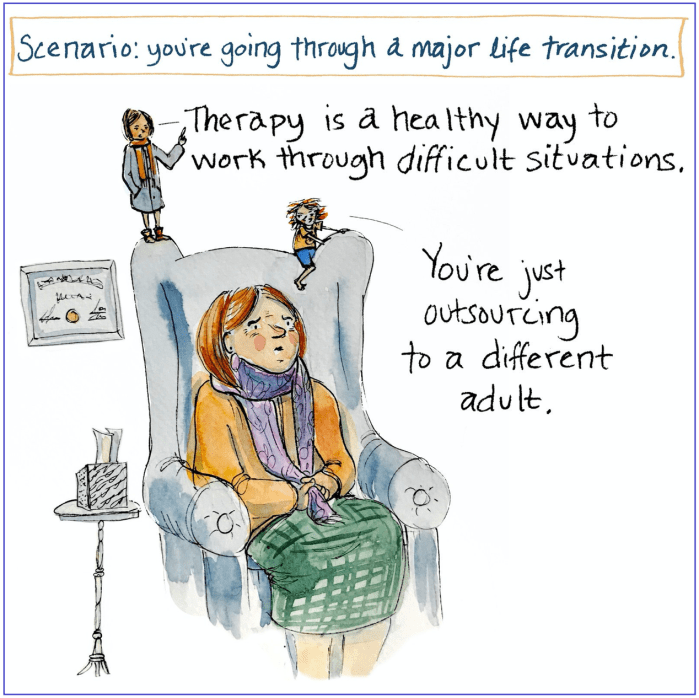
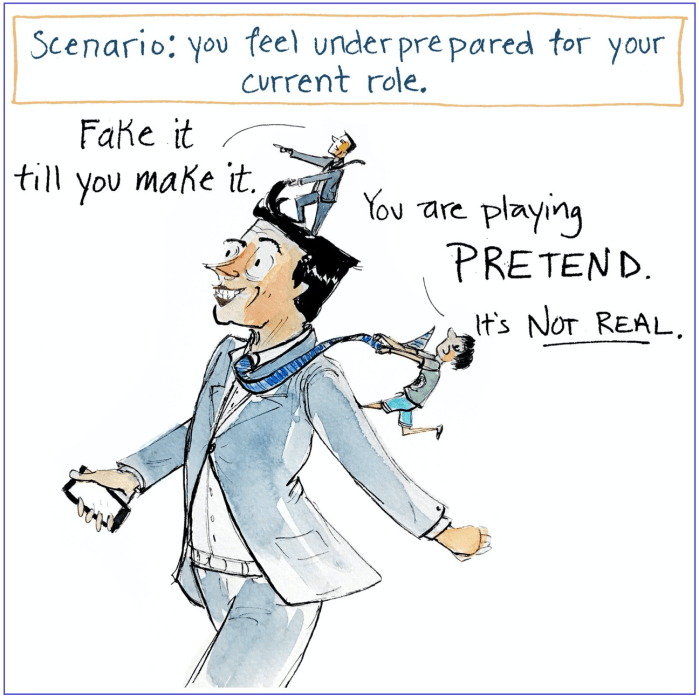
‘Is That the Voice of Your Inner Child (bratty teen) or Your Inner Adult?’
“I draw cartoons for the New Yorker and other magazines. I teach. I give talks. I use drawing to help organizations clarify and share their thoughts. I’m based in New York City but I go for long hikes and bike rides that sometimes last for months and I draw what I find there. I use drawing to better understand being human.”
ALL IMAGES published in New Yorker, 3/2020
—————————-
REVIEW ACoA posts : • The UNIT (includes dialogues)
• Why resist Dialoguing w/ Inner Child?

Cartoons by:
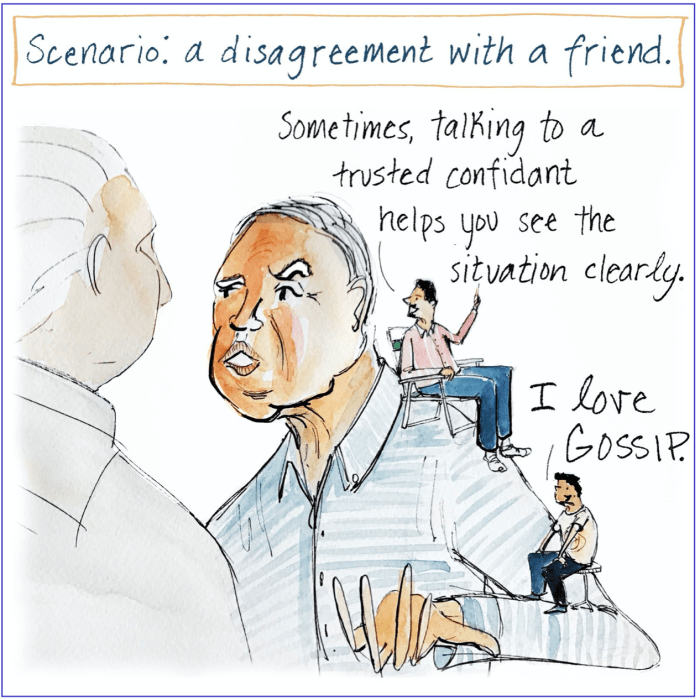
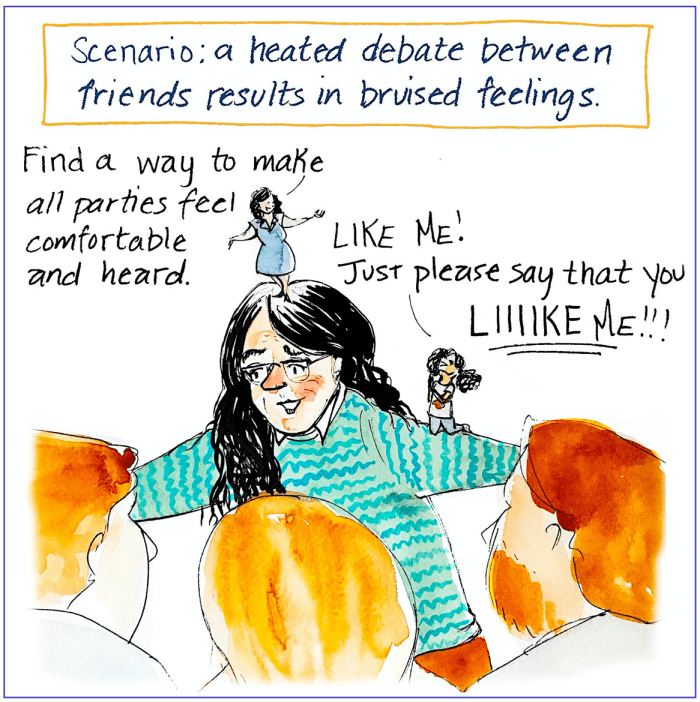
KENDRA ALLENBY: Freelance cartoonist and illustrator, teacher & speaker. Published in the New Yorker, Barrons, Fantasy & Science Fiction Magazine, Woman’s World, Alpinist etc.
” I like to draw the moments when the contradictions break the surface. I like to draw the things that are hard to put into words. When I can draw a thing, I can understand it. And I can share that understanding with someone else.” http://www.kendraallenby.com
ALL IMAGES published in New Yorker, 3/2020
———————–
REVIEW ACoA posts : ♦ Ego States ♦ ADULT ♦ Inner CHILD


CONTACT:
acoarecovery@yahoo.com
212-580-9631
646-460-7417
Dear Readers,
As some of you have noticed (followers), I’ve been sending out revised OLD posts now for some months – along with new info. The series on Alcoholism is the last NEW for a while.
I wrote in Feb. explaining what I’m currently working on – going over ALL old post to make corrections & modifications where needed. As of now I’m half way thru 2016.
I’m suspending all new material until I finish going thru 2010 – 2020 posts already published. There are many more topics in the wings, maybe for next year, such as “Attachment Types, What Children Need, Money Madness, more on the Enneagram & the MBTI….. ”
EXCEPTION : If I find something new I want to pass on, or is especially interesting & relevant, I will add it throughout the rest of this year.
I hope you enjoy the updates. While every post is being worked on, only the revised or split ones (when one is too long) get moved from draft to ‘publish’. Since that means only 1 or 2 posts in each series, it’s a reminder to review the whole set.
For non-followers, if you’re curious, you can go to year pages 2010-14 & pick up the refurbished posts. Many include new artwork as well.
In the meantime you’re welcome to listen to my podcasts – there are 20, covering all the basic ACoA issues. To access, go to:
 Feel free to leave comments via email at acoarecovery@yahoo.com.
ALSO:
I continue to see individual clients for ACoA Therapy, by phone or Skype,
– intro session is FREE.
If you or someone you know would like to do some Recovery work, I’m available to take new clients.
Thank you for you support & loyalty!
DMT
 PREVIOUS: Alcoholic TRAITS #3b
SITE: “Alcoholism & the Brain: An Overview” (extensive)
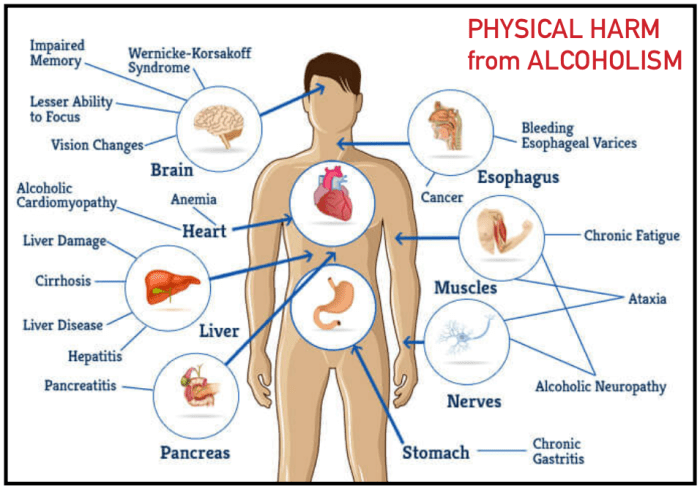
PHYSICAL characteristics – Alcoholism CAUSES:
• Compulsions: talking for hours & hours – to a captive audience (like one of their children), continually repeating oneself, stalking, unwanted phone calls, esp late at night…
• Loss of control – mental & physical – leading to accidents, fights, falling down, lowered inhibitions (perpetrating rape, incest, assaults, killing..)
• Many physical problems (see below)
• Patterns of drinking : daily, weekends, periodic, binge, steady…
• Personality changes: chemical changes in the brain, serious blood-sugar level disturbance – like people with low blood-sugar when they’re out of fuel (food): headaches, nausea, very cranky, can’t think…
• Progression – in 3 stages, from mild to psychosis & then death
• Victimization : more vulnerable to crimes, sexual & domestic abuse
🚦☠️ Alcohol & Health
◘ Accidents : burns, fall, fights….
◘ Birth defects : binge drinking early in pregnancy is particularly risky for the developing baby
◘ Blackouts: blocked memory – a few minutes, several hours or more
◘ Brain : inflammation, dementia & other neurological deficiencies
◘ Cancer : alcohol consumption is a risk factor for cancers of the mouth, throat, colon, breast & liver (even 1 drink per day is linked to a 20% 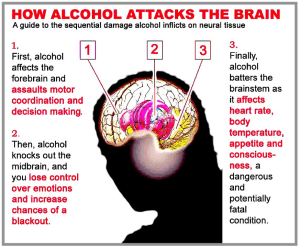 increase
◘ Depression : worsens overall mental health & sparks a vicious cycle
◘ Diabetes : heavy & binge drinking rises the risk
◘ Digestion : alcohol alters the composition of needed bacteria in the GI tract, causing anemia, bleeding, gastritis, ulcers & other lesions, scarring
◘ Heart disease : heavy drinking appears to increase risk – high blood pressure & stoke…
◘ Infections : bacterial, respiratory & viral infections such as HIV, hepatitis (B & C), pneumonia & tuberculosis
◘ Immune System: affects the number of immune cells in a person’s system, alters their functioning, & can often kill existing cells
◘ Kidneys : affects rate of blood flow & disrupt hormones needed to filter out harmful substances from blood
◘ Liver diseases : alcohol poisoning, fatty liver, inflammation, cirrhosis
◘ Obesity : 2nd most calorie-rich nutrient after fat — packing about 7 calories per gram. Heavy drinking can cause increased weight gain
◘ Sex : F – unwanted pregnancies, infertility, menstrual problems, reduced lubrication, harder to have an orgasm….
M – physical insensitivity, erectile dysfunction, premature ejaculation, loss of sexual desire, 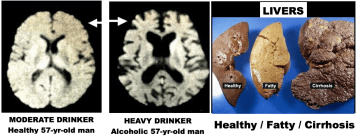 ‘brewer’s droop’ into full-blown impotence
◘ Death : alcohol abuse is the 3rd most common cause of preventable death in the US, including drug ODs (More….)
ONE DRINK: Significant alcohol intake produces changes in the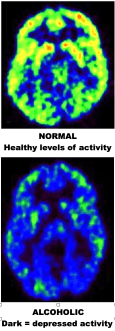 brain’s structure & chemistry, BUT some occur even with minimal use over a short time, to form tolerance & physical dependence
✴︎ 30 seconds after the first sip, alcohol rushes into the brain, slowing down its chemicals & pathways used to send messages. This alters mood, slows reflexes, throws the drinker off balance & they can’t think straight. Alcohol makes it hard to store experiences in long-term memory, so they won’t remember things later …. (More…. )
➡️ MRI scanner forms images using strong magnetic fields & radio waves
🌀 🌀 🌀
Behavioral Addiction is an intense desire to repeat some action that’s pleasurable, believed to improve well-being, or able to alleviating some personal distress – despite knowing its negative consequences
Researcher Jeffrey A. Gray (1981 & 87) proposed 2 brain-based systems which control a person’s interactions with their environment. Emotional situations are identified by the intensity of reaction, AND actions, based on what’s appealing or unpleasant.
⬇️ BIS & BAS brain activity have been connected to a broad range of psycho-pathologies, such as lifetime diagnoses of depression, anxiety, drug & alcohol abuse, ADHD & conduct disorder
❤️ FFFS = Fight, Flight, Freeze System (on chart↘️)
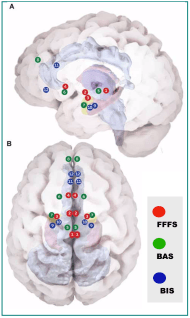 Systems controlling actions:
1. BIS – The Behavioral Inhibition System is responsible for curtailing, stopping, or avoiding ‘dangerous’ behaviors which can lead to disappointment or loss
People with strong BIS activity have a heightened sensitivity to new experiences that are non-rewarding, and to anything they experience as punishment, which they avoid to prevent feeling anxiety, frustration, terror & sadness.
🖤 OPPOSITE: People with low BIS (high BAS) activity have strong urges & desires, & are usually more impulsive & Extroverted
2. BAS – The Behavioral Activation System created a high sensitivity to reward – actions that don’t produce punishment.
It’s the desire to approach, pursue & achieve goals, with emotions such as elation, happiness & hope, especially when a benefit is imminent.
Strong BAS activity produces impulsivity, which may lead to punishment – not a deterrent – so pleasurable behaviors will be repeat, such as the instant-gratification use of addictive substances.
💚 OPPOSITE: People with low BAS (high BIS) activity have weaker urges & desires, & tend to be more careful & Introverted (MORE….. scroll down)
NEXT:
 HEAL & GROW for ACoAs