

PREVIOUS: Why ACoAs Lie (Part 2)
See ACRONYM page for abbrev.
3. UNTREATED ACoAs (cont)
MAIN problems about Lying
🔻You are not trustworthy, so no one can rely on you, cutting off your real connections with others
🔻You know you’re being fake, which reinforces both FoA (fear of abandonment) and S-H (not liking yourself)
🔻You’re reinforcing the Bad Parent & its Toxic Rules
NOTE: We have a right to our opinions & emotions about people & events, but it’s not always appropriate to blurt out whatever is whirling around in our head, especially without double-checking OUR motives for speaking
The 2 main keys for deciding what to say OR not – are :
🌱 what is our ultimate goal in a situation, which has to be decided by the Adult part of us, not the WIC! for it to be appropriate
🌱 what will get us what we legitimately need without hurting ourselves, or other people, whenever possible
4. PRESENT
a. Lying TO Ourselves
🔹 from SHAME & S-H
• to deny what really happened to us at home, still believing we were the cause of all the trouble
• having a desperate need to not see the truth about our parents’ damage, mental illness, addiction…. & so maintain parental viewpoints about everything.
By staying loyal to the family (symbiotic), we continue to believe their lies & then perpetuate them
• to hide from our fear & pain, minimize our profound sense of loss, & run from feelings of hopelessness, so we can stay in denial
❣️AND deny our abilities & good qualities, in order to agree with the ‘bad voice’
b. Lying TO Others
🔹 from GRANDIOSITY (cover S-H)
• need to pretend we’re ‘normal’, so no one will know how ‘evil’ the PP & S-H says we are
• to present ourselves as wonderful, happy, smart, clever, rather than what we are – hurting, wounded, desperately lonely….
• use bravado to compensate for feeling stupid & worthless
• to hide the fact that we don’t know certain things, because our family never taught us (how the world actually works, what people  expect of us, how to connect…)
🔹 from PEOPLE-PLEASING
• to be a chameleon, changing ourselves into what we THINK you want
• to not say how we really feel about anything – or you’ll leave us
• to not hurt anyone else’s feelings, never admit to being hurt & angry, so whatever you do to us is OK, no matter how much we may hate it
• to not have to confront anyone or call them on their bad or abusive behavior, since we’re not sure we’re right, & don’t want to get anyone angry at us, so end up MUTE (silence can also be a lie)!
5. RECOVERY
Because most of us are NOT pathological liars, we can gradually give up this character defect, as we:
☆ Step 1 : Admit to having a problem – the hard part.
Figure out what pressured you to lie : learn how it all started & recognize that it was a defense mechanism which is no longer needed or useful
 ☆ Step 4 : List all the ways lying messes up your life.
You don’t have to let the WIC run your life – you’re an adult with options you didn’t have as a kid
☆ Steps 5 & 10 : Tell someone when you lie. Make sure whoever you ‘confess’ to – is not going to be judgmental, but also will not excuse or white-wash unhealthy behaviors
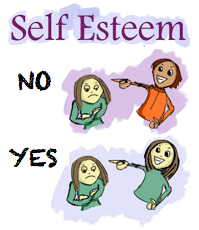
💛 Work on self-esteem
• learn to know who you are & be truthful about it
• develop boundaries from identifying & providing needs, wants, dreams & hopes
• choose healthier jobs, friends & lovers who want to know your real opinions & feelings
• practice telling the truth & notice that nothing bad happens to you!
• Be realistic about what you promise others
• Talk to others about their expectations of you
• Practice telling the truth, as often as possible
A good MOTTO: “Don’t justify yourself, but don’t lie”
 HEAL & GROW for ACoAs