
 PREVIOUS : Grief == Ab-An
SITE : Hospice & Grieving
💔 ANTICIPATORY Grief
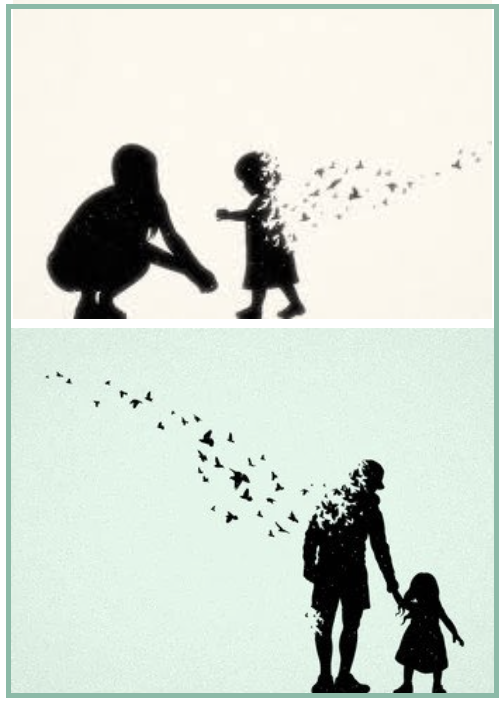
This type is when you feel grief before a loss occurs that you know (or assume) is inevitable. It’s a response to an ending you’re able to anticipate, such as for a person suffering from a long-term illness. As soon as you understand & accept that your loved one is going to die, you begin to grieve. It can also occur for oneself when waiting for the possibility of – or being assured of – a terminal illness diagnosis.
AND it can overlap with ‘Ambiguous loss’ when there’s a prolonged state of uncertainty about the outcome.
 Grief that starts before the actual loss of someone else can be confusing, as you may feel conflicted or guilty for grieving about someone who is still here. You may feel anger, loss of emotional control, & helpless to stop the inevitable.
Supporting someone through anticipatory grief : Avoid saying “at least they’re still here” or “you still have time together”. Things in that person’s life may already be deteriorating, so it can be really hard for the healthy one to be grateful, which may also cause some guilt.
When the sorrow is for yourself, if you have the strength (& the means) you can choose to make use of the time left to do some of the things you’ve been putting off, whether it’s straightening out a relationship, having as much fun as possible, writing that book,….
If helping someone who is grieving for another, it’s most loving to hold space for them to freely share their feelings & experiences of the love one without being judged. You don’t need to say anything or try to fix their feelings. If they’d like to know where to find support groups & services, find suggestions on TheSprout’s Grief, Loss and Bereavement Information Page.
AUTISTIC (not Like Neuro-typical Grief)
Autistics thrive on sameness & routine, so loss & grief are the most disruptive changes. The complexity of emotions in grief may be amplified for autistics, having increased trouble with social communication & intensified sensory sensitivities .
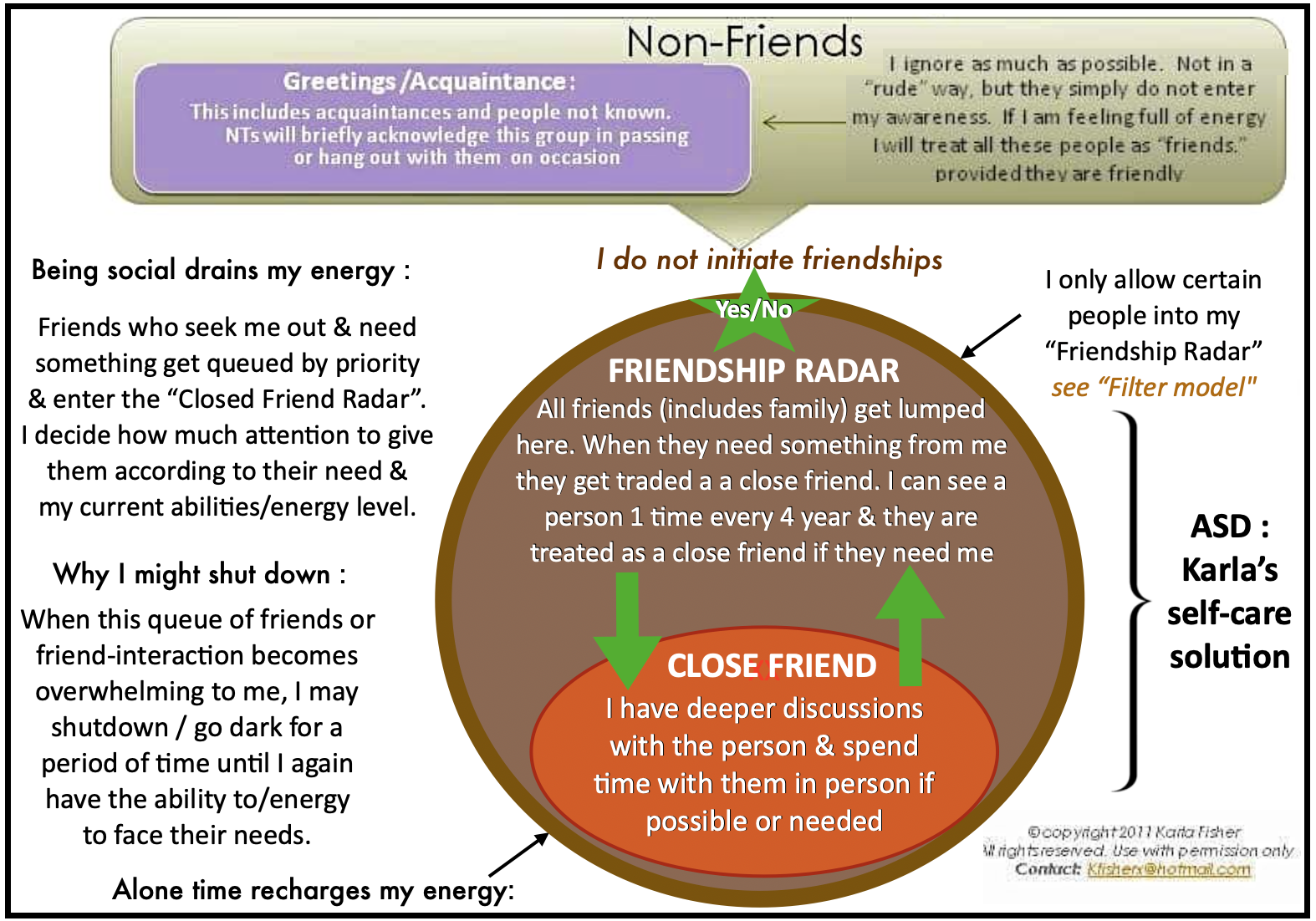 One person wrote: “Being around non-autistic was exhausting. I had to mask my grief, creatively calibrating responses to meet social expectations while battling overwhelming sadness…… I did not have outward meltdowns in the traditional sense, but instead I had shutdowns whereby I lost actual abilities, as my autistic symptoms worsened. I had less ability to process information and therefore less ability to be social or to do any tasks, as my executive functioning skills were also impacted.”
In the autistic mind, grief doesn’t neatly follow a logical pattern. Instead, it’s a tangled bundle of depression, isolation, sadness & trauma — a heavy knot that resists untangling. Grief for autistics isn’t a straightforward cause-and-effect event. It’s a whirlpool of pent-up emotions, recurring emotional tsunamis, outbursts, & disorientation, any one or all of which can surface at the most unexpected times, seriously affecting the autistic’s daily life in every area.
SPD affects people with neuro-developmental & neuro-divergent conditions. Autistics have sensory processing failure, (SPDisorder) a difference in the way the brain understands & responds to information from our senses. This includes what we see, hear, smell, taste, & touch, & can also affect movement. (Another personal account).
General ASD Symptoms :
🔒 Difficulty with social interactions & understanding social cues
🔒 Challenges in maintaining conversations & reciprocal communication
🔒 Restricted interests, or intense focus on specific topics or activities
🔒 Sensitivity to sensory input such as sounds, lights, textures
🔒 Preference for routine & difficulty with changes in schedule
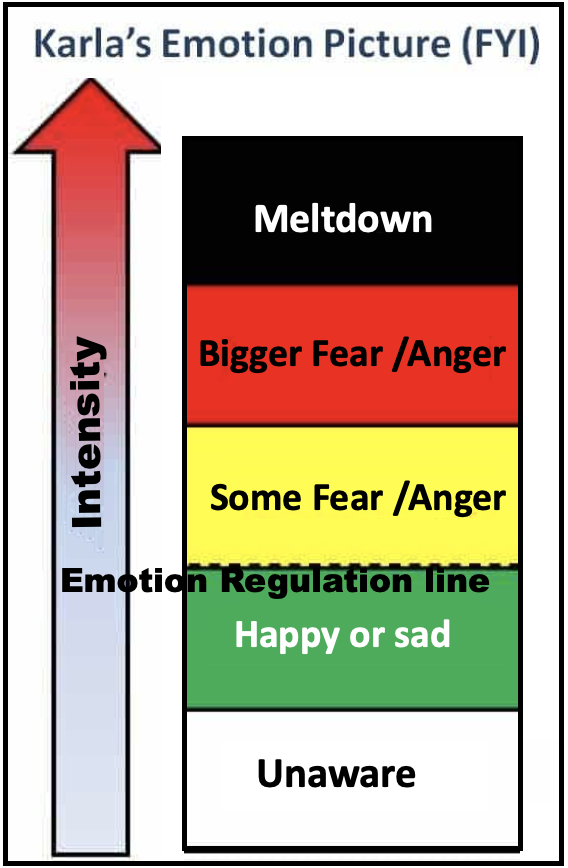
🔒 Emotional regulation challenges, including anxiety or mood swings
HELPING someone in autistic grief :
 ✑ Recognize their experience of grief may be expressed differently, often through unique behaviors or communication styles
✑ Some may express grief through intense focus on specific interests or routines
✑ Their emotional responses can be delayed or seem less intense, which does not mean they’re absent
✑ Provide a safe, supportive environment for them to expressing feelings, & allow for non-verbal communication if needed
✑ Encourage open dialogue about loss, using clear & direct language to encourage understanding
✑ Be patient & allow for individual processing time, as each person’s grief journey is unique.
NEXT : Grief –
 HEAL & GROW for ACoAs
I am very thankful for this!
LikeLike