
 PREVIOUS: Emotionally SAFE – INTRO
SITE : “Understanding Safety Needs in Maslow’s Hierarchy”
POST : Maslow’s Pyramid of needs – Intro + 18 more
SAFETY is grounded in a combination of environments. To be valid, it requires predictability, order, & control. At its best, some areas of life will provide more comfort, trust, & serenity – than others, & to varying degrees.
CATEGORIES of SAFETY Needs
🔷 Cyber Safety : Strategies to protect against online threats & to ensure data security
🔷 Environmental : Safe living conditions, access to resources such as basic needs like food, shelter, including clean air & water. Promote a stable community & environmental sustainability
🔷 Emotional
◆ Safe Relationships – A supportive environment that fosters trust & ◆ Freedom from Fear & Anxiety – Living without constant worry or stressing about psychological, emotional & physical abuse
🔷 Financial
◆ Being financially independent, working toward long-term goals & having a pleasant retirement
◆ Stable Income – Steady & reliable source of income to meet daily expenses
◆ Savings – Accumulating financial reserves for future needs and emergencies
◆ Insurance – for health, life & property. Protection against unexpected financial losses. 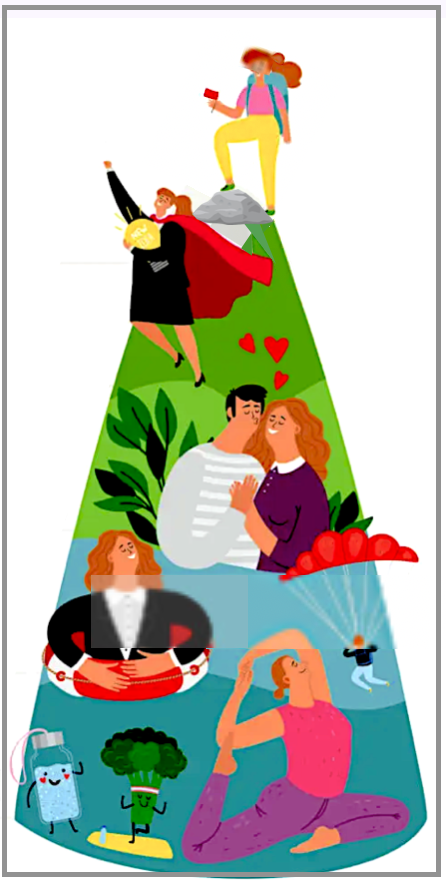
🔷 Health
◆ Protection from illness or injury
◆ Access to Healthcare – Availability of medical services and support
◆ Healthy Lifestyle Choices – Making decisions that promote physical & mental health, such as diet and exercise, prescribed meds & appropriate supplements.
🔷 Physical
◆ Non-Violent Home – to be a ‘good-enough’ parent, & safely raise children, preventing physical harm (intentional threats, violence….)
◆ Protection of the body from dangers in the home, work & environment, against accidents, from natural disasters, social upheaval, war & other unexpected life events. (More…. )
🔷 Personal
◆ Autonomy – having control over one’s choices, encouraging a sense of empowerment
◆ Privacy : Ensuring personal information & activities are protected from intrusion
◆ Inner Growth – makes of a variety of mental health resources
🔷 Social : Protection from discrimination, bullying, & social isolation. Being part of a supportive community creates a sense of belonging & safety. Also, Open Dialogue & transparency to build trust & prevent misunderstandings.
◉ Internal = EMOTIONAL Safety (INTRO post)
◉ External
Psychological safety is influenced by a combination of internal & external factors – how you respond to other people, & how they respond to you. It’s the absence of inter-personal fear, allowing the person to perform their best at home, school & work. It means being able to take socially-based risks, such as speaking their opinions, disagreeing openly, & airing concerns about a problem – without negative repercussions or pressure to sugarcoat bad news. 
Psychological safety INCLUDES :
🔱 Career — Need for Achievement (N-Ach), professional development, & entrepreneurship
🔰 Cognitive – Need for knowledge, understanding & intellectual stimulation. Desire for research, invention & innovation
⚜️ Esteem : Desire for self-respect & other-respect/ self-respect, achievements & recognition – to feel competent & valued
professional development and education
🔅 Self-Actualization : Pursuit of personal growth, fulfilling one’s potential & goals. Includes creativity, morality & spirituality.
EXP : Healthy & Safe Work Environment – promotes security in office locations, in terms of fire emergency equipment & instructions, safety instruments & measures in factories, security systems like CCTV, emergency exits, ergonomic furniture…. Bio-metric scans ensure the entry of employees, & restricts stranger-access.
In BIZ : 4 Stages Model – TEAM Member Safety Needs
This model provides a simple language for starting conversations, about each of category, which can help members notice the mental & emotional nuances, about how safe it feels to belong, to learn, to contribute, or to challenge.
The model also highlights discord that can develop when team members strongly differ – are out of sync. However, talking thru conflicts can be an opportunity to unite them.
♦︎ Inclusion – to be comfortable being present & included, feeling wanted & appreciated
♦︎ Learner – able learn by asking questions, to experiment, make (& admit) small mistakes, & ask for help
♦︎ Contributor – to add their own ideas without fear of ridicule or embarrassment. Have the assurance they won’t be punished or humiliated for expressing ideas, or for mistakes
♦︎ Challenger Safety – to question others’ ideas or suggest significant changes to ideas, plans, or ways of working – including to those in authority.

»
NEXT : SAFETY
 HEAL & GROW for ACoAs