
 PREVIOUS : Spiritually-based Depression HEALNG (#2)
SITE : “Why Is Adulting So Freaking Hard These Days?”
POSTs : Adult EGO STATES
IMP : These next posts are meant to identify & define the healthiest forms of being a mature adult, not just physical – but in PMES ways.
Adulting means that the WIC (wounded Inner child) is NOT in charge but rather your UNIT is, as well as the Healthy Inner Child part of you – ie. the whole True Self.
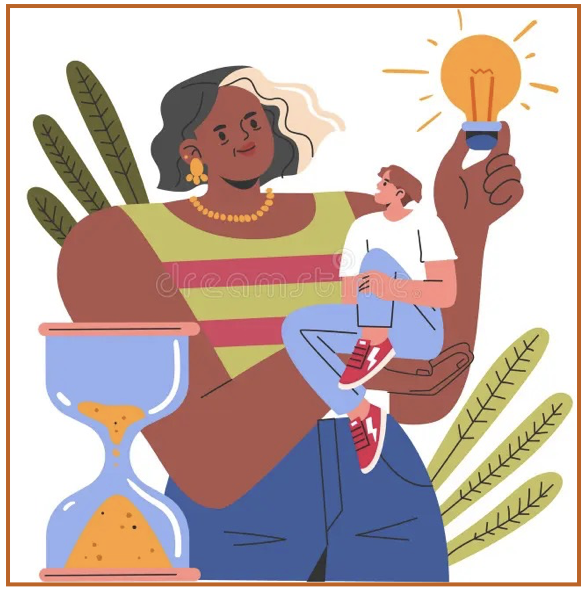 We can OWN how much of these characteristics we already practice in our daily life, and the rest we can work toward – depending on which ones suit us the best. Remember ODAT, even OMAT when under stress. (More….)
Scientists say that we’re not adults until we hit our thirties, but even then we have to leave room for individual differences.
What do they mean when someone talks about “being an adult”?
Basically 2 opposite approaches – responsible & irresponsible adulthood – either : a) setting aside “childish” ways, or
b) rebelling against the lack of freedom in childhood
A types believe that being an adult means eating healthfully, being financially responsible, dressing to meet the expectations of others, flossing regularly, servicing their vehicle regularly…..
B types have determined that adulthood means : you can eat candy for breakfast, drink too much, fail to keep careful track of finances, stay up late, play hours of video games all day, skip dental cleanings for 3 years, order the steak instead of the salad ….
NOTE: This does NOT mean that these people are irresponsible to the point of lawlessness, although some are. It just means their careless or self-harming actions are not the “best” long-term choices.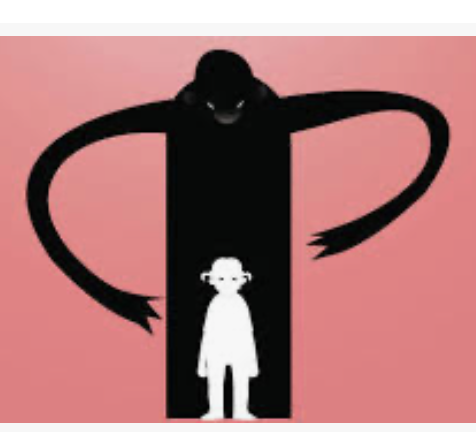
All children feel deeply, but usually can’t act or protest externally in their own defense.
When unhealed people experience the world in “child mode”, they continue to feel powerless & at the mercy of others, as well as overwhelmed by their own emotional reactions. In the inner world of the adult-child, they feel helpless & totally dependent, the victim of negative circumstances – supposedly – beyond their control.
The major deterrent to living as an adult comes from the fear of “growing up” – of breaking imagined connections with parents, being alone, standing out as an individual, having a strong point of view, recognizing one’s value, & confronting the inevitability of death – the ultimate separation from Self. Many people have a strong desire to hold on to fantasy bonds or unrealistic connections to family & others who are symbolic substitutes – anyone who seems to offer safety. But this comes at a great cost to their personal growth. To live like a child in an adult world is a defense against death anxiety.
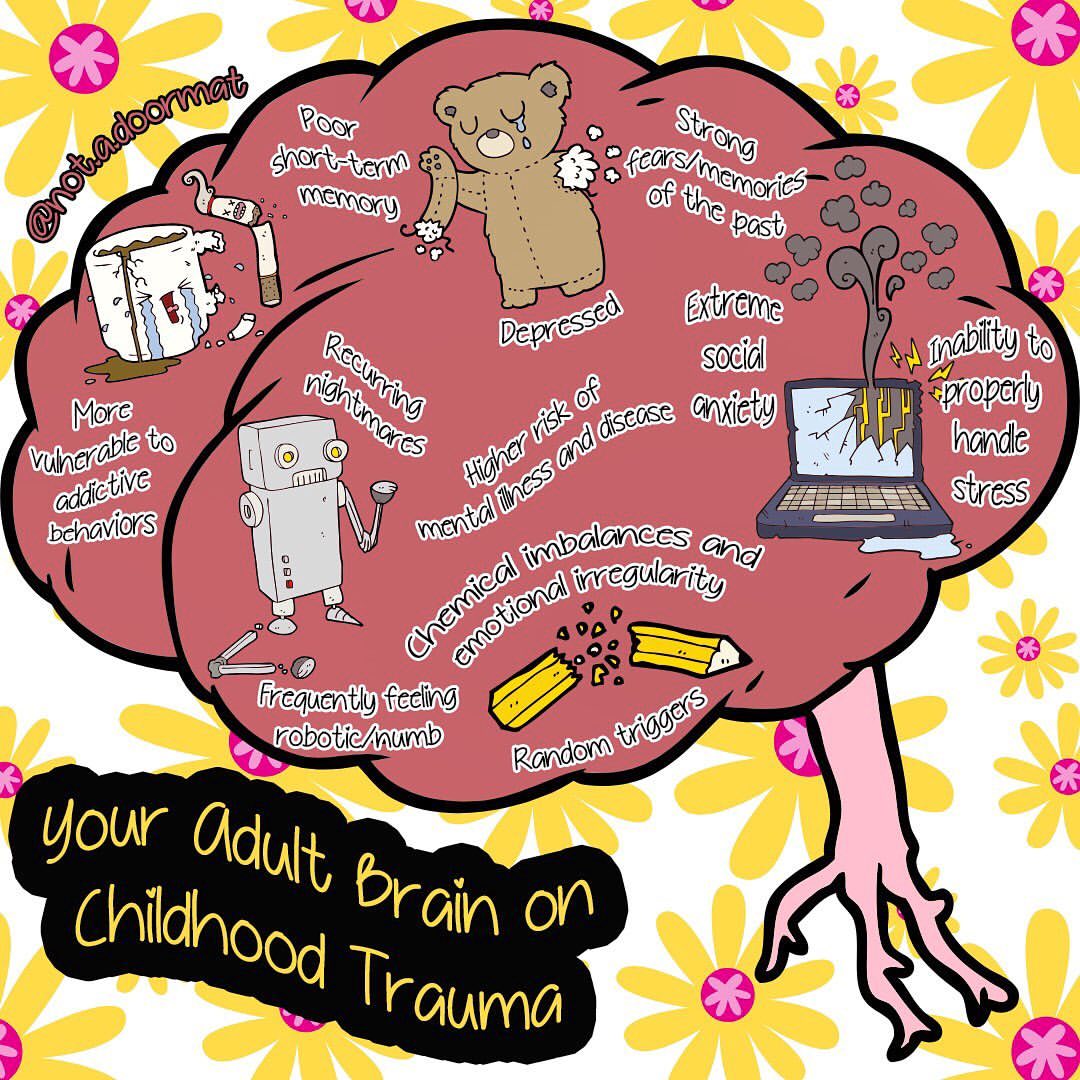
REVIEW : The reality for many ACoAs is that we didn’t get very good guidance for how to prosper as a physical grownup – missing positive role models to learn from. Before listing the characteristics of Adulthood, let’s look at some ways childhood trauma impacts adulthood :
🕴🏻 Avoidance : Tend to avoid situations or people that trigger unhealed memories of trauma
🕴🏻Denial : Suppressed or “white washed” painful childhood events
🕴🏻Dysfunctional Relationship : Patterns of unhealthy connections, including fear of intimacy &/or repeating abusive attachments 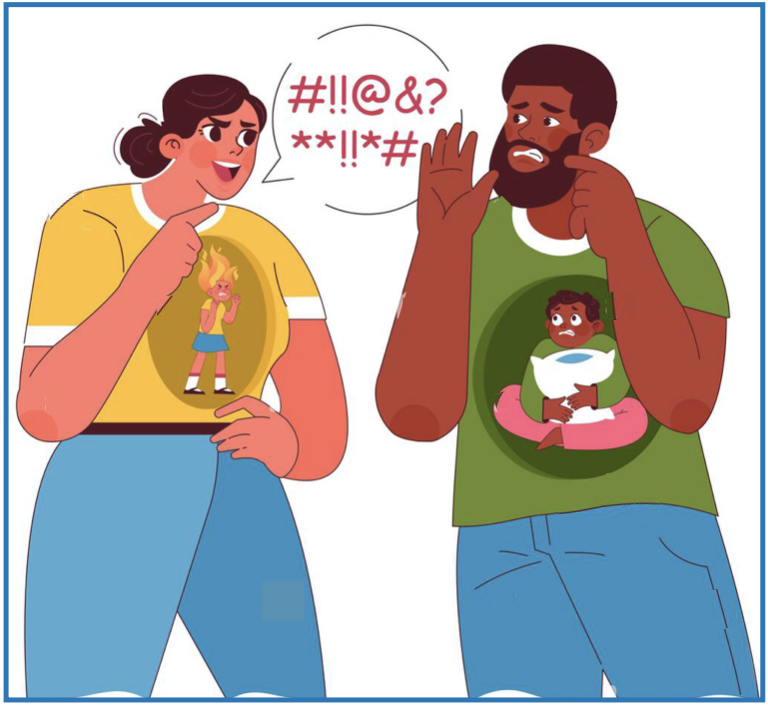
🕴🏻Emotional Dysregulation: Rarely able to manage emotions, run by intense anger, sadness, anxiety, hopelessness ….
🕴🏻Low Self-Esteem: Blaming oneself for all their pain& a persistent sense of inadequacy, from childhood abuse & neglect
🕴🏻Mental Health Issues: Increased risk of anxiety, depression, PTSD….
🕴🏻Physical Health Troubles : Higher likelihood of chronic health issues due to stress & unresolved trauma
🕴🏻Reenacting Damage: In adulthood – unconsciously repeating thoughts, actions & choices copied from early experiences
🕴🏻Substance Abuse: Increased risk of using drugs or alcohol as a coping mechanism for emotional pain
🕴🏻Trust Issues: Unable to trust oneself & afraid to trust others, becoming isolated or having strained relationships
🕴🏻Weak Boundaries: Trouble setting & maintaining personal boundaries with Self & in relationships (from Google AI list)
(See Part 5 for Inner Child growth)
NEXT : Adulting, #2
 HEAL & GROW for ACoAs
Donna,
Thankyou for sharing what you have discovered and passing it on to Adult Children. I value you and your lived experience.
thanks John O
LikeLike