
 PREVIOUS : Psychological Effects, #1
💲 💲 💲
While we like to think that our spending habits are rational & logical, the truth is that our emotions & psychology play a huge role in how we handle our finances. Envy, fear, greed, guilt & regret can cloud our judgment, often leading to decisions that are self-defeating. It’s much better for us emotionally & financially – when we deal with emotions & negative beliefs head-on. Identifying & facing harmful patterns starts with addressing Family & Childhood experiences, since our unconscious rules most of our emotions.
NEGATIVE effects:
☁︎ Anxiety – having experienced financial abuse in the past can affect how you feel about money now. (Narc mistreatment)
☁︎ Depression – debts, job loss, illness, divorce…. can lead to depression
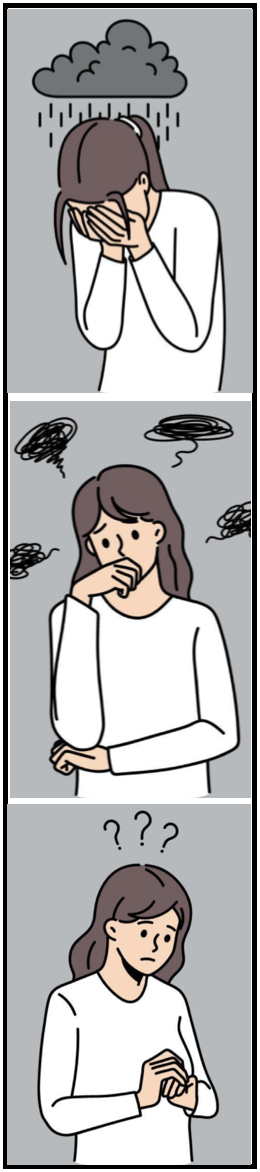 ☁︎ Envy & comparison of one’s financial situation to others can lead to feelings of envy and dissatisfaction
☁︎ Financial anxiety – about not having enough money, especially for basics Not wanting to look at your bank balance or asking for info or help
☁︎ Fear of “abandonment”- money problems create tension & conflict in relationships
☁︎ Guilt – for not being able to provide for loved ones. Feel undeserving of a windfall, &/or if the money came at the expense of others. Guilt for spending money even if you know you can afford it, from having more wealth than others
☁︎ High – a temporary high (dopamine) after making a purchase, which can mask underlying stress
☁︎ Hope & optimism – unrealistic over-optimism can lead to over-committing oneself financially
☁︎ Overspending & impulsive behavior can occur when money is easily available
2 PSYCHOLOGICAL reactions
LOSS AVERSION is one of the most powerful psychological forces in any part of our life, & definitely when it comes to money. It’s when we feel the pain of losing something/ someone – more than the pleasure of getting & holding it.
 EXP : imagine being offered a gamble = you can either take a 50/50 chance of winning Rs.1,000 or losing Rs.500. Most people would pass on the gamble, because the thought of losing Rs.500 is just too distressing.
Loss aversion can also affect our spending habits. We might hold onto things we don’t need or use because we don’t want to feel like we’ve wasted the money spent on them. Or we might be hesitant to invest in something that could potentially earn us more money, being afraid of losing what we already have.
 SOCIAL COMPARISON is another psychological force. It’s when we constantly compare ourselves to others, basing our own happiness & success on how we measure up (“compare & despair”). When it comes to money, this can lead to feeling inadequate or envious when we see others with more than we have. It can also drive us to spend more than we can afford, trying to keep up with other people.
CORRECTIONS
1. Take a step back to separate your emotions from your money. Ask what a coveted item will bring to your life – rather than how much it costs. EXP : instead of buying a new car because it’s the latest model, consider how it will feel to have more reliable transportation
2. Focus on the long-term, rather than immediate gratification. It’s easy to get caught up in the moment & lose sight of positive goals. Remind yourself of ultimate financial objectives to make better spending choices 
3. Work at being mindful of your spending habits. Be honest about what you really need vs. what you’re just buying to make yourself feel better. This can hard but important
Money habits are deeply influenced by our psychology, but understanding emotional forces can help us make better spending decisions. To achieving our financial goals be be honest with yourself, mindful of your feelings & attitudes, and keep your focus on the long-term. (FatakPay)
NEXT : MM – Psychological Effects #3
 HEAL & GROW for ACoAs