
 PREVIOUS : How to STOP Lying, #3
SITE : “Why can’t I cry even though I’m sad?” (& How to cry if you want to)
ACoAs :
For some of us, allowing ourself to cry is very difficult – all our tears seem to be died up. They could molest, beat, belittle us, punish or made fun of as a cry-baby…. but early on we determined we would never let them see that they won. We had to “be strong”, had to pretend their abuse didn’t hurt…. so we swallowed our tears, & now we can’t seem to access them!
For others, as adults we seem to cry at the drop of a hat, whether at a sad movie, a big disappointment, being frustrated or very angry. All our accumulated pain is right on the surface, easily triggered. Before recovery, one highly sensitive ACoA quipped : “I’m an emotional hemophiliac. Touch me & I bleed! ”
THIS set of POSTs is mainly aimed at the first group.
The reality is that we have tear-ducts built into our body for a reason! just as the ability to feel emotions is built into our brain, from the amygdala, as part of the limbic system. 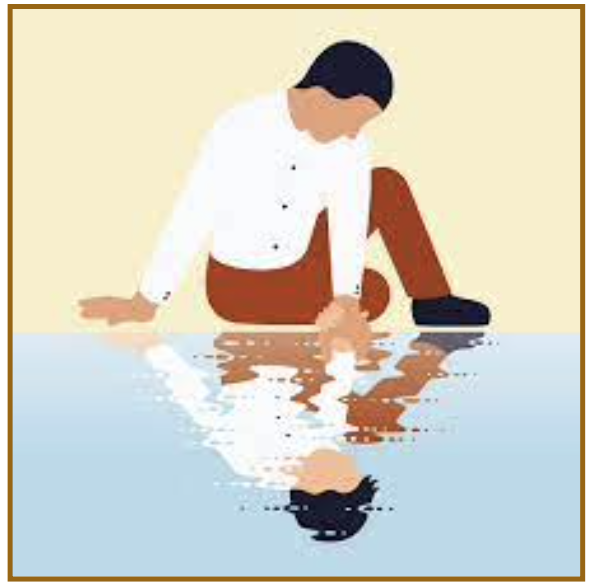
Among other things, this is part of our brain that automatically detects danger.
But since most ACoAs grew up in very dangerous families & environments, we had to be constantly on alert, hiding, placating or fighting. So it makes sense that our whole limbic system got overworked & then shut down.
CRYING is a natural response to a range of emotions, from deep sadness & grief to extreme happiness & joy. It’s an important safety valve, since tears release /expel endorphins like oxytocin. If you always suppress tears, you may not be able to express emotions in a healthy way – called repressive coping.
Physically, repressive coping has been linked with a less resilient immune system, cardiovascular disease, hypertension, auto-immune diseases…. Psychologically, not crying about painful emotions can lead to mental health conditions, including anxiety, depression, & dissociation.
Even though at first you might feel exhausted when the tears stop flowing, crying has long been considered beneficial. Its medical value has been known as far back as in Classical antiquity. Thinkers & physicians of ancient Greece & Rome asserted that tears work like a purgative, draining off impurities.
Today’s psychological thought emphasizes crying as a mechanism to release stress & emotional pain. It has also been shown to increase attachment behavior, encouraging closeness, empathy & support from friends & family.
Popular culture has always known the value of a good cry as a way to feel better – maybe even to experience physical pleasure – as proven by the millions of people who watched classic tearjerker films such as West Side Story or Titanic, among others.
Crying AMOUNT
Some people are more likely to cry than others. Researchers at the Tilburg University in the Netherlands studies crying extensively, & found that average amounts by country vary considerably. EXPs: pr. month : women in China only cry about 1.4x . Men in Bulgaria reportedly cry a mere 0.3x .
Averages in America are on the higher side = pr. month : women cry 3.5x, men cry around 1.9 x .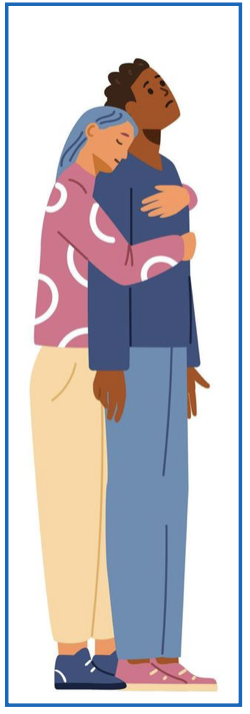
Other research : overall, US women cry 60% more than men, but experts aren’t sure why. It could be because men:
♛ Have smaller tear ducts
♛ Usually have more testosterone, which may inhibit crying
♛ Have less prolactin, a hormone that might promote tears
♥︎ Are often encouraged to not cry
What are tears made of?
The outer oily layer prevents tears from drying up too quickly, while the inner mucous layer allows the tear film to stick to our eyes, always coating the eyes around the cornea (clear outer layer of eyeball). The middle watery layer is the thickest, keeping the eyes wet, nourishing their tissues.
Tears are also filled with electrolytes, which explains their salty taste. Electrolytes are essential minerals with an electric charge, necessary to many bodily functions. They’re in our blood, sweat & urine. When we lose a lot of electrolytes via sweating, crying, or using the bathroom, we need to replenish them by drinking water & eating electrolyte-rich food.
NEXT : Part 2
 HEAL & GROW for ACoAs
This article resonated with me. It’s a powerful reminder that crying is a natural and essential part of our emotional health. For those who learned to suppress tears to appear strong, it’s crucial to understand the importance of allowing ourselves to feel and express emotions. The comparison to an “emotional hemophiliac” really struck a chord. It’s comforting to know that crying can heal and help us connect with others on a deeper level. Since tears are filled with electrolytes, it’s essential to replenish them, especially if you’ve been crying a lot. I recommend trying an electrolyte supplement in tablets. They’re convenient and help maintain your body’s balance, ensuring you stay hydrated and healthy and have no weird taste.
LikeLike
Thank you for your comments. I use Alfalfa tablets – 500-1,000 mg, which balances out potassium & sodium.
LikeLike