
 PREVIOUS : How to STOP LYING (#2)
⬅️ SITE : “Story Time: Honesty always pays”
1. DECIDING to stop
2. MAKING a Plan
3. STAYING Honest
a. Recognize patterns that cause you to slip. The more you you get into the habit telling the truth, the patterns in your thinking that lead to lies will be easier for you to notice. These include the Toxic Family Rules & Cognitive Distortions they lead to. Stay awake for how you have been obeying these mental traps, which lead to lying – so you won’t automatically fall back into the lying-habit.
• Short circuit these patterns by learning ways to identify & soothe childhood anxiety at the root of lying. Develop a variety of strategies you’ve practiced & often rehearsed – that’s put in place to help you cope when asked something triggering, so you don’t have to lie.
EXP : just smile & be silent, ask the other person about themself….
• Do not ever be hard on yourself when you slip. The addiction to lying is a hard ‘habit’ to break. Go right back to being honest – like getting back to a diet, or getting up after falling off a bike…. Don’t give up or let the old patterns hijack your life again.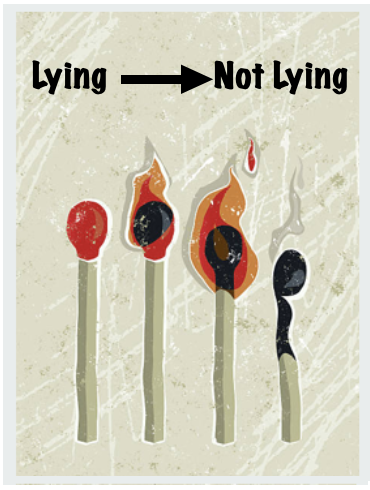
b. Make honesty the core of your character. Honesty is a highly valued character trait across many cultures & societies. It’s developed through early childhood being in heathy smiles, & honed by consistently being strong in difficult situations – year in, year out. Let Truth (a transcendent fundamental or spiritual reality) become your automatic response when faced with stressors in life.
• Recognizing honesty in others can be helpful when trying to live an ethical life. Who do you admire & respect? Ask “What would Jose or Salima say in this situation?” & learn from them, applying your own way of doing things.
• Find other honest role models – bible characters, spiritual leaders, honorable characters in literature, philosophers, leaders of social movements….. No one can be honest sometimes all the time, but principled people pick themselves up & keep doing the right thing to the best of their ability.
c. Build good relationships.
The more regularly you tell the truth, keep your commitments & treat others with respect, the more they’ll trust you, which feels good. With the right people, trust leads to great friendships, intimate relationships, & a feeling of belonging. It minimizes loneliness by being a part of community. Not hiding behind lies provides the opportunity to be accepted for who you really are – your True Self.
 • It is never too late to become an honest person
• IF you’re with the right people – who are both intelligent & kind, you can disclose to them some of the things you’ve hidden
• If you’ve been lying for a while, it’s better to tell them as soon as possible, which can help to clean up misunderstandings & betrayals.
d. Get outside help
You might think you’re alone in your effort to stop lying, but there are people who have been through this & can be supportive. It’s tough to quit any addiction by yourself. Reach out to people who can provide good advice, as well as hold you accountable for reaching your goal.
• It’s not shameful to work with a skilled therapist. It’s worth talking with someone who has experience helping people who need guidance & validation that you can change a life-long parer. They can help to uncover some of the underlying reasons for this addiction, such as childhood neglect, sexual &/or physical abuse, emotional manipulation…. This will be extremely valuable to help transition from frequent lying to consistent honesty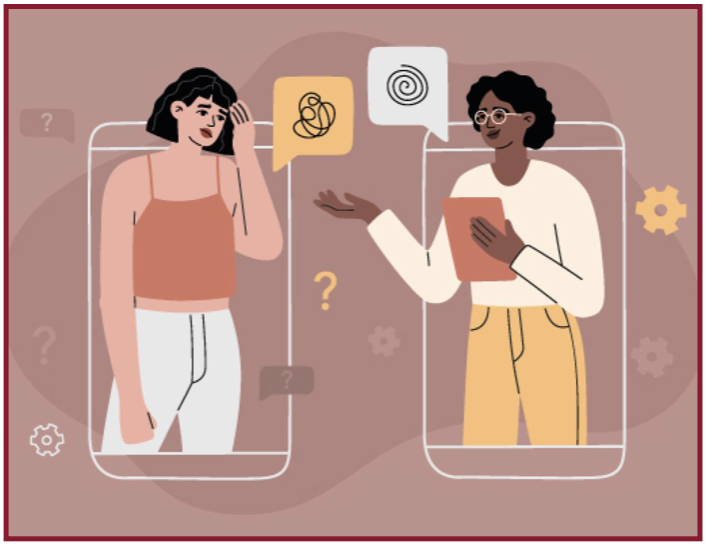
• Talk to the people you’re close to. Specific people will want to help you stop lying, even if they’ve been hurt by your dishonesty in the past. If you feel safe enough, tell your parents, siblings, or a close friend about your goal, so they can provide encouragement
• Join a support group. Sharing with other people who understand exactly what you’re going through is crucial. Look for an online groups that meets on line or in person near you.
NEXT : Song “This is Me”
 HEAL & GROW for ACoAs