
 PREVIOUS : Attachment & ANIMALS, #1
Animal Assisted Therapy (ATT) : “To provide long-term individual & group healing for trauma survivors, along with cognitive behavior, empowerment & exposure therapies.”
For thousands of years humans have benefited from the unconditional love & loyalty of domesticated animals.
☆ATT was a treatment tool in ancient Greece. They were the first to use animals (horses) to “lift the spirits of the severely ill.”
☆ In the 1600s physicians also used horses to improve the physical & mental health of their patients.
☆ In the 1940s the American Red Cross worked with veterans staying on a farm who were suffering from injury or illness, taking care of the animals to further their recovery, by focusing on something other than the traumas of war.
☆ In the 1700’s the York Retreat also used farm animals (rabbits, chickens….) to “enhance the humanity of the emotionally ill” (More EXP….)
☆ Current studies have continued to investigate the relationship of human emotional attachment to pets, which are beneficial at any age. In a 2023 Healthy Minds Monthly Poll from the American Psychiatric Association (APA) with 2,200 adults, a majority (86%) of pet owners said their animals have a mostly positive impact on their mental health.
«
«
Cat owners were more likely than dog owners to say their pets offer companionship (69%), provide a calming presence (66%). & help reduce stress & anxiety (69%).
Dog owners were twice as likely to say their pet encouraged them to be physically active.
When all were asked how much they worried about various stressors related to pets, owners were most worried about their animal’s health (66%), aging or passing away (71%), as well as arrangements while traveling (56%) & medical expenses (58%). About 11% were mourning** a deceased pet.
** Mourning : If a person experiences too much separation-pain when their companion animal dies, they can become so lost & depressed that they may not be able to function in daily life, becoming a mental health threat. Maladaptive Cognitive-Emotion Regulation Strategies (CERS) that stifle healing include self-blame, criticizing others, rumination & catastrophizing.
However, one large study found that more secure people who lost a beloved pet do recover from this pain after 6 months, even with feelings of anger, guilt & longing. In fact, the stronger the attachment, the greater the growth, so adapting adaptive CERS attitudes (acceptance of death, broadening perspectives & positive re-evaluation) increases post-trauma healing & returns meaning to their life. (“Coping with Losing a Pet”)
HEALING : Doctors at the APA commented that “Americans clearly recognize that a relationship with our pets can have noticeable benefits for our overall mental health.” Another survey reported that 97% of family doctors believe there are benefits from owning pets, & 69% said they had recommended it to patients.
One reason people bond emotionally to their pets is that the attachment serves as a compensatory strategy for anyone deprived of secure relationships in childhood. Children are often credited with instigating pet acquisition, & in many countries, households with children are more likely to have companion animals than those without.
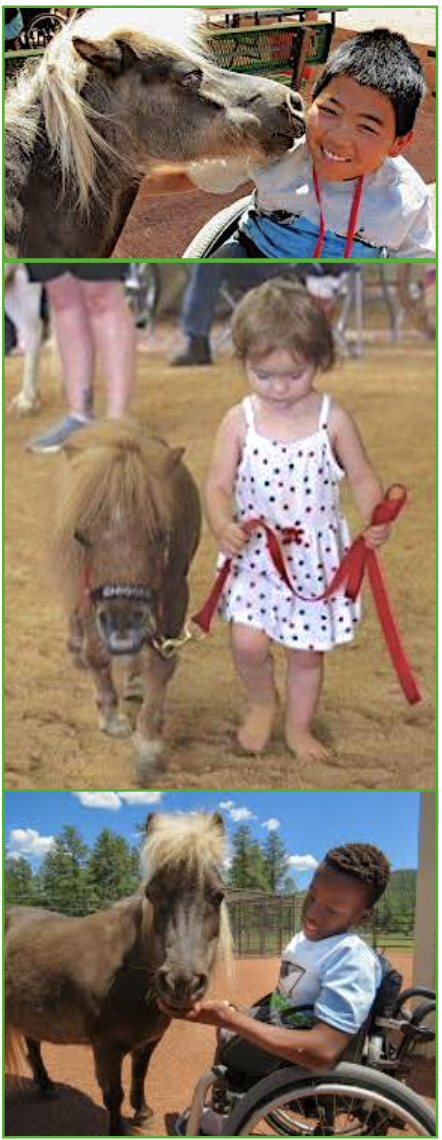 A study with a sample of 160 children who had experienced abuse, neglect or traumatic loss showed they were 4x more likely to have more of a secure attachment to a pet than to their human caregivers.reason people are
EXP : Children with an insecure-avoidant or disorganized attachment style who love with social stress benefit more from the presence of a therapy-dog or therapy-pony ➡️ than just from the presence of a friendly human.
Adults who experienced early trauma & neglect often have a stronger emotional attachment to pets than to their parents /family, the animals felt to be more reliable & less threatening. The same has been reported by female college students with self-reported childhood neglect – having a stronger attachment to a pet than their more secure peer.
Animal HOARDING
It has been defined as a pathological human behavior that involves a compulsive need to obtain & control animals, coupled with a failure to provide minimal standards of care for animals AND denial of the consequences of that failure.

«
It is associated with certain personality traits such as perfectionism, indecision, procrastination, low-level self-control & poor problem solving skills.
It may be a symptom of a mental illness, disorders such as delusional, major depressive, obsessive-compulsive, generalized or social anxiety .
«
«
NEXT : Attachment & Animals- #2b
 HEAL & GROW for ACoAs