
 PREVIOUS : Attachment & Eating #1
SITE : “How HR can help Manage Eating Disorders in the Workplace”
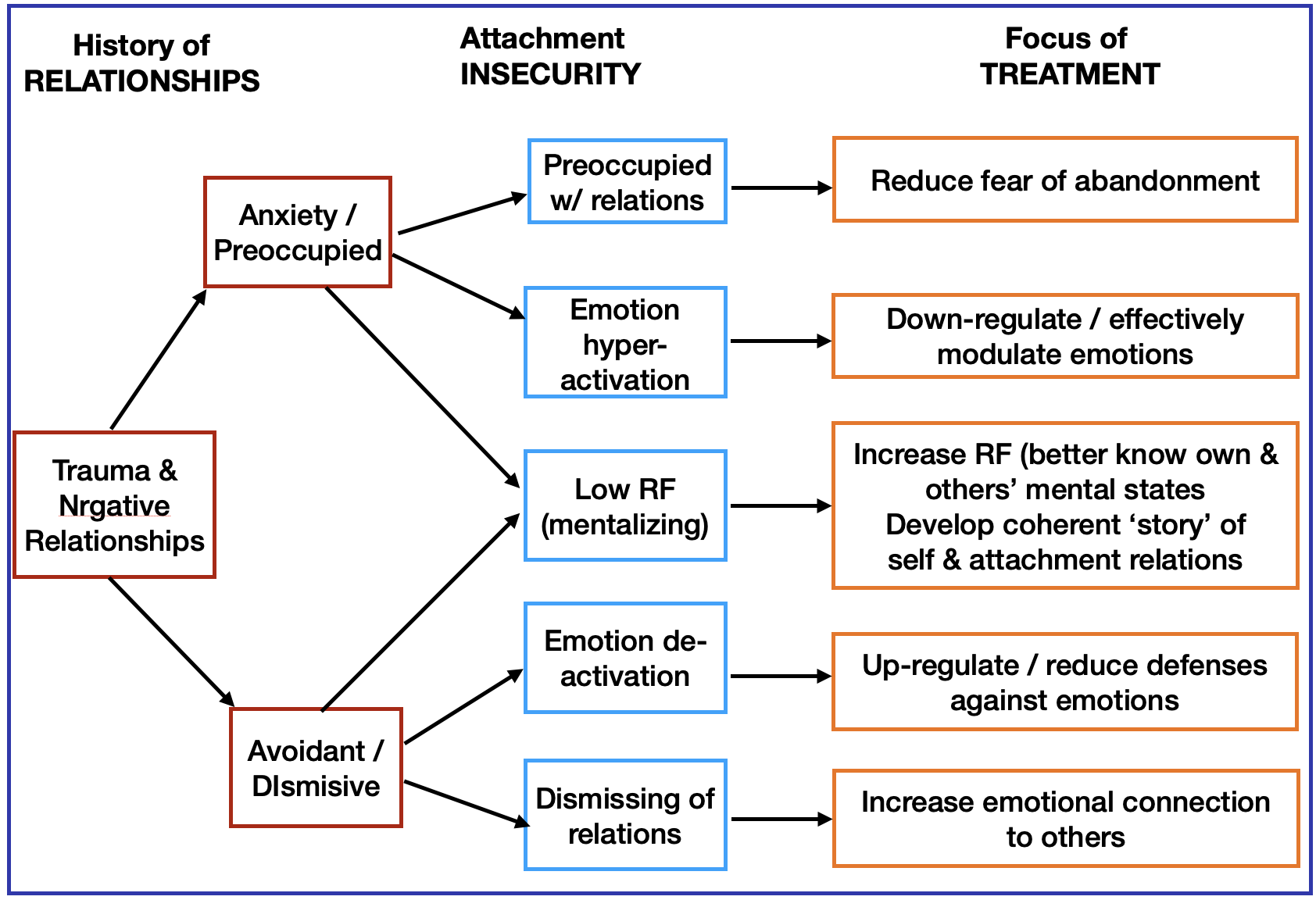
3. AVOIDANT : A child with an avoidant attachment will not be able depend on the caregiver for security, realizing it’s not safe to express its needs, its Trues Self, emotions & opinions….
Adults with unhealed avoidant attachment – prefer being on their own because they developed trouble trusting, committing, connecting, communicating & expressing emotions.
Believing that no one will ever meet their needs, they’re learned to ‘manage’ by not wanting, much less asking. Terrified of being dependent on anyone or anything, they actively eliminate whatever might nourish them, which includes food. They’re perfectionist, denying any form of vulnerability, always needing to be in control, so relaxing their guard & letting go – even a little – is totally unacceptable.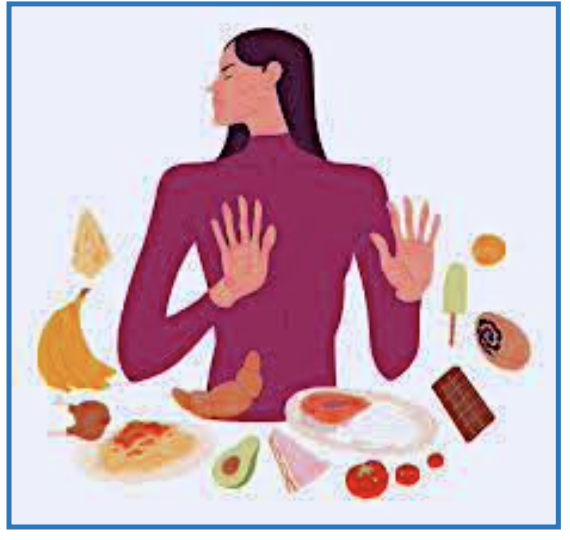
Avoidants eat because they have to, not because they want to – food is not enjoyment. Their mantra is : “I only trust myself & don’t need love. Refusing to take anything in is the best way to cope.”
They believe that depriving themself the pleasure & abundance of food is a way of being in charge of their choices, in order to feel safe. They’re prone to anorexia, keeping anxiety at bay by cutting or restricting calories, often eating the same things, obsessing over scientific diets, beating up the body…..
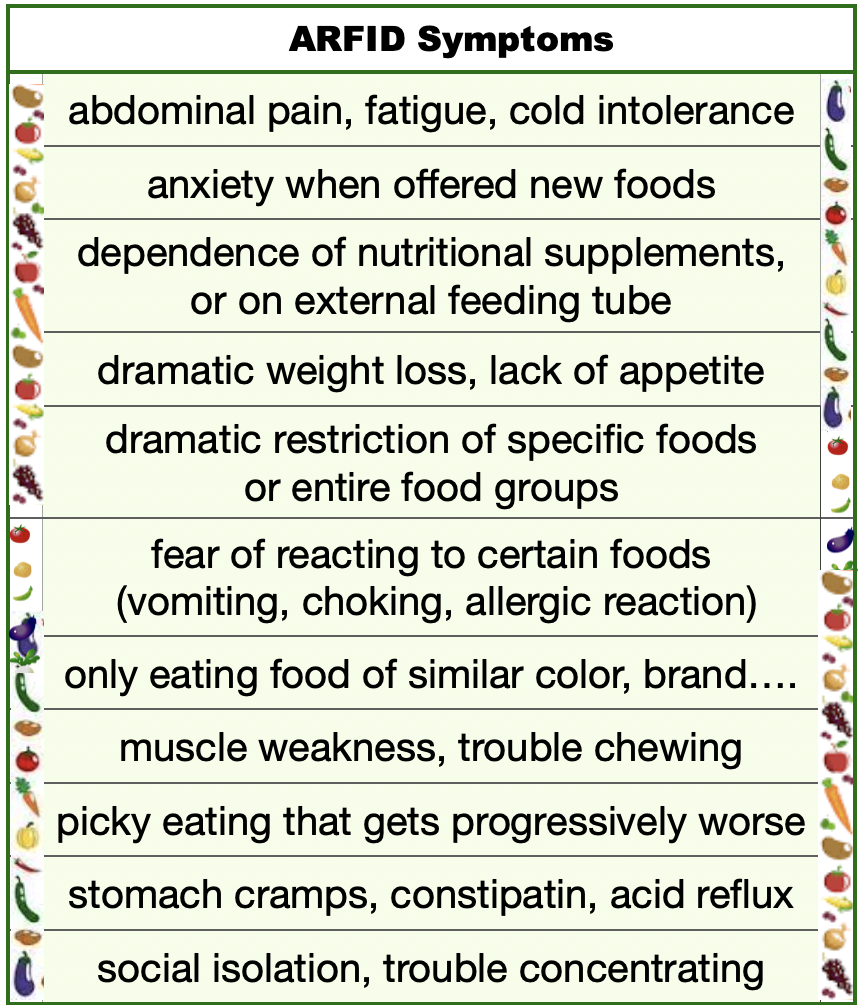 ARFID (See Part 2b) Avoidant/Restrictive Food Intake Disorder (Anorexia)
NOT about body dysmorphia or Weight-gain distress.
3 Types:
🔒Sensory-based = overly sensitive to specific foods
🔒Trauma related = had abusive experiences with food (typical for many ACoAs)
🔒Restrictive = don’t recognize hunger or fullness
RISK factors: autism spectrum, ADHD & other learning disabilities, anxiety disorders
SUGGESTIONS : to heal an avoidant food attachment,
🔆 the main goal is to accept that self-protection & true safely comes from proving as many of our human needs as possible. Self-care = self=nourishment.
🔆 Then slowly create a relationship with food that feels good , as a way to provide the nurture that was missing n childhood. EXP : add more choices to meals & workouts, join cooking classes or learn recipes, get a vegan dessert once a week or do yoga instead of a run. This is not loosing control, but finding ways to consciously choose comfort rather than self-punishment.
💃🏻 🕺🏼 🍏 🍒
4. DISORGANIZED: A child with a disorganized attachment is in a frozen state between anxious & avoidant. They’re in a double bind, feeling the need to avoid the caregiver because he/she is dangerous, yet not wanting to be alone & abandoned.
Adults with unhealed disorganized attachment continue this bind – they long for a connection with someone – while pushing them away. They don’t want to be violated but also not abandoned. Equally, their reaction to eating is also disorganized.
They have a control-rebel, love-hate, love-fear relationship with food. trapped between hungry/not hungry, wanting to eat but afraid to. Disorganized-Ambivalents will binge, feel shame & then punish themself by purging, restricting or overexercising.
Whether they lean more strongly toward the anxiety or avoidance end of the scale can determine the form of unhealthy eating . EXP: anxious = binge-purge, & avoidant = calorie restriction. In either case they’re trying to stifle the pain of being terribly dissatisfied with their body. 
This attachment style is associated with gaslighting & perpetrator bonding. Disorganizeds live in two opposite realities: food is considered a physical violation (boundary invasion) but it’s also needed to survive.
So they gaslight themself into thinking that painful food experiences are good for them. Frustrated, they’ll switch from binging to restriction, chasing an illusion of emotional relief but never safe enough to land on one side.
SUGGESTIONS : To heal a Disorganized-Ambivalent attachment,
🔆 the major task is to balance containment & structure (the body) with pleasure & flow (emotions) .
🔆 A food schedule & structured meals are required, while still allowing for choices & enjoyment. Eat at regular times. Accept that this is a long hard process – but do-able.
🔆 It’s crucial you embrace & heal the fear & negative beliefs, used as gaslighting & self-rejection. Replace fear with acceptance & love.
SITE : 5 Stages of recovery from ED – Pre-Contemplation, Contemplation, Preparation, Action, Maintenance.
«
«
NEXT : Eating Disorder DEFINITIONS
 HEAL & GROW for ACoAs