
 PREVIOUS : Enneagram WINGS (Types 8, 9)
SITEs: ☼ History of Attachment Theory
☼ “What is Somatic Experiencing ?”
ATTACHMENT THEORY can be considered a variation of Object Relations Theory. It tries to understand & clarify people’s emotional connections throughout their lives, first with parents & then with everyone else. Attachment styles may vary & change over time, but we all have a tendency to favor the ‘original’ one.
When positive : the basic idea is that the primary caregiver (an emotionally healthy mother) who is available & responsive to an infant’s needs – allows the child to develop a sense of security. Because she’s dependable, the child will feel safe, & so is comfortable to explore the world.
Attachment styles don’t develop overnight. A few really positive or negative interactions with parent(s) / primary caregiver(s) are unlikely to have a permanent impact.
▪︎ Rather – it’s by repetitive interactions – either frustrating or rewarding – that attachment styles take shape.
In addition to parental behavior, a child’s inborn temperament plays an important role in creating that bond.
According to attachment theory, formative relationships serve as a psychological foundation of personality, from which we develop —
‣ an understanding of how relationships work
‣ what to expect from other people
‣ how safe or “secure” we feel in any relationship

«
Our style can be thought of as the “lens” through which we see ourselves with others. If it’s blurry or cracked, we’ll experience inter-personal interactions -at best- as slightly ‘off’, -at worst- as very distorted.
Children have a built-in drive to seek proximity in order to bond with a primary caretaker (usually the mother). This is a highly adaptive survival strategy that ideally leads to the child’s ability to :
— manage stress
— explore the world without undue fear
— develop a coherent sense of Self in relation to others.
The child’s tie to the mother is called —> ‘attachment’, whereas the mother’s tie to her child is called —-> the ‘care-giving bond’.
Developmental psychologist Mary Ainsworth defined ‘normal’ attachment as “An affectional tie that one person or animal forms between themself & another specific one – that binds them together in physical space, & endures over time.”
It involves a desire for regular contact with that person, & produces 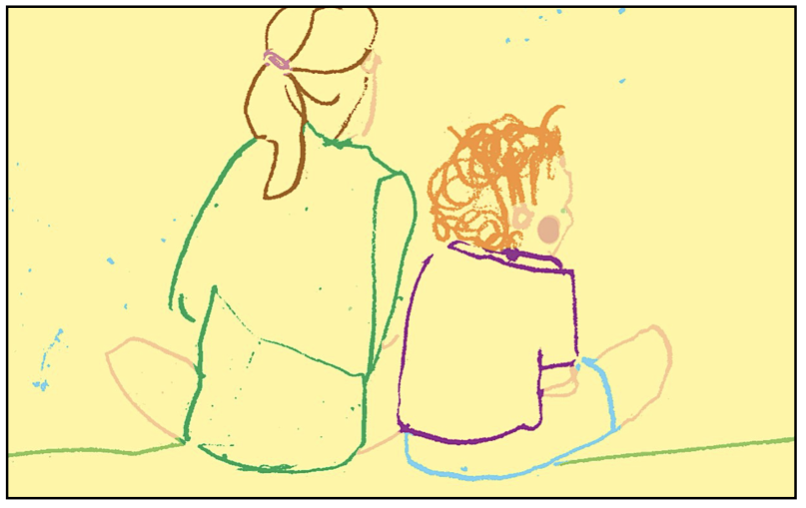 distress when separated from them.
3 Key Propositions of SECURE attachment (Bowlby)
First – When children are raised with the confidence that their primary caregiver will be available to them – they’re less likely to experience fear throughout their life – than those who are raised without such conviction.
Secondly – this confidence is forged during a critical period of development – throughout infancy, childhood & adolescence. The expectations formed in those years tend to remain relatively unchanged for the rest of the person’s life
Finally – these expectations are a direct result of the child’s experiences. Their assumption is that caregivers will continue to be responsive to their needs, because those people (parents….) have been responsive in the past.
4 Distinguishing characteristics of attachment:
Proximity Maintenance – The desire to be near the people we’re attached to
Safe Haven – Returning to the attachment figure for comfort & safety in the face of a fear or threat
Secure Base – The attachment figure acts as a base of security from which the child can explore the surrounding environment
Separation Distress – Anxiety that occurs in the absence of the attachment figure
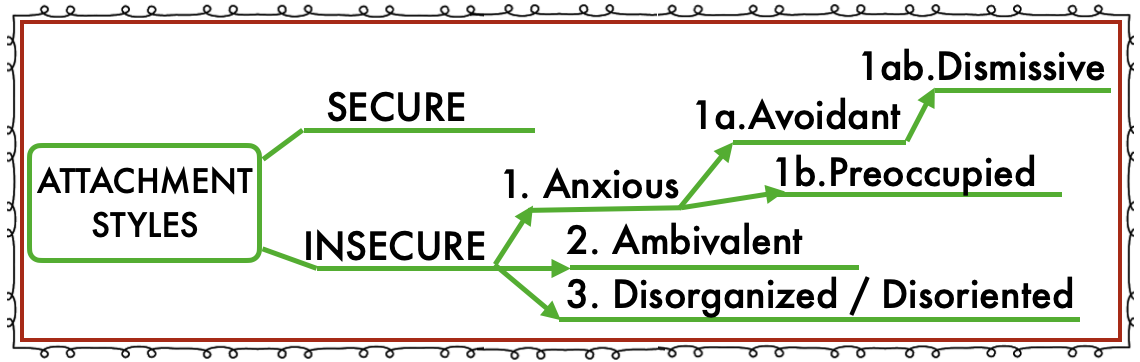
ANS : A combination of inborn differences in the infant, & how they respond to a variety of parental treatment over time
SECURE infants are more likely to have parents who are consistently, appropriately able to attend the child’s needs
EXPs: Feed infant when hungry, rather than on a set schedule
– Cuddle baby at times other than when feeding or changing
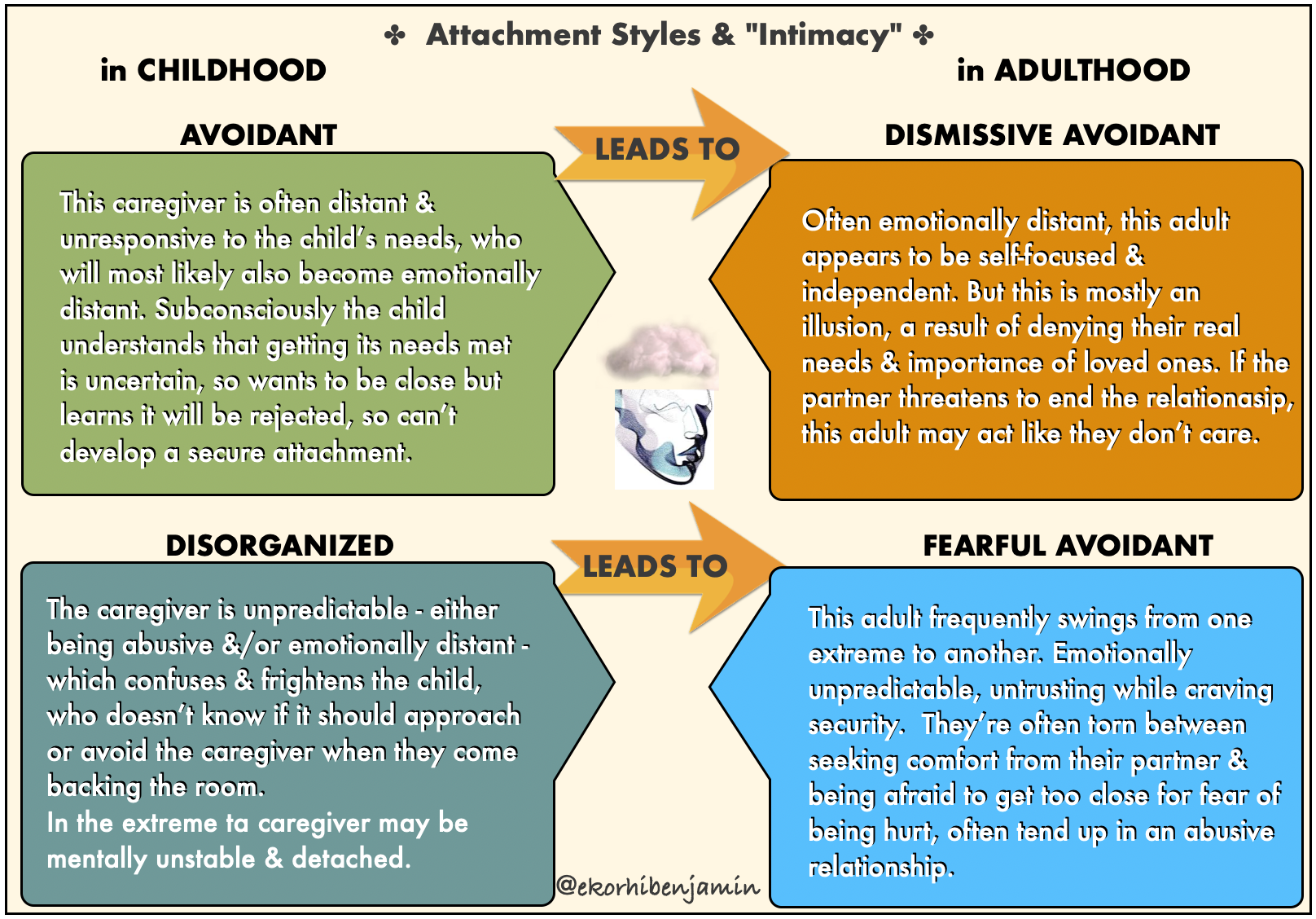
INSECURELY attached – results from the mother (or other caretaker) being less sensitive, less responsive &/or inconsistent
EXPs: Feed infant only when convenient for parent
– Sometimes ignore baby’s cry of hunger
– Avoid physical contact with baby as much as possible, or only to harm it (slap, shake, yell at….)

 NEXT : Attachment INTRO #2
 HEAL & GROW for ACoAs