
PREVIOUS: B Distortion (#3)
SITEs: ‘Healthy vs Unhealthy Parenting’
• ‘Healthy Family Characteristics’ (ACoA website)
Co-dep HUMOR: “I Think I’m Codependent With My Cat – And I wouldn’t have it any other way“ – Jessica Olien, Cartoonist
TRYING TO LEAVE a dysfunctional system
To outgrow Boundary Distortions, we have to detach Emotionally, Mentally & Spiritually (PMES), first from our family of origin (FoO) & then other unhealthy relationships – but not always Physically.
We can love someone, see them & still outgrow our symbiotic way of connecting. For other ACoAs, staying away for a time – or longer – is the only way to have the space to develop our True Self.
Detachment includes letting the addicts AND the non-addicts experience the consequences of their choices, instead of taking responsibility for them. It’s a core requirement for Recovery. Redirecting focus away from their self-destructive or victim drama will allow us the opportunity to develop self-care. But it’s difficult & comes with a price!
In “GAMES PEOPLE PLAY”, Eric Berne warns that when one person in a symbiotic / addictive relationship chooses to end a psychological ‘game’ before the other person is ready to disengage – the latter will become highly agitated, demanding, clinging, enraged, even suicidal (See 4 of the games).
DEF: “Games are a series of complementary ulterior transactions progressing to a well-defined, predictable outcome”
• Many ACoAs have shared about their active addict or depressed co-dependent parent committing suicide once the adult-child withdraws from the family drama, rather than be left alone with their loss.
Unless someone is physically in terrible pain & dying, the reason for suicide is almost always the person’s rage at others for abandoning them, as a punishment. Yes, the person is depressed, affected by chemicals, isolating, not getting any help… but their narcissism has them blaming everyone else for their misery, & it’s often their children!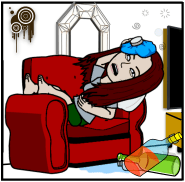
A Favorite Game, with “Alcoholic” in the lead Role
b. Persecutor : most often the mate, but can be a sibling or another adult in the house (usually the opposite gender). Their assignment is to judge, list & criticize all the Alcoholic’s disgusting behaviors
c. Rescuer : often the same gender – may be a doctor or psychiatrist, uneducated in the ritual of alcohol’ism. They congratulate each other that the Alcoholic’s been sober for 6 months, who then wakes up the next morning with a terrible hangover
d. Patsy : often the Alcoholic’s mother, who sympathizes with the addict, providing money or booze, while blaming the Persecutor for not understanding their stressors
e. Connection : any professional, like a bartender, who understands the language of alcoholics, supplying them with liquor for a while, but knows when to stop ‘playing’
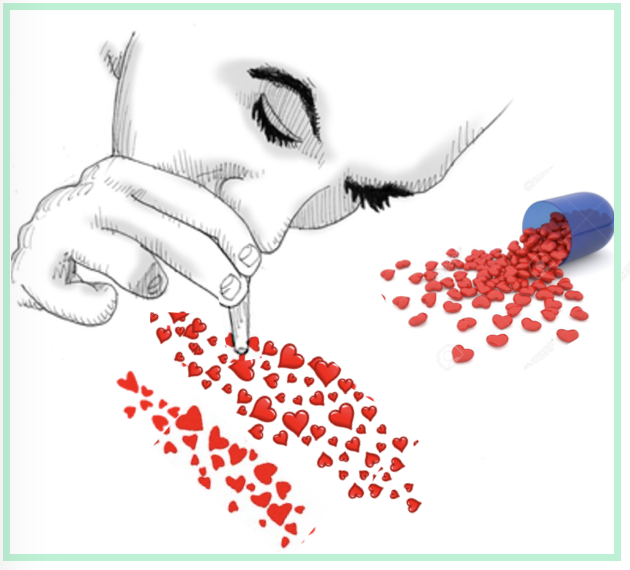 In “LOVE & ADDICTION”, Stanton Peele (videos) says about Relationship Addicts:
“….they are people who never learned to deal with their world, who look for stability & reassurance through some repeated, ritualized activity. The addict’s lack of internal stability or purpose creates the need for programed escape….
The love-object is their drug. Attaching to another person (anxious, preoccupied style) gives them an artificial sense of safety, which eliminates the small motivation they may have had for complicated or difficult tasks (like Recovery). When there’s an interruption of the addict’s supply, a major feature of the addiction cycle is withdrawal in anguished reaction
• Yes, we can become addicted to another person just as much as to a physical substance. We can tell this because when we’re without our ‘drug’, temporarily or from a break-up – we experience many of the same cold-turkey symptoms others do when detoxing from a chemical :
—> anxiety & panic attacks, listlessness, physical aches & pains, sleeplessness, trouble focusing thoughts…. with feeling despair, S-H, hopelessness, terror & rage.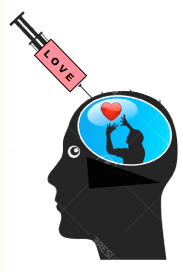
• In relationships based on symbiotic attachment – each person is overly dependent on the other for their sense of identity & safety. SO if one of them needs to get away for their psychic survival, the other will be deeply threatened. Whether it’s adult-children & their parents, or love partnerships, amicable separations are rare.
Often the only way will be through an explosion – fights, yelling, threats, stalking, harassing texts & calls, even violence….
As ACoAs, to grow, we have to brace ourselves for feeling guilt & anxiety when detaching because it’s breaking toxic family rules. Don’t let those emotions stop you from continuing to S & I, which is what’s needed to become free & empowered.
NEXT: Detaching with Boundaries (#2)
 HEAL & GROW for ACoAs