
 PREVIOUS : Grief (De-Di)
SITEs:
“Climate Grief”
“Ecological Sorrow – Types of Grief& Loss” Paper fromHelsinki, Finland
ECOLOGICAL
For many people, this is a reaction to losses in our planet’s environment – about animals & plants that have become extinct, are severely diminished & endangered, being neglected or mistreated. It is the deep concern & sadness that comes from learning about environmental & human destruction (mining, deforestation….), the loss of bio-diversity, earthquakes, or the effects of climate changes.
Current observations are reminders of historic heritage locations threatened by past climate crises, such as the ancient cities of Venice, Amsterdam, and Hoi Aen .
Coined Solastalgia – it’s a form of emotional or existential distress caused by ‘negatively perceived’ environmental change. The “homesickness you have when you’re still at home” because your home environment is changing in ways you find distressing & feel powerless to correct.
EXP : Eco-grief can be seen in indigenous communities losing their livelihoods because of ice-melt & in young people feeling betrayed from lack of environmental action by governments.
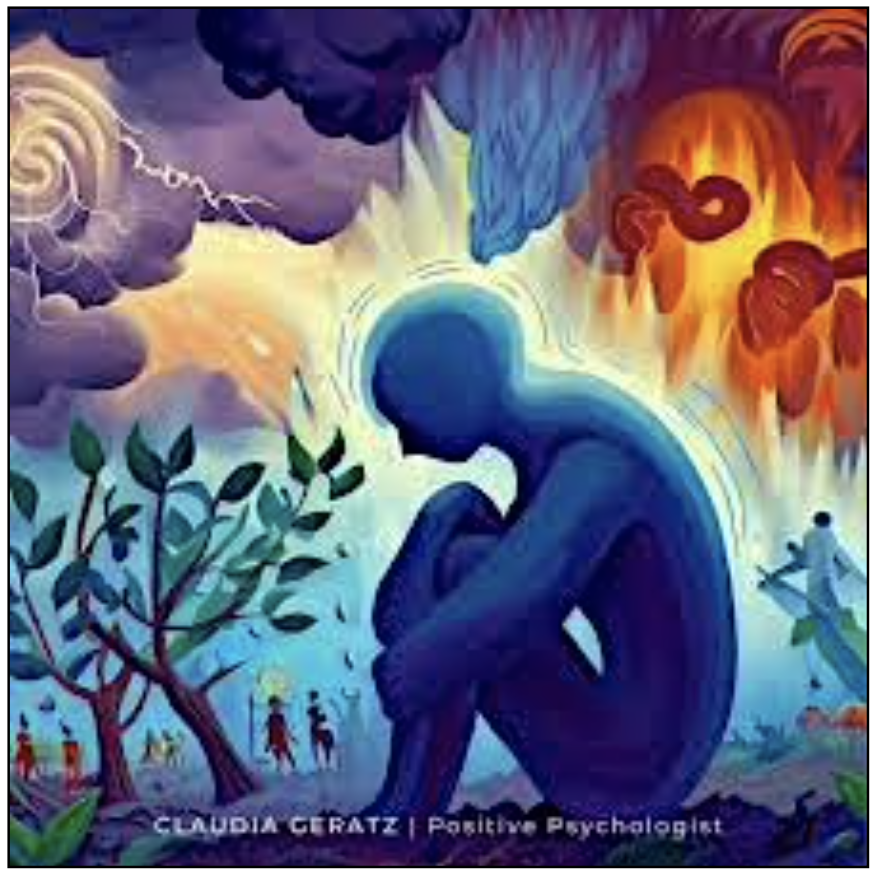 This grief has been noted for many years, including by authors in the field of eco-psychology. Western poet G.H. Hopkins wrote a lament about the felling of trees in “Binsey Poplars”. Scientists studying the decline of Australia’s Great Barrier Reef reported feeling anxiety, hopelessness & despair.
And ‘eco-anxiety or despair’ – is the worry for or concern about what may happen in the future to our habitat (“PRE-traumatic stress”, rather than psychological POST-traumatic stress).
Uncertainty breeds anxiety, and grieving ambiguous ecological losses can complicate eco-anxiety in a kind of vicious circle. Evidence can be so powerful that it threatens to shatter people’s fundamental beliefs about the world & themself. And severe cases of devastation can have a negative mental health impact on some. Others have reported so much anxiety about future climate change that they’ve chosen to not have children.
One way to combat eco-anxiety is through beliefs about the effectiveness of personal actions. When people learn how their they can impact the environment, they report less fear of climate change. They begin making more sustainable choices, so feeling helpless can be modified by their efficacy. Taking actions reduces anxiety by bringing a sense of personal empowerment, & a feeling of connection by working with others in their community.
EXAGGERATED
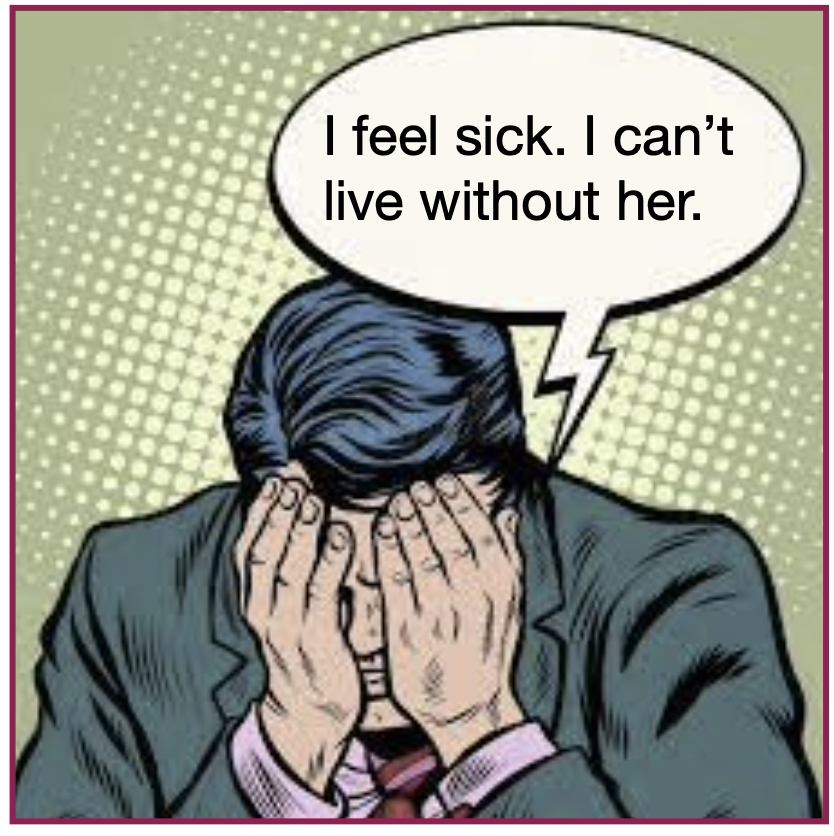 Its formal mental health diagnosis is “Persistent Complex Bereavement Disorder”(PCBD), if suffering is experienced every day for at least six months post-loss. It’s very painful, with
being incapacitated in terms of daily functioning, rather than getting some symptom relief over time.
This is an overwhelming intensification of normal grief reactions which may worsen over time. It can include nightmares, self-destructive behaviors, drug abuse, suicidal thoughts, abnormal fears, PTSD, & the development or emergence of psychiatric disorders.
The bereaved person is not ready to process their thoughts & emotions from fear of losing connection with the deceased. They may also feel guilty about processing the loss & letting themself adjusting to a new-normal, as if that was somehow disloyal.
INHIBITED
 Similar to Absent grief, the bereaved shows no outward signs of the loss for an extended period. They prevent the feeling from becoming conscious, so they can’t move through the stages of grief. Eventually this suppression can lead to very real body & mind problems.
A quote: “…. you display physical ailments instead of grief”.
Irony: When you restrain your grief, it has nowhere to go. You won’t be able to move beyond the trauma because you’ve suppressed all that pain. But actually – it has to go somewhere – so “The Body Keeps the Score” (Brain, Mind, and Body in the Healing of Trauma) . EXP – internally : anxiety, depression, lack of appetite & digestive problems, insomnia & nightmares….
Inhibited grief has some similarity to Delayed grief, which is not from a decision but a temporary protection for when the bereaved eventually can deal with the pain. The difference with Inhibited is that in this case you are choosing to ignore your loss, & that can go & on, ruining the rest of your life.
NEXT : Grief ( —)
 HEAL & GROW for ACoAs