
 PREVIOUS : SAFETY for Couples, #2
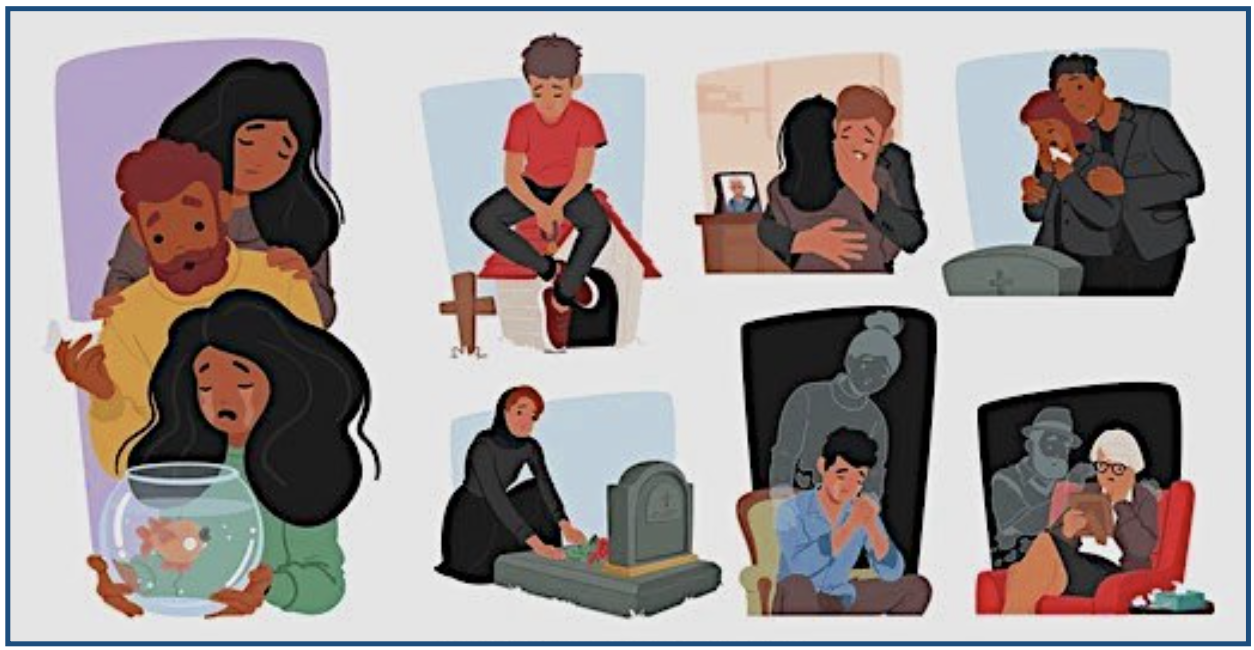
SITE : “In Grief – When Tears Won’t Come” (Grief Healing Blog)
♥ Send the GIFT of SOUPs ♥
QUOTE : “Grief cannot and should not, be fixed. . . Grief is not a medical disorder to be cured. Grief is not a spiritual crisis to be resolved. Grief is not a social woe to be addressed. Grief is, simply, a matter of the heart – to be felt” ∼ ∼ Joanne Cacciatore
DEF: Grief is the acute emotional reactions to loss, in the form of bereavement & mourning, which can include despair, regret & guilt. It’s complicated, confusing, frustrating & messy. But it is also a normal & important part of life.
Grief involves coping with loss. Most think that it only hits us in the painful period following the death of a loved one. But grief can ride along with any event that disrupts or challenges our sense of normalcy, or of ourselves. This includes the loss of connections that have been defining us.
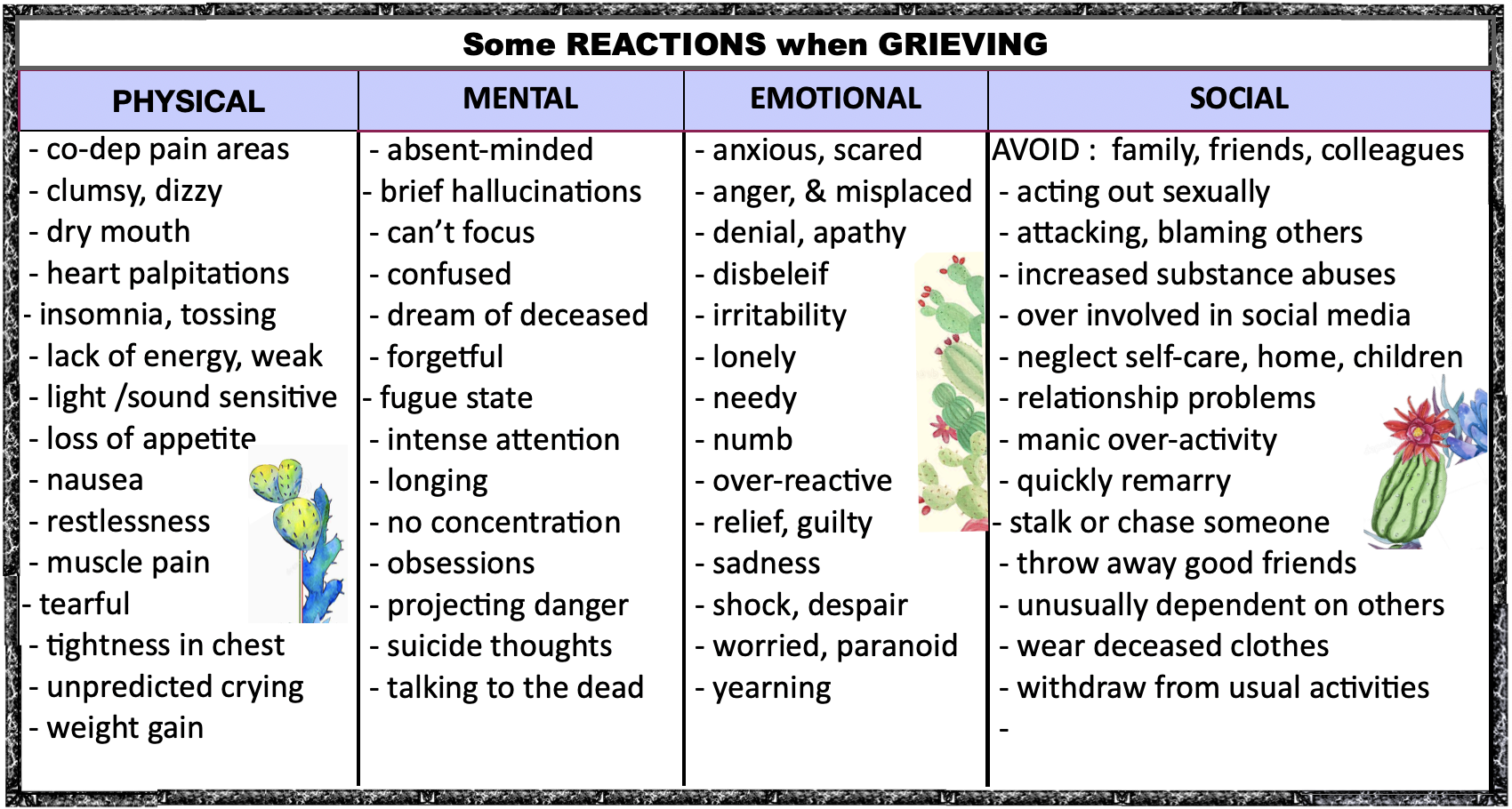
Grief triggers the entire spectrum of emotions — from sadness to anger to joy. Mourners often describe them as “coming in waves,” washing over you without warning. One minute you feel like you’re back to normal, & the next you’re surprised by a flood of tears. And sometimes you feel detached, as if on autopilot.
Interesting : A pioneering study about how long various emotions can be felt when triggered, identified ——> being Ashamed or Disgusted lasts about (30 min), Bored (about 2 hrs), Guilt (3.5 hrs), but Sadness outlasts them all (up to 120 hours!) The next longest was Anger, about 60 hrs.!
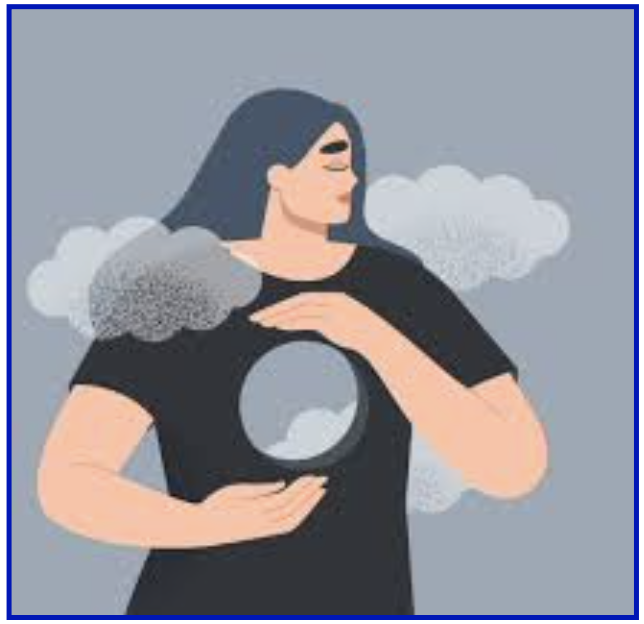 SECONDARY Grief : This is when an original loss affects several areas of your life – not automatically obvious. The hole in the heart can leak out pain to contaminate many other thing we used to depend on to feel safe.
The easiest problems to identify are often the loss of concrete things – money, property, work….. But one that may be harder to realize at first is a loss of identity – which will have a major impact. It can come from a change in how one defines oneself, as well as a loss of specific roles one used to have before the original death.
Secondary losses unfold over time. Some you’ll be acutely aware of immediately after, & some will be noticed as the weeks, months, & years go by. Gently keeping track of all those other endings can help to be compassionate & patient with your human-ness when getting caught by another stab of pain you thought had been put to rest. The jumble of feelings are a normal part of grief, so they need to be addressed & mourned.
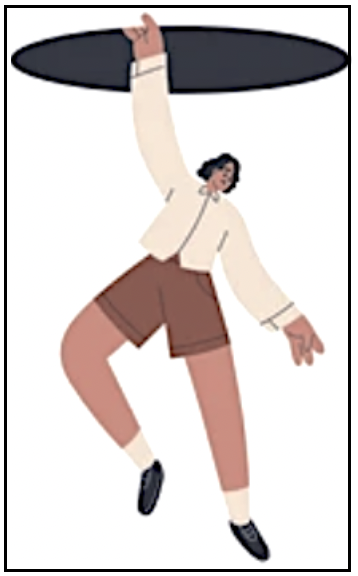 Everyone experiences the loss of someone or something precious at some point in their life. There’s nothing more devastating than grief, but one of the worst things is to ignore the pain. We can’t afford to push it away – we need to find ways to deal with it so we can still have a positive & useful life.
Grieving can be worked through. It’s important to allow ourself to plow into or sneak through the various stages, so the more we acknowledge the pain & consistently use Recovery ‘tools’, the faster we can feel better.
Also – Some people believe that once they work through the initial grief, they should never feel sad or struggle again. So the temptation is to dismiss reignited old feelings of grief, to avoid or ignore them altogether. The reality is that even though we heal, the memories & pain can come rushing back the we least expect it if something reminds us of what happened – even many yrs later.
«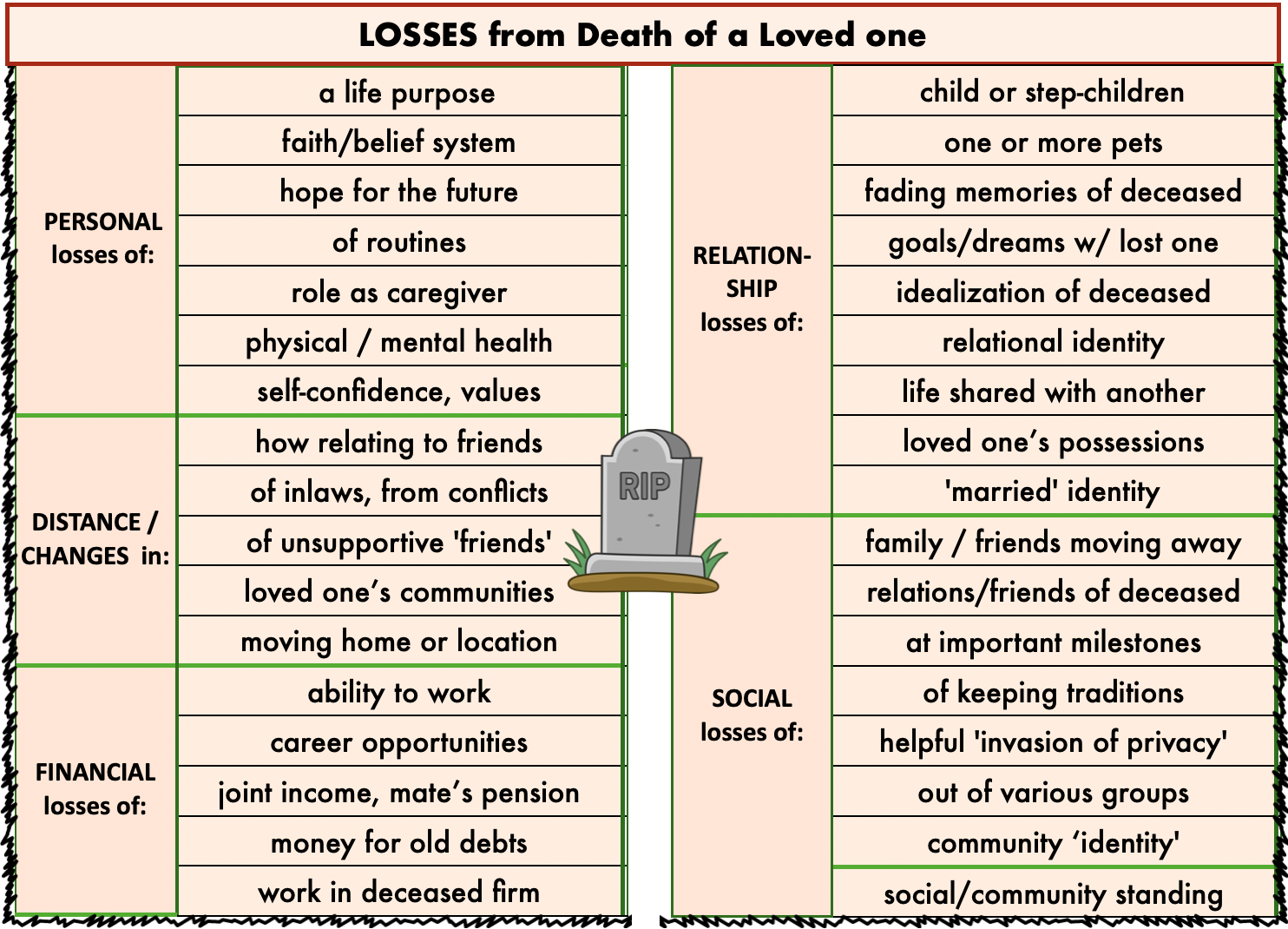
« EXPANDED info re. “Personal losses”
▪︎ Distance/loss of family relationships due to conflicts re. the death
▪︎ Distance/loss from people connected to the person who died (school community of a child, support system of a parent’s assisted living or nursing home, co-workers of a spouse)
▪︎ Loss of life’s purpose (no longer a parent, a caregiver, mentor….)
▪︎ Loss of faith/belief system (especially if combined with a loss of a support from church or faith community)
▪︎ Loss of relational identity (no longer a husband, wife, parent, sibling, grandparent….)
▪︎ The pain of watching others grieve the loss (children, parents)
«
«
NEXT : Grief TYPES, Ab- An
 HEAL & GROW for ACoAs