
 PREVIOUS : Spiritually Based Healing (#3a)
3. HEALING, RECOVERY (cont)
Loma Linda University Health discovered that we can reduce our risk for depression & anxiety through positive religious practice.
The research team found that direct health benefits are living longer, lower blood pressure, & lowering the risk for depression and anxiety.
It’s helpful to know is that there are two different types of “religiosity” – extrinsic and intrinsic. Numerous studies relate each to a variety of fundamental topics such as coping styles, guilt, fear of death, narcissism, many types of religious experiences, cognitive processes, & forms of prejudice.
☆ Intrinsic religiosity focuses on others, rather than on ourself, & is beneficial to our health. As an end in itself, it was Allport’s view of mature religion, characterized by a lack of prejudiced.
 Such practitioners ask : “How can I help someone else have a great day today?” and then take appropriate action where possible.
Also : What benefits can I find in my hard times & crises? What are possible good outcomes? ”
They ask: What support can I seek from God when faced with life’s troubles ? In very stressful times, when Saul was trying to kill young David, he was comforted by his faith: “The Lord is a refuge for the oppressed, a stronghold in times of trouble.”’ Ps 9:9
“I waited patiently for the Lord. He turned to me & heard my cry.” Ps 40:1
★ Extrinsic religiosity is doing religious things because the person thinks they’ll get something out of it. Their ‘beliefs’ are lightly held, or selectively shaped to fit basic human rather than spiritual needs. Such people may pray in order to relieve their own suffering, claiming ‘beliefs’ they use to form or maintain social networks, while barely adhering to the teachings of that religion..
☁︎ Gordon Allport’s studies found that extrinsic religiosity typically correlates with prejudice & dysfunctional psychological constructs (mental ideas such as beauty, love, happiness, justice….)
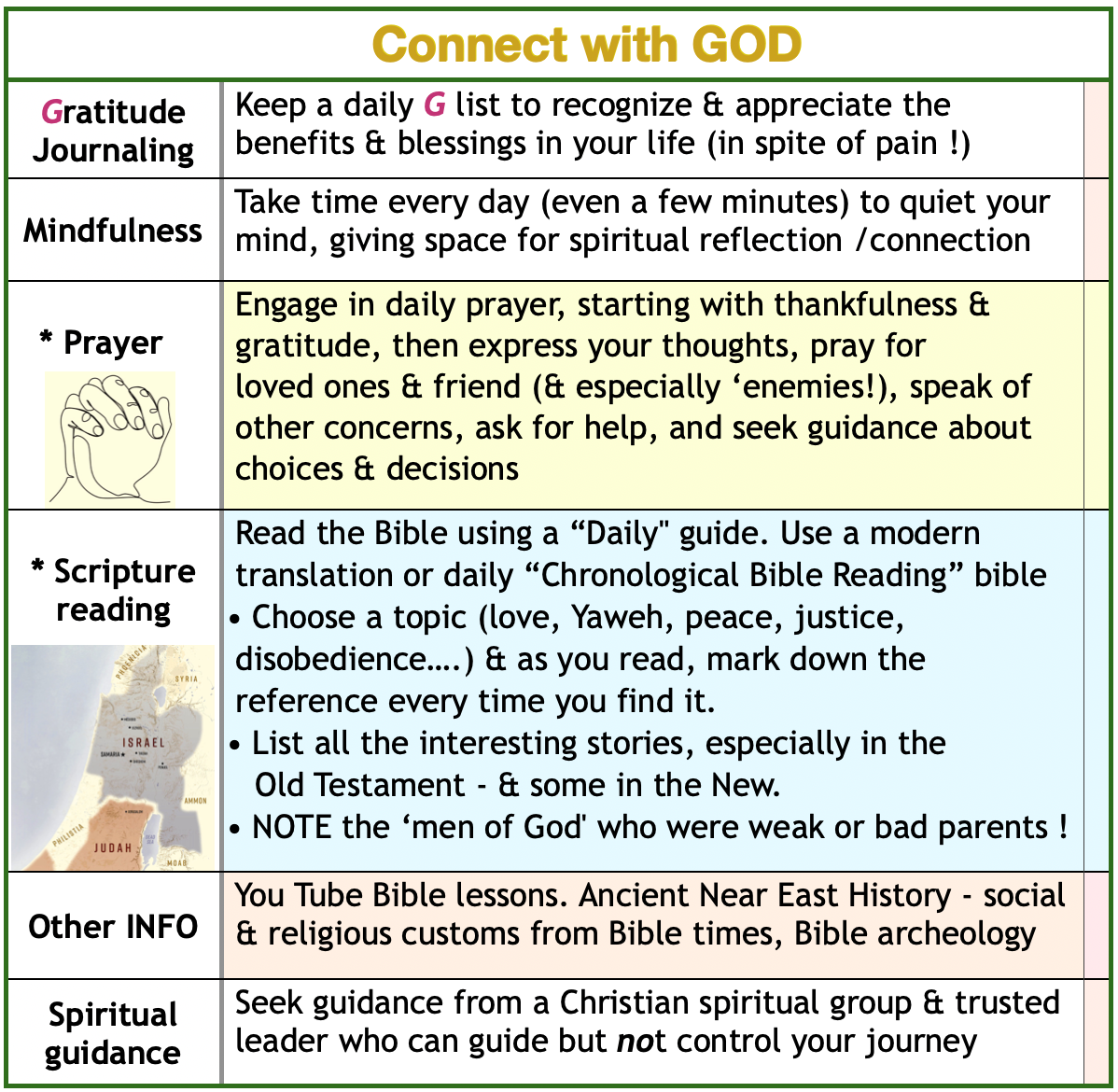
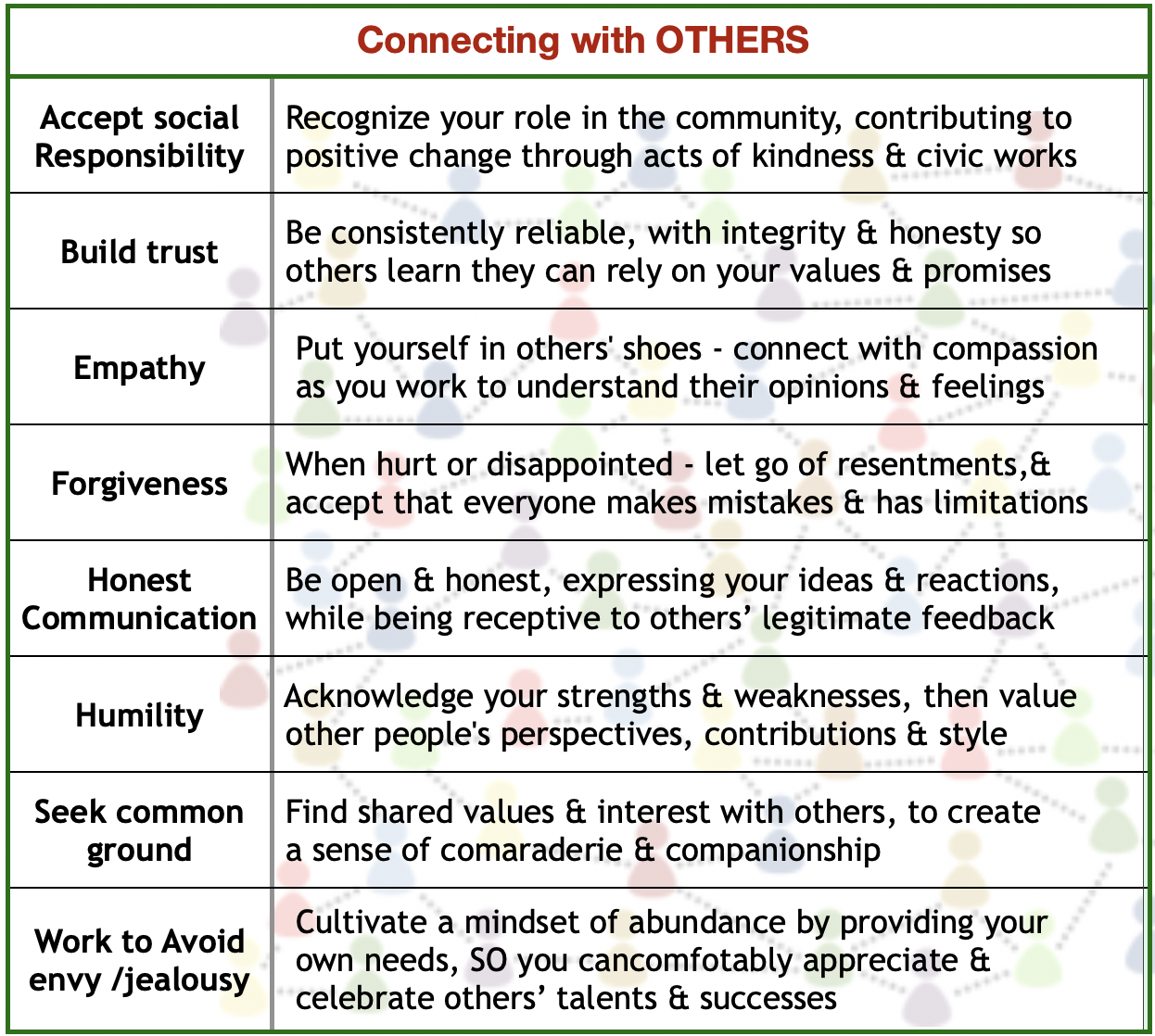
Addressing spiritual depression often requires a holistic approach – combining psychological, emotional, & spiritual support – to find meaning & purpose. According to a 2018 studyTrusted Source, there are 4 main indicators & strategies for spiritual health that foster a connection with Inner peace & outer joyfulness, countering spiritual depression.
🔗 A connection with God involves: recognizing & loving the divine, placing trust & hope in God & expressing gratitude for blessings
«
«
🔗 Fostering a connection with oneself forms the basis for positive traits, such as: self-esteem, a sense of purpose, increased empowerment & hope «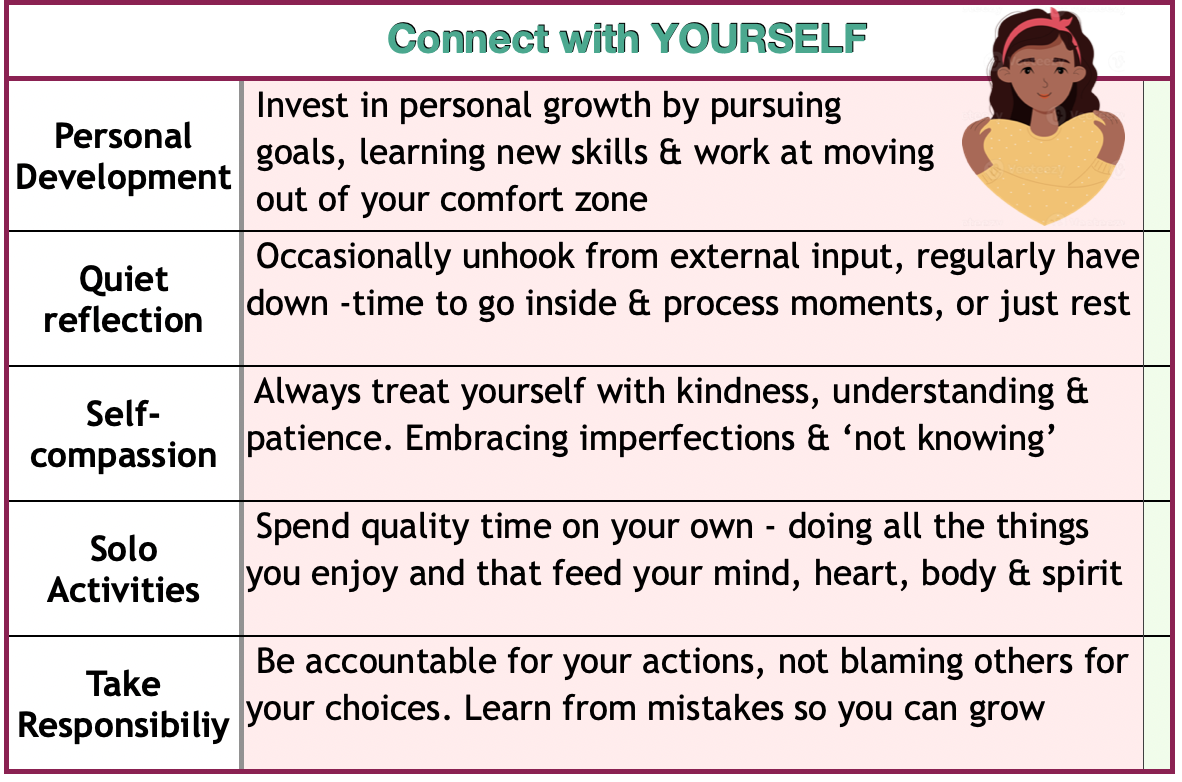
«
🔗 Connecting with others involves: accepting social responsibility, practicing honesty & compassion, fostering relationships devoid of jealousy, rooted in generosity& humility
«
«
🔗 Spiritual health also includes nurturing an interest in nature, with a respect for the delicate balance of the natural world
«
«
NEXT : MBTI –
 HEAL & GROW for ACoAs