
 PREVIOUS : How to STOP LYING (#1)
SITE : about “Radical Honesty
1. DECIDING to stop
2. MAKING a Plan
a. Identify your triggers. To stick to your goal, it’s imperative to identify the People, Places & Things (PPT) that trigger you so you to avoid telling the truth. As they become clearer, you can either avoid situations that scare or anger you, or find better ways to deal with them.
☞ Do you tend to lie when feeling anxious about a task to project, to temporarily ease that emotion?
☞ Do you lie to specific people? Your mate, so they won’t leave, parents or children so they won’t be disappointed, bosses to not get fired?…..
b. Learn to face consequences. At some point, telling the truth will put you in a situation you’ve always wanted to avoid by lying. In ‘recovery’ you’ll have to own up to the times you didn’t follow the rules, admit you’re unemployed, didn’t get the part you auditioned for, or tell someone you are not actually interested in a relationship…..
Facing your uncomfortable emotions & consequences from others – is still truly better than lying because it strengthens your character & builds trust with other people.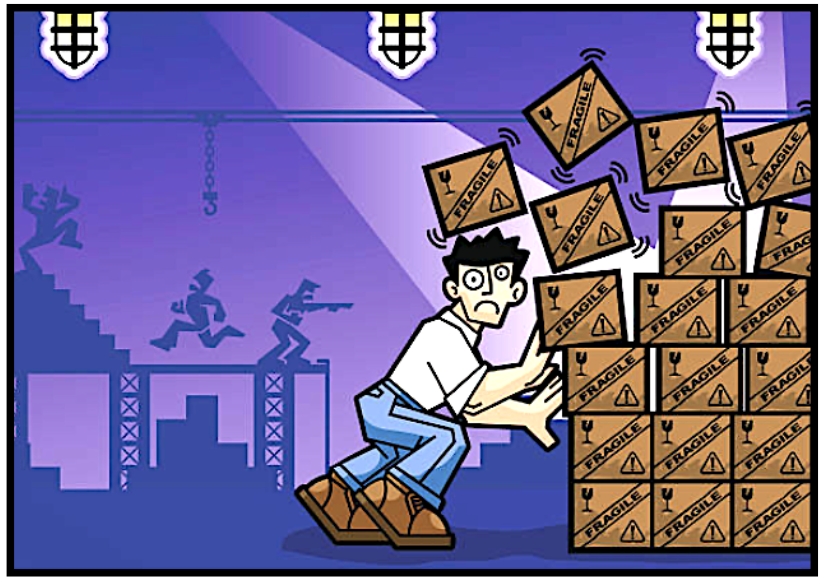
• Be prepared for other people’s reactions. Maybe someone hearing the truth will make a negative comment or do something you don’t like. Even so, you can be proud of yourself for being honest, & that you’re handling problems with strength instead of the easy way out.
• Work on building trust with anyone who may not believe you at first. It may take a while before they’re sure about you, so keep working at it. Repairing damaged relationships is not magic. The next time you tell a lie to that person, you’ll are back at square one.
c. If you can’t say something true, don’t say anything at all. When faced with a trigger & you simply can’t be honest in the moment, it’s better to be quiet or change the subject. You are not required to respond to questions you don’t want to answer, or reveal information that’s private.
• If someone asks you a question directly you’re not ready to answer truthfully, it’s legitimate to tell them you’d rather not answer. It may feel a little awkward, but it’s still better than lying (OR over-explaining!). 
• Avoid situations that have typically stir up the need to look good or important by lying – such as in group conversations where everyone brags about their accomplishments.
• Pay attention to physical ‘tells’ indicating you’re about to tell a lie. You might look down instead of at the person, feel your heart beating faster, or that you’re sweating a little. As soon as you notice, get yourself out of the situation so you won’t ‘have to’ lie.
d. Actively Practice telling the truth. If you’ve been lying more often than not, telling the truth really does take practice. The key is to think before you speak, taking an extra second or so to decide if you can say something that’s truthful. It doesn’t have to be special, important or interesting. Just real! Remember, if you’re asked a question you can’t answer honestly, don’t answer, or deflect. The more you practice, it can become your ‘new norm’….
• Try practicing with strangers, or in an online forum. Telling the truth to people you don’t have a relationship can be freeing, since there are (usually) no consequences. 
• With people you do know, practice by talking about neutral subjects you feel confident discussing. Offer genuine opinions about anything, give basic information about your weekend plans , or what you had for breakfast.
• If you have trouble talking about yourself – discuss the news, sports, philosophy, business ideas, a recipe you love, a favorite to band or show you want to see, your pet….. The point is to practice, practice, practice – saying things that are true.
NEXT : How to STOP LYING (#3)
 HEAL & GROW for ACoAs