
 PREVIOUS : Dismissive Attachment
SITE: “How men confuse Sexual attraction with Emotional Connection”
REVIEW
♥️ SECURE attachment provides stability, satisfaction, self-disclosure, trust, support, & other intimate behaviors
♠️ Insecure attachment has negative outcomes, such as less frequent & less satisfying sex, & more negative emotions during sex
♦︎Anxious attachment causes with personal dissatisfaction, relationship conflict, obsessive-passionate ‘love’ but also a high breakup rate, being demanding of one’s partner, an inappropriate level of self-disclosure, holding dysfunctional beliefs (cognitive distortions), & extreme jealousy.
♦︎ Avoidant or dismissing attachment is associated with a lower level of intimacy & self-disclosure, higher breakup rate, so a decreased likelihood of falling in love & remaining committed. Such people are attracted to partners with traits they themself have repressed or disowned.
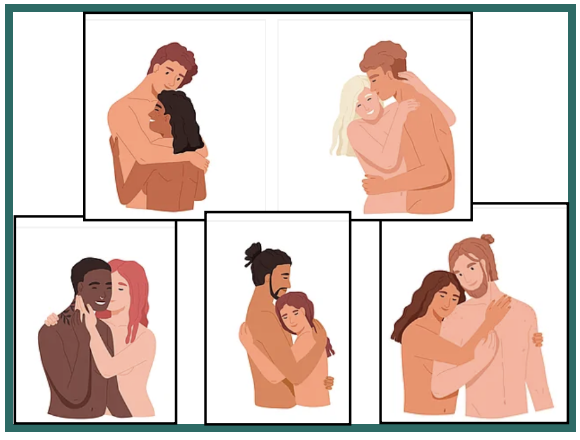
 🔴 Attachment & sexual dynamics is not the same in men & women, since they view sexuality somewhat differently.
♀︎ Women tend to have an emotional-interpersonal orientation to sexuality, associating sex with romantic involvement, & being nurturing in sexual situations.
‘Secure’ women have lower scores on socio-sexuality & less approval of casual sex, relative to women of other types.
♂︎ Men, by comparison, tend to have an individualistic-recreational orientation, so are more likely to link sex with physical gratification & want sexual variety.
Based on Attachment theory,
☁︎ Insecure relationships often have unhappy outcomes such as less frequent & less satisfying sex, & more painful emotions during & after sex. Although attachment insecurities take their toll on both men & women’s sex life, women usually pay a heavier price in terms of sexual functioning.
ANXIOUSLY-PREOCCUPIED attached men & women cope differently with their fear when it comes to sex.
♣︎ Females have higher scores on unrestricted socio-sexuality tests, & are more accepting of sex in casual relationships than women with any other style. They may be tempted to cheat with other lovers for reassurance since having sex to ‘fix’ insecurity is unsuccessful.
NOTE : Both Preoccupied & Avoidant women can suffer from sexual dysfunctions, such as trouble lubricating, reaching orgasm &/or having painful intercourse, decreasing their overall sexual satisfaction.
 This is not surprising since women’s sexual functioning is much more likely to be influenced by the kind of relationship they’re in, which for Insecures is likely to be disturbing & unhappy, & therefore more harmful to their sex life. ↗️ (Anxiety, Sexual Function & Genital Issues — for both men & women)
♥︎ Males may also worry too much about their attractiveness & performance, & their neediness makes it hard for a partner to feel loved by them. The traditional male gender role as the sexual initiator makes them more vulnerable than women to experience rejection, leading more easily to depression, S-H & hopelessness.
Being insecure about the love of their partner, & anxiety about potential loss – intensifies their tendency to please the current partner. To reduce the likelihood of rejection, Anxious men will invest money & time in the ongoing relationship, rather than initiate sex with new partners.
They start having sex at an older age, & are less likely to approve of casual sex or to cheat, preventing them from using sex to bolster their self-worth. As a result, they report having fewer sex partners.
DISMISSIVE-AVOIDANT people seem to have a disconnect between sex & attachment, with trouble establishing & maintaining attachment bonds. This orientation is associated with a more permissive attitude toward sex — for men, but not in women. These men have higher scores on socio-sexuality & are more accepting of sex in casual relationships than any other attachment type.
 Avoidants don’t like to show affection or respond to a partner’s needs. Sex, therefore, is more transactional** for women, without real emotional intimacy, serving personal needs such as stress-reduction. So they may engage in more one-night stands or affairs.
** “a non-marital, non-commercial sexual relationship (not prostitution), motivated by an implicit assumption that sex will be exchanged for material support or other benefits.”
Both avoidant men and women are emotionally disengaged from their partners. But this pattern is more marked for men, possibly because blindness to their partners’ wishes is part of gender role norms that encourage men to value sexual conquest rather than closeness, but this can be modified by the women’s nurturing tendencies.
NEXT : Sexuality & PORN
 HEAL & GROW for ACoAs