
 PREVIOUS : SIGNS – being a Target, #A
SITE : “Embracing Bitterness: The Benefits of Resentment”
CHARACTERISTICS
Resentment may prevent PTSD but also propels alienation & aggression.
The term originates from the Latin “ressentire,” meaning “to feel again,” which clearly describes the rehashing of past grievances that fuel resentments any time they surface.
Unlike anger, which wants to be expressed immediately, resentment is often hidden – a passive form of defiance bubbling underneath, unexpressed yet intense.
It’s the brain’s own personal theater of misery, where the same painful scene plays on repeat. This can lead to a distorted view of reality, where we see slights & injustices lurking around every corner.
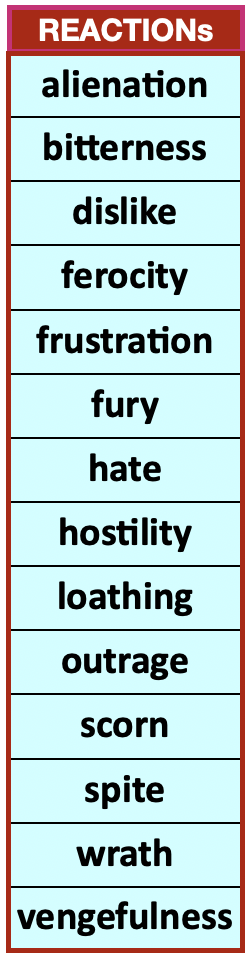 ➡️ Some emotional effects of resentment – each carrying its own weight.
Of the various feelings available, resentment is especially intriguing because of its secretive quality, its connection to violent acts & trauma, & its large role in interpersonal relationships. Unlike emotions that show on our face & with body positions, resentment doesn’t have a universal signature expression, making it harder to detect, & therefore more dangerous, especially when it motivates overt abuse & revenge.
As adults, this silence comes from a belief that expressing needs & feelings is unacceptable. Sometimes this is true, but if dealing with healthier people, the fear is a projection of our own judgments (S-H and FoA) and from still believing the toxic rules of the dysfunctional family.
Neurobiology has been instrumental in uncovering the roots of traumatization, its resolution, & its prevention. Resentment involves complex neurological processes linked to emotional regulation, memory, social cognition, & a potent cocktail of emotions that include frustration, envy, even a perverse sense of satisfaction in our own suffering.
It’s a reaction of our nervous system to being stressed for a long time – as Fight, Flight, Freeze or Fawn. If we don’t know how to access Rest & Digest– we end up exhausted & burnt out.
 Brain Regions involved in Resentment
🌱 Amygdala: Plays a key role in processing emotions, particularly fear & anger
🌱 Prefrontal Cortex: Involved in decision-making & impulse control. Helps to regulate emotional responses which can lighten resentment
🌱 Hippocampus: Important for memory formation – contributing to remembering old grievances, since we’re wired to remember negative experiences more vividly than positive ones.
ADAPTIVE use for Resentment
Surprisingly, resentment seems to play a crucial part in helping the brain avoid the depths of despair that can lead to PTSD. It acts as a psychological safeguard offering a useful perspective on trauma recovery – since the ability to feel resentful is deeply embedded in our psyche, linked to many stressful experiences of helplessness, injustice, oppression, & unfairness. 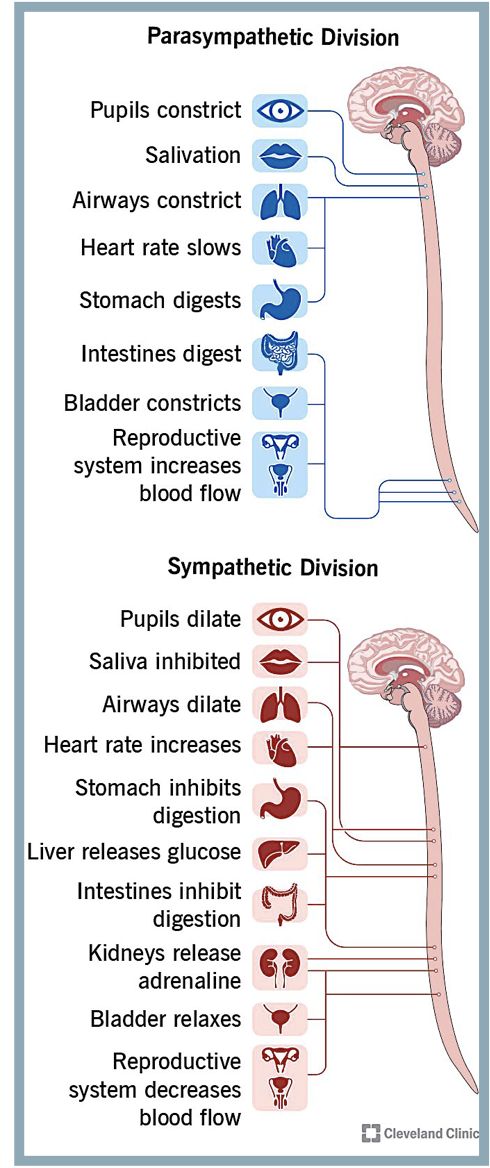
Resentment is an intricate emotion, hiding under the surface. Unlike the more direct forms – joy, fear, or anger.…- resentment tends to be subtle, quietly affecting our attitude.
🫲🏼🫱🏼 It intertwines strong inner emotions with an outer expression of calmness (unemotional), creating a unique mix of tension & restraint, as the Sympathetic (SNS) & Para-sympathetic systems (PSNS) are activated simultaneously.
This combination acts as a protective pause, allowing the upset person to hold back rather than react impulsively. If we stop holding onto a grudge used as protection against ‘flooding’- without a resolution – our nervous system may trigger dissociation, eventually leading to PTSD symptoms.
And unlike trauma responses that overwhelm, pushing our survival instincts into overdrive ——> resentment modifies that intensity, allowing us to stay awake & vigilant without losing control or dissociating (numbing emotions).
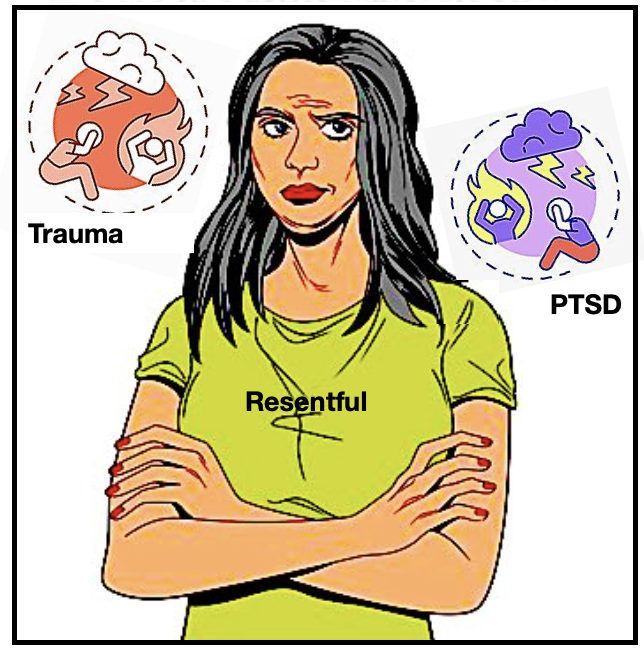 From an adaptive perspective, resentment can act as a mental shield, especially when directly confronting (old or current) abuse feels too risky or simply isn’t possible. While being traumatized can lead to psychological collapse by feeling defeated, resentment offers a buffer, temporarily holding helplessness at bay. This keeps a flicker of our fighting spirit alive.
OVERVIEW of Resentment Benefits :
✒︎ Coping Mechanism – to manage feeling powerless. Provides a sense of control by focusing on external sources of frustrations
✒︎ Emotional Response – indicates mistreatment or injustice, and can signal violation of personal boundaries
✒︎ Motivation – to address grievances. Can lead to making needed changes or desirable reparations
✒︎ Social Function – warn others about their unacceptable behavior. Strengthens group identity by uniting members against a common perceived wrong.
NEXT : Effects, #3b
 HEAL & GROW for ACoAs