
 PREVIOUS : RESENTMENT – Couples (#2c)
SITE : “Passive-aggressive ‘Nice’ Comments” LIST
IN Personal Relationships (cont)
When someone silently resents YOU, & never says what’s bothering them, you get the indirect treatment – often a slow, gradual shift in their attitude, away from their previous friendship or camaraderie. Because the signals are subtle, you feel uncomfortable but can’t put your finger on your unease. It’s confusing & may make you think you’re imaging things, or going a little crazy. Especially if you ask them what’s wrong & they look puzzled, denying everything.
THEY
√ Mirror You Less & Less — In healthy connections, people mirror each other – body language, tone, even rhythm in conversation. When someone resents you, that synchronicity starts to fade. They stop matching your style & personality. You’ll notice shorter replies, fewer smiles, & a complete lack of emotional engagement. You can feel them purposely withdrawing, even if their words sound polite. That emotional disconnection speaks louder than any argument.
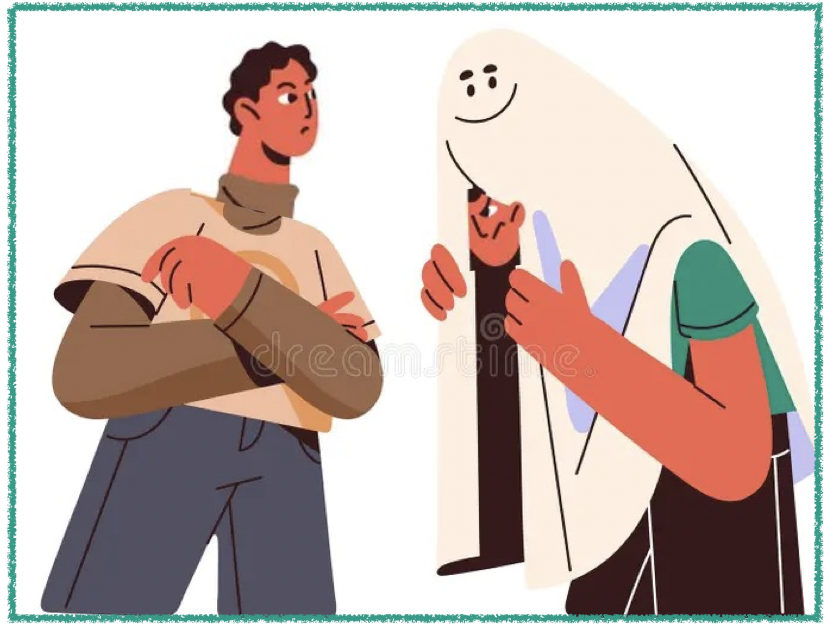 √ Offer Compliments That Feel Backhanded – You’ll notice their praise always comes with a sting. They’ll say things like “Must be nice to have that kind of free time,” or “I could never get away with doing what you do.” It sounds polite, but the tone is off. The words don’t land with warmth. Over time, these subtle jabs leave you second-guessing whether they’re happy for you – or quietly irritated by your success.
√ Pull Away Without Explaining Why – Someone who resents you often stops engaging the way they used to. They don’t return calls, take longer to respond, or act distant in group settings. But they won’t say they’re upset. Instead of addressing the issue, they create space & wait for you to feel it. It’s not just the distance that stings – it’s the way it suddenly appears without a conversation.
THEY
√ Seem Easily Irritated By You — Little things you normally do suddenly start to bother them. Your stories take too long, your laugh is too loud, your opinions feel don’t make sense…. You start to feel like you’d better walk on eggshells around them. What was never a problem now triggers eye rolls or short answers. They never say anything directly, but their attitude feels like they’re wrapped in a thin fog you can’t penetrate. They’re losing patience, & it’s not about a specific issue.
√ Seem Uncomfortable When You’re Vulnerable — Opening up to them used to feel safe, but now they’re stiff, distracted, even dismissive. They might change the subject, make a joke, or offer a bland response. When resentment creeps in, empathy is often one of the first things to go. Vulnerability becomes inconvenient , the annoying. instead of valued. Over time, you stop trusting them with anything real.
 √ Stop Celebrating Your Wins – When good things happen to you, they go quiet. No congratulations, no excitement, maybe just a faint nod. They come up with a totally different topic, or worse – make it all about themself. It’s not always that blatant, but there’s a clear lack of enthusiasm for your good news. When someone resents you, your ‘wins’ feels like a threat instead of a reason to cheer
AND – √ They Pretend Everything’s Fine — The loudest resentment is silent. They smile, make small talk, & act perfectly civil, but there’s no warmth. Everything is superficial & feels rehearsed. Their eyes don’t light up when you walk in anymore, & the old closeness has been replaced by a polite distance. You don’t need an outright fight to know when something real has faded. They’ll never confront the issue directly because they’re a coward, so they’d rather sweep it under the carpet.
AT WORK
🚶🏽♀️➡️ Look for changes in behavior, such as avoidance, negative comments, or passive-aggressive actions
 🚶🏽♀️➡️Pay attention to body language which may indicate hurt feelings or outright hostility
🕴🏻Identify potential reasons for their resentment, such as competition, misunderstandings, or past conflicts
🕴🏻 Keep a professional attitude, regardless of the other’s behavior
🕴🏻Avoid gossiping about the situation with other colleagues
🕴🏻 Consider if your actions or decisions may have unintentionally contributed to their upset.
📕 Keep a record of specific incidents that expresses the resentment, including dates & other details.This can be useful if the situation escalates or requires formal intervention.
NEXT : RESENTMENT – Sings of Being the Target (#B)
 HEAL & GROW for ACoAs