
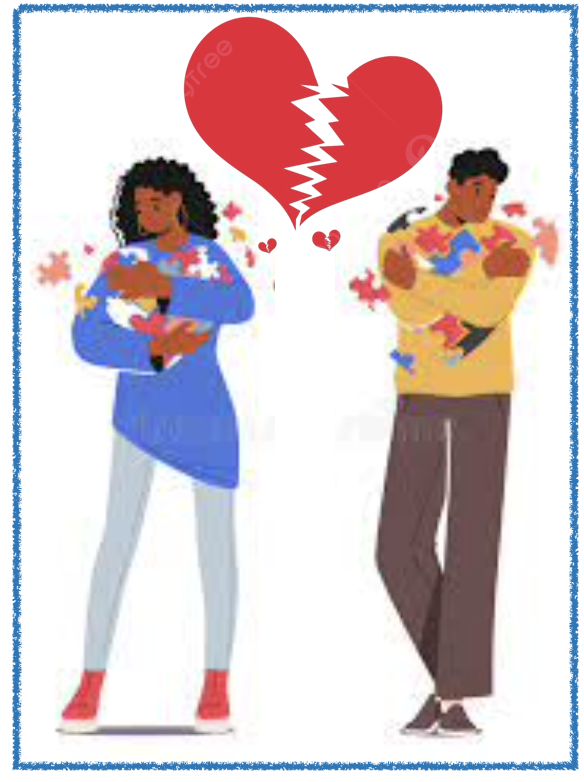
 PREVIOUS : Resentment – SIGNS (Part 2b)
Sneaky SIGNS of Resentment in Relationships
1. Changes in Communication
Notice shifts in communication about how you express yourselves & react to each other. Signs of resentment can be insidious & small verbal & nonverbal behaviors, such eye-rolling, sighing, more edginess or a negative tone in the voice , a general lack of respect or value for your partner’s opinions or actions, and invalidation.
Over time these reaction builds up & poisons many of your interactions If you find there are changes in the tone, frequency or style of communication with your partner – look for what might be happening under the surface – what’s a deeper issue?
2. Keeping Score
 Sometimes score-keeping is unspoken, while in other situations it will be more obvious. You might notice that you constantly have to sacrifice your own wants & needs, which can lead to becoming resentful. You start keeping track of the other’s mistakes or past ‘offenses’, using them as ammunition in future conflicts.
One partner will often bring up old grievances, focusing on tit-for-tat. Another might be adding up who is contributing more to keeping things running smoothly or working harder, & won’t feel any empathy for them or their reasons/ excuses.
3. Avoid Spending Time Together
It’s healthy for couples to have their own interests & friends who they see separately, but it’s a big red flag if one or both partners keep finding excuses to ignore each other or get out of spending solo time together. If you aren’t interacting as much as you used to, you likely feel emotionally disconnected from your partner.
√ Are you avoiding certain conversations? √ Are you making excuses for being less available?
4. Criticism and Blame
According to Dr. John Gottman, criticism is one of the biggest signs of trouble in a relationship. His “4 horsemen” of a relationship apocalypse are Criticism, Contempt, Defensiveness & Stonewalling.
A definite sign of resentment is Blaming ― making the other person the scapegoat for their own unhappiness. Do you keep judging, complaining or picking at the other ? ASK :
√ Do you feel superior, thinking “what’s your problem? I would never do something like that….”
√ Do you rage, instead of just being mildly annoyed about small irritations?
5. Emotional Outbursts or Coldness
 Resentment is ‘clever’ in the way it masks anger. You eventually realize the gradual build-up of unmet expectations & needs has turned into resentment. Arguments or fights about unimportant things always cover larger past issues, with hidden feelings of distrust & disgust.
It may have crept in as increased irritability at home. And when pent-up feelings are finally released, it can be in the alternating form of emotional outbursts & giving the silent treatment.
Ongoing stress can make us more easily aggravated or actually angered. If you experience yourself not seen, heard or supported enough, you may turn the partner into a villain. That can happen because wounds from our pasts are being activated, so you think the current person is intentionally trying to hurt you – like your family did. Your direct or indirect accusation will make the other person defensive, even totally withdraw. (CAVEAT : this is not referring to some partners very real ‘ narc patterns.)
6. Complaining Behind Their Back
Resentment in a relationship leads to less empathy for the partner. A little venting to your friends here & there is normal, but pay attention if it’s constant & gets excessive.
Besides regularly complaining to your partner about things they do that bother you or that you hate – resentment can show up in the way you talk about your mate to other people like he or she is a terrible person, especially inappropriate & harmful when done in front of the partner.
NOTE : These are ways to shame the partner, get others to be on your side, & get sympathy without making changes you may need to take.
7. Changes in Intimacy
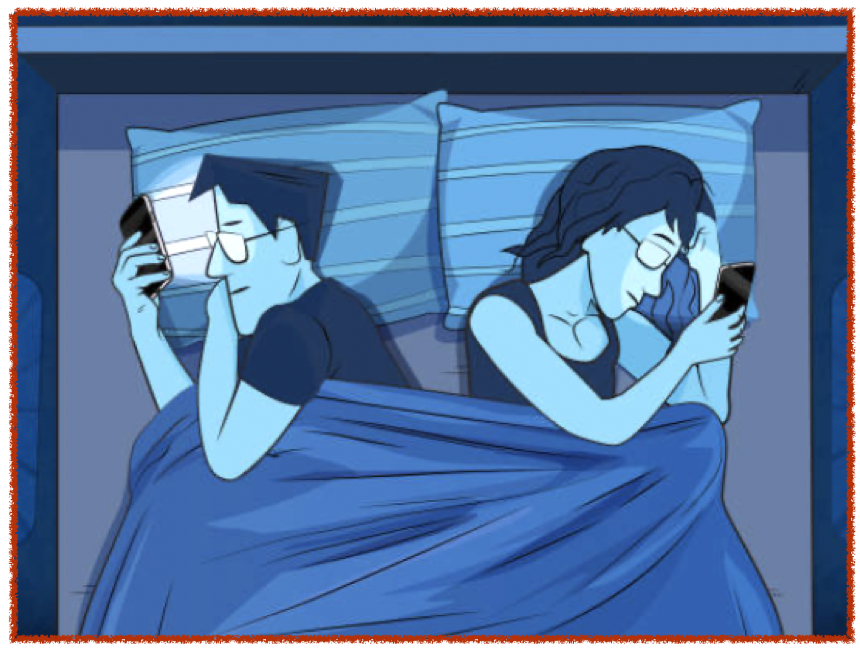 Resentment can affect physical & emotional connection. One or both might withhold or minimize affection, sex, & emotional availability – for months, even years.
You know that what you’re experiencing isn’t the way it was in the beginning ― less tolerance & less prioritizing of each other.
❣️ Resentment thrives in silence but softens with communication & self-reflection. Once you notice these losses, talk about it as soon as possible, rather than letting the changes fester or go unresolved. This may require couples’ therapy. Remember == this does not have to mean the end of the relationship – unless you want it to. 😔
(Based on a Tracy Ross, article)
NEXT : RESENTMENT- Others (Part 2c)
 HEAL & GROW for ACoAs