
 PREVIOUS : Resentment – SIGNS (Part 2a)
QUOTE :
“Resentment and Anger = To protect, they destroy”
SIGNS (cont)
√ Diminished Empathy — Resentment can sneak into our life in subtle ways. Often, it starts as a small irritation—something we brush off or tell ourselves isn’t worth addressing. Over time, these unspoken feelings can grow, manifesting in habits we might not immediately recognize as resentment.
When painful feelings build, it can cloud our ability to empathize with others. You might feel less likely to understand someone’s perspective, or you brush off their struggles as “not my problem.” This emotional distancing often signals unresolved anger with underlying hurt.
√ Hanging on to Anger
 BEING Resentful can make it hard to let go of your anger. You notice that you’re hyper-focused on this emotion, especially whenever having to deal with the person or situation that caused the anger in the first place. You might even experience a strong desire for revenge.
Consistently feeing this way for too long will take a big toll on your physical & mental health. It can lead to a real concern for your safety &/or to others.
√ Keeping Score – Keeping a mental tally of everything you’ve done for someone —> compared to what they’ve done for you. While it’s natural to notice some imbalances in relationships, it’s a sign that you might feel undervalued or unacknowledged, & those feelings are bubbling to the surface.
This includes Over-Criticism – being hyper-focus on someone’s flaws or mistakes, judgements based on your frustration & unresolved painful emotions. This pattern can push people away, even if your underlying wish is to mend the relationship. (see also “Signs in intimate relationships”).
Is there more sarcasm, criticism, more edginess or a negative tone of voice? Other pointers to resentment : passive-aggressive comments, subtle digs, scoffing & belittling what the other person says . There could also be moodiness or short closed-end statements that cut off actual conversation.
√ Regret or Remorse
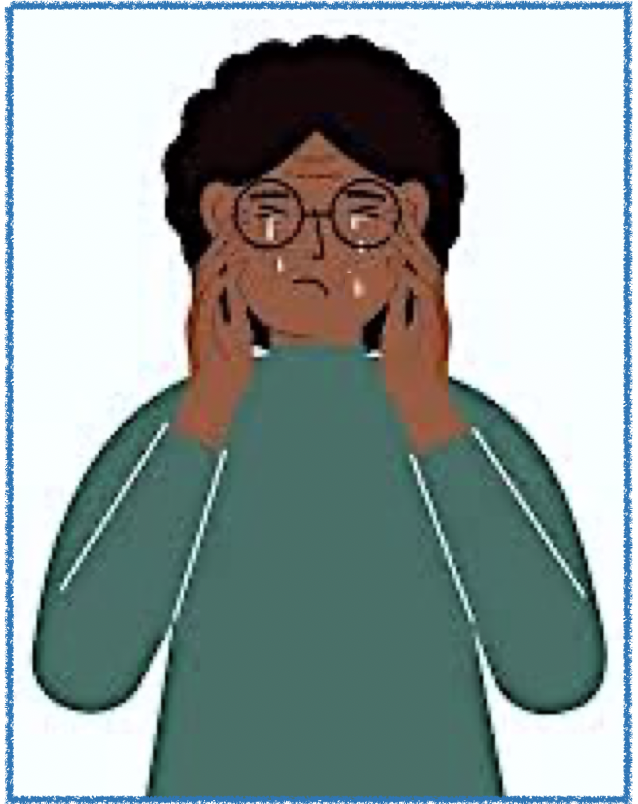 When strong, complex feelings like resentment hang on, we tend to associate it with other emotions like anxiety, guilt, regret, shame…. along with remorseful thoughts, leading to self-blame & wishing we’d acted differently. OR we justify our resentment when others blame us for the difficult situation, whether they are the cause, or if we contributed to the problem by our reactions to the other person/group’s Bad Parent/ Wounded Child’s behaviors.
Dr. Albers : “When we nurture Resentment, it can become a breeding ground for self-doubt, leading to the treacherous trap of gaslighting ourself, This means we distort our own perceptions, question our worth, & let others manipulate our reality”.
√ Relationships Changes
Resentment can cause real shifts & imbalances in a relationship. If you’re holding a grudge, you can lash out at a person in very obvious ways, or react instead passive-aggressively. We mainly hurt ourself by withdrawing from already-formed connections, pushing away casual or new people, & focusing on the negative in ourself & others, isolating & souring relationships.
Whether you recognize it early or catch it down the road, once it’s become all-consuming, resentment is consumed by repetitive damaging signs & patterns of behavior (compulsive habits). If left unchecked or if you feed into it for too long, it becomes harder to forgive or let go & move on from the fight or betrayal.
Resentment can also lead to ending a relationship, since it can become grating on anyone involved with the ‘resenter’. If you are someone who is always angry, bitter, and feeling wronged—& always talking that way around others—over time people are not going to want to be around you.
√ No Closure
 BEING Resentful makes it hard to stop thinking about the event that led to overwhelming emotions, especially if you have / had no closure. These thoughts may come and go, or linger for days, months or even years, depending on what happened & how things were handled.
At its most intense, there may be times you’re caught in an obsessive loop — overthinking the situation about the person, place or events that led to resentment. Continually re-playing the entire situation – you wonder “what if only”- how it could-a-would-a-should-a turned out differently.
(How to get closure without contact).
NEXT : RESENTMENT- Signs ( Part 2c)
 HEAL & GROW for ACoAs